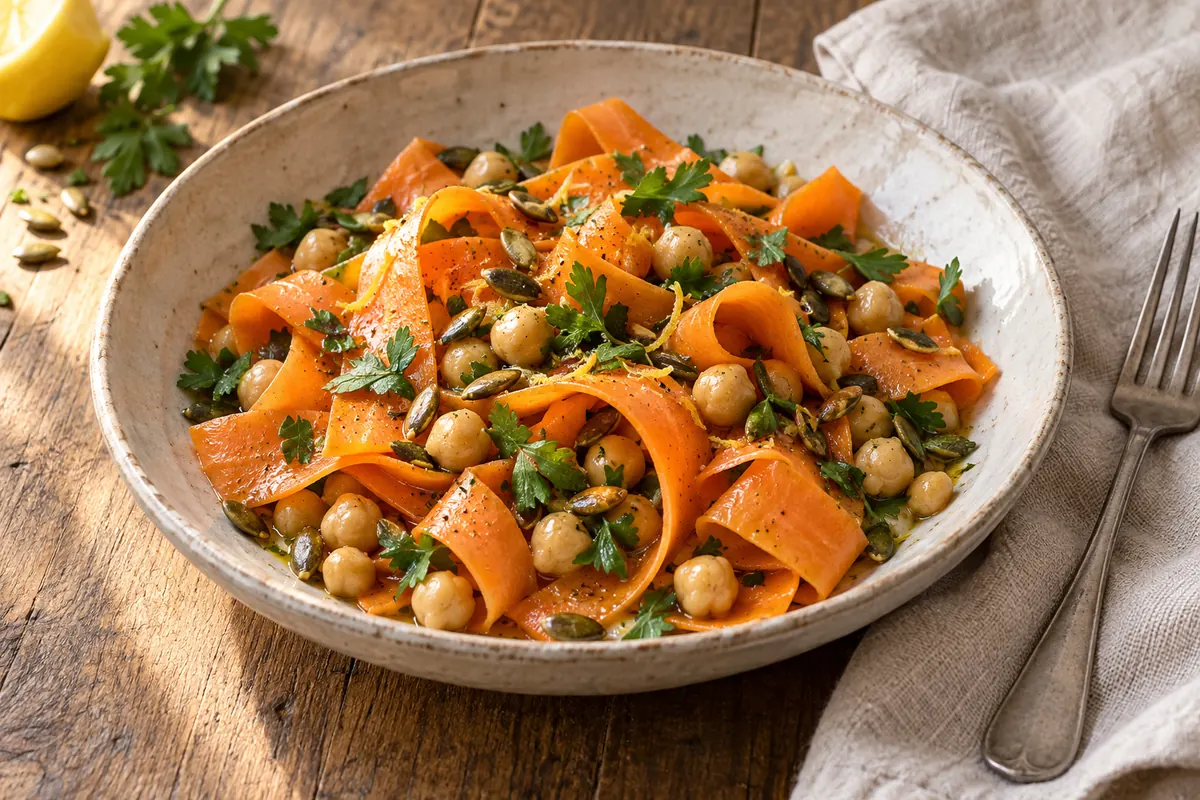
Aim for a consistent forkful
A dressing is doing its job when a bite contains both the seasoning and the oil you intended. If the oil coats the leaves while a sharp puddle remains below, the salad tastes different from the mixture you sampled. Mixing and the moment of dressing matter alongside the ingredient amounts.
An emulsion disperses small droplets of one liquid through another. Yale's cooking chemistry curriculum uses oil and vinegar to illustrate this: shaking can create a temporary mixture, while ingredients such as mustard help it remain blended longer. A home vinaigrette does not need to stay uniform indefinitely to be useful at dinner.
Build the seasoned base before the oil
Put the vinegar or citrus juice in a bowl with the salt and the other seasonings required by your recipe. Stir thoroughly, then add prepared mustard if the dressing calls for it. This lets you see whether the seasoning has dispersed before the bowl becomes opaque with oil.
Begin with a recipe whose acidity suits the dish, then adjust after tasting on the food. A bitter green, a sweet carrot ribbon, and a warm potato do not need identical dressings. Keep the acid and oil bottles nearby so small measured corrections remain possible without losing track of what you changed.
Choose a mixing method you can control
For a whisked dressing, stabilize the bowl with a damp cloth and add oil gradually while whisking. Oregon State University's classic vinaigrette uses this approach. Pour slowly enough that the oil joins the mixture instead of forming an expanding separate pool. Pause the pour when your whisk needs time to catch up.
For a jar dressing, choose a clean jar with a secure lid and enough empty space for the contents to move. Close it fully before shaking, then inspect the mixture. If it separates during meal preparation, mix it again before measuring out the portion for the salad. Different oil-to-acid ratios and added ingredients change how readily separation occurs.
Dress, taste, and stop at the right point
Dry washed leaves well, place them in a roomy bowl, and begin with less dressing than you think you need. Toss gently and taste a representative leaf or piece of vegetable. Add another small amount only if the food needs it; a glossy surface does not require a pool beneath it.
Serve tender dressed leaves promptly. Keep unused dressing refrigerated according to its ingredients and recipe guidance, especially when it contains fresh garlic, herbs, or dairy. Label the mixture so a later shake is a finishing step for a known preparation. A uniform appearance after shaking says nothing about how safely an old dressing was stored.
Keep in mind
Mustard contributes flavor as well as helping an emulsion, so account for its seasoning.
This guide uses egg-free vinaigrette; egg-containing dressings need appropriate pasteurized ingredients and separate safety guidance.

