Make a Dressing That Reaches Every Leaf
A useful vinaigrette combines seasoning, mixing, and timing. Learn what to watch before the oil and vinegar settle apart.
A little kitchen know-how
What to look for, what to listen for, and what to change when the pan isn't doing what you expected.
Give moisture a way out and food a chance to brown. Learn the visual and audible cues that tell you what the pan is doing.
8 notesManage pan heat, simmer beans, finish a sauce, and prepare a quick stir-fry. Watch the food as well as the burner setting.
4 notesWeighing, mixing, dough, and oven cues explained one task at a time. Small changes can have large effects in a bake.
2 notesChoose the pan, dry the surface, and leave enough room. These guides explain how to get more from oven heat.
4 notesSafer knife habits, more even pieces, and sensible preparation before the stove goes on.
5 notesTaste, adjust, and build a sauce with the liquid already in the pan. Salt and acidity solve different problems.
5 notesStarch, moisture, browning, and heat explained through practical kitchen questions, with sources for the underlying science.
11 notesTemperature, storage, and handling guidance grounded in food safety sources. Read the limits as well as the instructions.
1 notesOil temperature, batch size, and safe handling for food that cooks in hot fat. Understand the setup before filling a pot.
2 notesDirect heat, indirect heat, and the space between them. Plan the fire around the food and keep outdoor cooking safety in view.
3 notesBrown first when it helps, add the right amount of liquid, and let a gentle simmer do its work. Texture is the final cue.
1 notesLiquid, fill limits, release methods, and the instructions that belong to your cooker. Check the manual before adapting a recipe.
1 notesCapacity, spacing, and hot air explained through the basket you have. A crowded basket changes the cooking conditions.
1 notesTemperature, time, handling, and storage all matter in a water bath. Use a validated food safety reference rather than guessing a schedule.
1 notesLearn the differences between refrigerated pickles and shelf-stable preservation. Use validated instructions for the process you choose.
1 notesA calm pan, portions of similar thickness, and a temperature check at the center. Learn the practical details of gently cooking fish in liquid.
1 notesChoose a recipe for the appliance, begin with properly prepared ingredients, and plan for doneness, interruptions, and leftovers.
1 notesMonitor the cooking chamber and the food separately. These guides cover hot smoking that cooks food, with cold smoking and curing clearly outside their scope.
2 notesChoose a reliable base recipe, pasteurized ingredients, and the correct appliance instructions. Safety and a pleasant frozen texture need different checks.
2 notesClean, dry produce and properly prepared ready-to-eat ingredients make a better cold meal. Dressing, texture, and storage still need attention.
1 notesPrepare first, cook in batches the pan can handle, and give the vegetables and the sauce their own stages.
30 notes to explore
A useful vinaigrette combines seasoning, mixing, and timing. Learn what to watch before the oil and vinegar settle apart.
Cold eggs, clean equipment, and one small catching bowl make it easier to keep yolks and whites where the recipe needs them.
A baked custard needs a steady setup as much as gentle heat. Match the dishes, organize the hot water, and watch the center as it sets.
Butter, eggs, and milk change how a dough feels. Use portioning, a scraper, and the recipe's rest or chill to make shaping manageable.
Deglazing recovers useful browned flavor. Inspect the pan, choose a liquid, and reduce with the final seasoning in mind.
A recipe's minutes help organize dinner. The cut, shape, and measured internal temperature determine when a roast can leave the oven.
A smooth sauce starts with how the starch enters the pot. Distinguish a slurry, a flour-based method, and a filling that sets as it cools.
A fitted lid, even pieces, and a quick texture check make steaming a deliberate cooking method. The finish begins as soon as the vegetables are ready.
Look at the liquid in the skillet before reaching for more heat. Space can solve a problem the burner cannot.
Save a cup of cooking water, move the pasta early, and watch the sauce coat the noodles in the skillet.
Spacing, cut size, and the underside of a vegetable tell you more than a timer alone.
A small method for deciding whether dinner needs salt, acid, fat, or simply another minute.
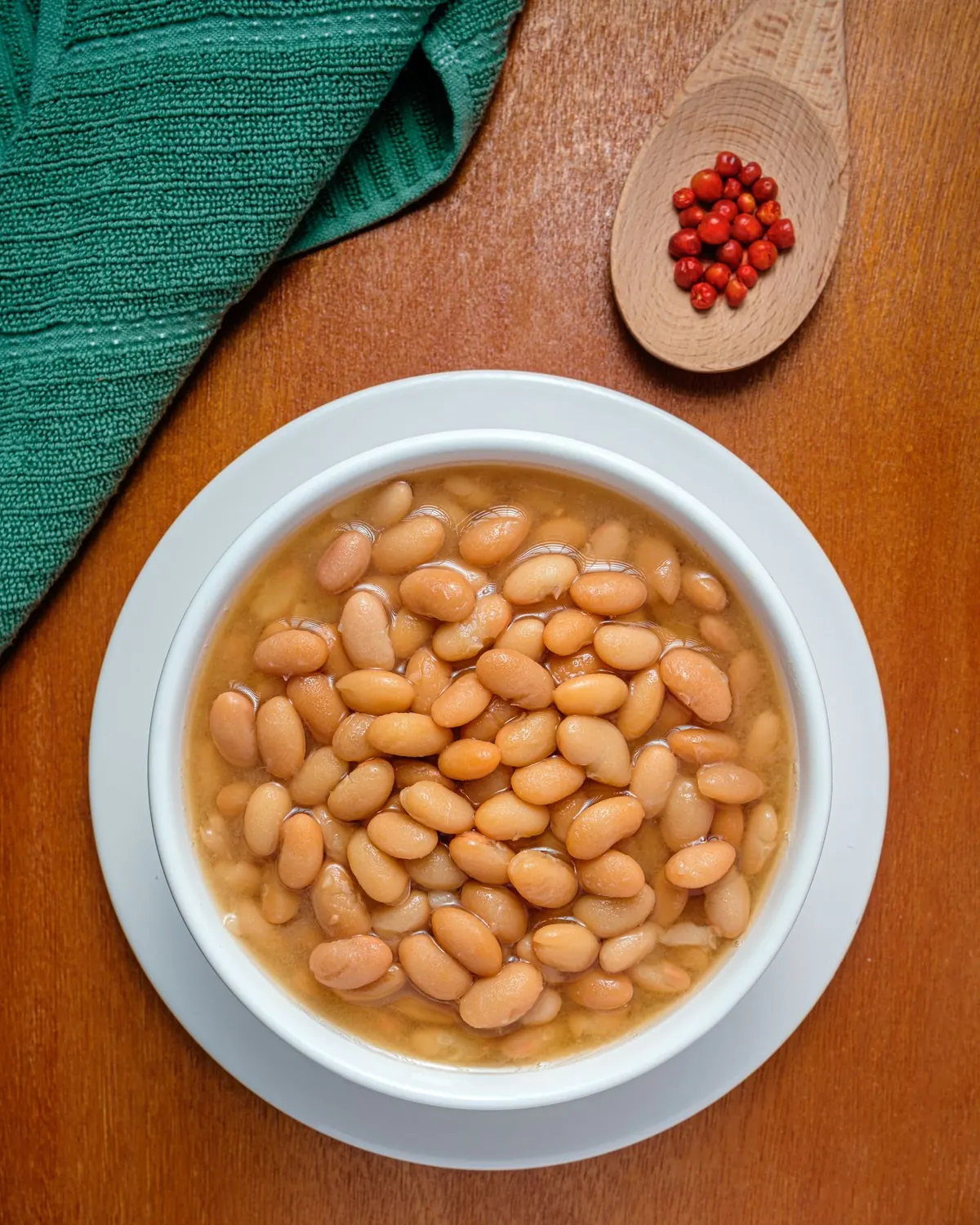
Plan for a proper boil, then let the beans take the time they need. Save their broth for the next meal.
A pale pancake and a scorched pancake are both information. Read the first one before pouring the next batch.
Sticky dough is not always a measuring mistake. Check the flour, the recipe's water level, and the rest it asks for before changing the balance.
Two heat zones let you brown food and finish it more gently. Plan the cooler space before the first piece reaches the grate.
The number on a circulator is only part of the plan. Choose a validated schedule that accounts for the food and its thickest part.
The programmed cooking time leaves out two important stages. Check the minimum liquid, fill limit, and release method before sealing the lid.
A small batch and a well-timed turn can improve uneven browning. The drawer's volume is not the same as its useful cooking surface.
The oil temperature changes as food goes in and comes out. Prepare a small batch, a safe landing place, and the next temperature check.
Make the ingredient stable, give your hands room, and choose a cut that fits dinner. Speed comes after control.
Shallow portions and a clear date are useful before the fridge door closes. Keep the original cooking date when leftovers become another meal.
Choose a suitable cut, use the recipe's liquid level, and inspect tenderness separately from surface color.
A pantry-stable jar depends on a complete, validated process. Ingredient swaps and familiar-looking lids do not prove that a preserve is safe.
A calm pan of liquid protects delicate fish from rough handling. Thickness and a thermometer decide the finish.
Thawed ingredients, the right recipe, and a lid left in place matter more than an optimistic guess at a cooking time.
The smoker air and the center of the food need separate measurements. Smoke color and a dark crust cannot supply either one.
Raw eggs do not become safer because the mixture is frozen. Start with pasteurized ingredients and a complete, reliable base recipe.
Prepare the produce, choose ready-to-eat components, and save the dressing for the point when it helps.
Cut, drain, and mix before heating the pan. Small batches give the vegetables and the sauce different jobs.
Try fewer words or a different filter.
Keep a good thing close
Save the recipes you want to come back to. Your recipe box stays on this device.