Read the Pork Cut Before Setting the Cooking Time
Loin, tenderloin, and shoulder can share a meat counter while asking for very different dinners. Choose the texture first.
Get to know your pantry
Simple ways to choose, use, and make the most of the ingredients already on your shelf.
Canned tomatoes, dry goods, and the ingredients that help a small cupboard produce a decent dinner.
2 notesChoose a bean for its texture, a rice for the dish, and a grain for the way you want to cook it.
3 notesBuying, storing, and using tomatoes, citrus, greens, mushrooms, and other produce without wasting the good parts.
7 notesSalt, acidity, spice, and fermented pantry ingredients. Know what an ingredient adds before choosing a substitute.
3 notesBuying, storing, and handling meat and seafood with attention to the cut, freshness, and food safety guidance.
3 notesEggs, milk, cheese, and cultured dairy explained by what they do in a recipe. Substitutions depend on the job, as well as the flavor.
7 notesFlour, fats, chocolate, and the ingredients whose structure matters as much as their taste. Read the label before changing a bake.
1 notesCoffee, tea, and brewing ingredients with practical notes on storage, preparation, and the choices that change your cup.
2 notesChoose whole nuts, chopped pieces, seeds, and pastes for the job. Learn when form, storage, and toasting change the dish.
21 notes to explore
Loin, tenderloin, and shoulder can share a meat counter while asking for very different dinners. Choose the texture first.
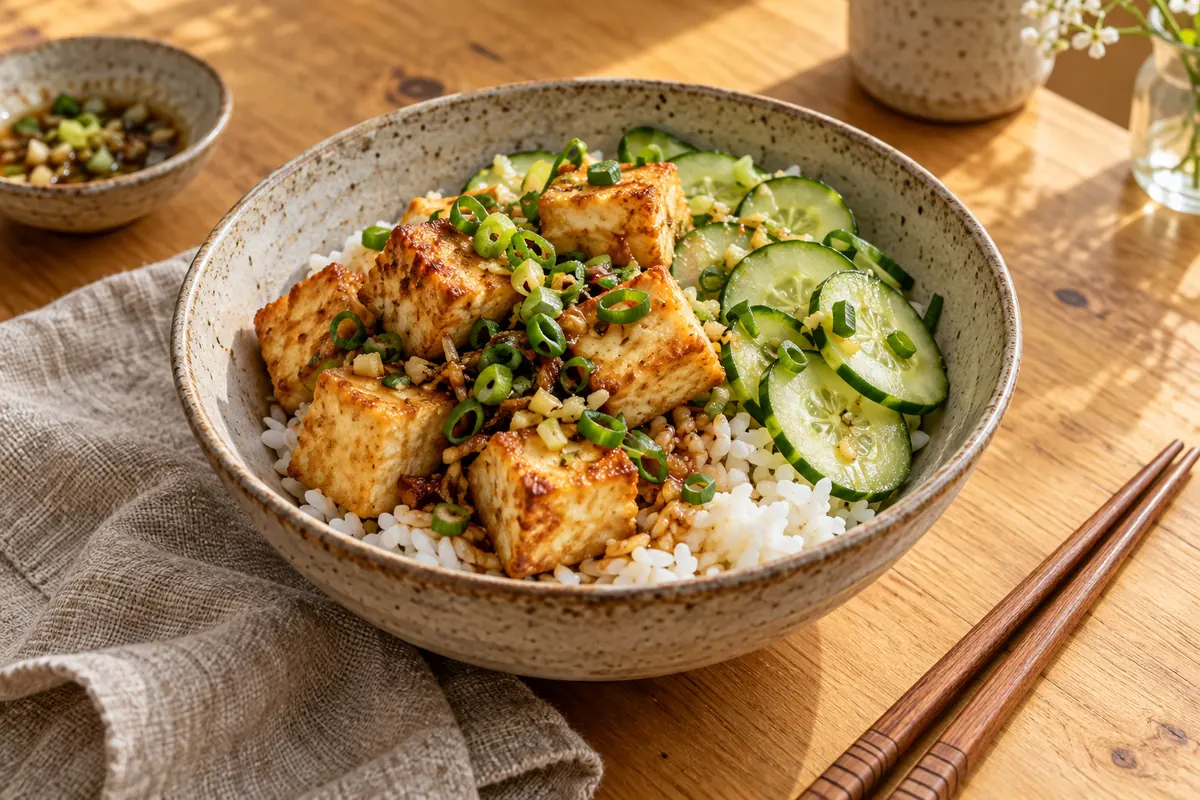
A spoonable tofu and a block for crisp cubes need different handling. Read beyond the word firm before draining the package.
The same walnut can be a crisp topping or part of a paste. Form, seasoning, and storage matter as much as variety.
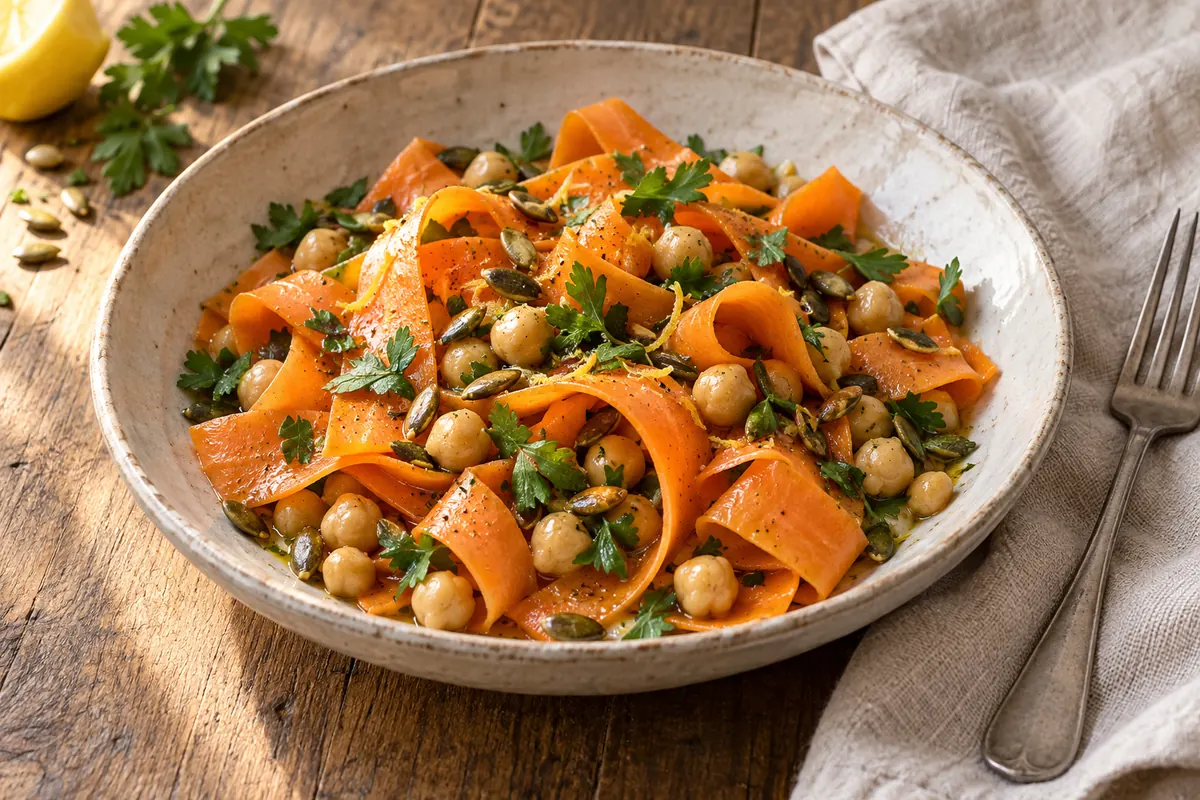
Sesame, pumpkin, sunflower, chia, and flax do different work. Choose the form that belongs in the finished dish.
A ripe pear and a ripe strawberry follow different clocks. Match the fruit, the ripeness cue, and the meal you have planned.
Choose a chile for its shape, preparation, and flavor in the dish. A fresh pepper and a dried pod are not simple spoon-for-spoon substitutes.
Yogurt, sour cream, and crème fraîche offer different thickness and tang. Decide how the sauce will be served before making a substitution.
Nori sheets, wakame, and kombu do different work. Start with the named seaweed and the preparation printed on its package.
Whole, diced, crushed, and paste each solve a different cooking problem. Start with the texture you want.
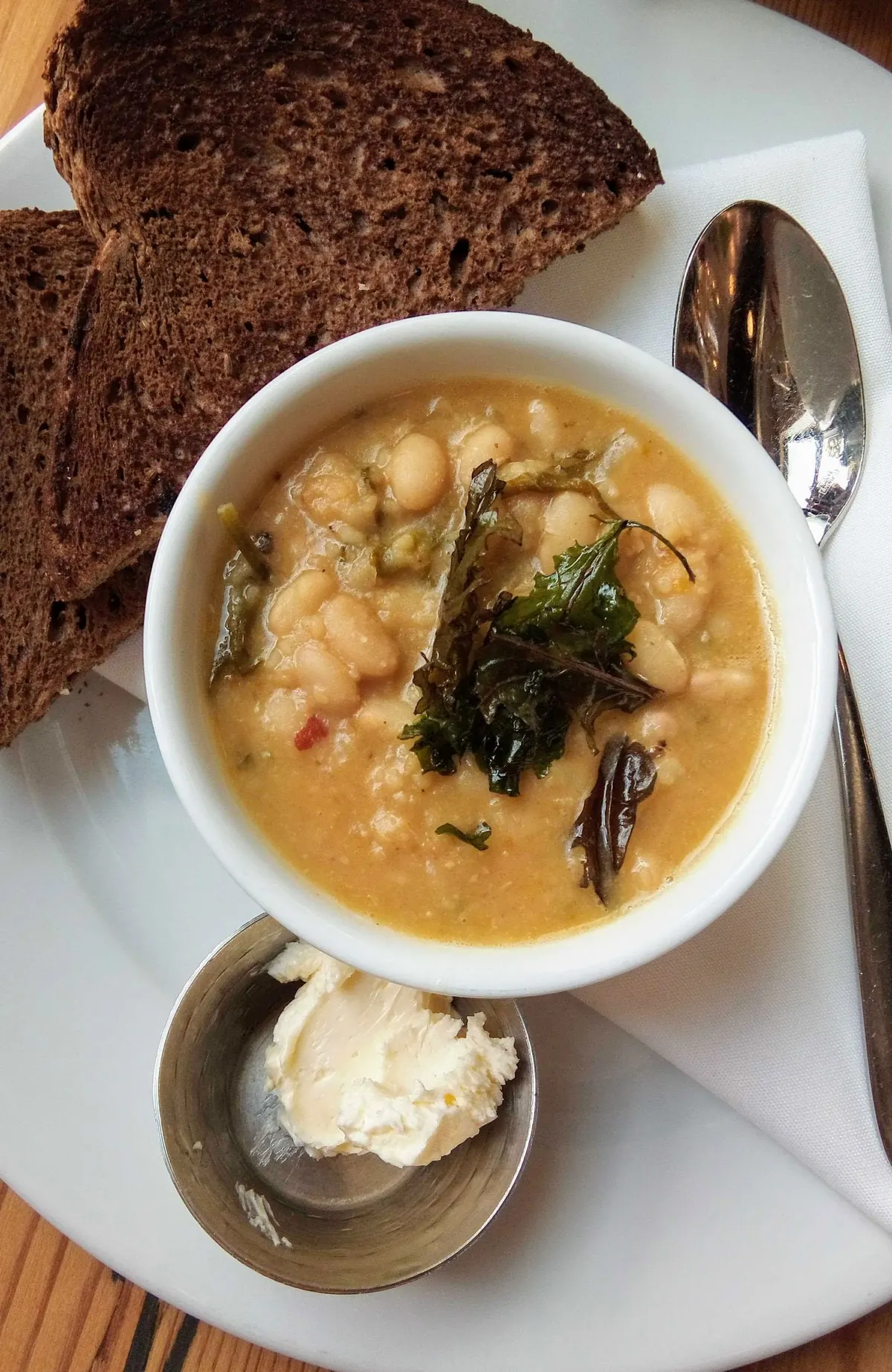
A small guide to cannellini, great northern, and navy beans, with the dish doing the choosing.
Zest, juice, and pieces of fruit have different jobs. A little planning keeps all three useful.
Stock ingredients that share work across several meals, then buy the fresh part you actually want to eat.
Check the species, condition, portion size, and thawing plan. A well-chosen frozen fillet can be more practical than a vague promise of freshness.
A quick skillet dinner and a slow braise need different cuts. Read past the price and the word steak to the part of the animal.
A loose yogurt, a thick strained one, and ricotta bring different amounts of moisture to dinner. Read the recipe before making the swap.
Flour names describe useful differences, but they vary between brands and markets. Keep the type and the weight in your baking notes.
Buy for the meals you cook, keep steam out of the jars, and grind whole spices when the recipe benefits from them.
Flavor, refinement, storage, and the cooking method matter more than a single ranking of oils. Buy bottles you can use while they taste good.
Egg size, separation, and safe handling are small details with real consequences. Put a clean bowl and the recipe's next step within reach.
Read the chocolate percentage and the cocoa type before starting. Sweetness, fat, and the recipe's leavening all belong in the decision.
Measure what goes in, record the water and time, then change one thing. New equipment is easier to judge when the cup has a clear starting point.
Try fewer words or a different filter.
Keep a good thing close
Save the recipes you want to come back to. Your recipe box stays on this device.