Apple and Sage Pork Chops
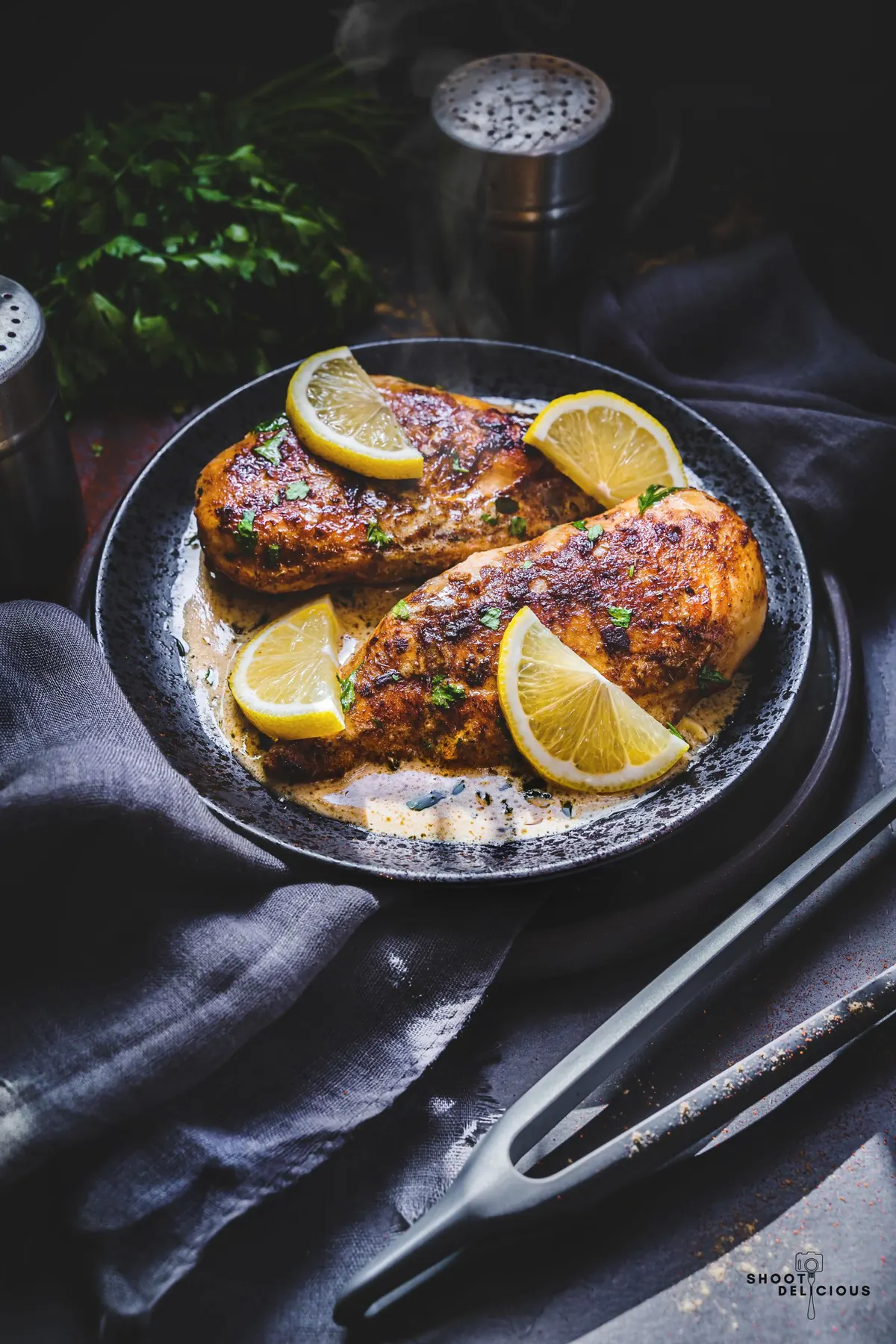
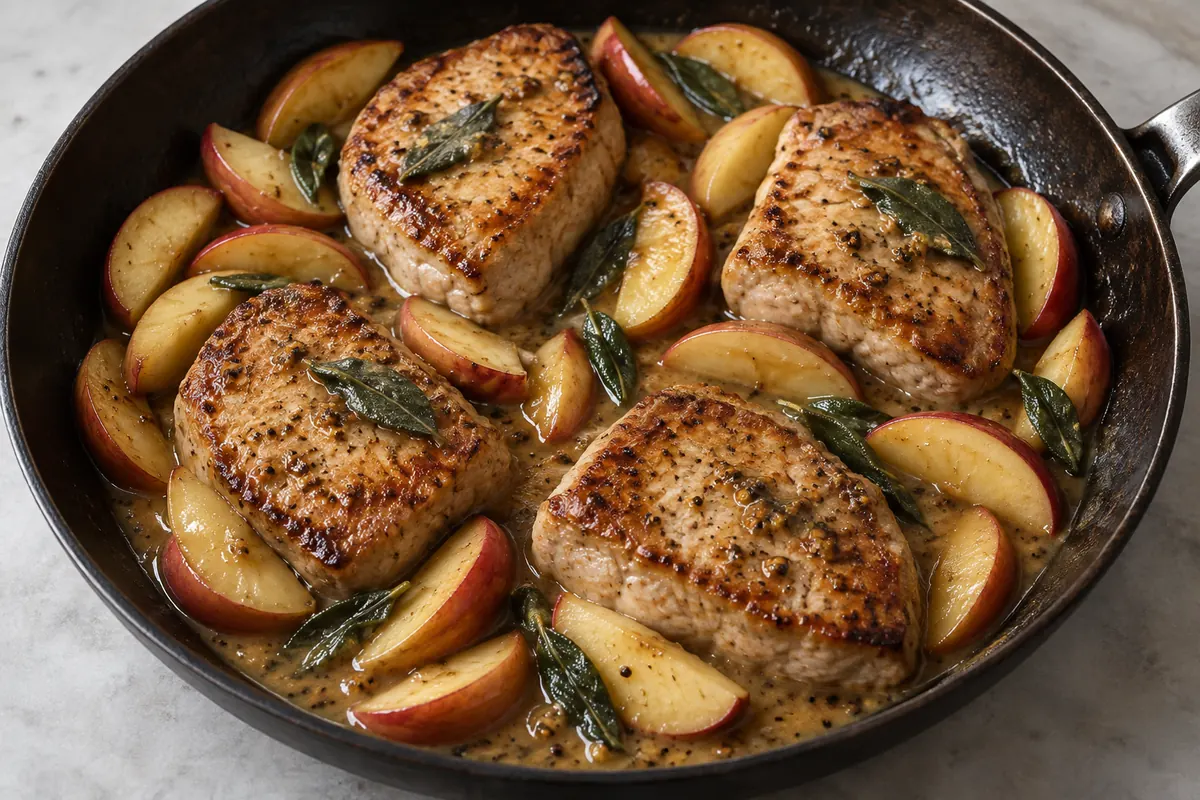
Browned boneless pork chops share a pan with apple wedges and a small cider-mustard sauce.
Find your next good thing
A recipe, an ingredient, a better way to brown a pan of mushrooms. What are you looking for?
158 notes to explore
Browned boneless pork chops share a pan with apple wedges and a small cider-mustard sauce.
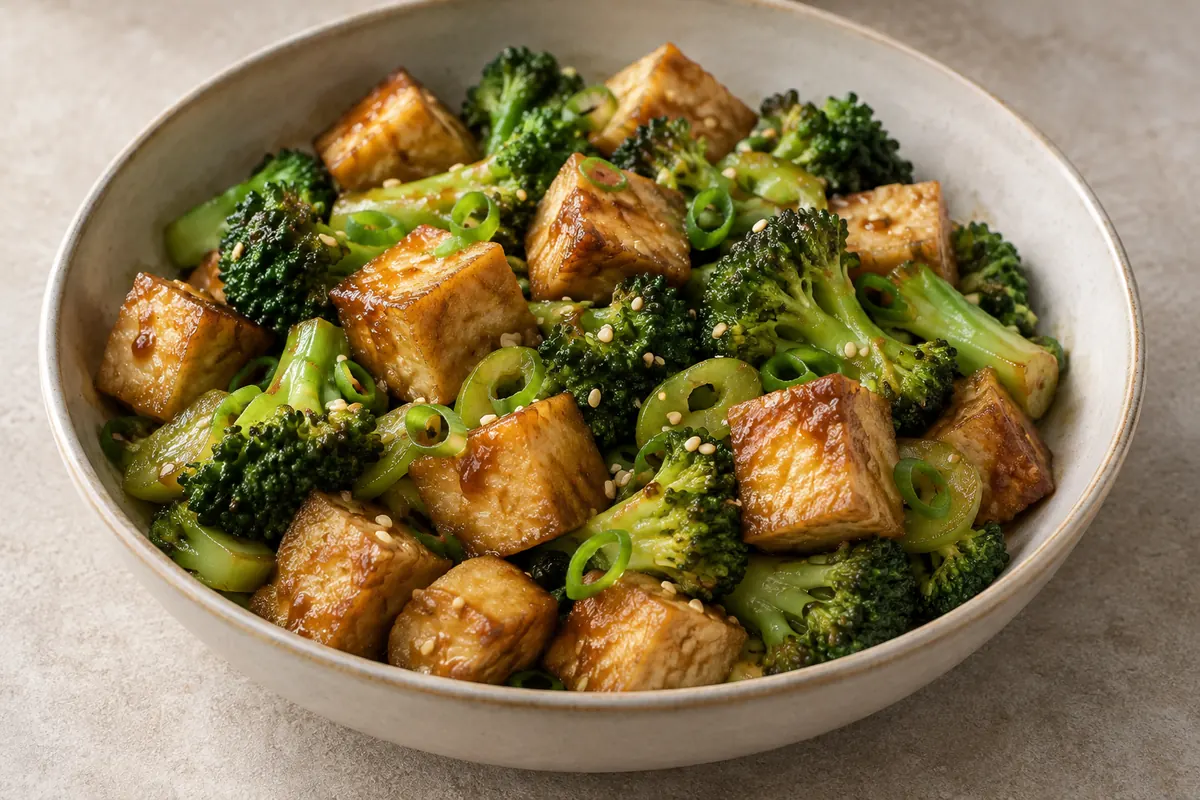
Crisp-edged tofu and tender broccoli meet a glossy ginger-soy coating, with sesame added at the end.
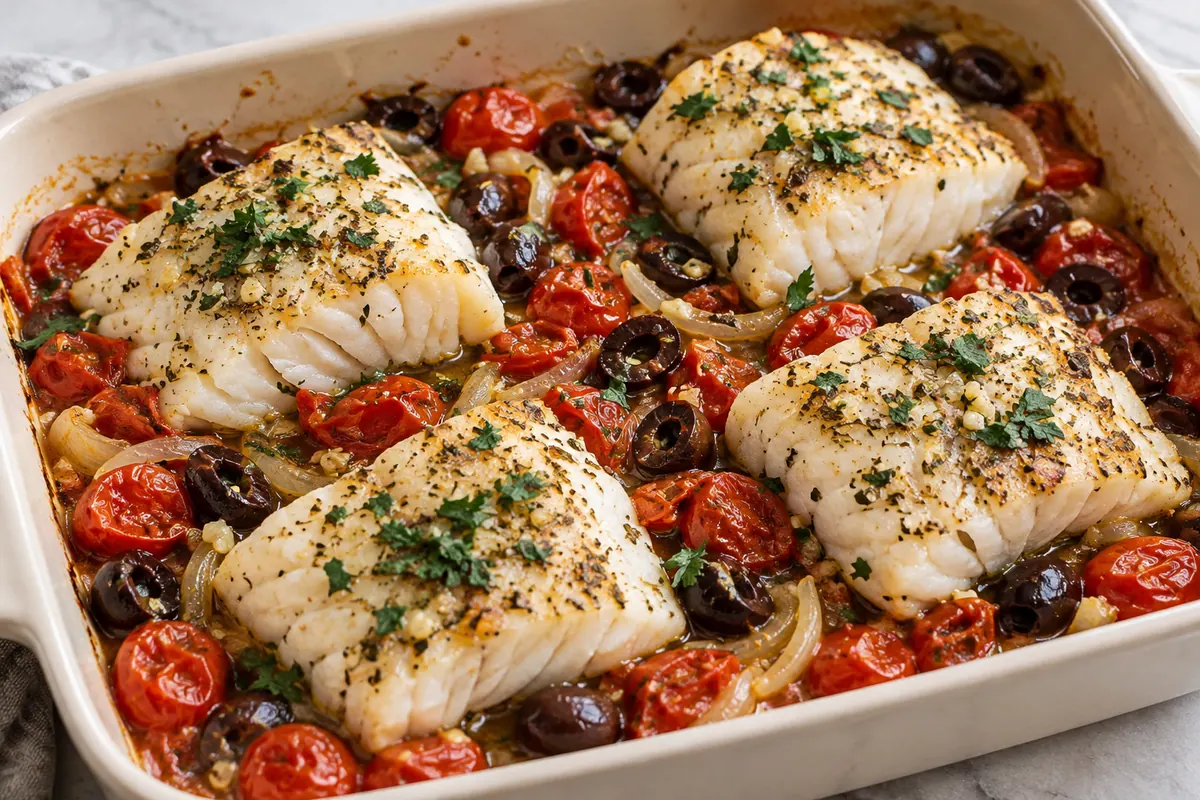
Cod portions bake over softened cherry tomatoes and olives, with garlic, oregano and a parsley finish.
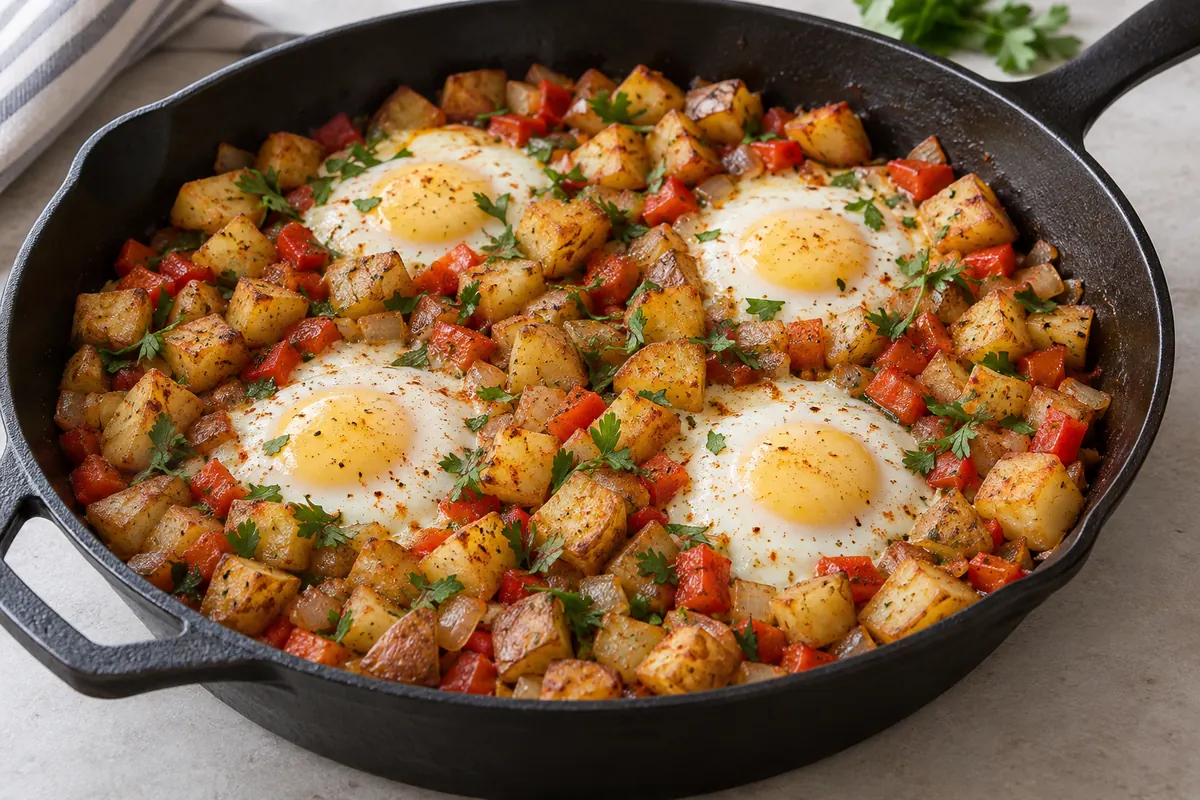
Parboiled potatoes brown with red pepper and onion before four eggs finish under a lid.
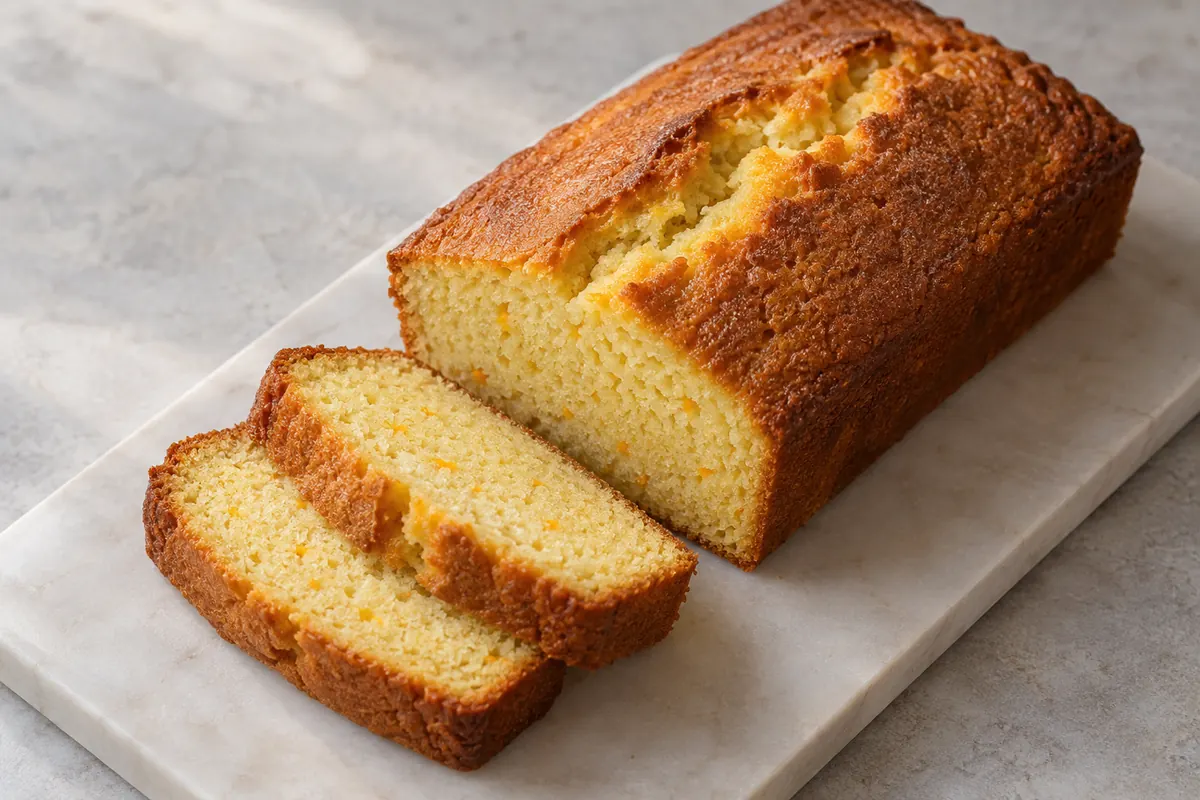
Orange zest scents a simple yogurt loaf with olive oil, a golden crust and an unglazed top.
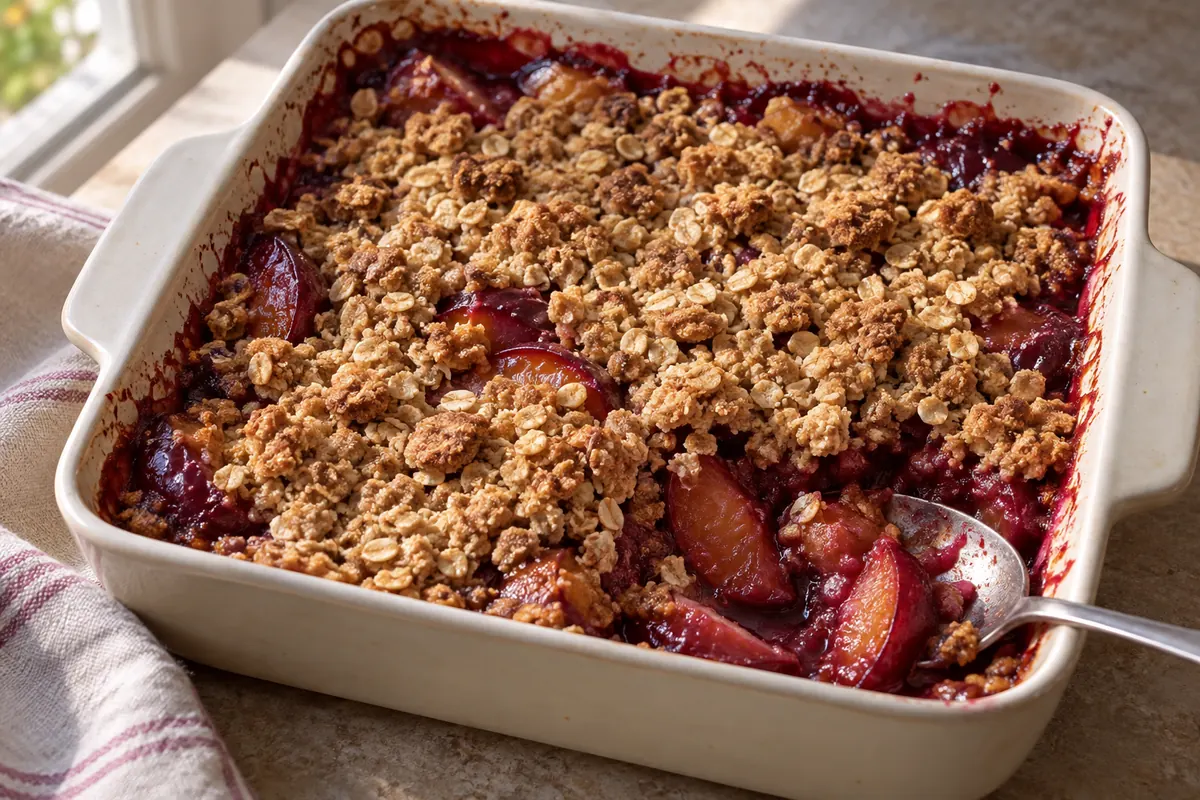
Skin-on plum wedges bubble beneath a rough oat topping made with brown sugar, butter and a little cinnamon.
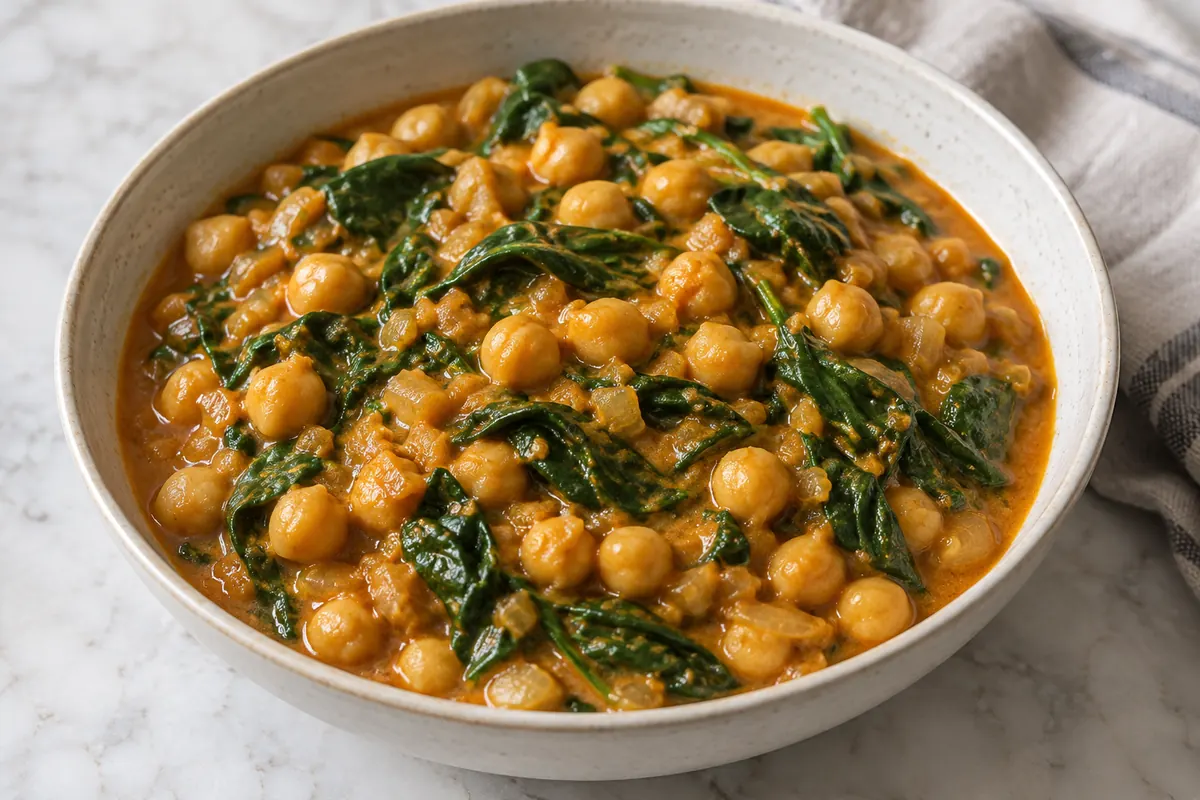
Canned chickpeas simmer in a tomato-coconut sauce before a generous handful of spinach wilts into the pan.
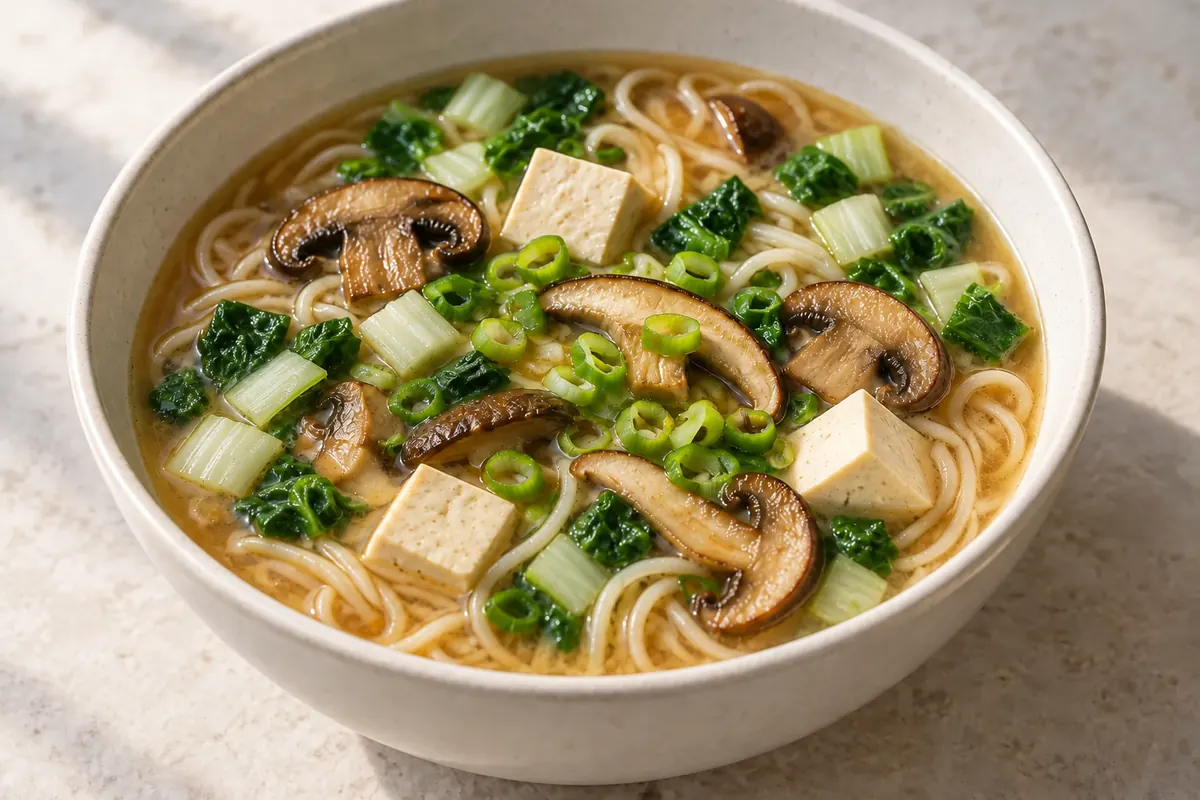
Browned mushrooms, tofu and bok choy meet wheat noodles in a ginger broth finished with white miso.
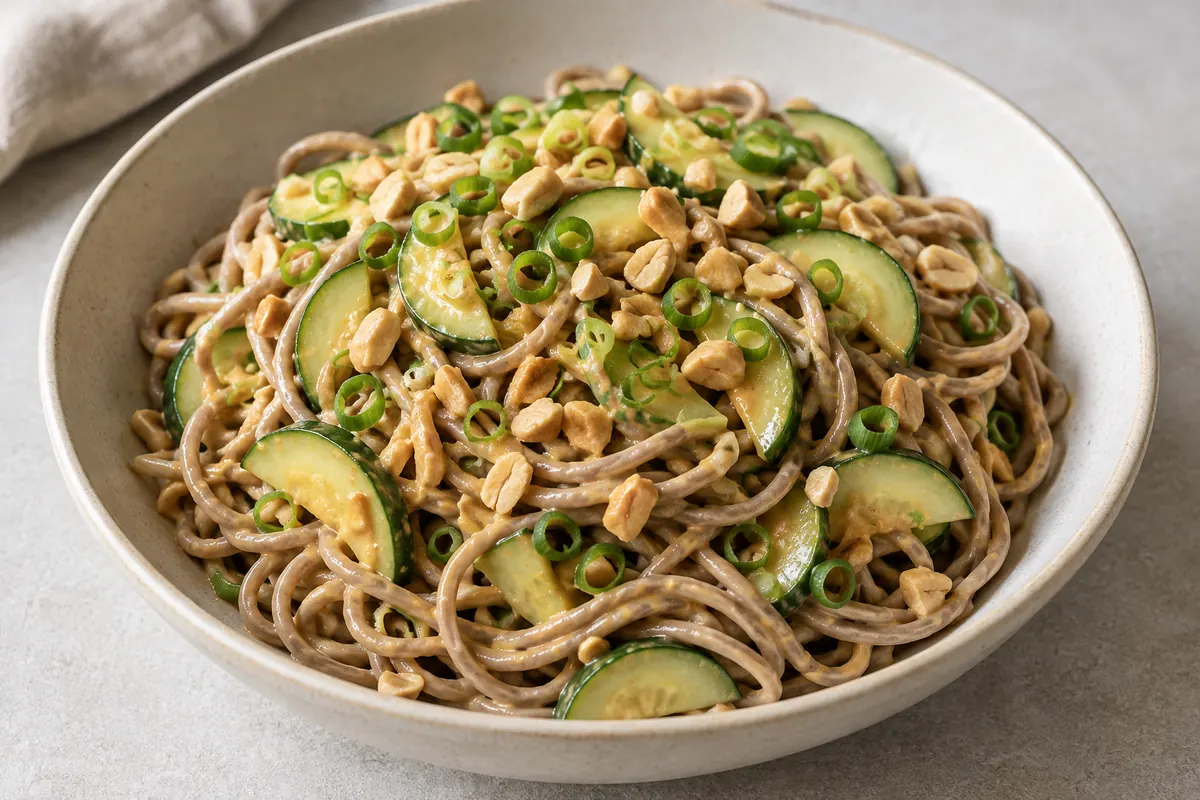
Cool buckwheat-wheat noodles take a creamy peanut dressing, crisp cucumber, scallions and chopped roasted peanuts.
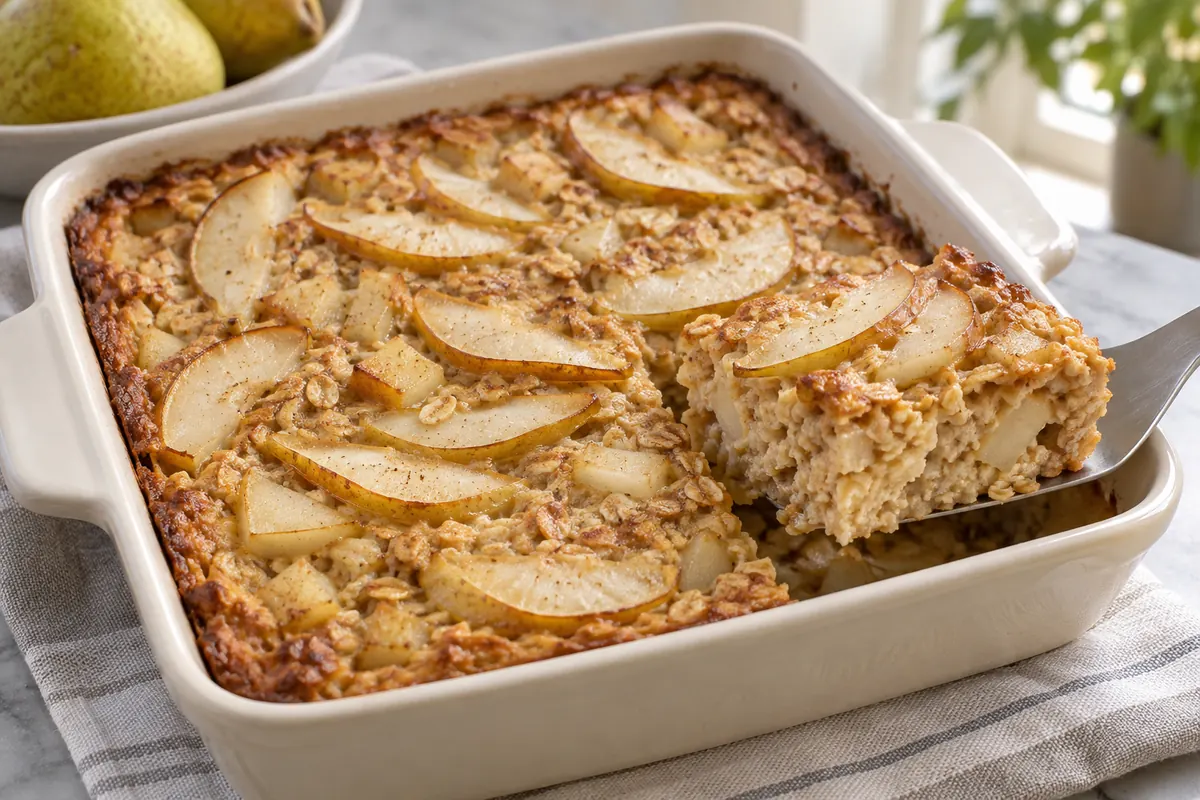
Rolled oats bake with milk, eggs and diced pear, with thin pear slices and a restrained cardamom scent on top.
Loin, tenderloin, and shoulder can share a meat counter while asking for very different dinners. Choose the texture first.
A spoonable tofu and a block for crisp cubes need different handling. Read beyond the word firm before draining the package.
The same walnut can be a crisp topping or part of a paste. Form, seasoning, and storage matter as much as variety.
Sesame, pumpkin, sunflower, chia, and flax do different work. Choose the form that belongs in the finished dish.
A ripe pear and a ripe strawberry follow different clocks. Match the fruit, the ripeness cue, and the meal you have planned.
Choose a chile for its shape, preparation, and flavor in the dish. A fresh pepper and a dried pod are not simple spoon-for-spoon substitutes.
Yogurt, sour cream, and crème fraîche offer different thickness and tang. Decide how the sauce will be served before making a substitution.
Nori sheets, wakame, and kombu do different work. Start with the named seaweed and the preparation printed on its package.
A useful vinaigrette combines seasoning, mixing, and timing. Learn what to watch before the oil and vinegar settle apart.
Cold eggs, clean equipment, and one small catching bowl make it easier to keep yolks and whites where the recipe needs them.
A baked custard needs a steady setup as much as gentle heat. Match the dishes, organize the hot water, and watch the center as it sets.
Butter, eggs, and milk change how a dough feels. Use portioning, a scraper, and the recipe's rest or chill to make shaping manageable.
Deglazing recovers useful browned flavor. Inspect the pan, choose a liquid, and reduce with the final seasoning in mind.
A recipe's minutes help organize dinner. The cut, shape, and measured internal temperature determine when a roast can leave the oven.
A smooth sauce starts with how the starch enters the pot. Distinguish a slurry, a flour-based method, and a filling that sets as it cools.
A fitted lid, even pieces, and a quick texture check make steaming a deliberate cooking method. The finish begins as soon as the vegetables are ready.
Basque pintxos connect a focused bite with a social rhythm. Learn the difference between a displayed cold choice and a dish ordered hot.
Food shares the table with toasts, attention, and the work of the tamada. Read the occasion before treating a supra as a fixed feast menu.
The small dishes belong alongside rice and the rest of the table. Learn their names and notice how preparation changes the next bite.
Fresh leaves can change a bowl or a wrapped bite as you eat. Start with the dish's own accompaniments and learn what each one contributes.
Small dishes can make a generous meal without arriving as one giant platter. Use regional names, contrasting preparations, and a manageable serving sequence.
The tangy bread is part of the bite and part of the meal's arrangement. Read the accompaniments, ingredients, and sharing customs together.
Valencian paella and Mar Menor caldero share an ingredient without sharing one formula. Start with place, stock, and the named preparation.
Idli and dosa offer a useful beginning, with many distinct forms beyond them. Learn the preparation before assuming that every batter follows the same path.
A covered 12-inch All-Clad and an uncovered Made In pan solve slightly different shopping problems.
These covered three-quart saucepans have similar jobs, with different cleaning guidance and published oven limits.
Two covered cast iron pots with different interior colors and a shared role in slow cooking.
A long handled carbon steel wok and a heavy cast iron wok invite different cooking movements.
Two fine graters for citrus, hard cheese and ginger, with different details to consider at the counter.
A compact carbon steel Y peeler and a stainless inline swivel peeler ask for different handling habits.
On-device controls and a guided app workflow are more useful distinctions than identical wattage.
Two portable six-quart slow cookers, with a different way to decide when a programmed cook ends.
These machines make frozen desserts through different preparation schedules.
Gooseneck spouts and temperature selection are shared; scheduling and hold choices set these apart.
Automatic milk settings and a narrow body offer two different reasons to choose a compact espresso machine.
The important difference is what sits beneath the coffee and where the finished brew goes.
A nesting range of five sizes and four equal glass pots solve different leftover problems.
Similar working areas, but a thick maple block and a thin composite board need different homes.
Choose the motion that works on your counter, then check where the large bowl will live.
A reversing cleaner and a swing-out grid offer different ways to reach garlic left behind.
Burst cherry tomatoes, a knob of butter, and the lemon you nearly forgot turn a pot of pasta into dinner.
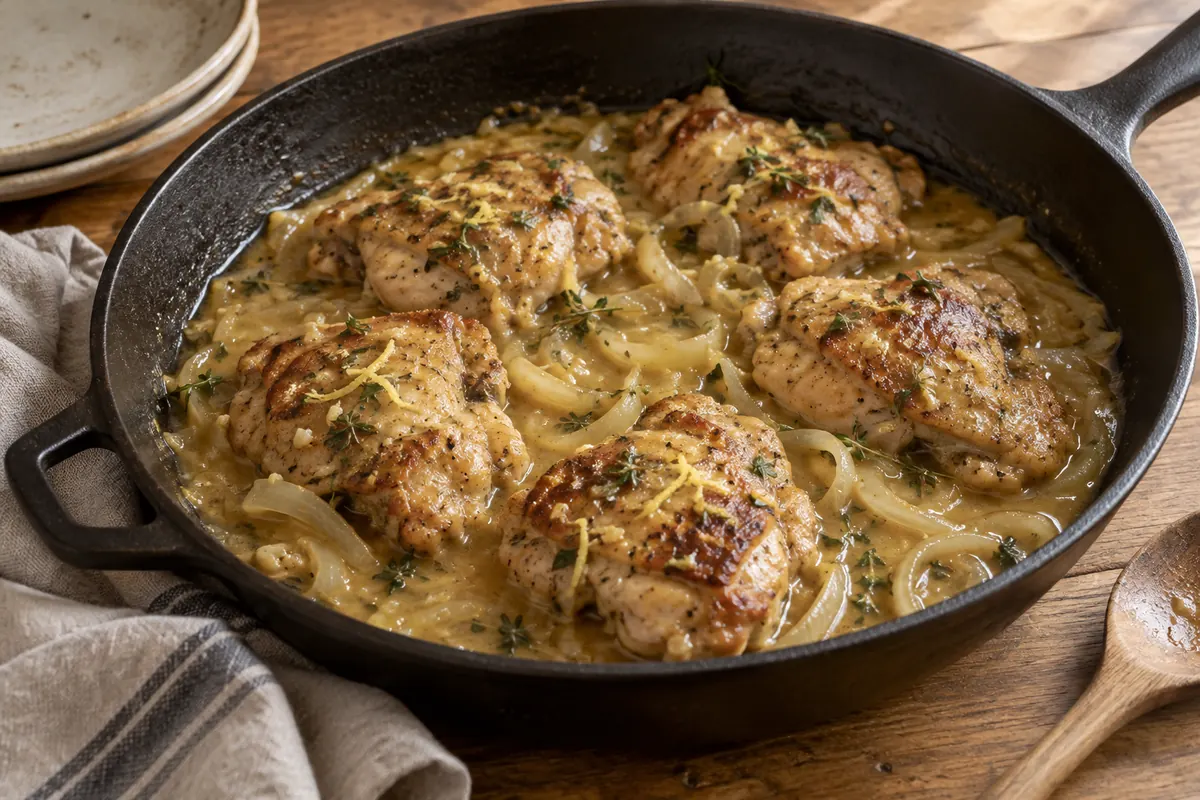
Boneless thighs, browned onions, and a short pan sauce make a comfortable dinner with very little chopping.
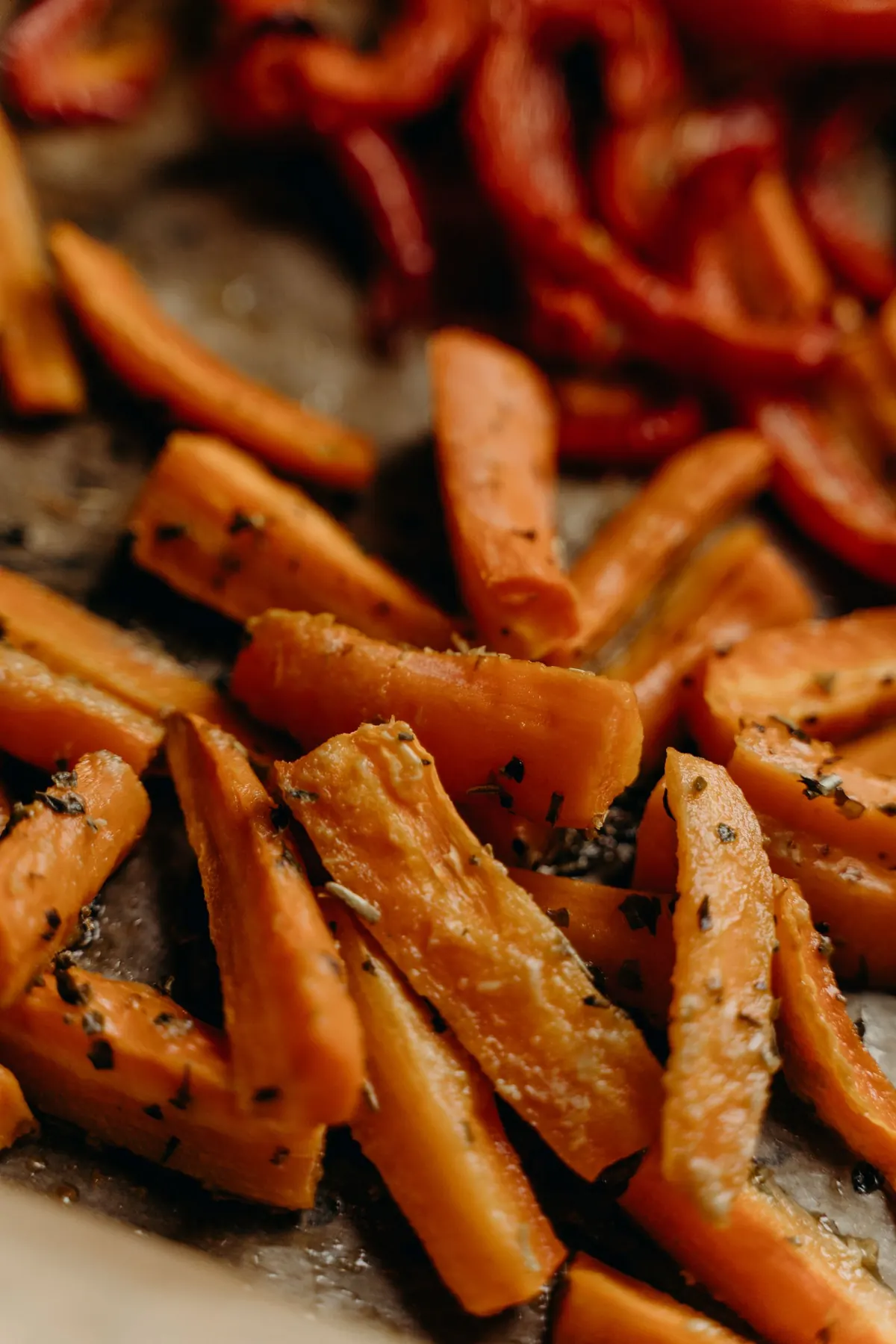
Roast the carrots until their edges wrinkle, then set them against cold, tangy yogurt and a handful of herbs.
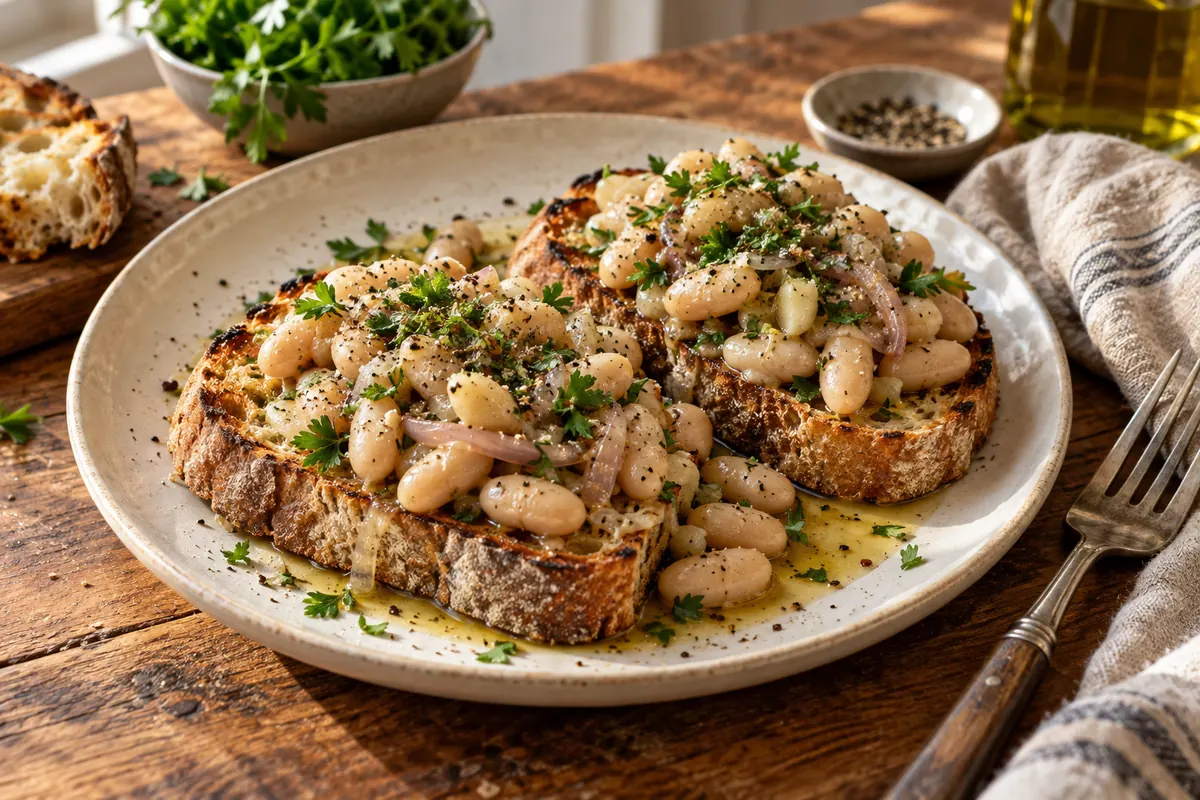
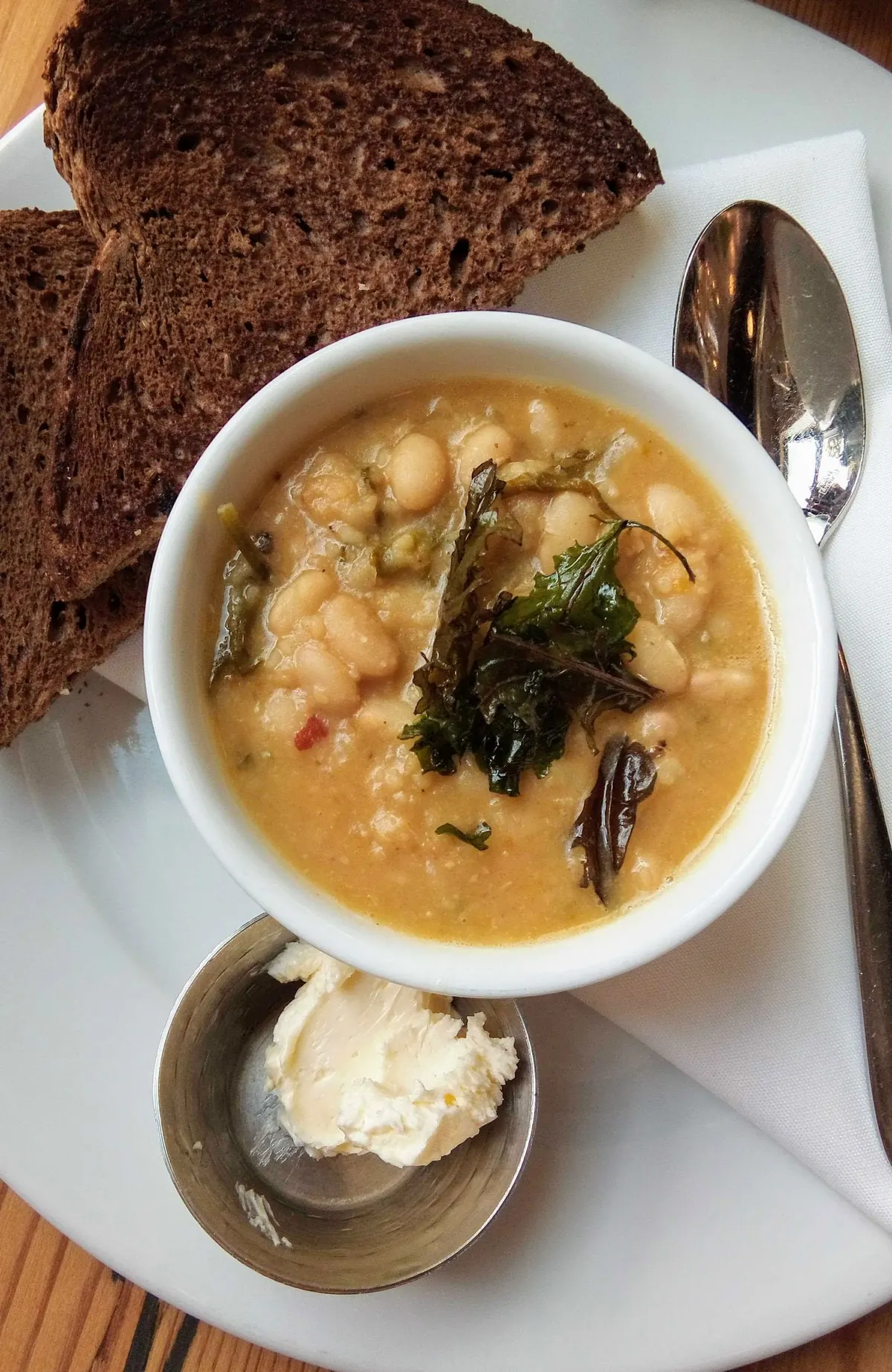
A can of beans earns a proper lunch with shallots, olive oil, and toast rubbed with a cut clove of garlic.
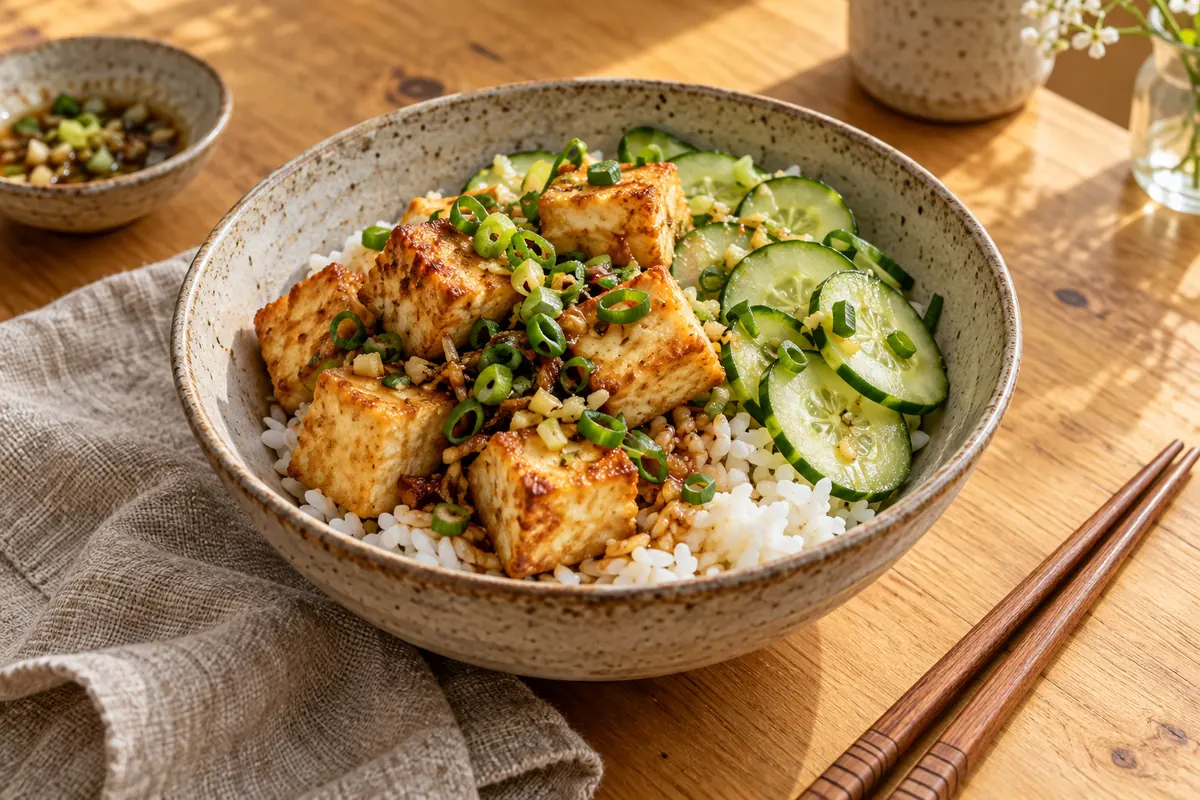
A sharp little scallion dressing brings warm rice, crisp tofu, and cool cucumber together.
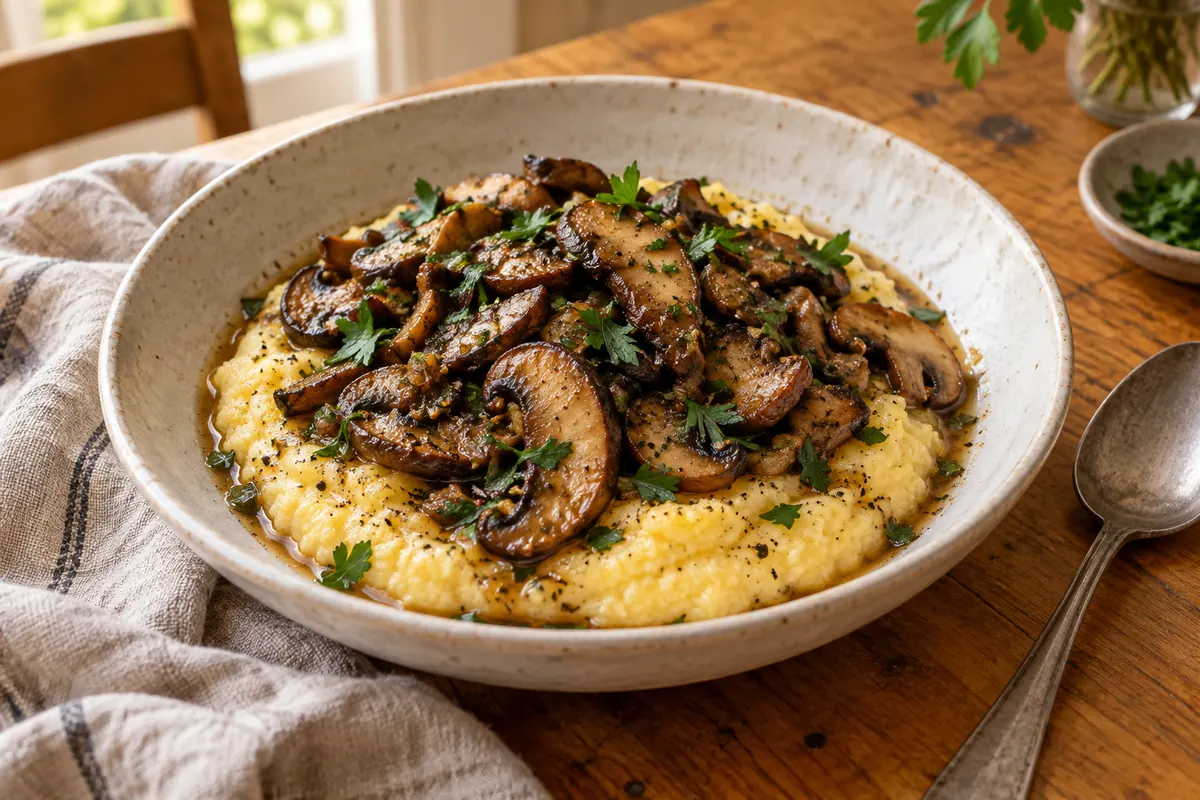
A generous pan of mushrooms gives soft cornmeal a savory topping, with enough pan juices to spoon around the edges.
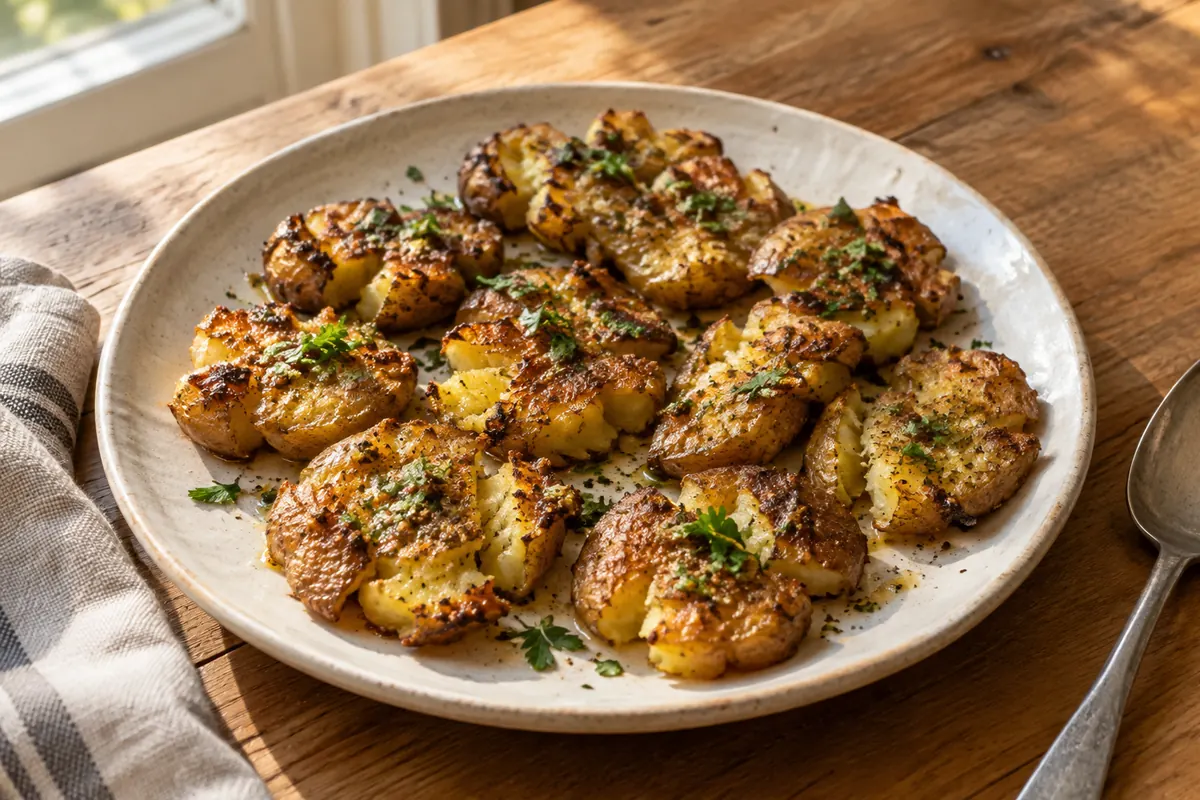
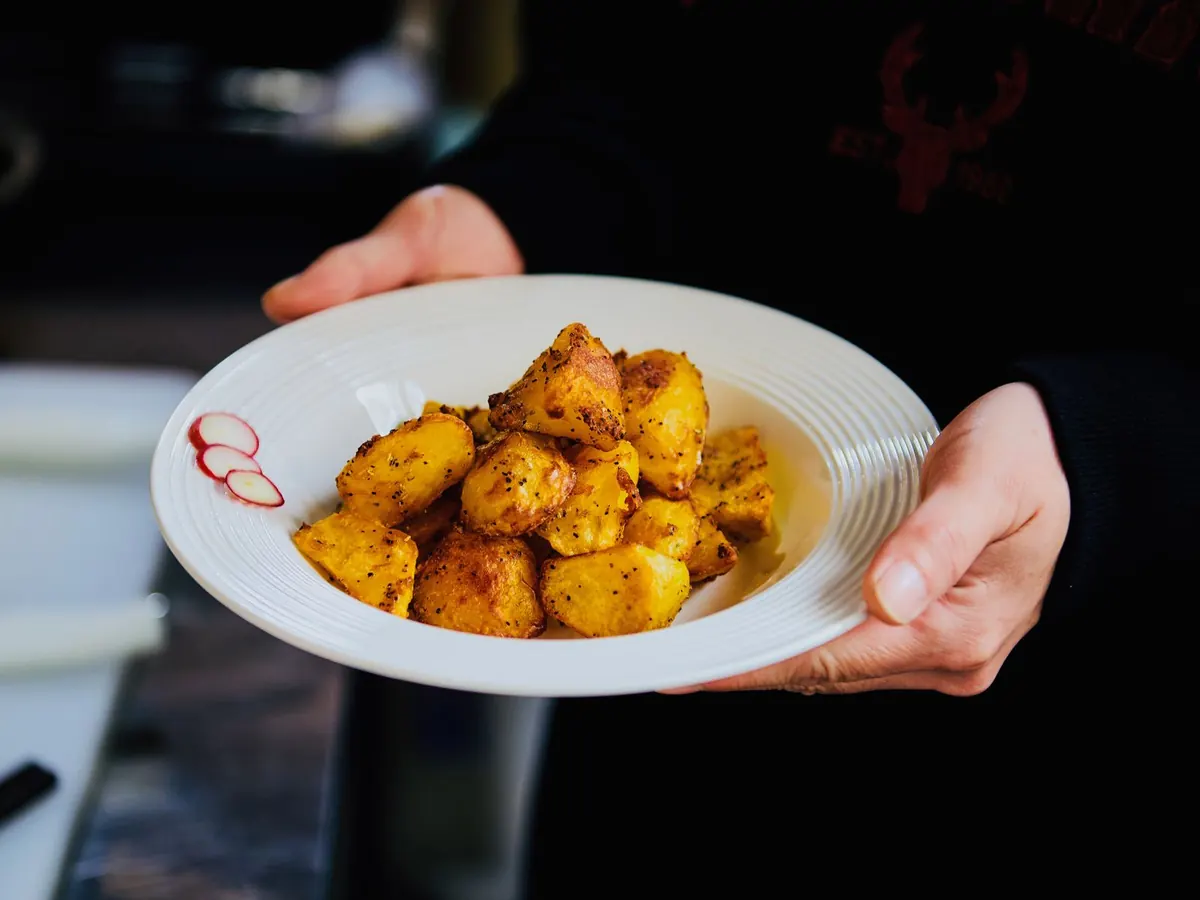
Boil small potatoes until fully tender, flatten them gently, and let the oven work on all those ragged edges.
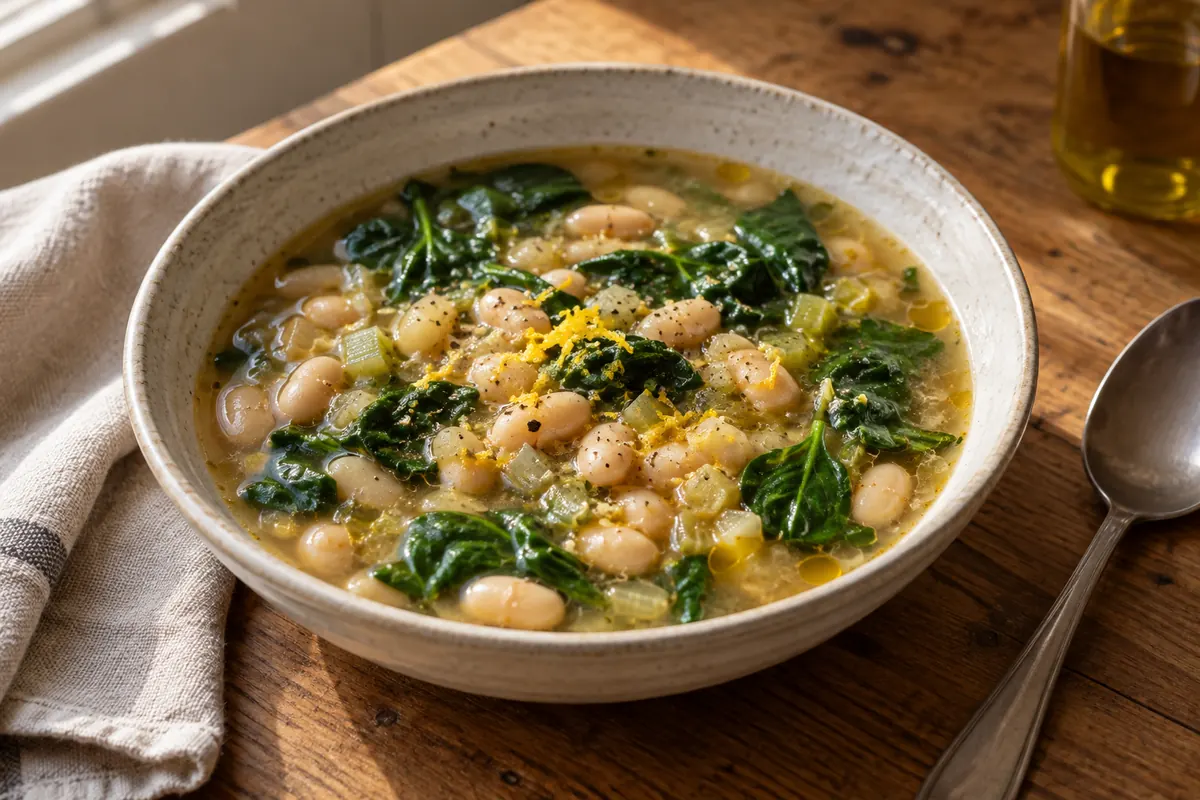
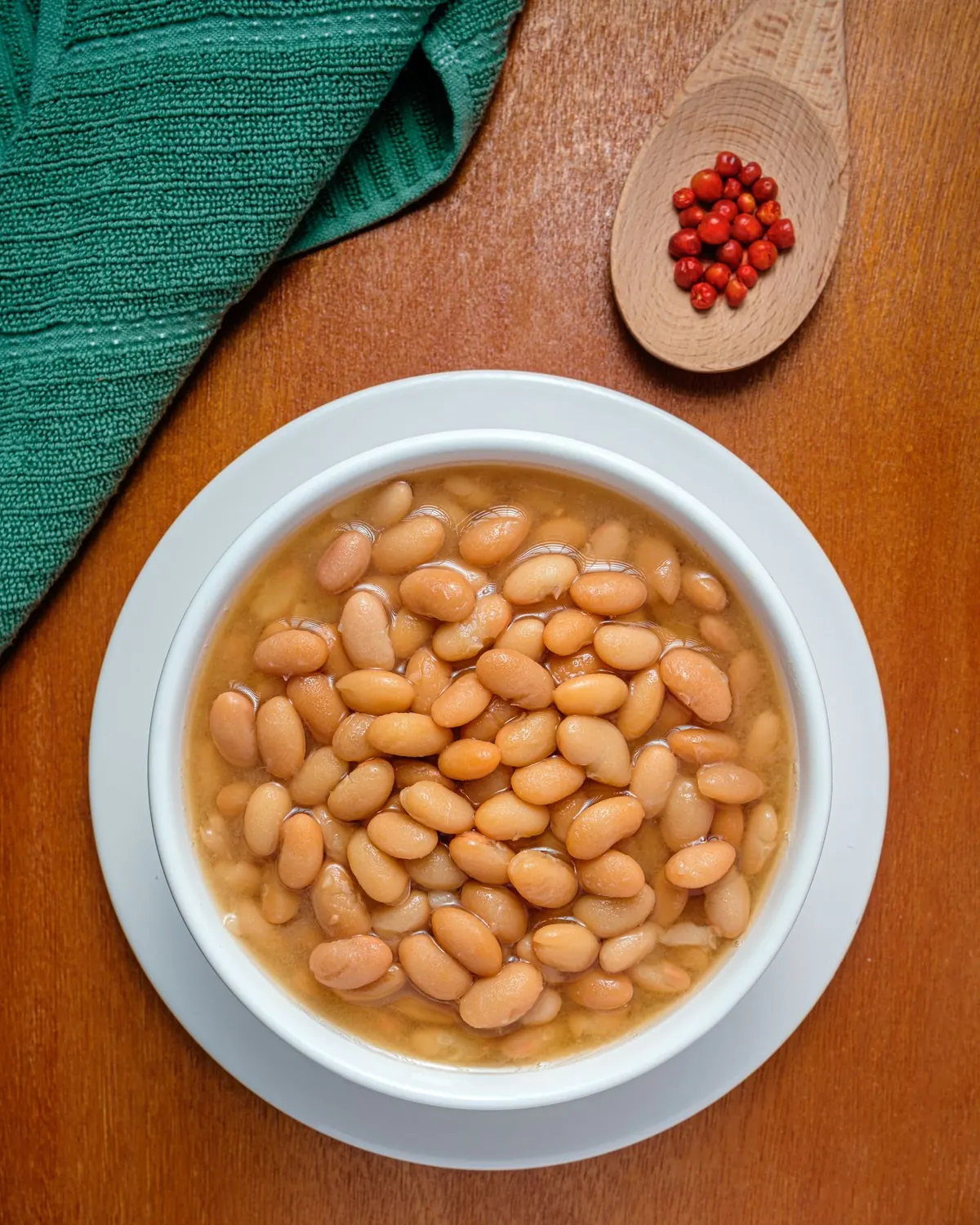
A quick pot of beans that leaves enough broth for a piece of bread and enough greens to count as dinner.
Soft-centered pancakes with lemon zest and modest sweetness, ready for berries or a spoonful of jam.
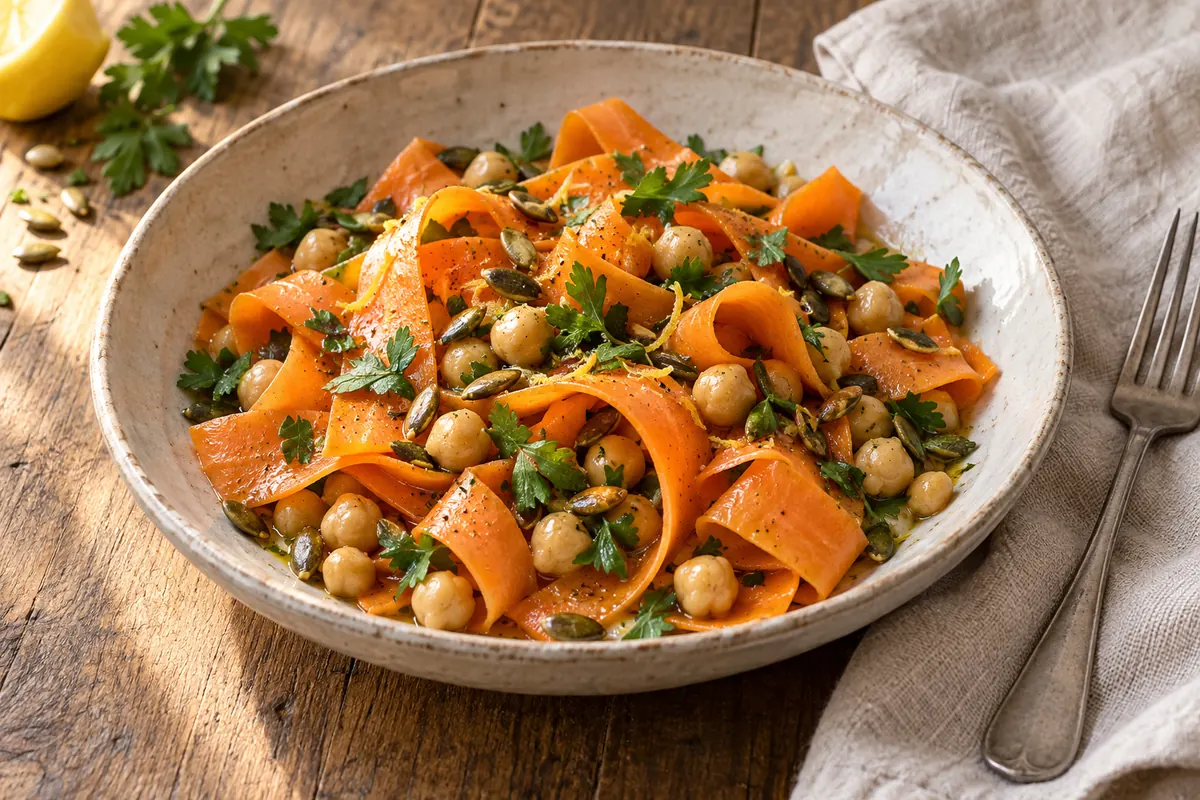
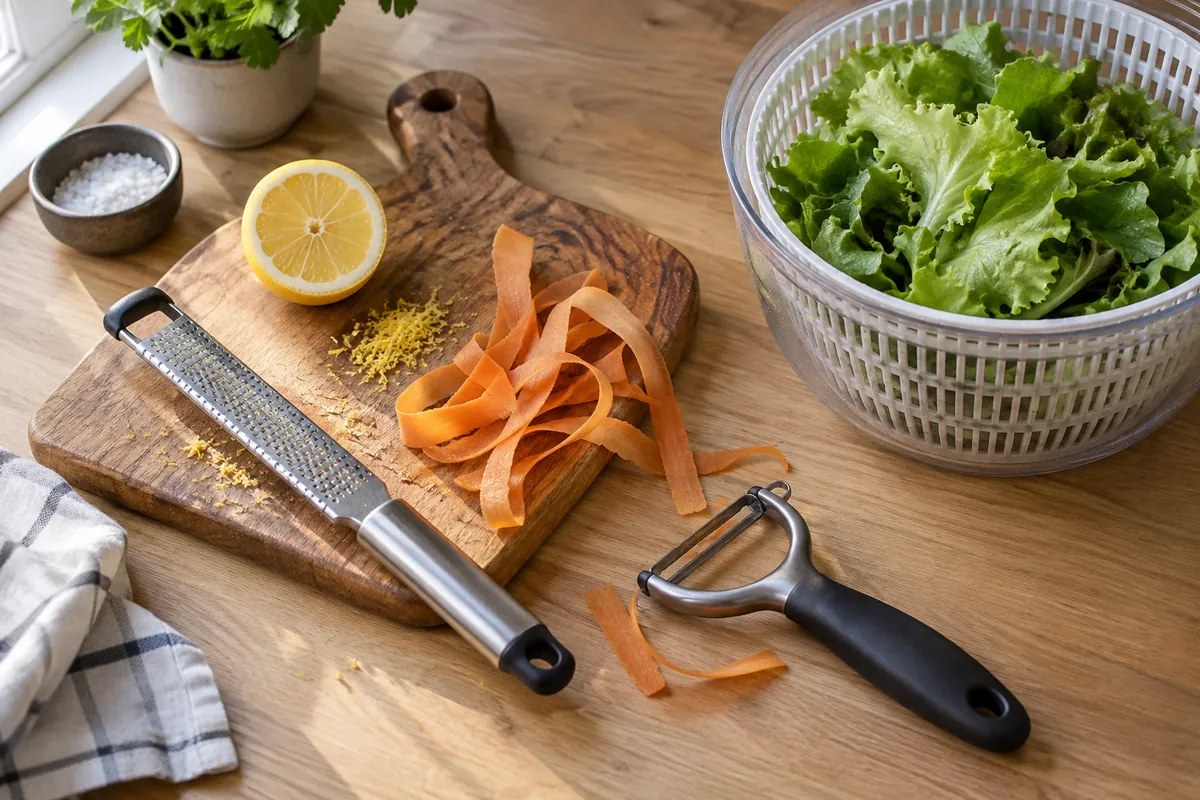
Wide carrot ribbons, canned chickpeas, and toasted seeds make a lunch that stays crisp long enough to pack.
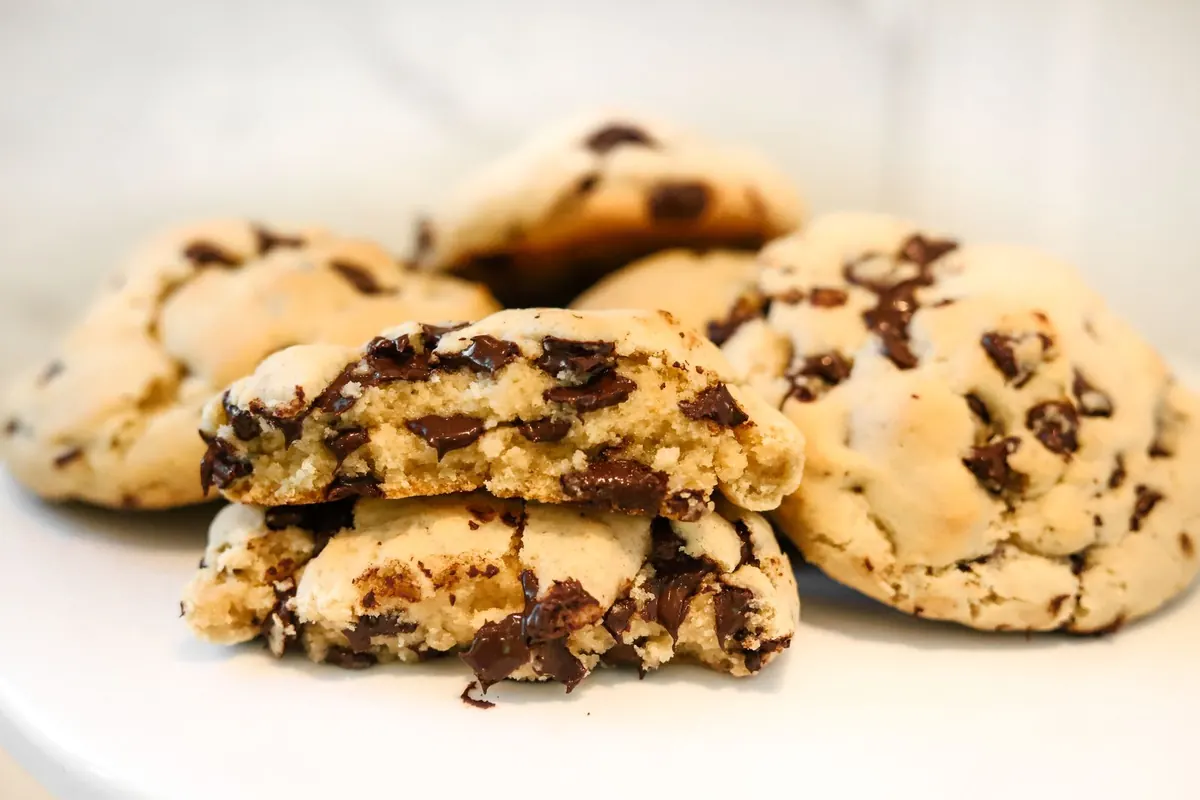
Chewy oat cookies with chopped chocolate and the toasted flavor of carefully browned butter.
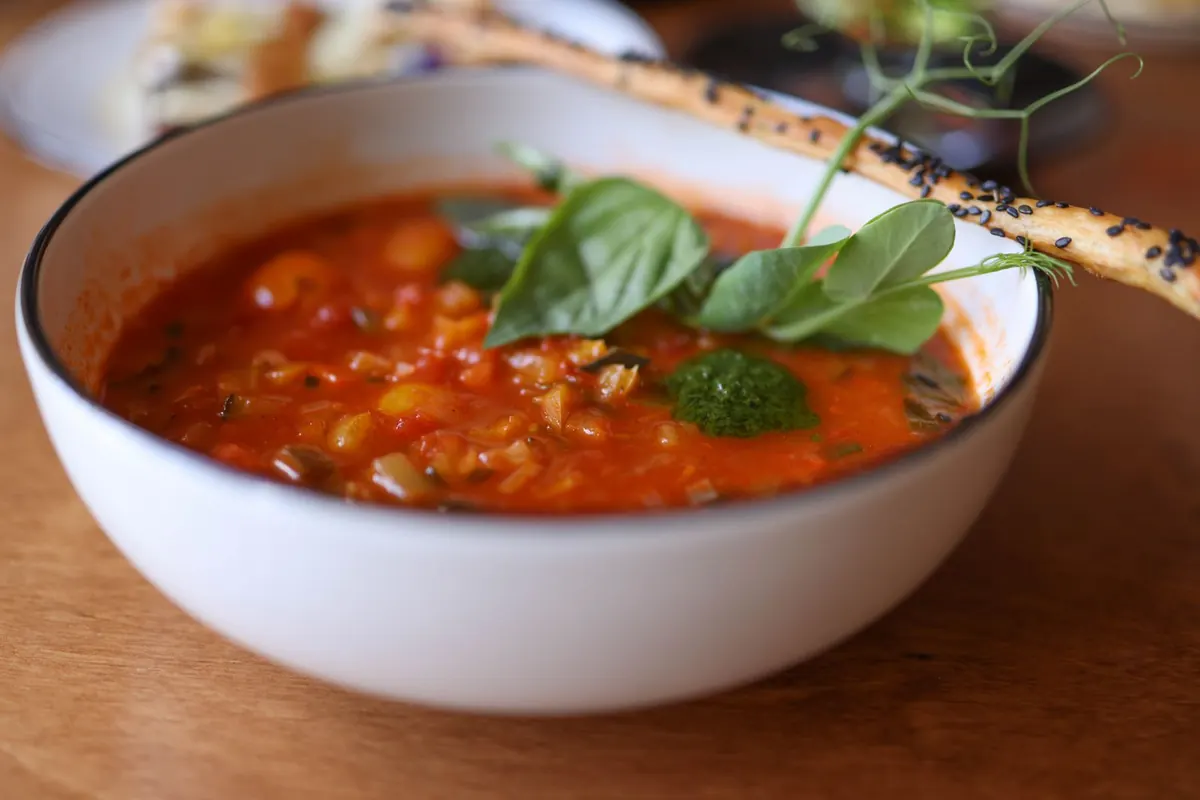
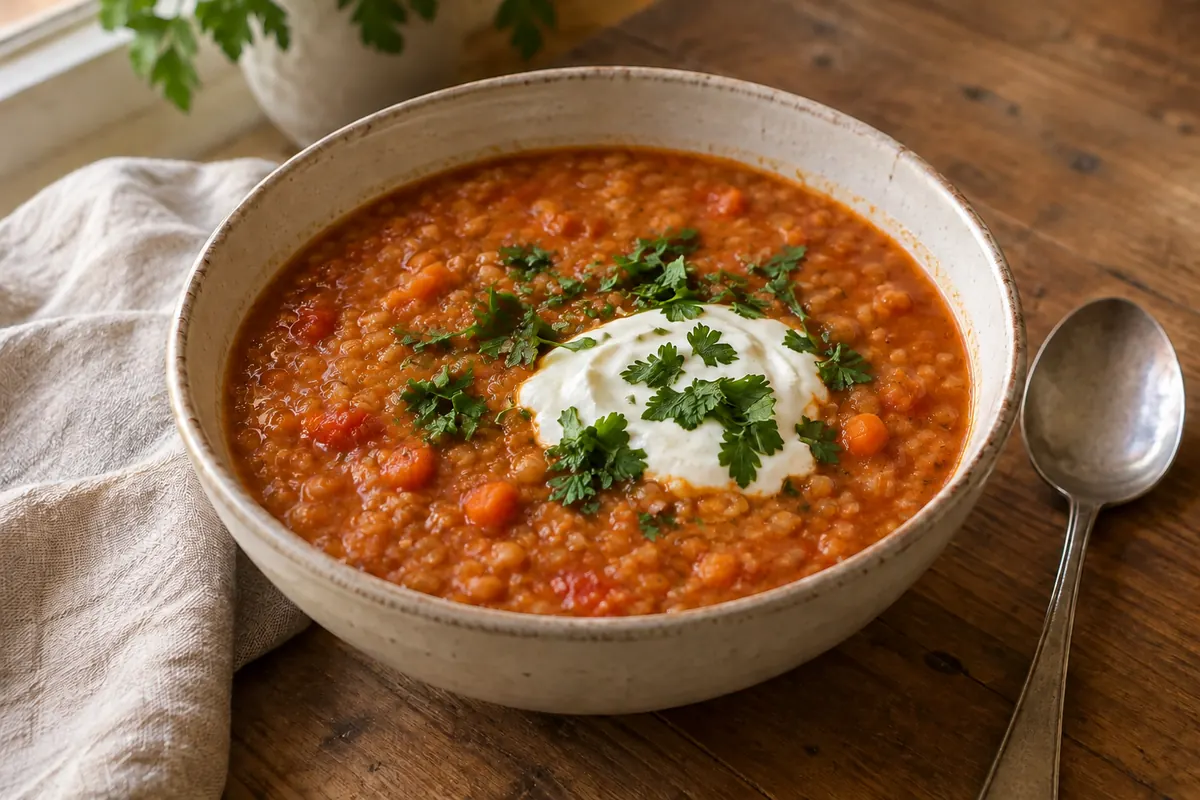
Red lentils thicken a tomato broth into a steady, warming supper without a blender.
A wet dough, a night in the refrigerator, and generous olive oil make a bread built for tearing at the table.
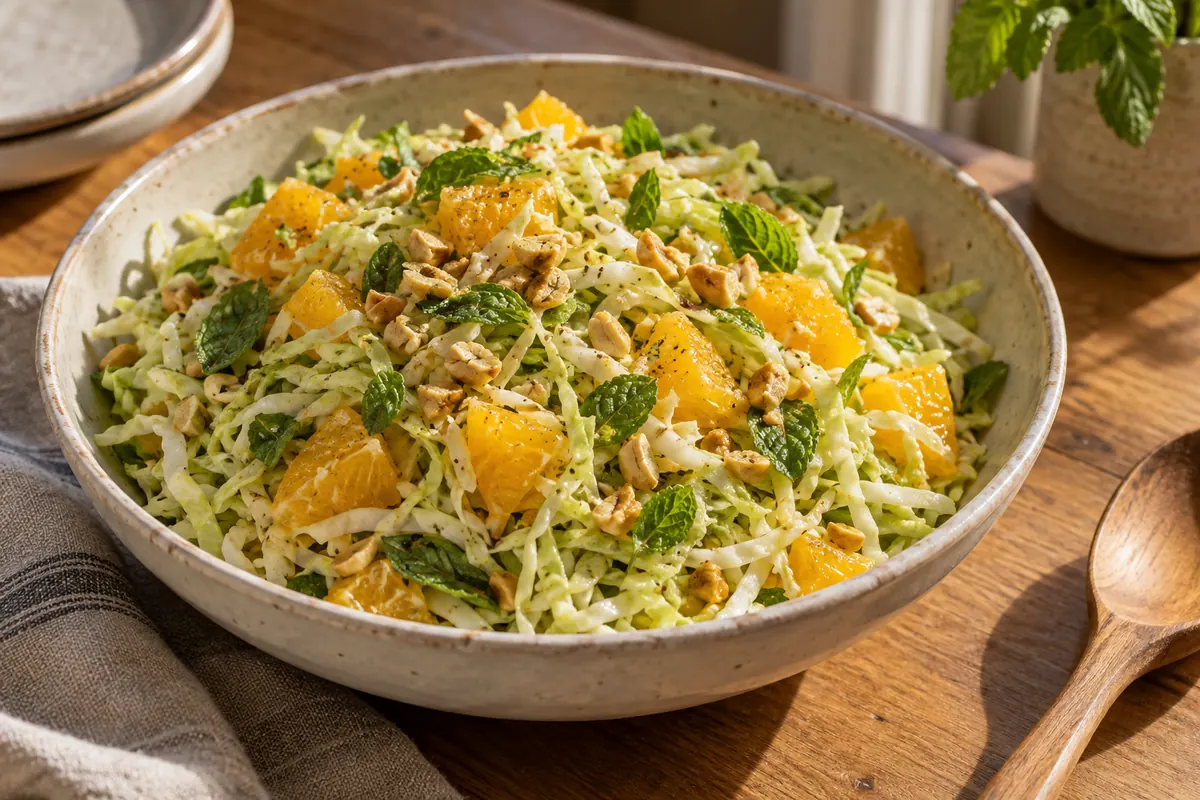
Thin cabbage, juicy orange pieces, and a lime dressing make a useful side for rich, warm food.
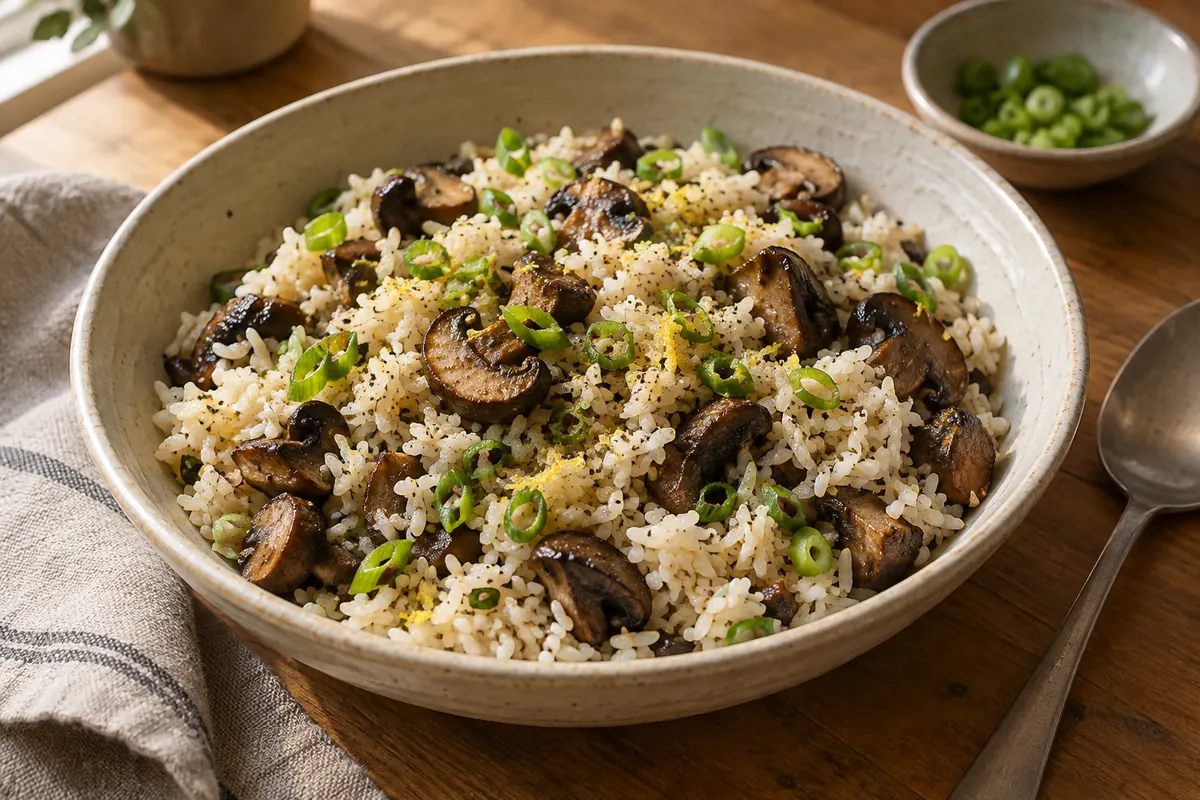
Roast the mushrooms on their own while the rice cooks, then bring the two together with butter and scallions.
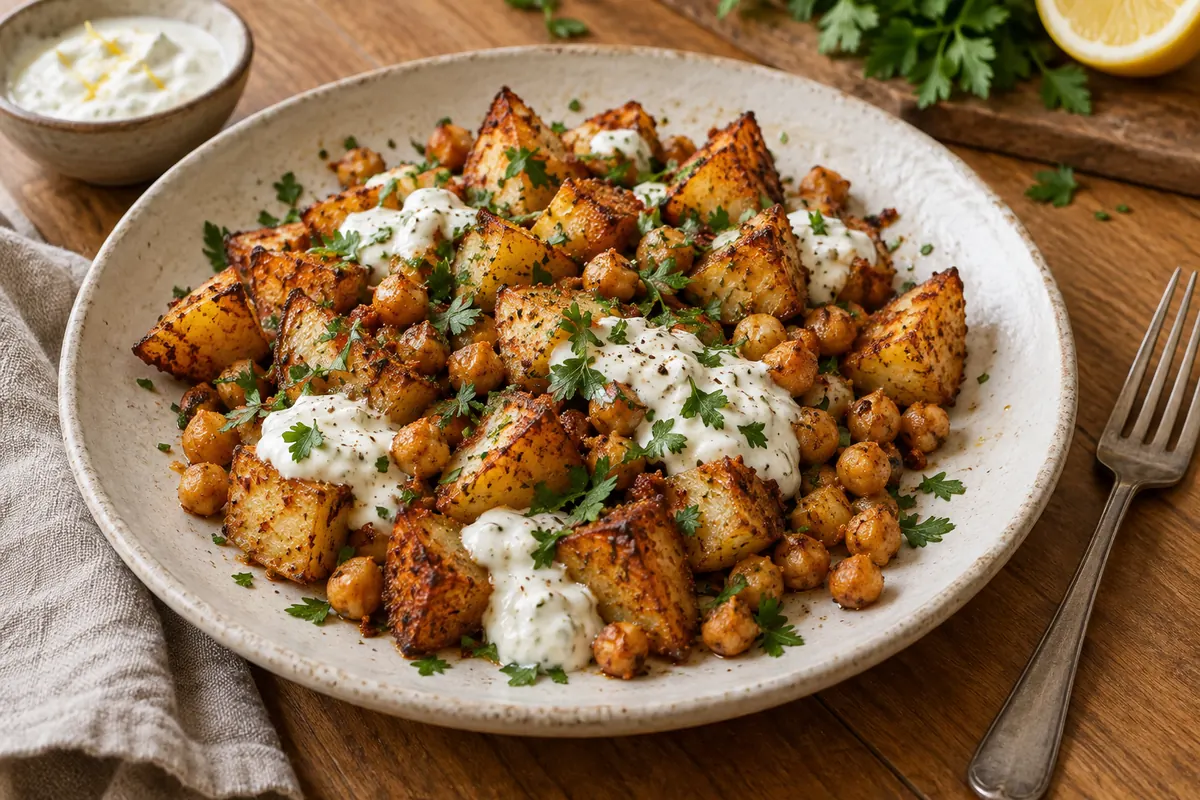
A tray of browned potatoes and chickpeas becomes dinner with a cool sauce and something green alongside.
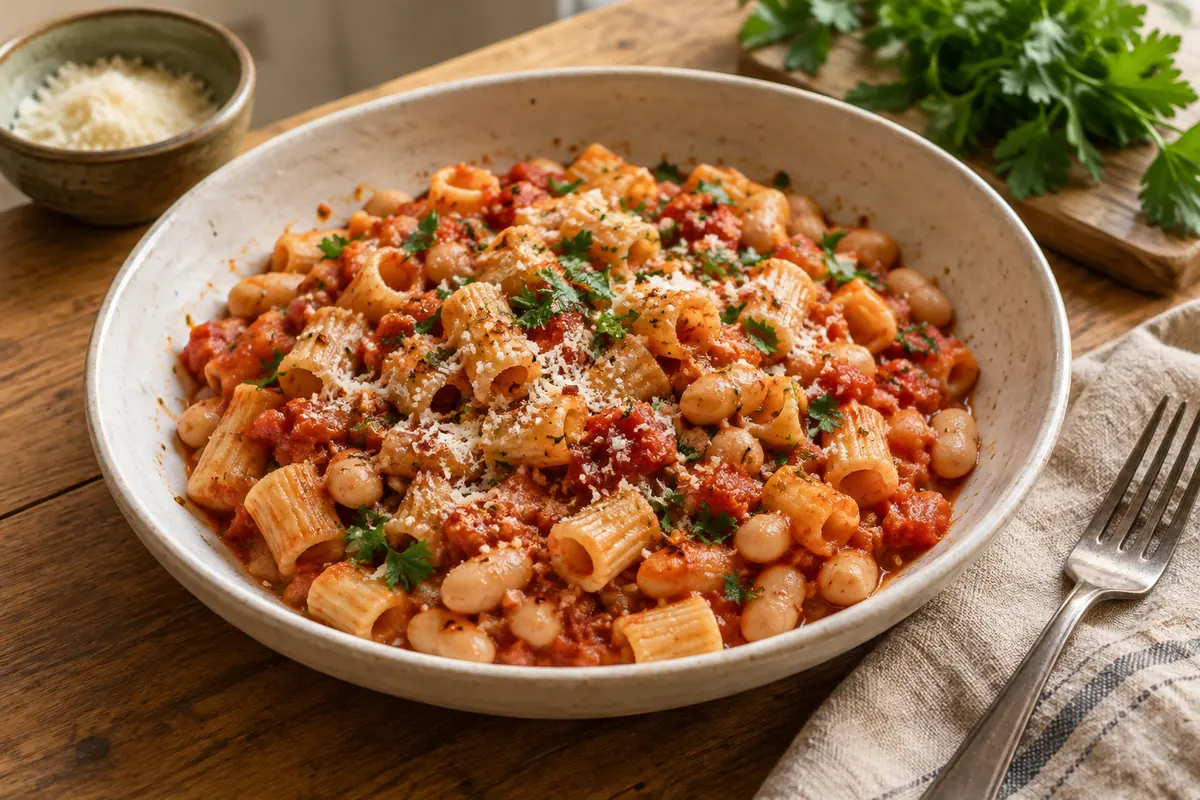
Crushed tomatoes and white beans make a thick sauce that catches in short pasta shapes.
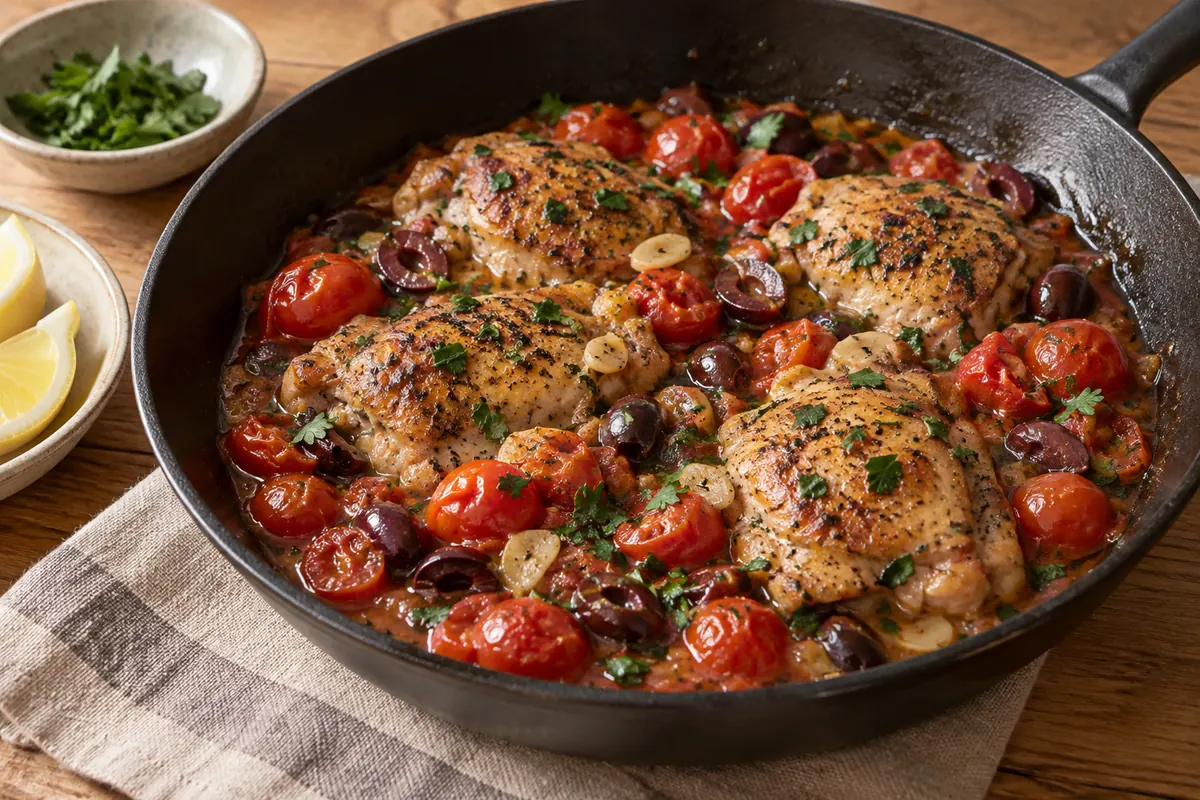
Cherry tomatoes soften around chicken thighs, with olives and a little lemon to sharpen the pan juices.
Look at the liquid in the skillet before reaching for more heat. Space can solve a problem the burner cannot.
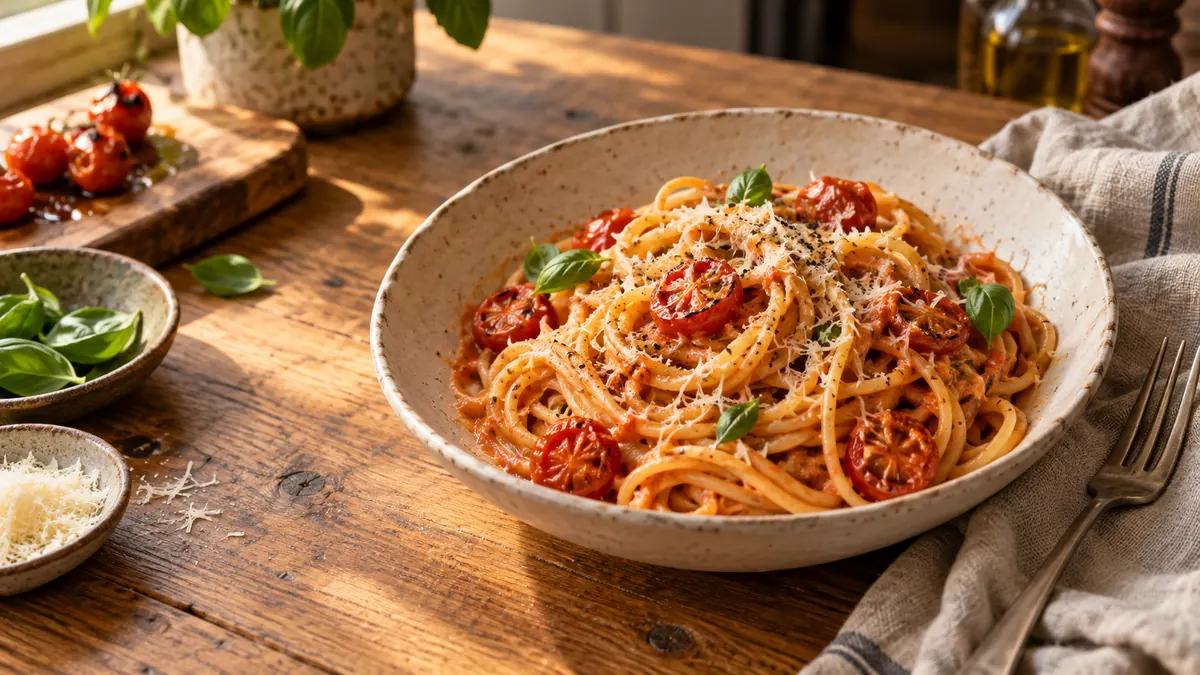
Save a cup of cooking water, move the pasta early, and watch the sauce coat the noodles in the skillet.
Spacing, cut size, and the underside of a vegetable tell you more than a timer alone.
A small method for deciding whether dinner needs salt, acid, fat, or simply another minute.
Plan for a proper boil, then let the beans take the time they need. Save their broth for the next meal.
A pale pancake and a scorched pancake are both information. Read the first one before pouring the next batch.
Whole, diced, crushed, and paste each solve a different cooking problem. Start with the texture you want.
A small guide to cannellini, great northern, and navy beans, with the dish doing the choosing.
Zest, juice, and pieces of fruit have different jobs. A little planning keeps all three useful.
Stock ingredients that share work across several meals, then buy the fresh part you actually want to eat.
Start with usable cooking space, weight, and your stove. The material comes after those everyday questions.
A sturdy rimmed tray can roast vegetables, bake cookies, and catch spills. Check its actual dimensions before choosing.
Look for a readable display and a probe that reaches the center of the food. Then learn where to put it.
A clear display and a dependable zero button matter more than a long menu of modes.
A strand, a tube, and a little shell pick up dinner differently. Match the shape to the pieces in the sauce before opening the box.
Kombu, bonito flakes, and dried mushrooms bring different flavors to a broth. Buy for the dish you want to cook, then read the label closely.
Cornmeal, masa harina, and a bag of dried chiles solve different cooking problems. A little label reading prevents a disappointing substitution.
Read an Indian recipe's sequence before gathering the jars. A cumin seed at the beginning and ground cumin later are different decisions.
A hot pan leaves little time for chopping. Group the vegetables, mix the sauce, and give the stove a clear sequence.
Fish sauce, tamarind, lime, and palm sugar have specific jobs. Start with a recipe, then learn the products that give it its character.
Two kinds of sourness can lead a meal in different directions. Learn the bottle or packet a recipe calls for before making a substitution.
The peas may be beans, and the coconut milk is part of the cooking liquid. Read the recipe before choosing a bag of rice.
Fish, rice, vegetables, and the way a meal is shared belong together. Learn a named culinary tradition before borrowing its ingredients.
A fragrant flatbread is an introduction to a living tradition. Start with the dough and topping a particular cook describes.
Texture and variety matter before the sauce goes on. Shop for the potato a recipe needs, then learn the preparation around it.
Finger lime and lemon myrtle are specific ingredients with their own uses. Buy responsibly, ask how to prepare them, and keep their origins in view.
Learn the Costa Rican breakfast dish through a specific recipe, then pay attention to the beans, broth, and seasoning it asks for.
Sticky dough is not always a measuring mistake. Check the flour, the recipe's water level, and the rest it asks for before changing the balance.
Two heat zones let you brown food and finish it more gently. Plan the cooler space before the first piece reaches the grate.
The number on a circulator is only part of the plan. Choose a validated schedule that accounts for the food and its thickest part.
The programmed cooking time leaves out two important stages. Check the minimum liquid, fill limit, and release method before sealing the lid.
A small batch and a well-timed turn can improve uneven browning. The drawer's volume is not the same as its useful cooking surface.
The oil temperature changes as food goes in and comes out. Prepare a small batch, a safe landing place, and the next temperature check.
Make the ingredient stable, give your hands room, and choose a cut that fits dinner. Speed comes after control.
Shallow portions and a clear date are useful before the fridge door closes. Keep the original cooking date when leftovers become another meal.
Choose a suitable cut, use the recipe's liquid level, and inspect tenderness separately from surface color.
A pantry-stable jar depends on a complete, validated process. Ingredient swaps and familiar-looking lids do not prove that a preserve is safe.
Check the species, condition, portion size, and thawing plan. A well-chosen frozen fillet can be more practical than a vague promise of freshness.
A quick skillet dinner and a slow braise need different cuts. Read past the price and the word steak to the part of the animal.
A loose yogurt, a thick strained one, and ricotta bring different amounts of moisture to dinner. Read the recipe before making the swap.
Flour names describe useful differences, but they vary between brands and markets. Keep the type and the weight in your baking notes.
Buy for the meals you cook, keep steam out of the jars, and grind whole spices when the recipe benefits from them.
Flavor, refinement, storage, and the cooking method matter more than a single ranking of oils. Buy bottles you can use while they taste good.
Egg size, separation, and safe handling are small details with real consequences. Put a clean bowl and the recipe's next step within reach.
Read the chocolate percentage and the cocoa type before starting. Sweetness, fat, and the recipe's leavening all belong in the decision.
Measure what goes in, record the water and time, then change one thing. New equipment is easier to judge when the cup has a clear starting point.
Who grows, prepares, teaches, and shares a dish is part of its story. Read cultural sources alongside the cooking method.
Maxwell and Tekka offer starting points for learning about food and community. Check current closures, then leave room to look and listen.
Choose a cooking method, leave room for what looks good, and account for the journey home. A basket needs a meal more than a photograph.
Look at cooking methods, portion structure, and current details before ordering. A useful choice does not require a ranking of every dish.
Roasted aromas tell you something the color alone cannot. Learn the difference between building flavor and burning the bottom of the pan.
A rising dough is doing more than getting bigger. Watch the recipe's texture and volume cues while keeping the room's conditions in mind.
The 10.25-inch Lodge and 12-inch Victoria suit different dinners. Their extra handle matters almost as much as the cooking surface.
Two useful baking-sheet designs, with different cleaning rules and temperature limits. Measure the oven before choosing either.
Both offer an 11-pound capacity and whole-gram readings. The useful difference is what happens when a mixing bowl covers the display.
A compact foldable probe or a backlit display? Published speed claims need careful reading before they become a buying argument.
Two 8-inch chef knives with practical synthetic handles. Grip and board space deserve more attention than a list of superlatives.
Three cups for a sauce, ten cups and a disc for shredded vegetables. Choose around the task you repeat.
Variable speeds and a tamper meet a larger pitcher for cold drinks. Hot-liquid guidance makes this comparison especially clear.
An immersion and press routine or a pour-over cone. The better fit depends on how involved you want the morning pour to be.
Two conical burr grinders for a filter-coffee routine, with different controls. More dial numbers do not automatically mean a better cup.
Pressure cooking and air frying are different jobs. A counter-space decision starts with the dinners you already make.
The fuel load and grill size decide this purchase. A smaller chimney is useful when a full-size fire is unnecessary.
Five matching plastic containers meet nine glass containers in several sizes. The right set depends on the leftovers in your fridge.
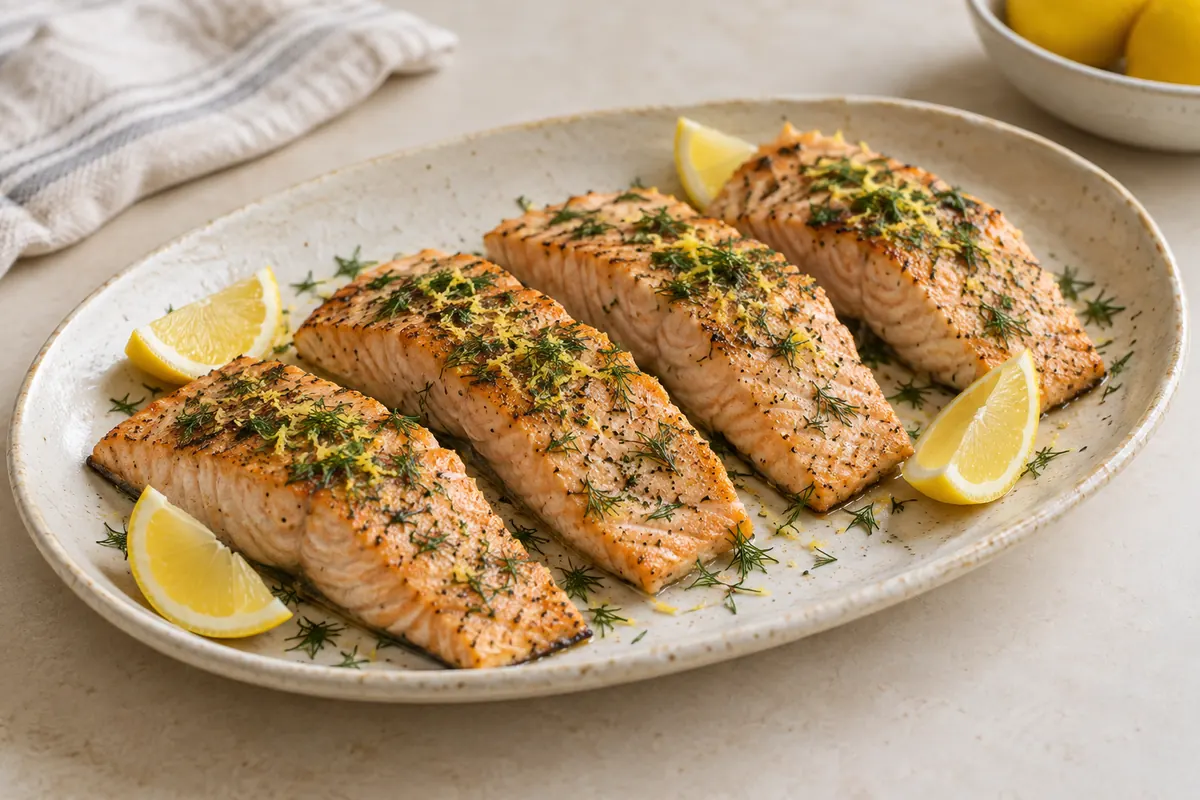
A shallow tray, a little olive oil, and dill added at the end keep the focus on the salmon.
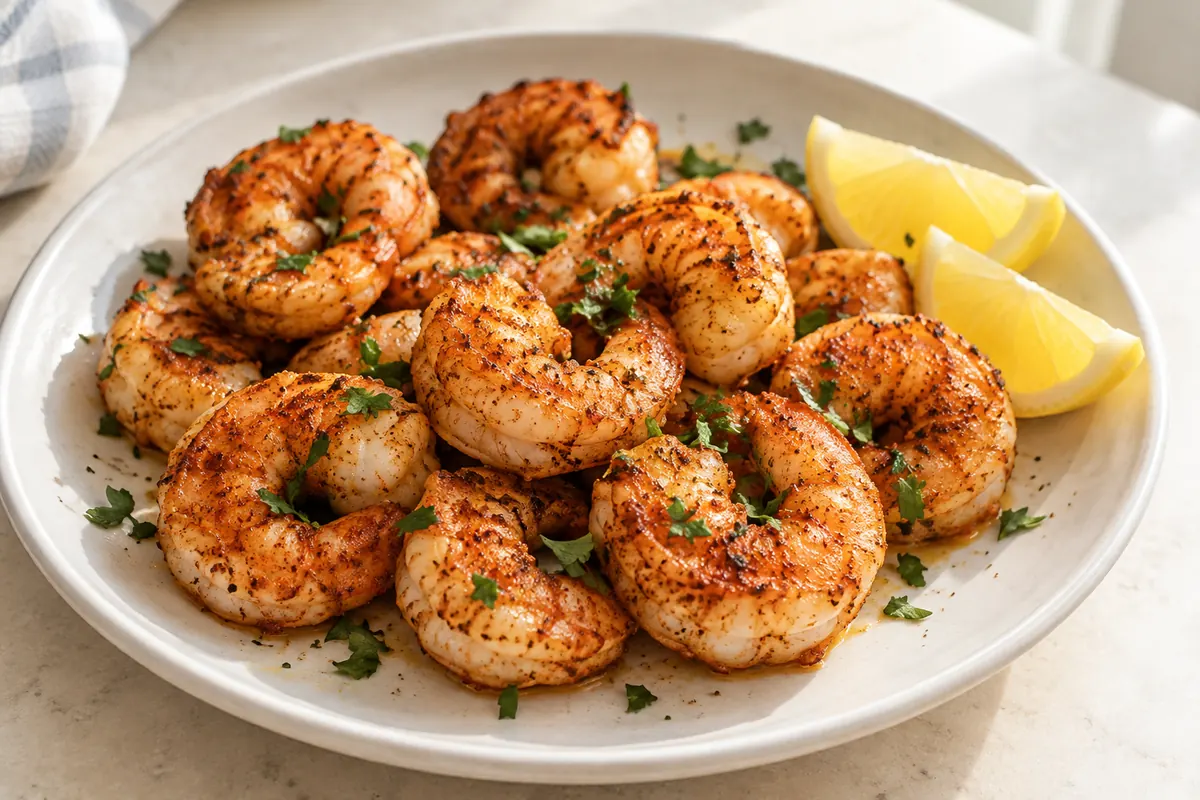
Paprika coats the shrimp, a short cooking time keeps dinner moving, and lemon waits until the basket comes out.
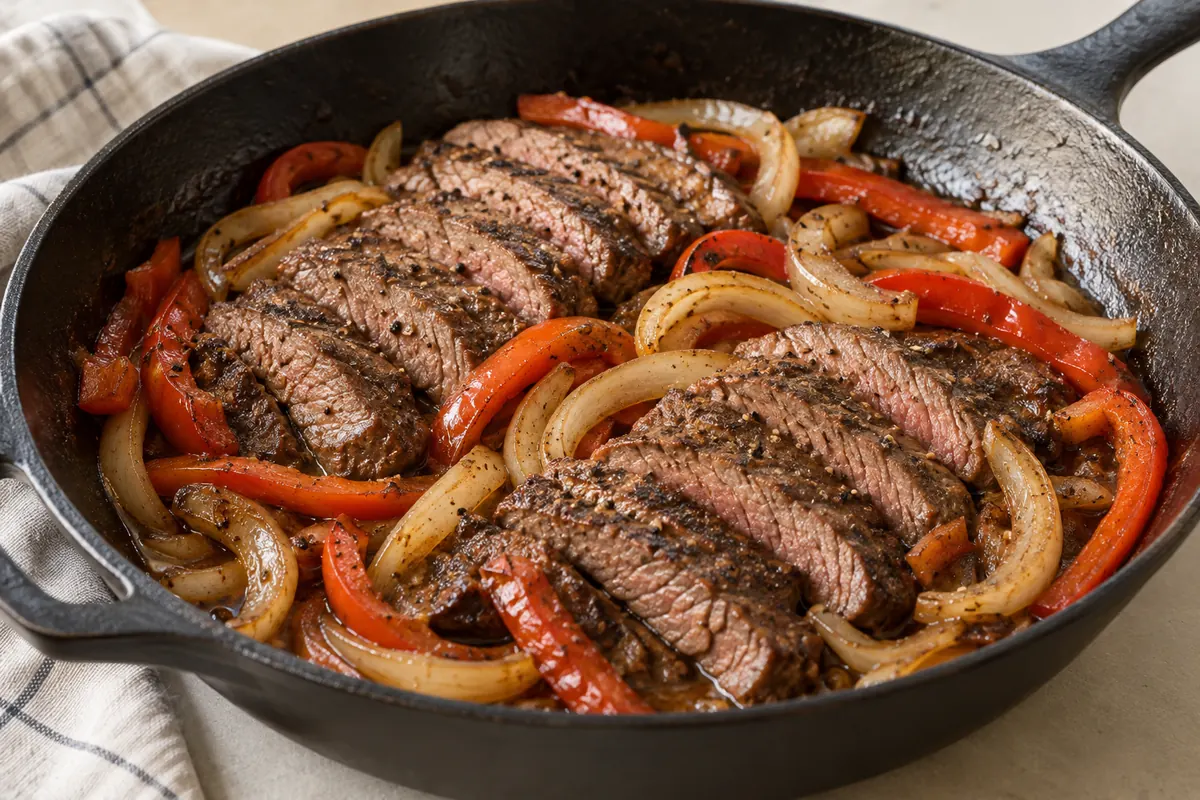
Brown a pair of sirloin steaks, let them rest, and use the same skillet for onions and sweet pepper.
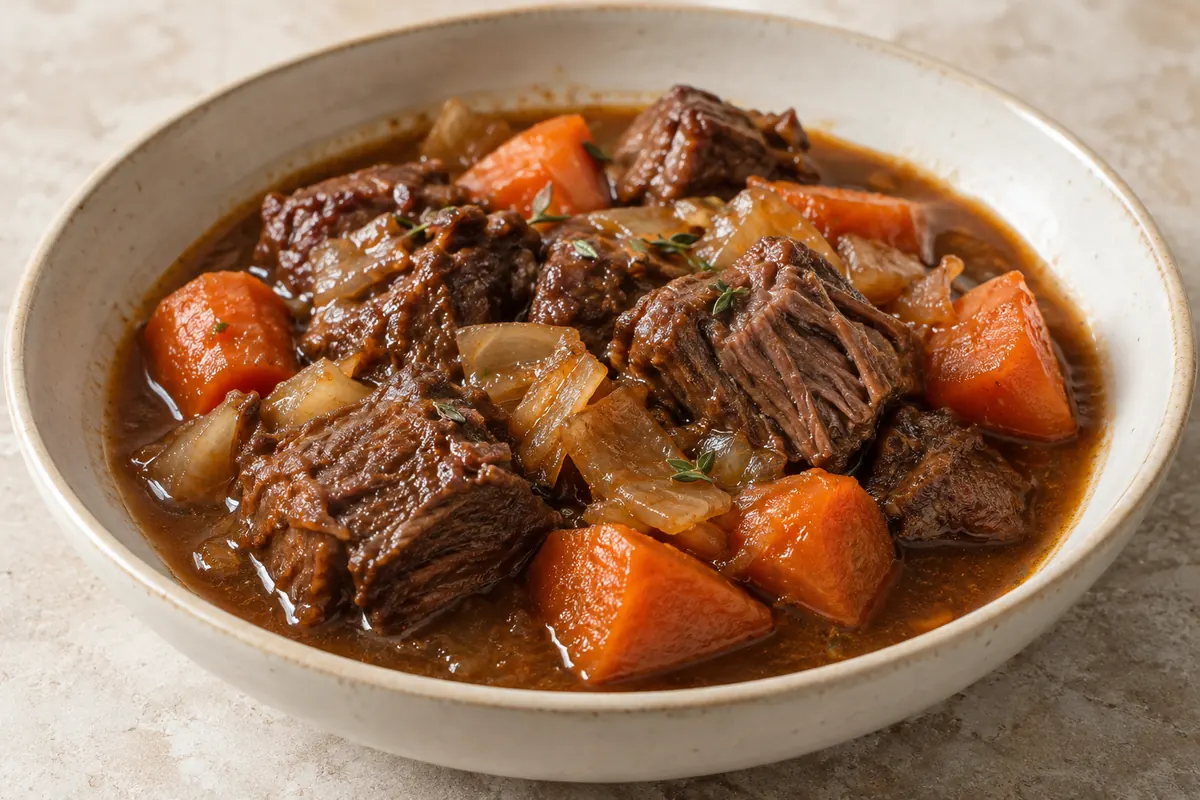
Beef chuck, a modest pour of apple cider, and thick pieces of carrot make an unhurried pot of dinner.
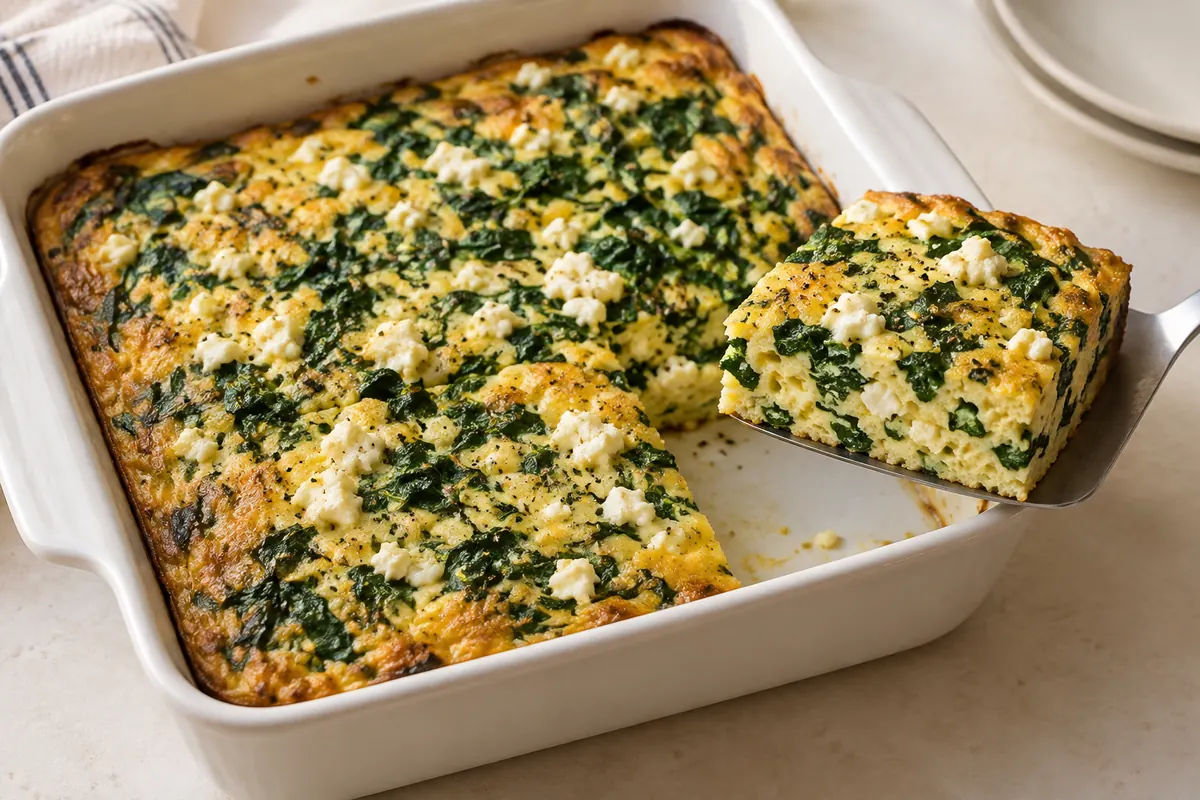
Squeeze the spinach, whisk the eggs, and give the feta room to season the whole dish.
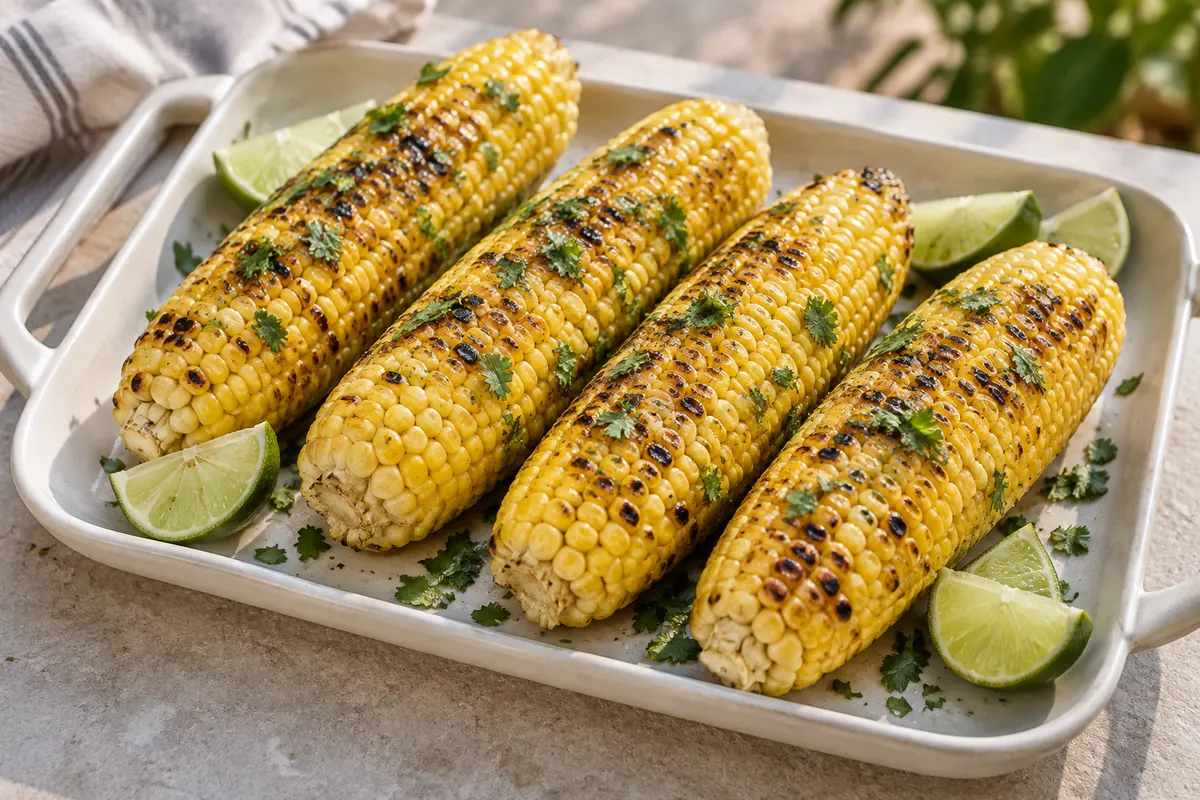
Turn the corn until the kernels pick up color, then brush on lime and a small handful of chopped cilantro.
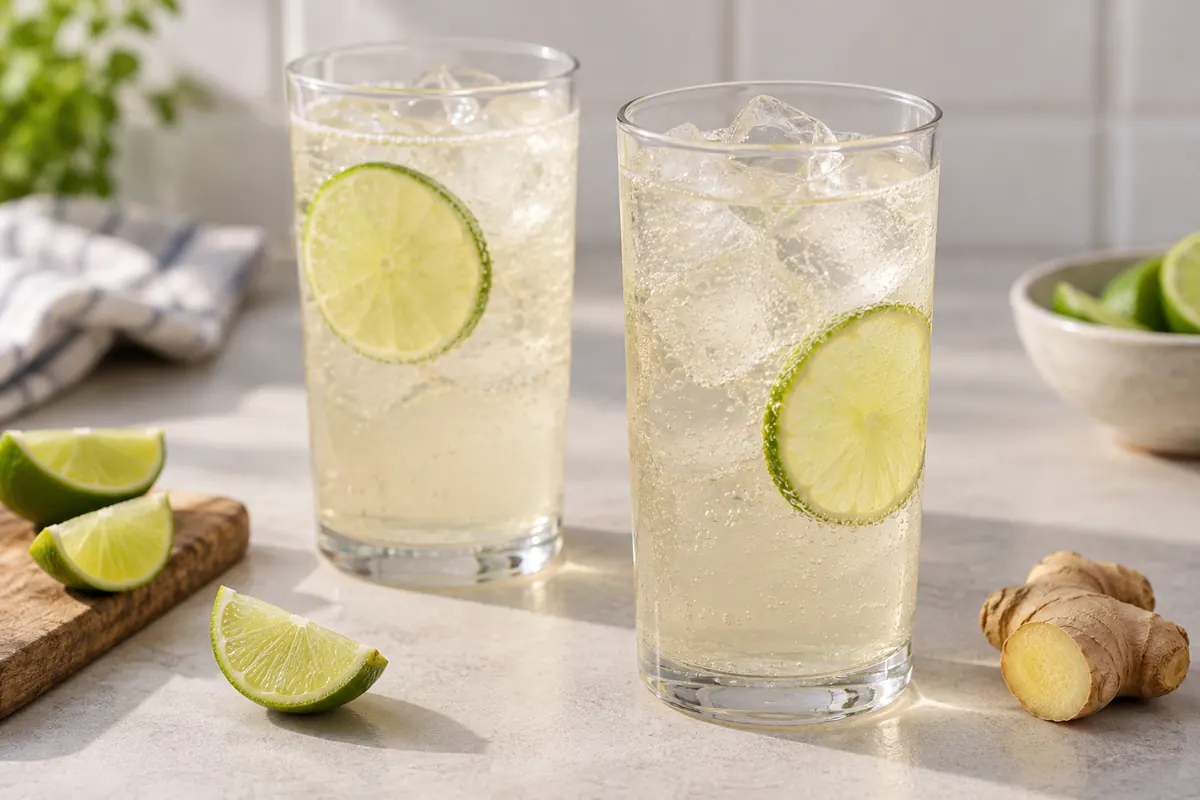
Fresh ginger goes into a quick syrup; cold sparkling water and lime turn it into a bright afternoon drink.
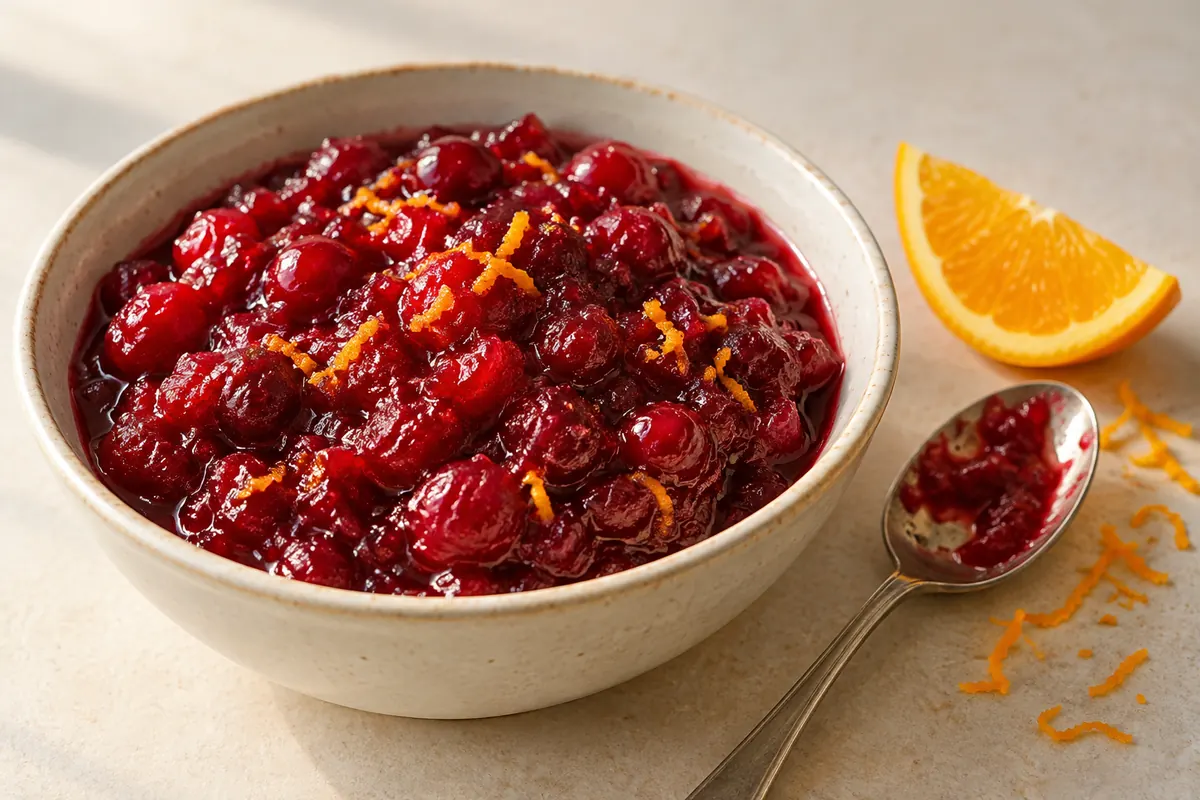
Whole cranberries soften into a loose, tart sauce with orange zest and enough sugar to take the edge off.
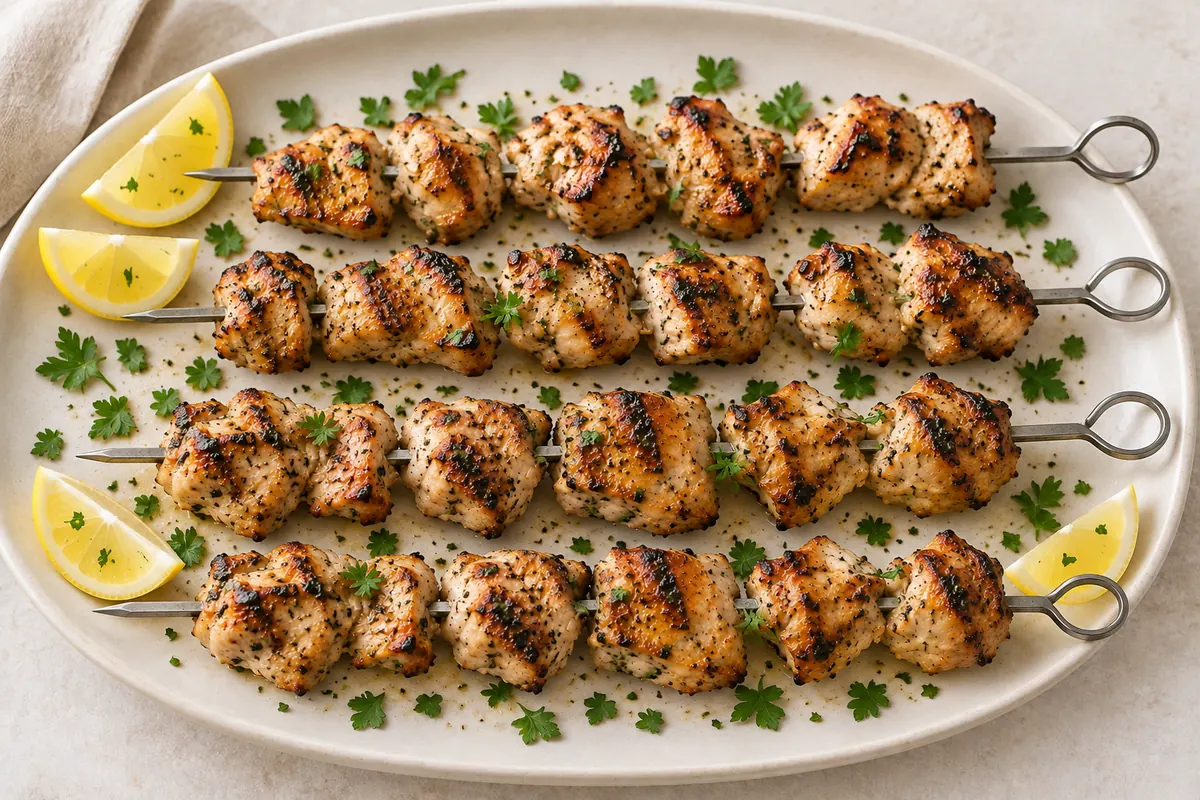
Small pieces of chicken thigh, garlic, and lemon cook over a hot grill, with a cooler spot ready for the finish.
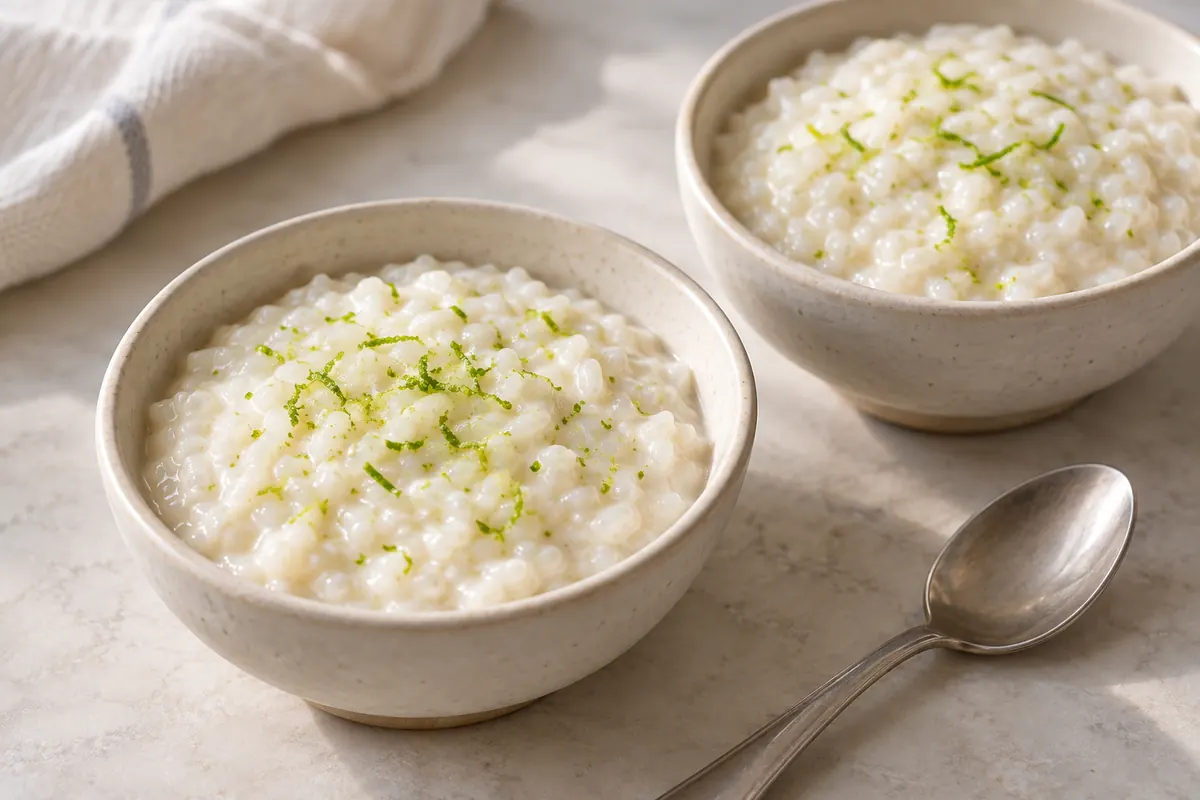
A gentle simmer softens short-grain rice into a coconut pudding, with lime zest added after the heat.
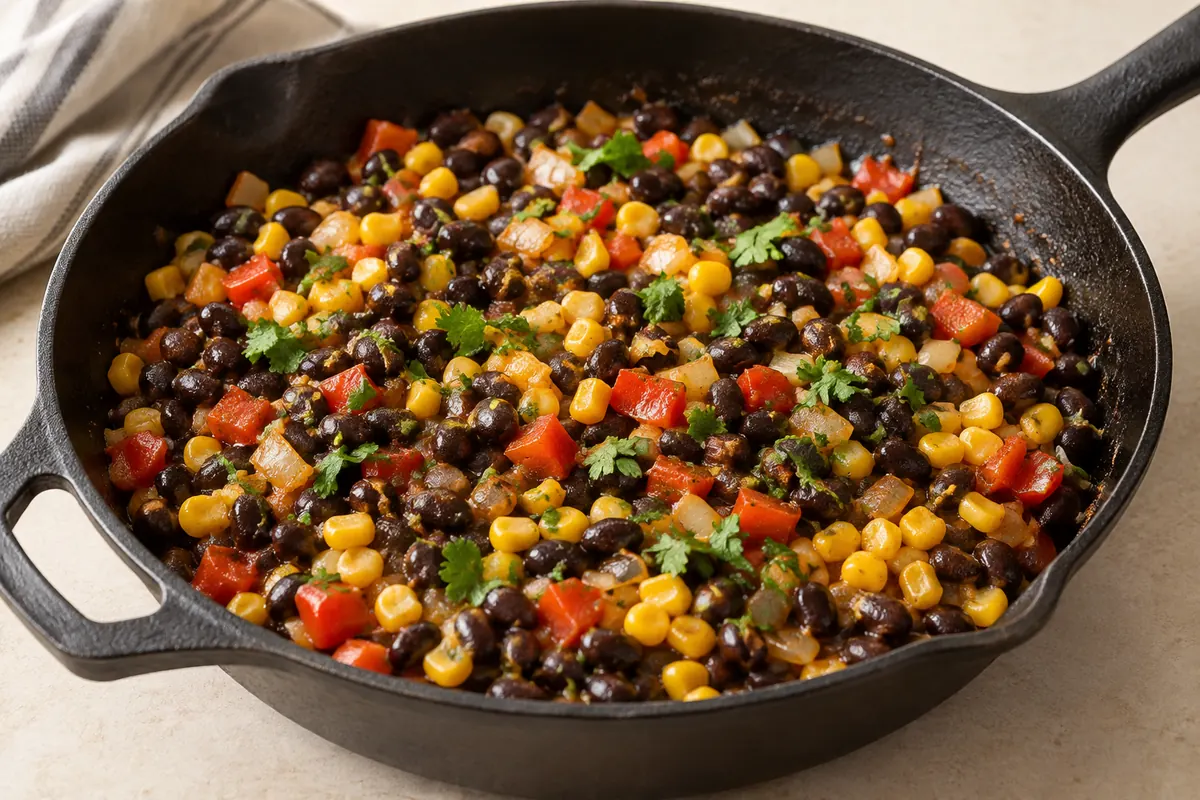
Warm beans, corn, and red pepper make a quick skillet meal; lime and cilantro come in at the end.
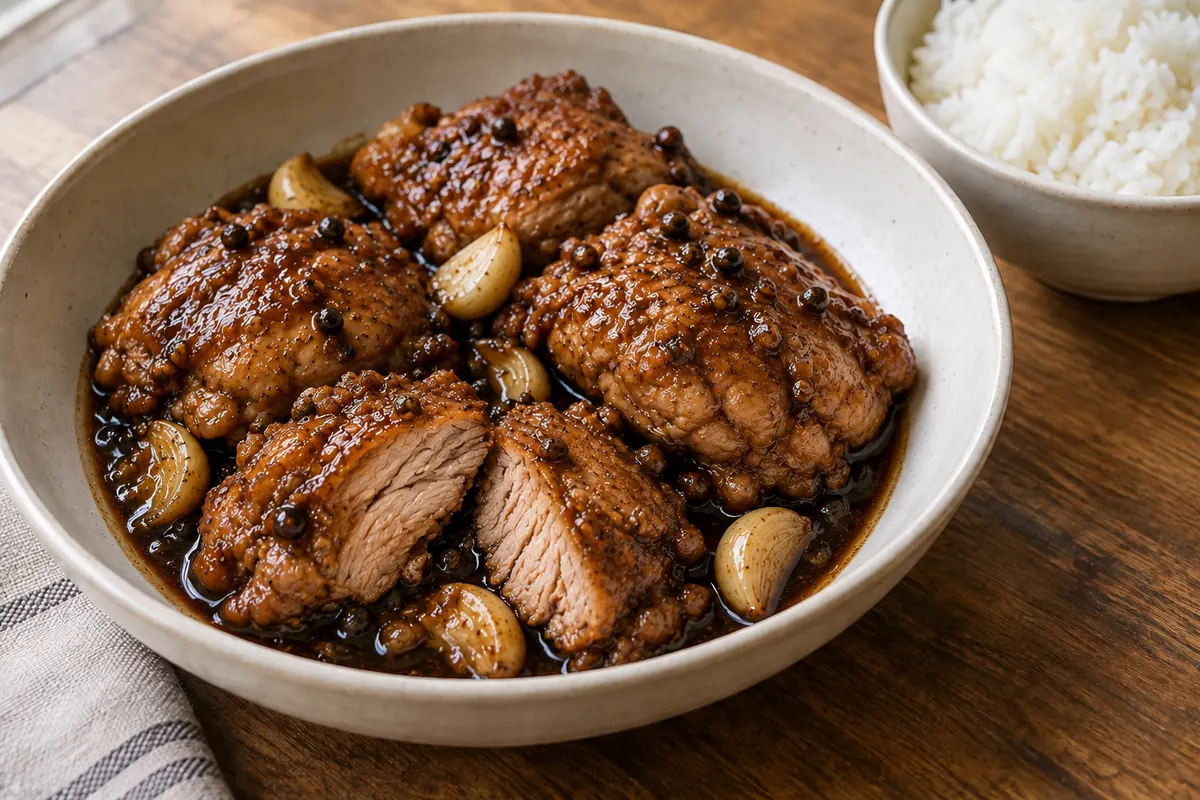
A boneless-thigh variation on chicken adobo, with vinegar, soy sauce, garlic, bay, and a sauce reduced before serving.
Build a short Manila food route around Ongpin and Carvajal, then choose portions that let the group keep exploring comfortably.
A public market puts ingredients, prepared food, and neighborhood history in one place. Decide whether you are shopping, eating, or doing a little of both.
San Juan Pugibet and La Merced are distinct starting points. Choose one area, learn a few ingredient names, and leave time for an actual meal.
Cheese, bread, produce, and prepared dishes offer different reasons to visit. Decide what you can use before filling a bag.
Tsukiji's outer market and the wholesale market at Toyosu are different places. Decide between food shopping, a meal, and observing a working market.
The covered hall and nearby outdoor market offer different shopping rhythms. Build a meal from a few ingredients, then check today's details before leaving.
Surquillo offers an entry point to Peruvian ingredients. Find the correct market, ask about a preparation, and keep cold storage in the plan.
The square is a social and cultural space as well as a place to eat. Learn a few dish names, check the menu, and keep the route manageable.
A calm pan of liquid protects delicate fish from rough handling. Thickness and a thermometer decide the finish.
Thawed ingredients, the right recipe, and a lid left in place matter more than an optimistic guess at a cooking time.
The smoker air and the center of the food need separate measurements. Smoke color and a dark crust cannot supply either one.
Raw eggs do not become safer because the mixture is frozen. Start with pasteurized ingredients and a complete, reliable base recipe.
Prepare the produce, choose ready-to-eat components, and save the dressing for the point when it helps.
Cut, drain, and mix before heating the pan. Small batches give the vegetables and the sauce different jobs.
Try fewer words or a different filter.
Keep a good thing close
Save the recipes you want to come back to. Your recipe box stays on this device.