Read a Pintxo Bar One Small Plate at a Time
Basque pintxos connect a focused bite with a social rhythm. Learn the difference between a displayed cold choice and a dish ordered hot.
Menus notes
How ingredients fit into a meal, why serving habits matter, and where to begin when learning a cooking tradition.
21 notes to explore
Basque pintxos connect a focused bite with a social rhythm. Learn the difference between a displayed cold choice and a dish ordered hot.
Food shares the table with toasts, attention, and the work of the tamada. Read the occasion before treating a supra as a fixed feast menu.
The small dishes belong alongside rice and the rest of the table. Learn their names and notice how preparation changes the next bite.
Fresh leaves can change a bowl or a wrapped bite as you eat. Start with the dish's own accompaniments and learn what each one contributes.
Small dishes can make a generous meal without arriving as one giant platter. Use regional names, contrasting preparations, and a manageable serving sequence.
The tangy bread is part of the bite and part of the meal's arrangement. Read the accompaniments, ingredients, and sharing customs together.
Valencian paella and Mar Menor caldero share an ingredient without sharing one formula. Start with place, stock, and the named preparation.
Idli and dosa offer a useful beginning, with many distinct forms beyond them. Learn the preparation before assuming that every batter follows the same path.
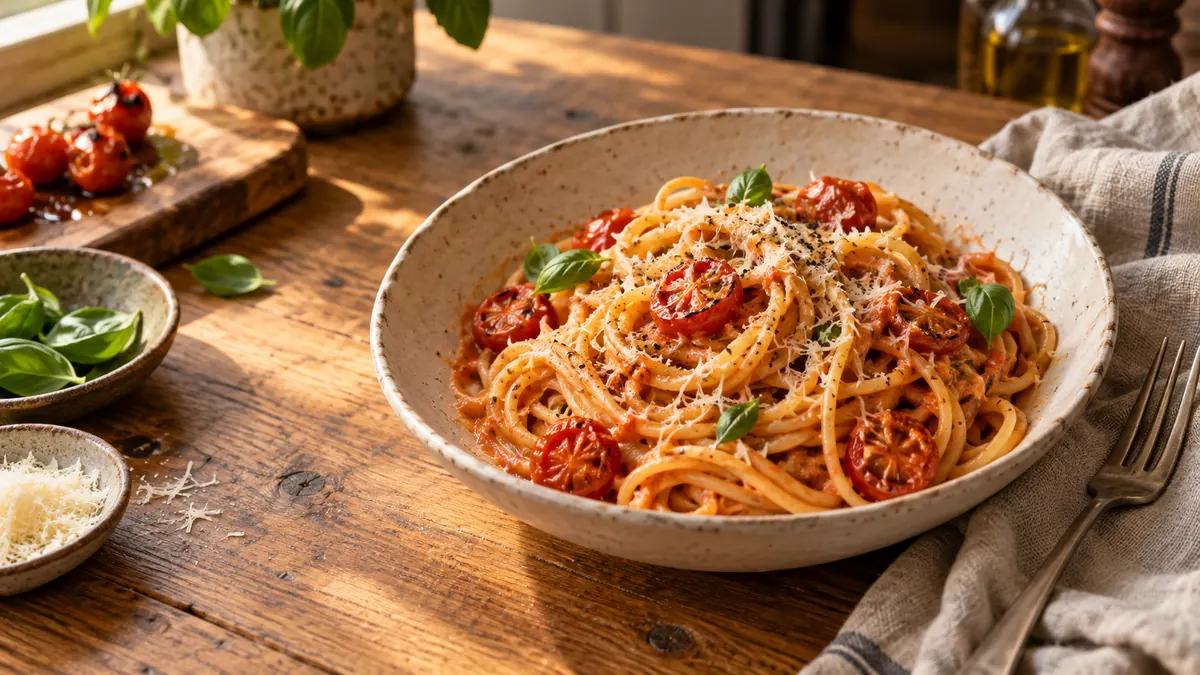
A strand, a tube, and a little shell pick up dinner differently. Match the shape to the pieces in the sauce before opening the box.
Kombu, bonito flakes, and dried mushrooms bring different flavors to a broth. Buy for the dish you want to cook, then read the label closely.
Cornmeal, masa harina, and a bag of dried chiles solve different cooking problems. A little label reading prevents a disappointing substitution.
Read an Indian recipe's sequence before gathering the jars. A cumin seed at the beginning and ground cumin later are different decisions.
A hot pan leaves little time for chopping. Group the vegetables, mix the sauce, and give the stove a clear sequence.
Fish sauce, tamarind, lime, and palm sugar have specific jobs. Start with a recipe, then learn the products that give it its character.
Two kinds of sourness can lead a meal in different directions. Learn the bottle or packet a recipe calls for before making a substitution.
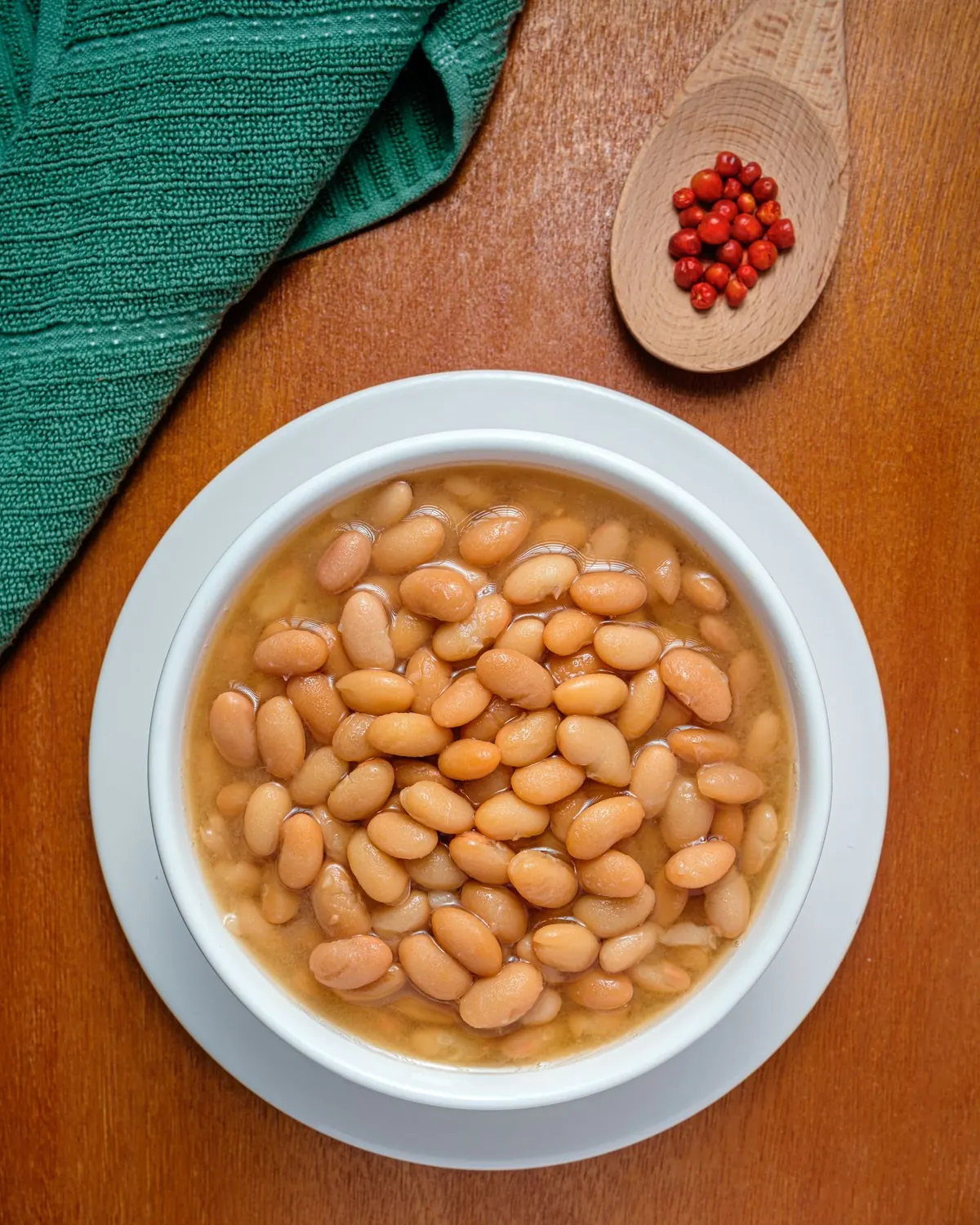
The peas may be beans, and the coconut milk is part of the cooking liquid. Read the recipe before choosing a bag of rice.
Fish, rice, vegetables, and the way a meal is shared belong together. Learn a named culinary tradition before borrowing its ingredients.
A fragrant flatbread is an introduction to a living tradition. Start with the dough and topping a particular cook describes.
Texture and variety matter before the sauce goes on. Shop for the potato a recipe needs, then learn the preparation around it.
Finger lime and lemon myrtle are specific ingredients with their own uses. Buy responsibly, ask how to prepare them, and keep their origins in view.
Learn the Costa Rican breakfast dish through a specific recipe, then pay attention to the beans, broth, and seasoning it asks for.
Keep a good thing close
Save the recipes you want to come back to. Your recipe box stays on this device.