Start with a recipe for the appliance
Use a recipe written for your cooker size, and read the manual for fill limits and settings. A wide range of appliances share the name slow cooker, while multicookers may include a slow-cook mode with their own instructions. Similar labels do not establish identical performance.
Prepare without leaving ingredients warm
USDA advises thawing meat and poultry before slow cooking and keeping prepared ingredients refrigerated until needed. If preparing the evening before, store the components safely instead of leaving a filled pot on the counter.
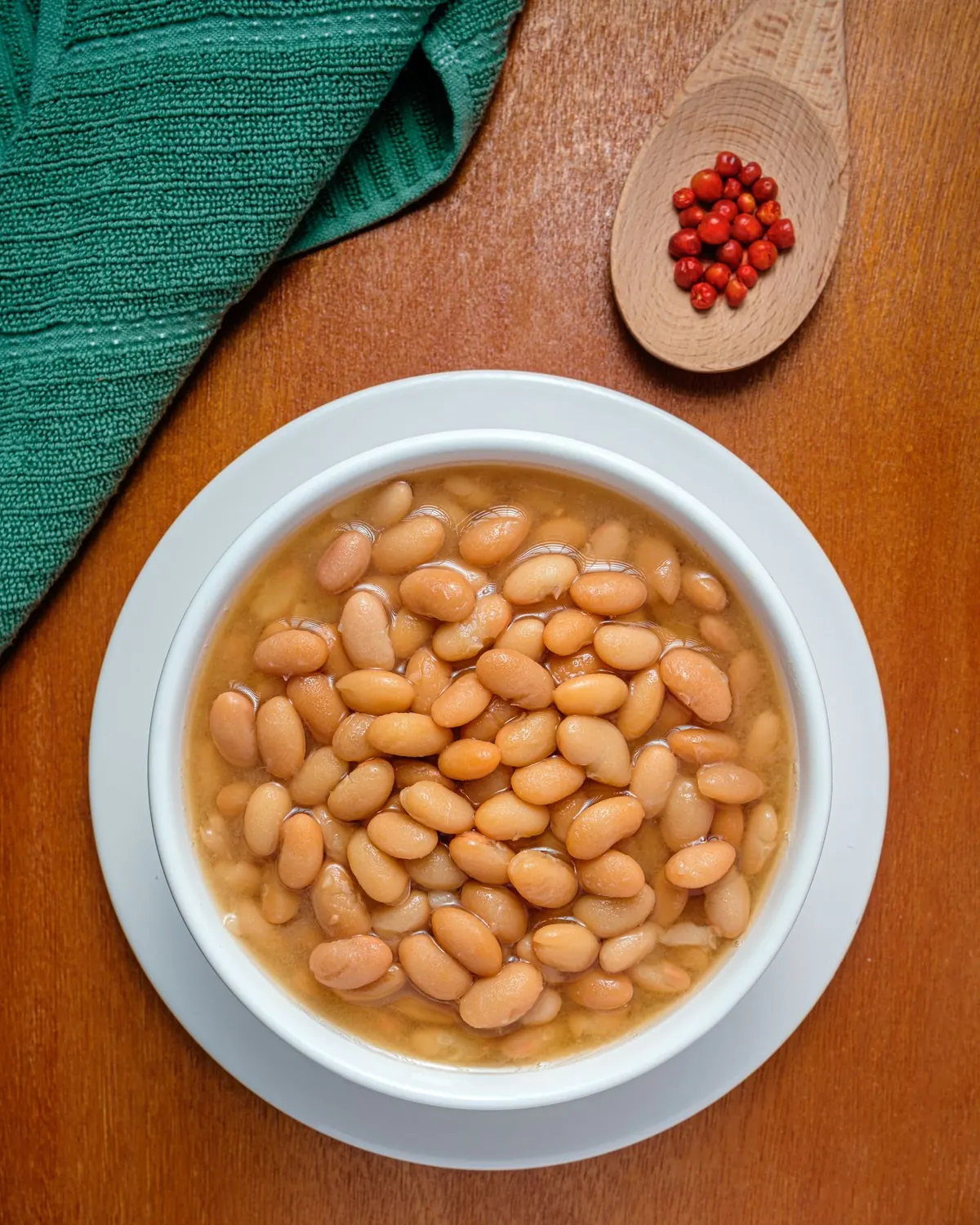
Use the ingredient sizes called for in the recipe. A large roast is a different heating task from evenly cut pieces. The pantry image is context for meal preparation, not permission to put uncooked dry beans directly into any slow-cooker dish; choose cooked canned beans or a separately validated bean preparation.
Put the slower vegetables where the recipe expects them
USDA advises putting vegetables in first because they can cook more slowly than meat and poultry. Use the recipe's cut size: large potato chunks and small ones need different cooking plans.
Add the prescribed liquid and begin cooking promptly. A dish can look wet while still heating unevenly around a tightly packed mass of food. Keep the amount of food within the manual's fill limits; do not use a longer cooking time to compensate for overfilling.
Leave the lid in place, then verify the food
Keep the lid on except for necessary stirring or a doneness check. Repeated openings give up heat and steam; wait until the planned checking point when curiosity is the only reason.
Use a thermometer to confirm the relevant safe food temperature, alongside texture cues for a stew or braise. The setting name and the elapsed time do not prove that the thickest part of the food is cooked. Follow the exact recipe and the current food temperature guidance linked below.
Plan for interruptions and leftovers
If electricity fails while you are away, USDA advises discarding the food even if it looks cooked. The interrupted heating is uncertain, and smell or a warm exterior cannot resolve that uncertainty.
Refrigerate leftovers promptly in shallow containers. USDA advises reheating them on a stove, in a microwave, or in an oven to 165 F (74 C). Use a slow cooker for appropriate later holding rather than bringing cold leftovers up to temperature.
Keep in mind
Do not use this guide as a dry-bean treatment, canning process, or substitute for the cooker manual.
Low and high settings need the recipe's own timing; do not invent a universal conversion.
Read the instructions for your slow cooker and follow a recipe designed for its capacity.