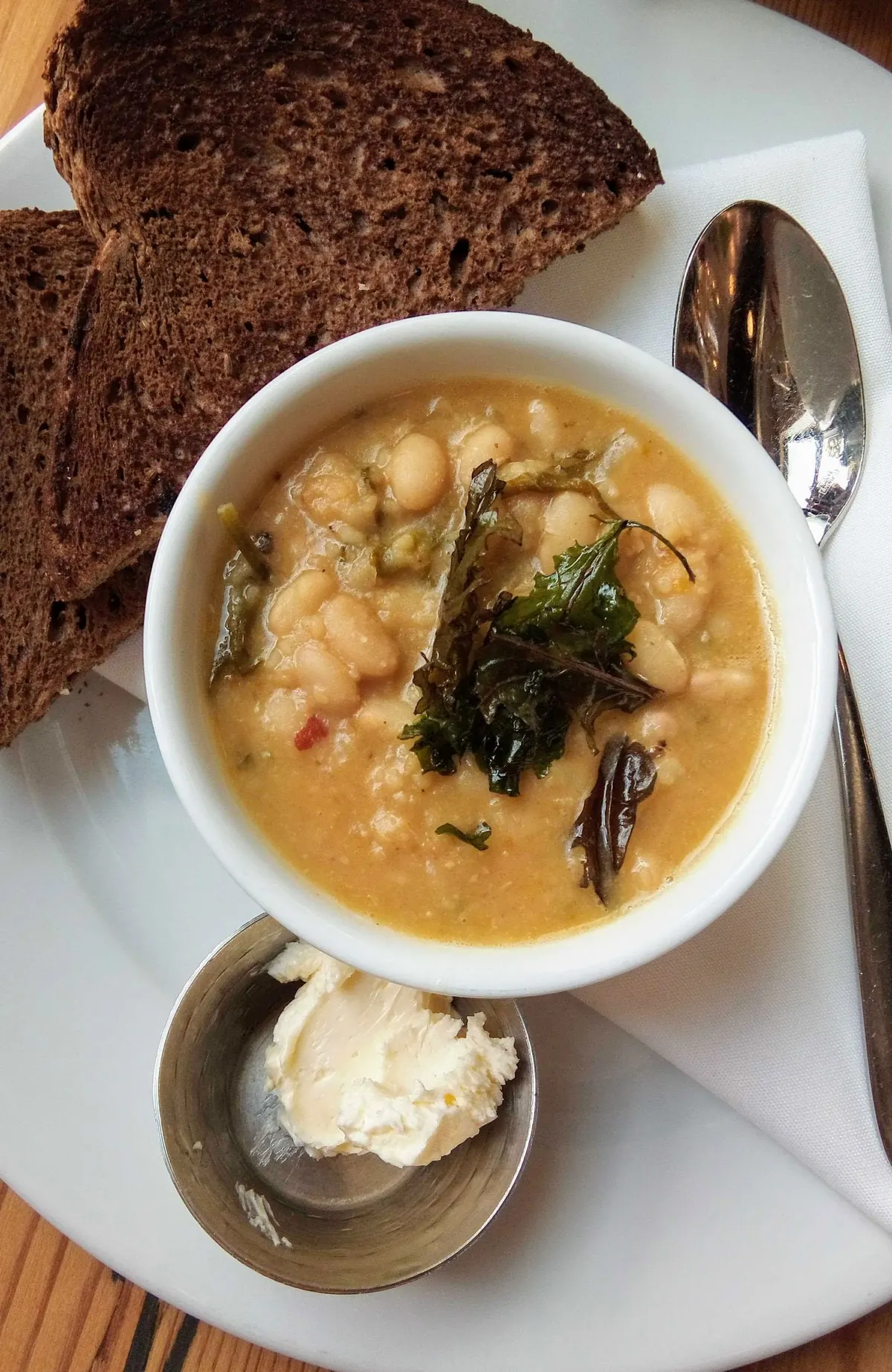
Notice the bread underneath and beside the food
That makes it useful to taste the bread as well as the accompaniments. Notice its flavor, softness, and the way it meets a stew. An account that names only what is placed on top leaves out a major part of the meal. Ask what grain or flour mixture was used when the ingredient details matter.
Put it to work
Useful tools, at a glance
Soups and braises in an enameled pot
Lodge Essential Enamel 6-quart Dutch Oven, Island Spice Red
Learn the accompaniments by name
The Ethiopian embassy in Belgium describes wat as stew and lists versions based on meats, vegetables, lentils, and split peas. It identifies berbere as a spice mixture used in this cooking. These names give a first-time diner a more precise vocabulary than sorting every portion by its color.
Ask for the names and a brief ingredient explanation when a combination platter arrives. A lentil preparation and a vegetable preparation can differ in seasoning and texture even when both are meat-free. Begin with a small bite of one dish and injera, then compare another so their separate characters remain clear.
Follow the sharing arrangement at this table
The embassy in Canada's description includes eating together from a large circular plate, with handwashing before the meal and the right hand used for eating. This explains a familiar shared-table format. The host or restaurant can show you how the particular meal in front of you is organized.
Wash your hands, take a manageable piece of bread, and follow that guidance without reaching through someone else's space. If you need an individual plate or utensils, explain the need courteously. Learning a communal custom should make participation easier; it does not require pretending that every diner's practical needs are identical.
Keep dietary questions specific
The Ethiopian embassy in Canada also describes meat-free fasting food in the context of Orthodox Christian observance. That gives a useful cultural lead, but a particular dish still needs an ingredient check. Ask about the bread and every sauce when avoiding an allergen, and clarify whether animal products are excluded in the preparation being served.
For a home introduction, purchase injera from an identified food supplier or follow a complete recipe from a knowledgeable source, then choose a manageable set of credited dishes. Label adaptations clearly and follow their storage instructions. Ethiopia contains many communities and food traditions, so one shared platter is a beginning for learning rather than a complete portrait of the country's cooking.
Keep in mind
Follow a complete injera recipe for flour proportions, fermentation, and cooking instructions.
Check the actual bread ingredients instead of assuming every injera is made from teff alone.