Ask what the oil is doing
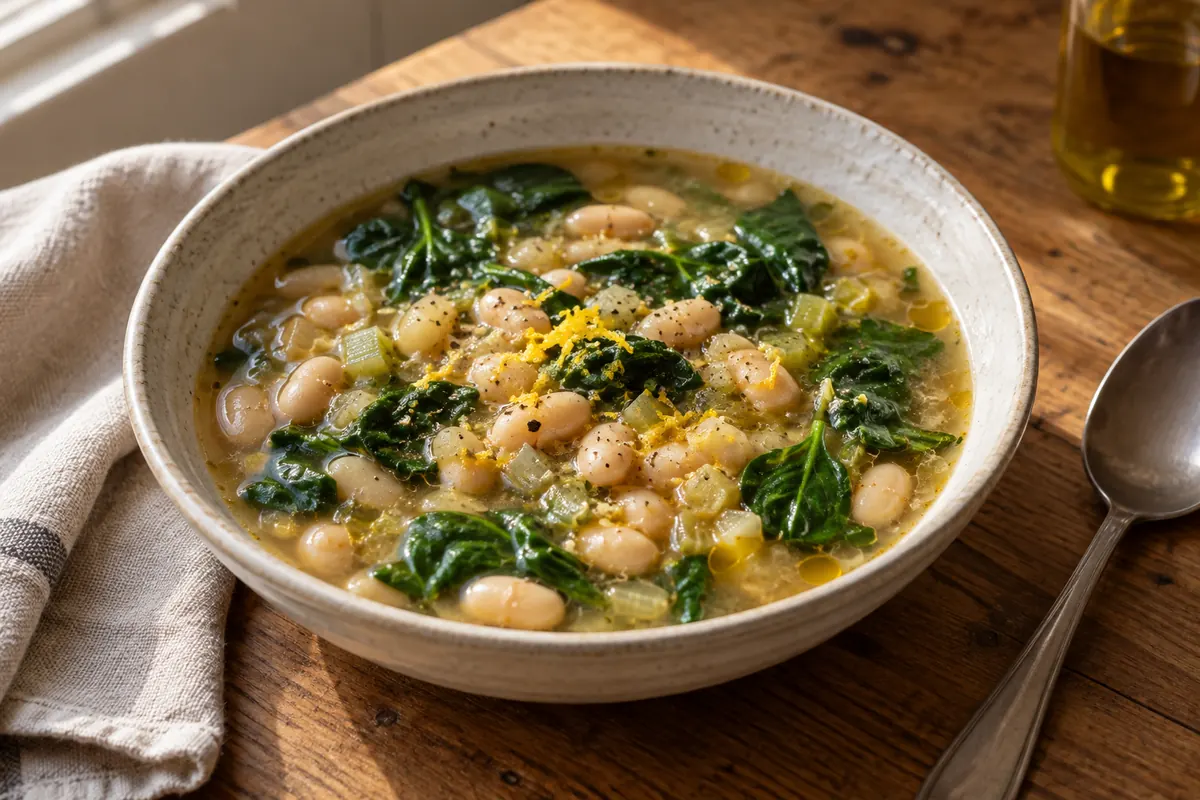
An assertive extra-virgin olive oil can be useful for finishing beans or dressing vegetables. A neutral oil may suit a dish where that aroma would compete. That is a flavor decision, not evidence that one oil is universally better than another.
Read beyond the headline smoke point
Refinement and the condition of an oil affect its behavior. UC Davis's olive-oil research explains that olive oil can be suitable for cooking, challenging the blanket claim that it should never be heated. Avoid treating one published smoke-point number as a promise for every bottle.
Follow the recipe and product guidance for frying or other sustained heat. If oil is smoking heavily or smells burnt, address the heat safely. Do not keep pushing the burner higher because a chart suggests the oil ought to tolerate it.
Keep the bottle manageable
Buy an amount that fits how often you cook. A large bottle used slowly is not always a saving if its flavor deteriorates before you finish it. Keep oil tightly closed and stored according to the label, away from unnecessary light and heat.
Write the opening date somewhere easy to see when you use several oils. Smell and taste a small suitable sample when checking flavor quality, but follow package dates and safety guidance too. A bottle near the burner may need a better storage spot more than a prettier dispenser.
Make the finish deliberate
Taste the dish before adding a final drizzle. A spoonful of flavorful oil can add aroma and richness to plain beans, but a dish already rich with butter or cream may need something else. Lemon, herbs, or a crisp topping can change the balance more usefully.
Keep finishing oils in small quantities until you know how you use them. If a bottle only serves one occasional salad, consider whether the same dish could use your regular oil plus a different herb or acid. Let the menu guide the shelf.
Keep in mind
Check allergens and the exact product when cooking for guests. Oils made from the same plant can have different processing and labeling.
Used frying oil needs appropriate handling. Follow the fryer and oil guidance rather than mixing indefinite batches together.