Zest before you cut the fruit
Zest brings the peel's aroma without adding much liquid. Add it to pancake batter, yogurt sauce, beans, and pasta. Start with the recipe's measured amount. A large heap can dominate a delicate dish even though it looks like a small ingredient.
Measure juice and choose a substitute
A squeeze is convenient at the table, but a tablespoon gives you a repeatable starting point in dressing. Juice into a small bowl and remove seeds. Lemons and limes vary, so one fruit is not a fixed volume.
Taste the food before pouring in the full amount. Tomatoes and yogurt may already provide acidity. Add part of the juice, stir, then taste a bite with the rice or bread that will share the plate.
Lime changes the aroma when it replaces lemon. Orange is sweeter and usually needs another acidic ingredient; vinegar adds sharpness without citrus fragrance. Begin with less and taste. Bottled juice can supply acidity. It cannot replace the fragrant peel oils in fresh zest, so a recipe calling for both will taste different.
Cut away pith when serving larger pieces
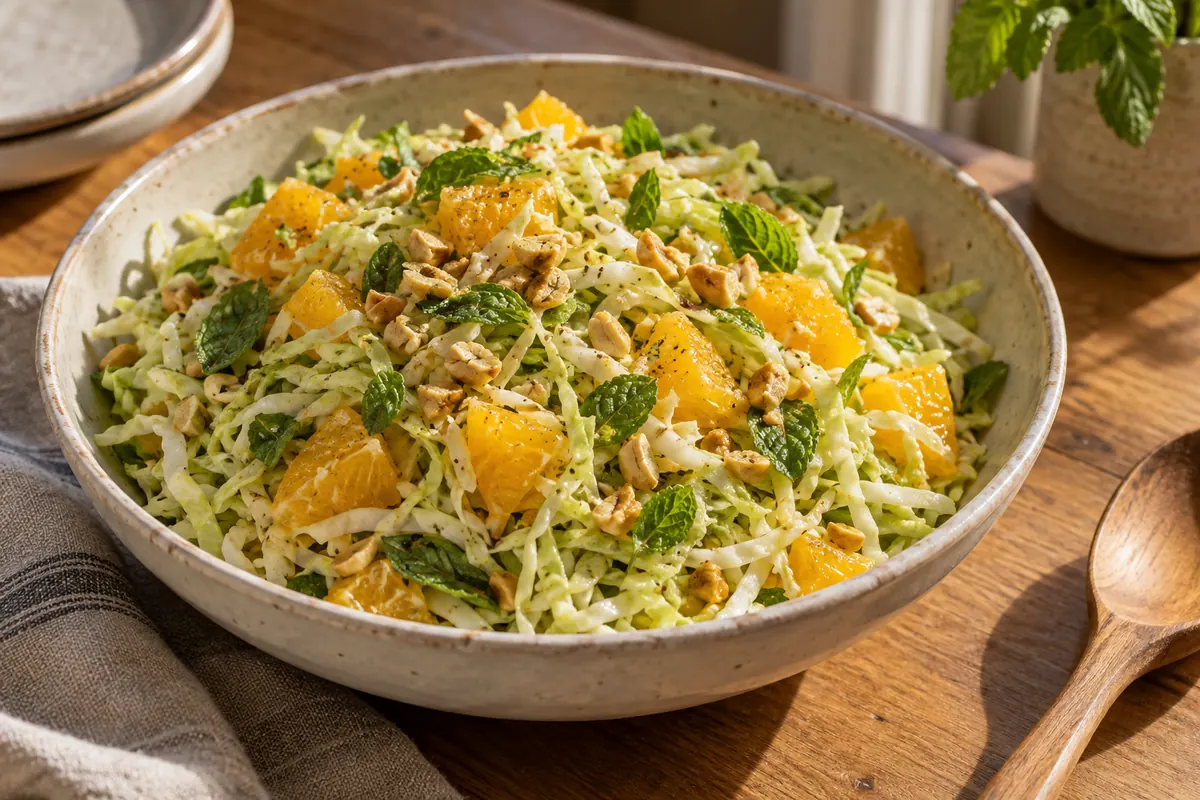
For an orange salad, slice off the top and bottom, stand the fruit upright, and cut the peel away in strips. Follow the curve without leaving thick white patches. Work over a bowl when cutting the flesh so you keep its juice.
Neat segments are pleasant, but small pieces are often enough. Remove obvious seeds and tough membrane where practical. Fold the fruit into the salad gently near the end. Vigorous tossing can turn tender pieces into liquid before they reach the fork.
Keep in mind
Zest the fruit before juicing it.
Freeze spare juice in measured portions; label it by fruit and amount.