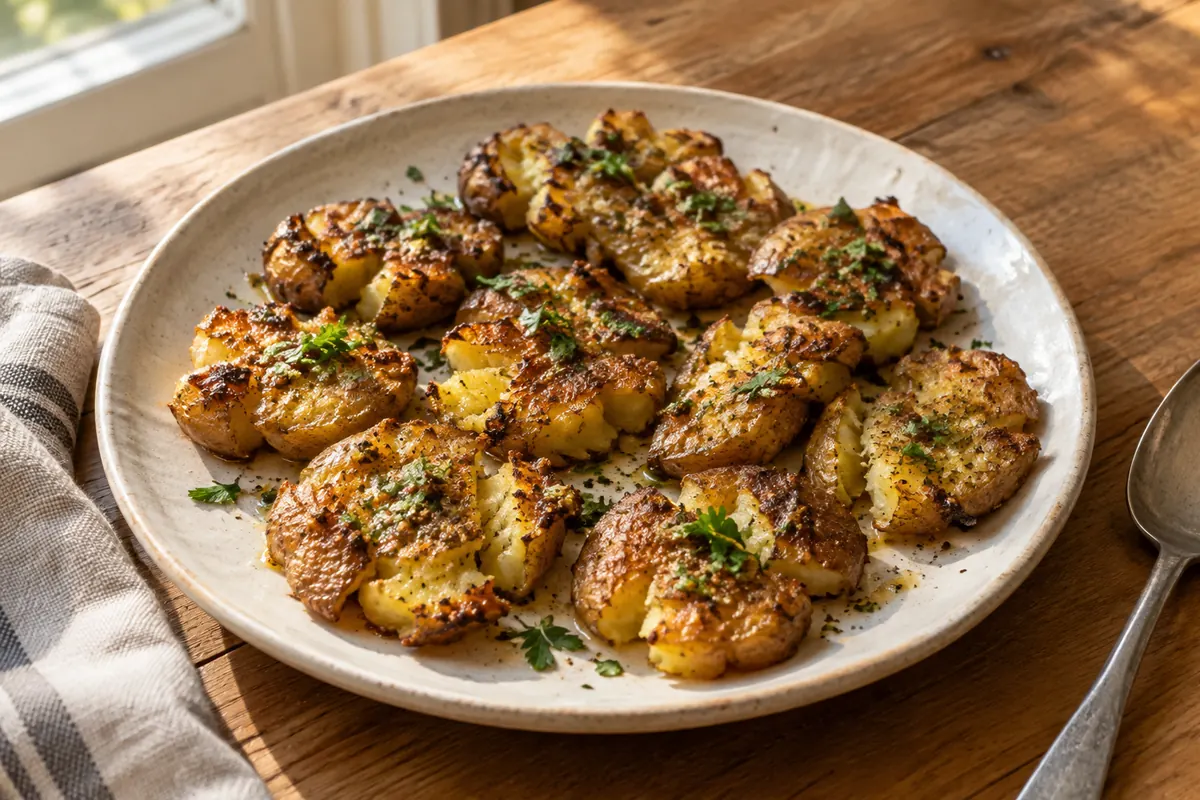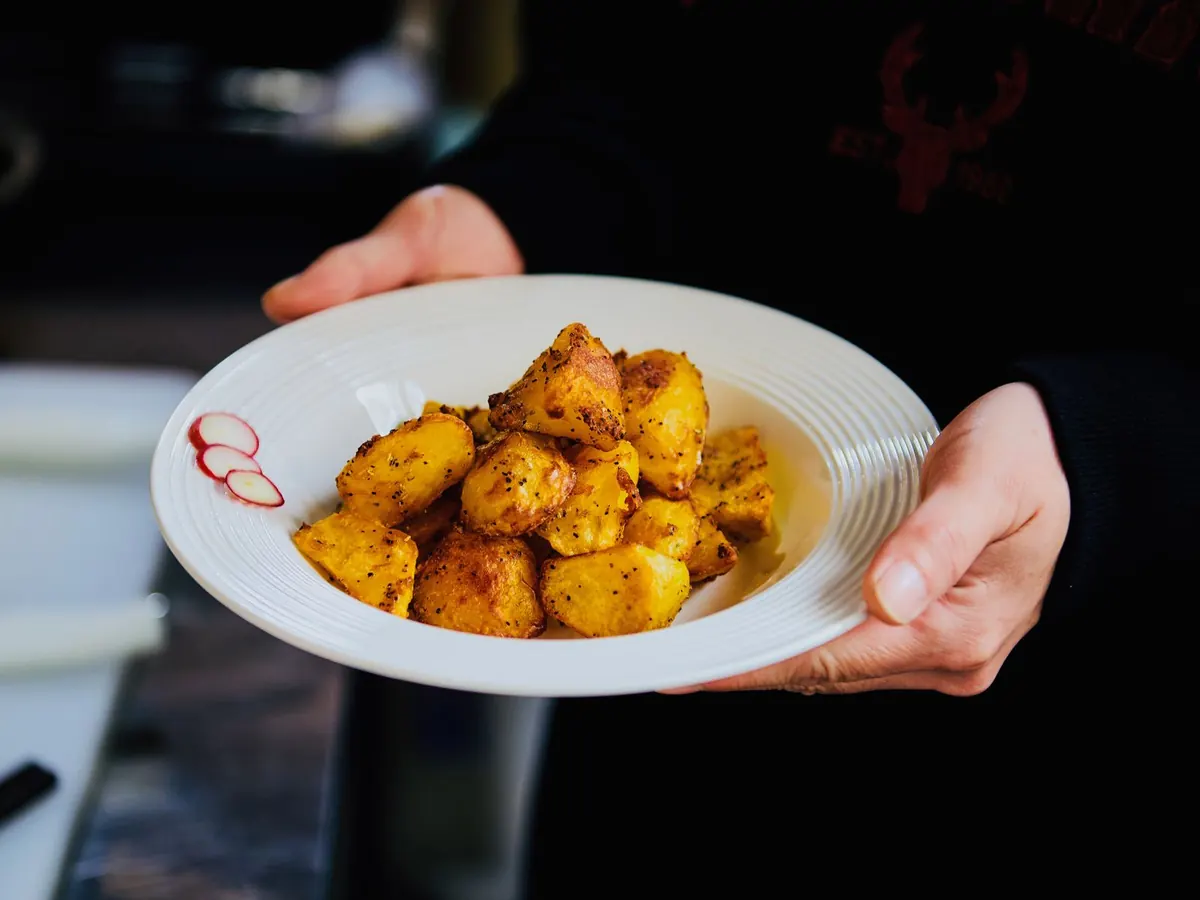
Keep the diversity in view
Peru's official tourism resources describe several regional cuisines rather than one uniform menu. Their account of the Potato Park near Cusco highlights communities maintaining native potato varieties and sharing agricultural knowledge. That is useful context when a recipe asks for a potato beyond the few types in your supermarket.
Begin with a named dish and a recipe that explains the texture it needs. For neat slices, choose a potato that holds its shape; for mash, choose one that breaks down easily. The color of the skin alone cannot tell you whether a local substitute will do the same job.
Ask about texture before substituting
Read whether the potato will be boiled whole, mashed, chilled, fried, or folded into a sauce. Choose a readily available type known for that task, and keep your substitution in the notes. If possible, cook one small potato before committing a whole bag to an unfamiliar preparation.
Taste and inspect that sample. Does it crumble when cut? Is the center dry enough to mash, or does it feel waxy? Those observations make the substitute more deliberate. They also help explain a result that looks different from the original recipe's photograph.
Give the accompanying ingredients their names
If a recipe calls for a named aji, a particular cheese, or another regional ingredient, look for that product and read its format. A fresh chile, a frozen chile, and a prepared paste may require different amounts. Follow the recipe's stated alternative if the original is unavailable.
Do not assume a brightly colored supermarket sauce has the same flavor as the chile named in the dish. Taste prepared products separately in a small portion, and check their salt and allergen information. A careful substitution is easier to explain than a wholesale change to the ingredient list.
Learn a region, then another
Choose one potato preparation as a weekend learning project. Read who makes it, where the writer places it, and how it is served. Keep the rice, garnish, sauce, or other accompaniment in the plan instead of focusing only on the central ingredient.
Afterward, explore a preparation from another Peruvian region. The differences are part of the interest. A good pantry guide should open that door, not collapse coastal, Andean, and Amazonian food into a short list of supposedly universal flavors.
Keep in mind
Follow a complete Peruvian recipe for the potato variety and preparation you want to explore.
Discard badly spoiled potatoes and follow reliable guidance for potatoes with substantial greening or sprouting.