Buy small potatoes, then sort them
Potatoes about the size of a golf ball are easy to flatten and easy to serve. They do not need to be identical, but separate any much larger ones so you can check them later. A mixed bag works if you cut the largest potatoes in half before boiling.
Leave the skins on. They help each potato stay together after flattening and become crisp around the edges. Scrub off soil and trim away damaged areas. Choose waxy or all-purpose small potatoes. Floury potatoes can fall apart when you flatten them.
Tender first, crisp later
The boiling stage needs to finish the inside. A knife should slide through a potato without meeting a hard center. If you stop early, the oven can brown the outside before the middle becomes pleasant to eat. Check the largest potato rather than the smallest.
Drain the potatoes well and let steam escape for several minutes. A damp surface takes longer to brown. You can boil them ahead, cool them promptly, and refrigerate them; bring them out while the oven heats and expect a few extra minutes of roasting.
Flatten without making potato rubble
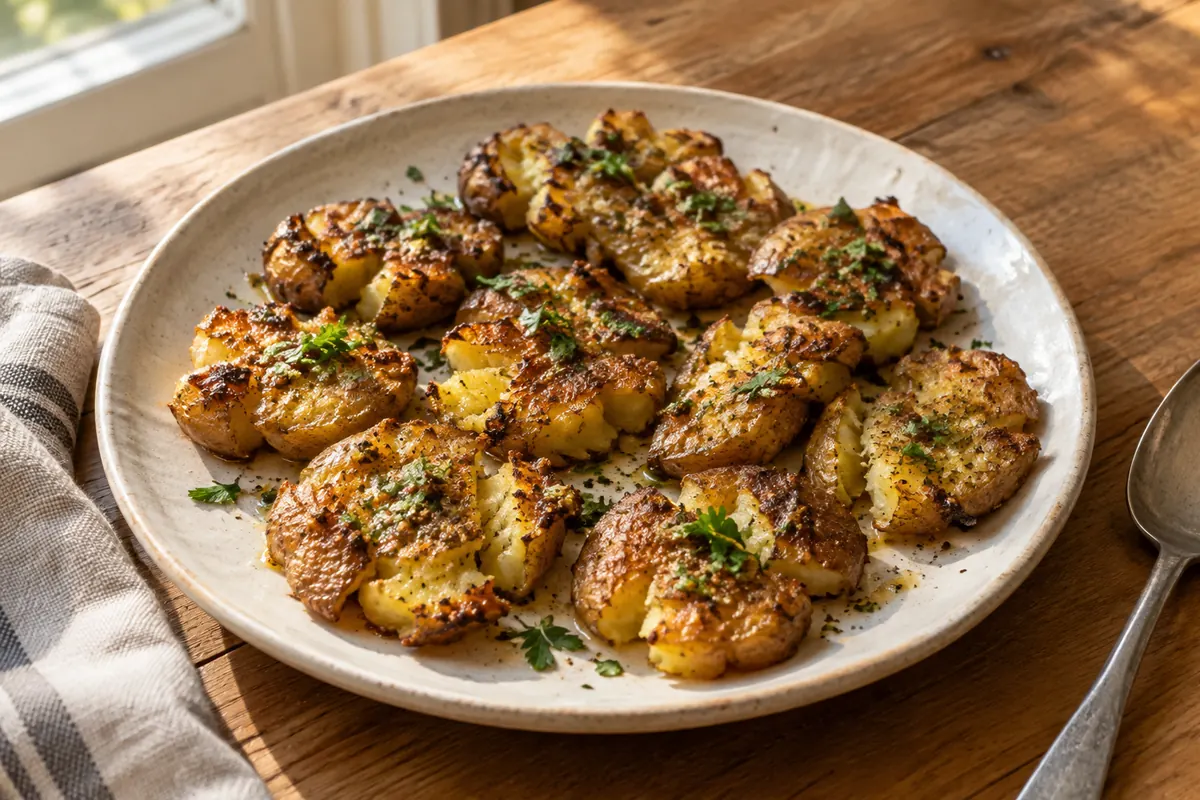
Use the flat bottom of a mug or measuring cup. Press slowly until each potato is about half an inch thick. A few cracks are welcome because they create more edges, but stop if the potato starts separating into several loose pieces.
Oil the sheet before setting down the potatoes, then brush their tops. This gives the underside a chance to crisp too. Leave room around each piece. A very dark pan may brown the bottoms sooner than a heavy, pale metal sheet.
Put the mustard butter on at the end
Butter brings flavor, but the oil does most of the oven work here. Melt the butter separately and stir in the mustard. Brush it over the potatoes during their last few minutes, then scatter parsley after they come out. This keeps the mustard from becoming a scorched coating.
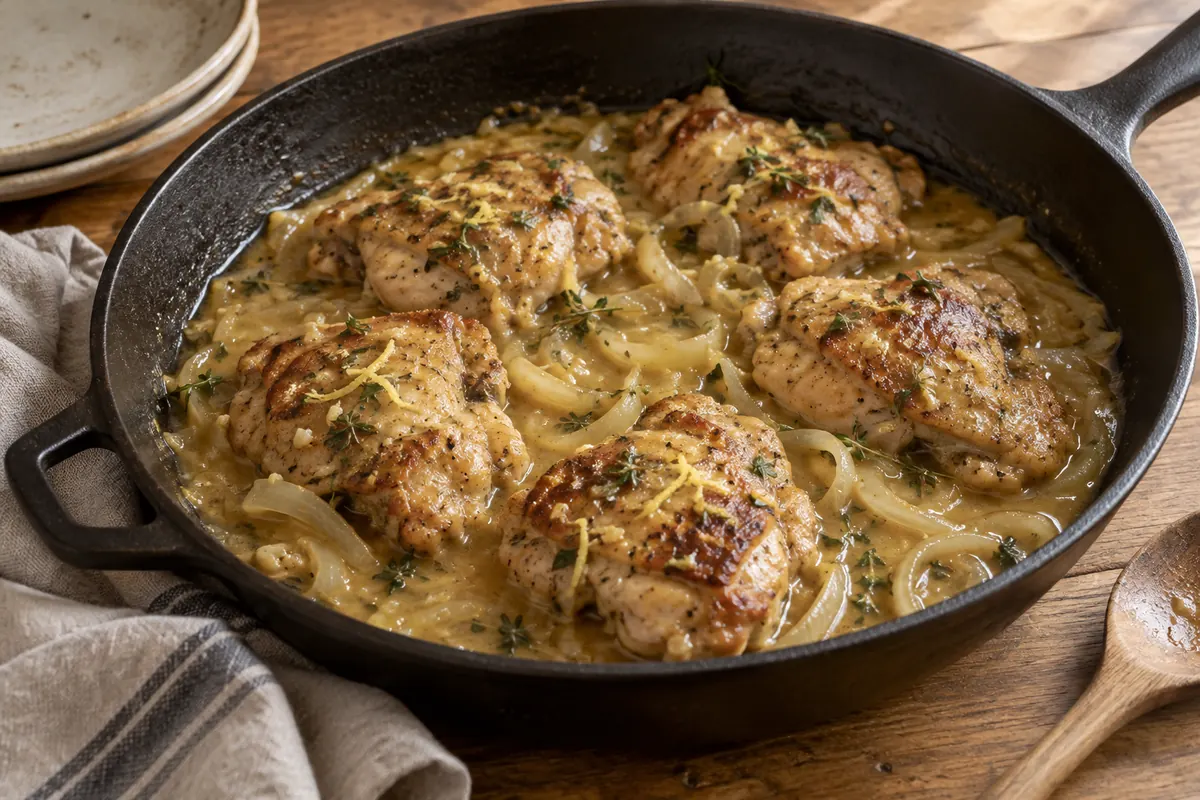
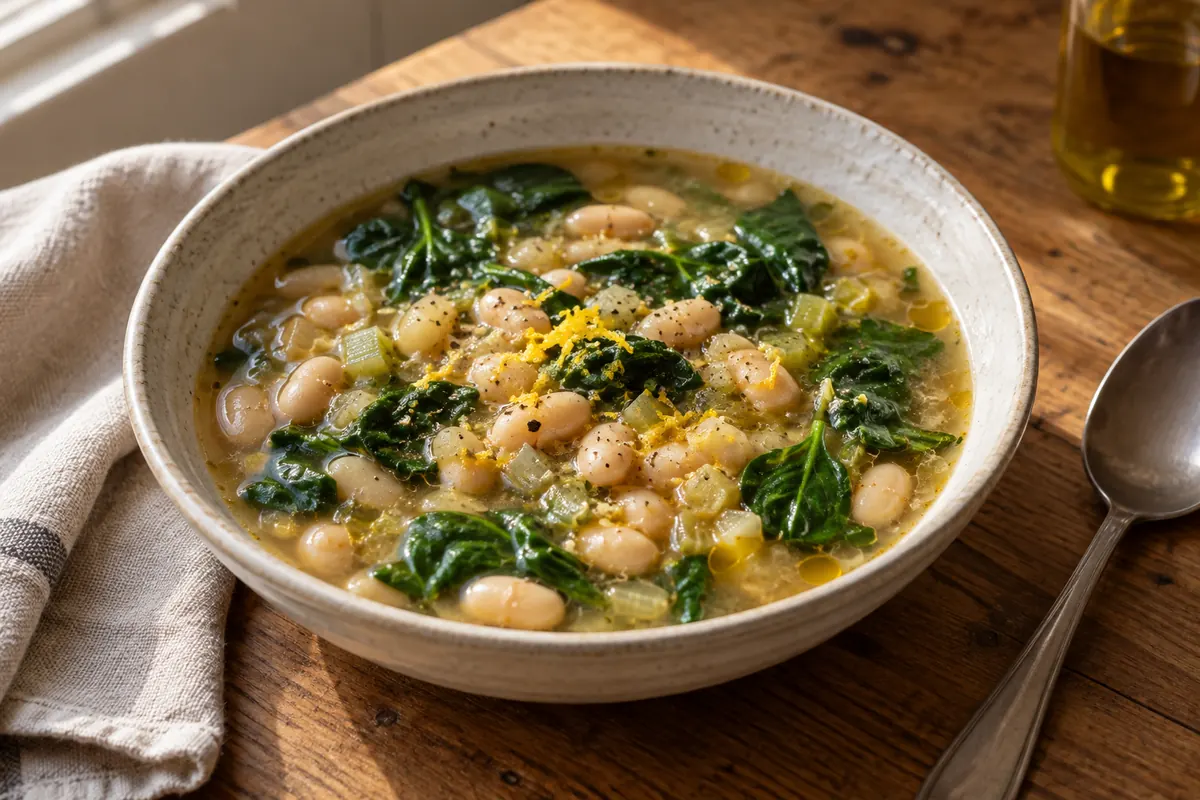
Serve with something juicy: brothy beans, a skillet of chicken, or a tomato salad. The potatoes are best hot, when the edges still crackle. If they wait, reheat them on the sheet in a hot oven rather than covering the platter, which traps steam.