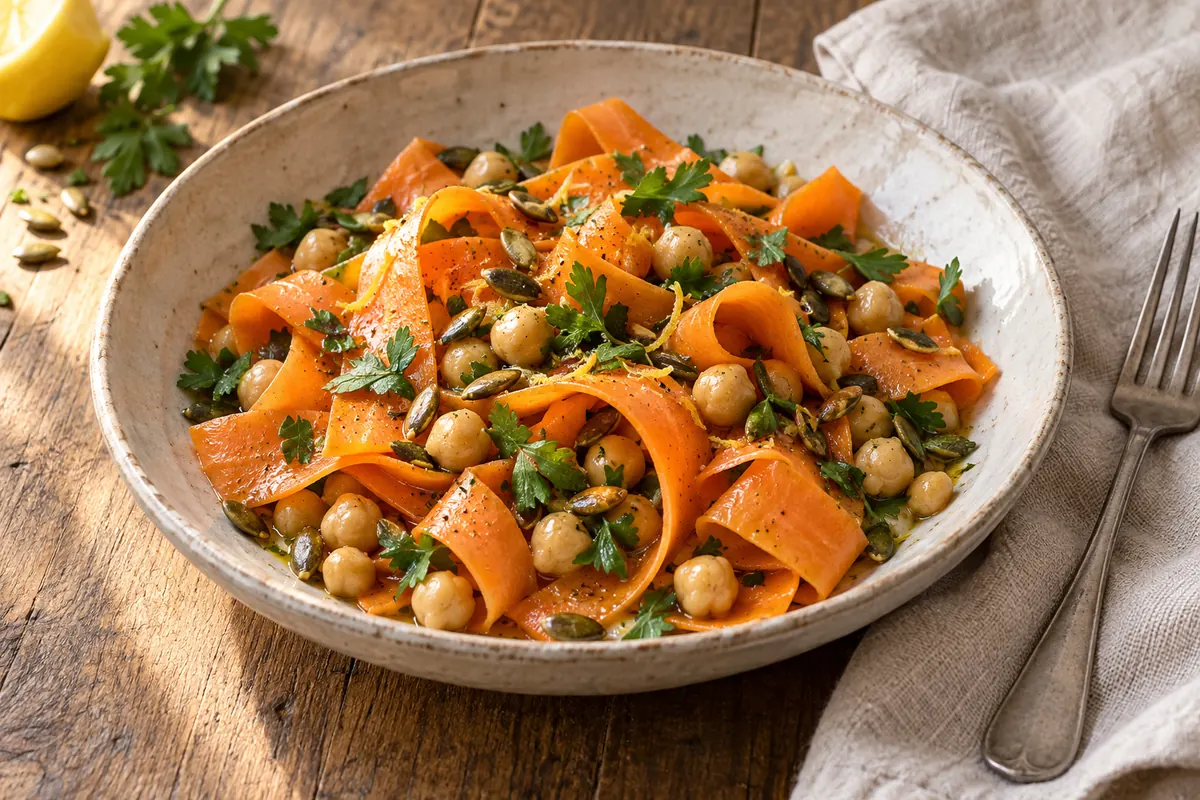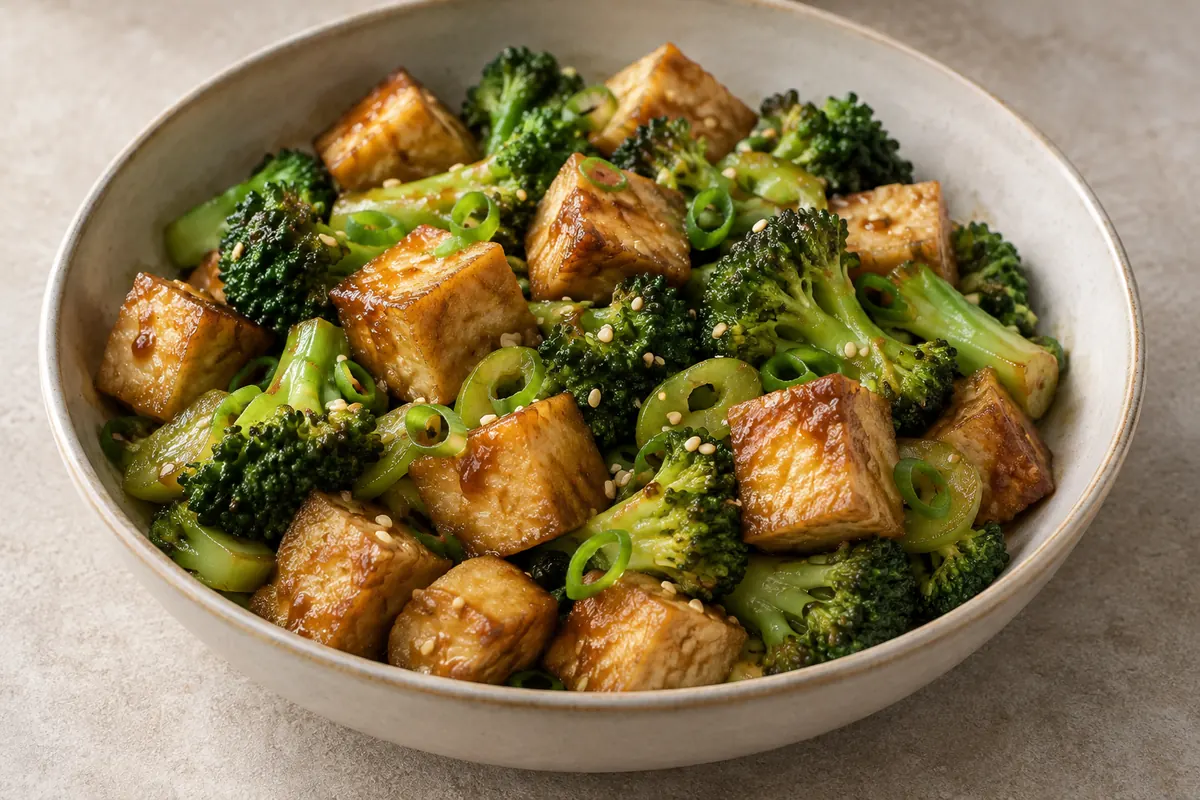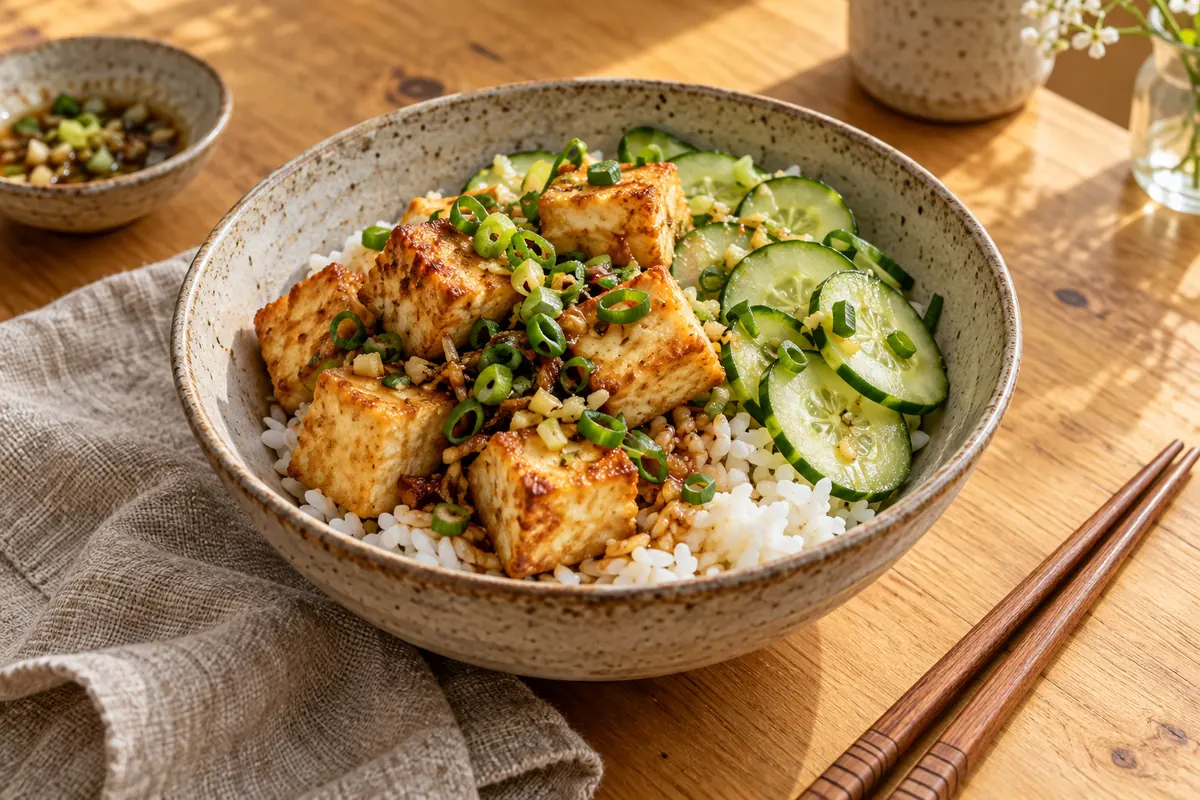
Look across the table before choosing a starting point
Banchan are the side dishes served with a Korean meal, and their relationship with rice matters. Korea Tourism Organization describes a table where rice and soup sit with other dishes, allowing diners to make different combinations as they eat. The small plates are part of the meal's structure.
That perspective changes what to notice. Instead of searching for the one plate that explains the whole dinner, taste a little rice with one accompaniment and then another. A braised ingredient, a seasoned green, and a fermented vegetable can play different roles even when they arrive in similarly sized bowls.
Let one named dish teach a preparation
Sigeumchi-namul offers a specific starting point. Maangchi's original recipe describes blanched spinach seasoned with garlic, soy sauce, toasted sesame oil, and other finishing ingredients. It shows how a vegetable can be cooked briefly and then handled and seasoned as a separate dish rather than disappearing into a mixed pot.
Read the complete method before applying it to another green. Leaf thickness, stems, and moisture change what preparation is needed. At the table, the name gives you something more precise to remember than green side dish. At home, it points you back to a credited recipe instead of a guess based on a photograph.
Ask about ingredients that are hard to see
A vegetable-based bowl does not identify all of its seasonings. Soy sauce, sesame, seafood-based ingredients, and other additions may matter to a guest's allergy or dietary needs. Ask about each relevant dish rather than assuming every plate in an assortment has the same ingredient profile.
Likewise, not every banchan is fermented or hot with chile. The tourism organization's description includes stir-fried and braised preparations, while the spinach example illustrates another route. Follow a recipe written for the named dish. A quick-seasoned vegetable and a fermented preparation have different processes and should not borrow one another's storage assumptions.
Build a manageable table at home
For an introductory meal, choose a small number of clearly named accompaniments and plan their work beside the rice and any soup or main dish. One item that can be prepared ahead and another finished near serving can make the sequence practical. This is a planning approach, not a required count for a Korean meal.
Set out modest portions with clean serving utensils and retain the ingredient information for each. Refrigerate unused food according to its recipe and handling history; a small plate has no special exemption from safe storage. Keep notes on the combination you enjoyed, including the source and dish names, so the next meal extends your understanding rather than repeating an anonymous assortment.
Keep in mind
Ask the restaurant about its current portions and service customs.
Banchan vary by season, household, region, and the meal they accompany.