Build around meals you already like
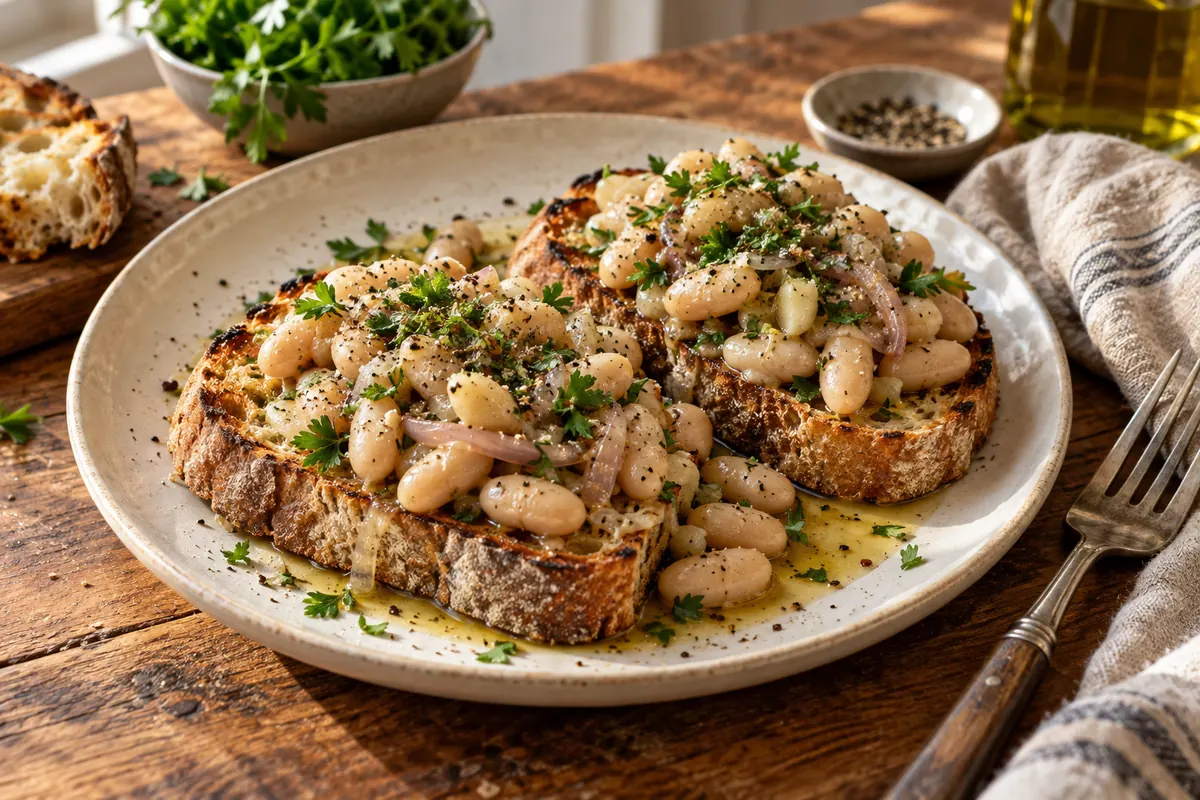
For the recipes here, canned tomatoes, white beans, chickpeas, pasta, rice, and red lentils cover several suppers. They do different jobs without demanding a separate sauce for each. Start with modest quantities until you know which ones you use regularly.
Keep a short group of flavor builders
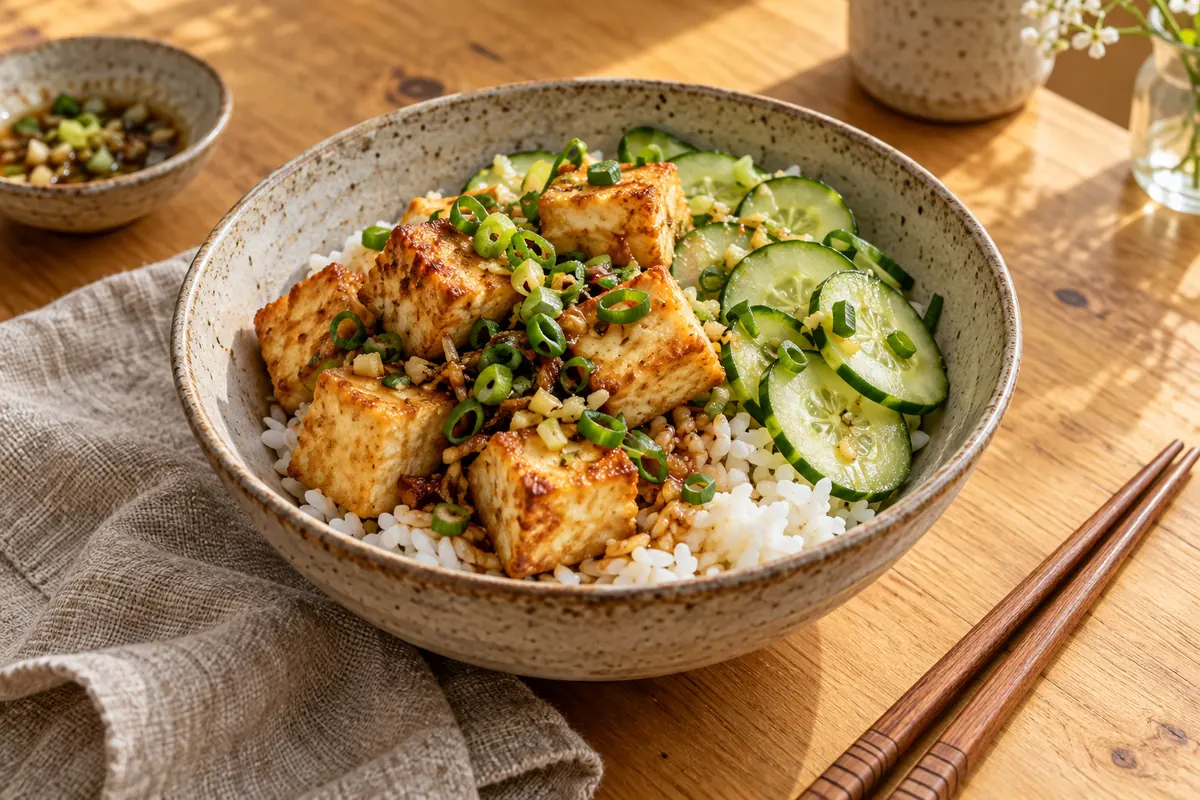
Keep olive oil, a neutral cooking oil, salt, black pepper, and a vinegar you enjoy on hand. Cumin and paprika carry several vegetable dishes. Soy sauce and toasted sesame oil make the rice bowl dressing, but there is little reason to buy them if that is not a meal you want.
Tomato paste is helpful when a pot needs a concentrated tomato flavor without another full can. Mustard belongs in dressings and a quick potato finish. Buy sizes that fit your use, and follow storage directions after opening rather than treating every jar as permanently shelf-stable.
Choose a fresh ingredient that changes the plate
A lemon, a cabbage, a bag of carrots, or a bunch of scallions can give stored ingredients a fresh direction. You do not need all four every week. Buy the one or two you have an actual plan for, then use the leftovers in a second meal.
Yogurt can become a sauce, a soup garnish, or breakfast. Herbs are more perishable and easy to overbuy, so choose one bunch with several jobs. Parsley can finish beans, potatoes, pasta, and soup without forcing a separate recipe.
Give each opened ingredient a next use
When opening a can or jar, decide where the remainder will go. Freeze spare tomato paste in spoonfuls, use half a cabbage in another salad, and turn extra cooked beans into toast topping. A small note on the refrigerator can be more useful than an elaborate meal plan.
Check the pantry before shopping and bring older packages to the front. Keep dates on homemade frozen portions. The aim is a set of ingredients that becomes food regularly, with enough flexibility to change dinner when the tomatoes are bland or the carrots need using today.
Keep in mind
Buy pantry quantities according to your cooking habits and storage space.
Follow each product's instructions for storage after opening.