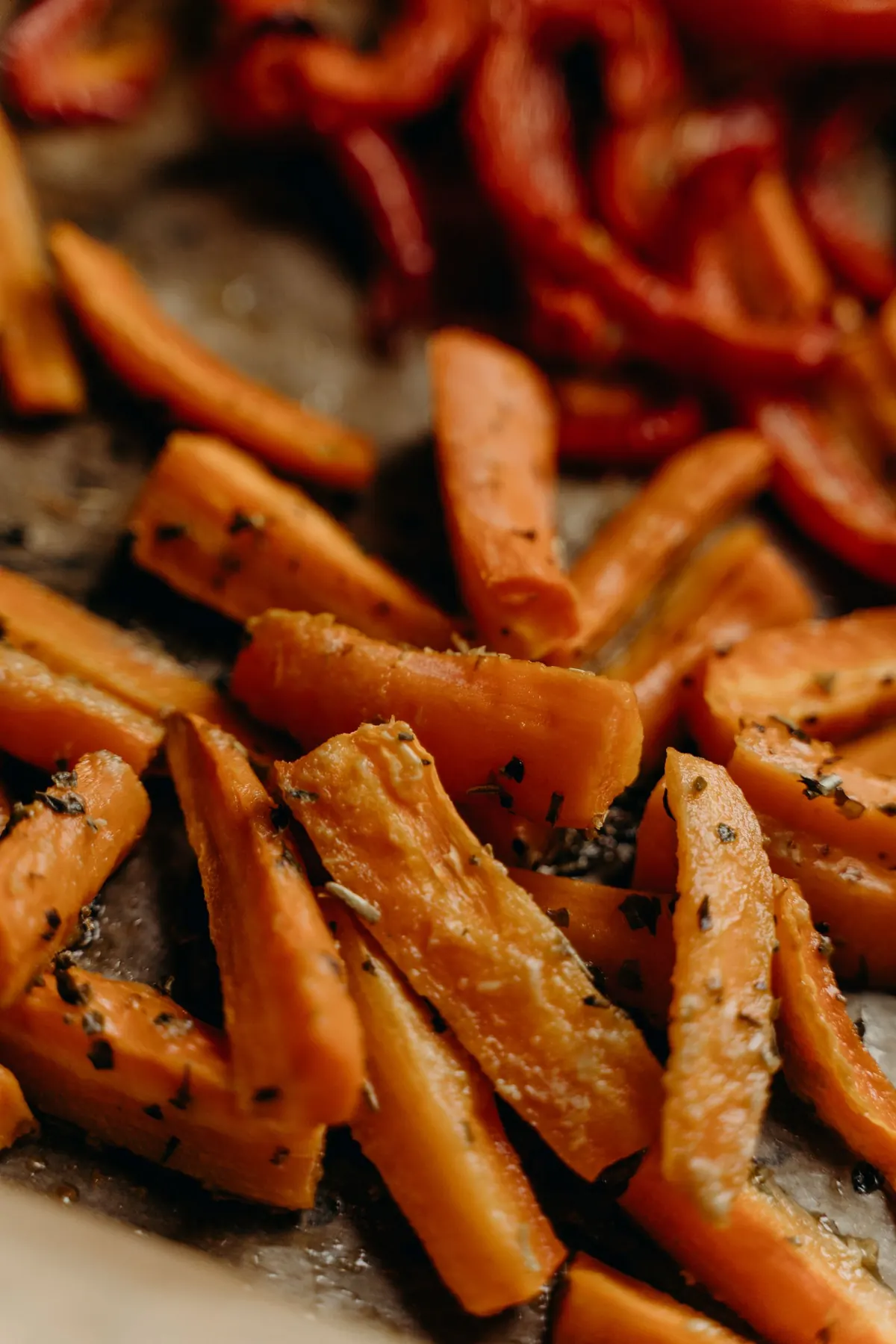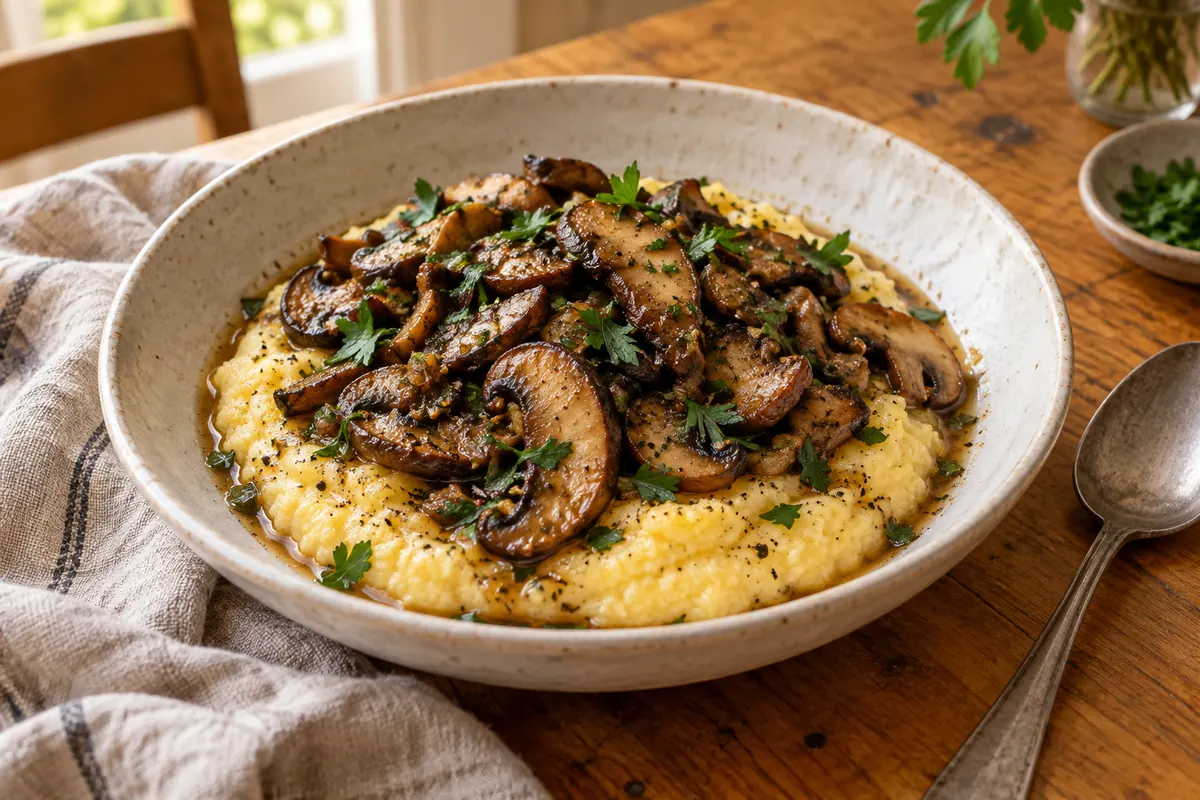
Heat makes more than a color change
The Maillard reaction is a family of reactions involving amino acids and sugars that can create browned color and varied aromas. The Exploratorium's cooking science material uses it to explain familiar changes in heated foods. It is one reason browned food can smell very different from its pale starting ingredients.
That does not mean every brown patch has the same cause or flavor. Caramelization involves sugar breaking down under heat, a different process from Maillard browning. Burnt, black residue is a cue to clean the pan before starting a sauce. A single scientific name should not flatten all those changes into one instruction to make food as dark as possible.
Check the surface that is cooking
Lift a mushroom or vegetable and look at the face against the pan. The top may still look pale while the underside has developed color. Smell the pan at a safe distance and watch the residue. A fragrant brown patch and a bitter, smoking black patch call for different decisions.
Give the food dry contact and enough room when browning is the aim. If the pan is full of released liquid, more stirring may not produce the surface you want. Reduce the load or follow the recipe's evaporation step before expecting a dry sear.
Keep color and doneness separate
A potato can brown before its center softens. A piece of chicken can develop a dark coating before it reaches a safe internal temperature. Use texture checks for vegetables and reliable temperature guidance for meat, poultry, and seafood, alongside the surface cues.
If the outside is moving too fast, adjust the heat or follow the recipe's gentler finishing method. Browning is one part of cooking the food, not a reason to stop all the other checks. The best-looking surface is still only the surface.
Save the useful browned residue
If a recipe calls for a pan sauce, add its liquid after the browned food leaves and scrape as directed. Taste and smell before carrying that residue into the dish. A badly scorched pan is usually a reason to clean and restart the sauce stage rather than camouflage it.
Write down the batch size and burner setting that gave a pleasant result. A small comparison between two batches can teach your stove's limits, but it is a kitchen observation rather than a controlled scientific trial. Keep that distinction clear when describing what happened.
Keep in mind
Browning is not a food-safety endpoint.
Do not deliberately overheat a coated pan to chase stronger browning; follow its manufacturer's limits.