Keep the useful part of the idea
Start with plain rice that you can cook reliably. Choose a specific variety and follow its package or a suitable rice-cooking guide. Then decide whether the topping should be raw, cooked separately, or part of a recipe designed to cook with the grain. Those are different methods, not interchangeable shortcuts. A bowl topped with cooked mushrooms and scallions can be straightforward because each part has a clear job. Throwing the same ingredients into an unfamiliar covered pot makes their moisture and timing part of the rice calculation.
Put it to work
Useful tools, at a glance
A saucepan for cooks who accept hand washing
All-Clad D3 Stainless 3-quart Saucepan with Lid
Treat rice variety as a real instruction
Rice is not one universal ingredient with one liquid ratio. Grain type, processing, and the intended texture affect cooking. Brown rice, parboiled rice, and ordinary white rice should not be swapped silently in a timed method. USA Rice's cooking material provides variety-specific guidance, and the packet in your kitchen is another useful starting point. Read it before adding liquid. If you rinse the rice as directed, account for the method rather than trying to transfer a dry-rice measurement from a different recipe without thought.
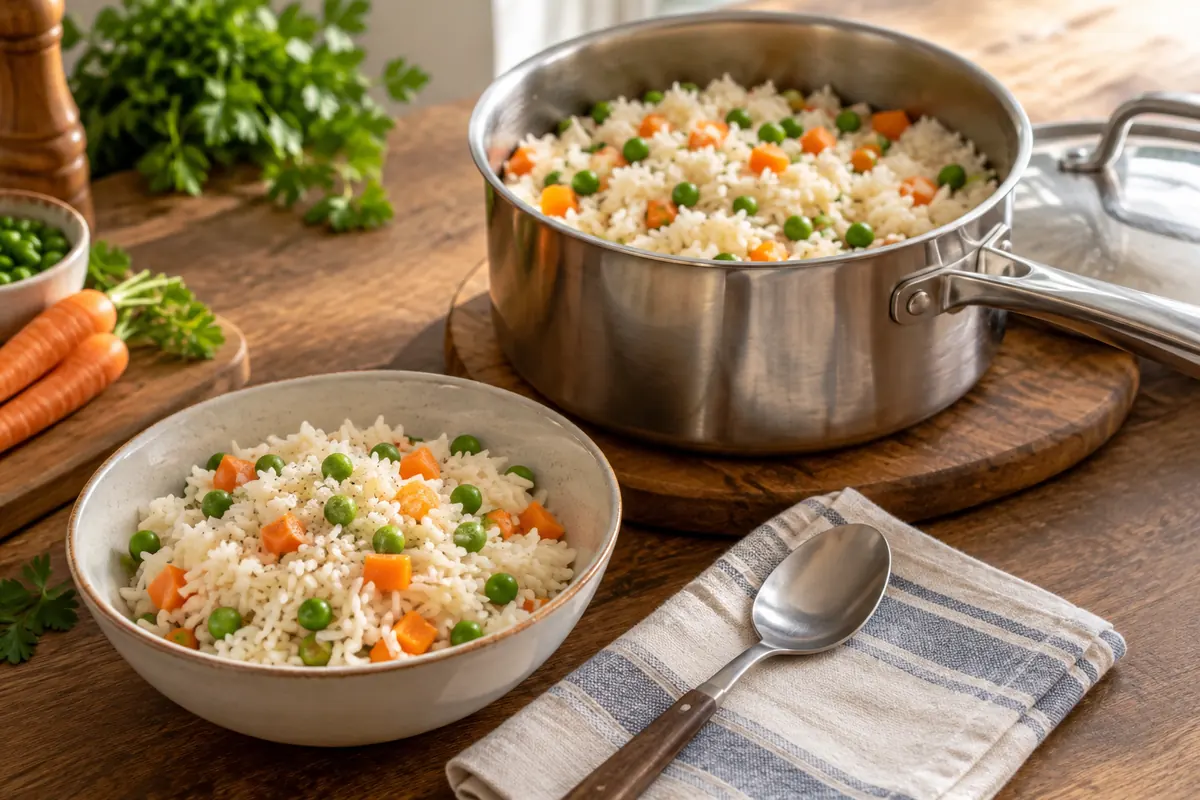
Choose the saucepan with the amount in mind. It needs room for the rice and liquid to cook without crowding the rim, and a suitable lid helps the intended method work. A three-quart saucepan is one verified size in our equipment library, but its usefulness depends on your batch and the maker's instructions. Keep the heat controlled as the method requires. A heavy lid and a familiar pot do not remove the need to watch the first stage and set a reminder for the next one.
Build a topping that does not disturb the base
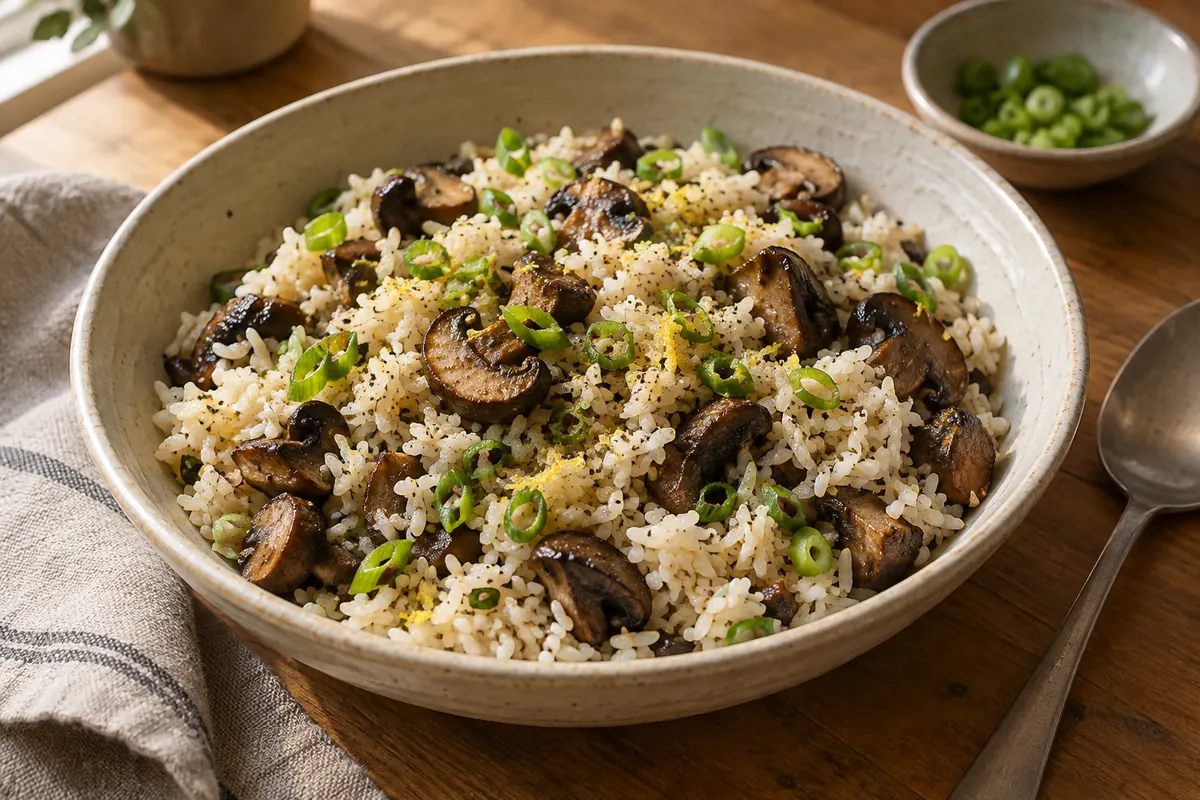
Cooking toppings separately is a useful way to keep the rice predictable. Mushrooms can be browned in a skillet, vegetables can be cut for a fresh accompaniment, and a sauce can be mixed in a small bowl. Each element can be seasoned for its own job without guessing how it changes the rice's absorption. This approach also lets people choose their own proportions at the table. A mild rice base can support several flavors without requiring several different pots of rice.
Aim for contrast rather than a long list. A tender cooked topping, something crisp, and a modest sauce can be enough. If the topping is salty, keep that in mind before seasoning the rice heavily. If the sauce is rich, a fresh acidic element may make the bowl easier to enjoy. Use ingredients you can handle properly within the available time. A bowl dinner loses its advantage when it becomes six tiny recipes, each with a separate pan and a last-minute finishing step.
Use one-pot versions only with a matching recipe
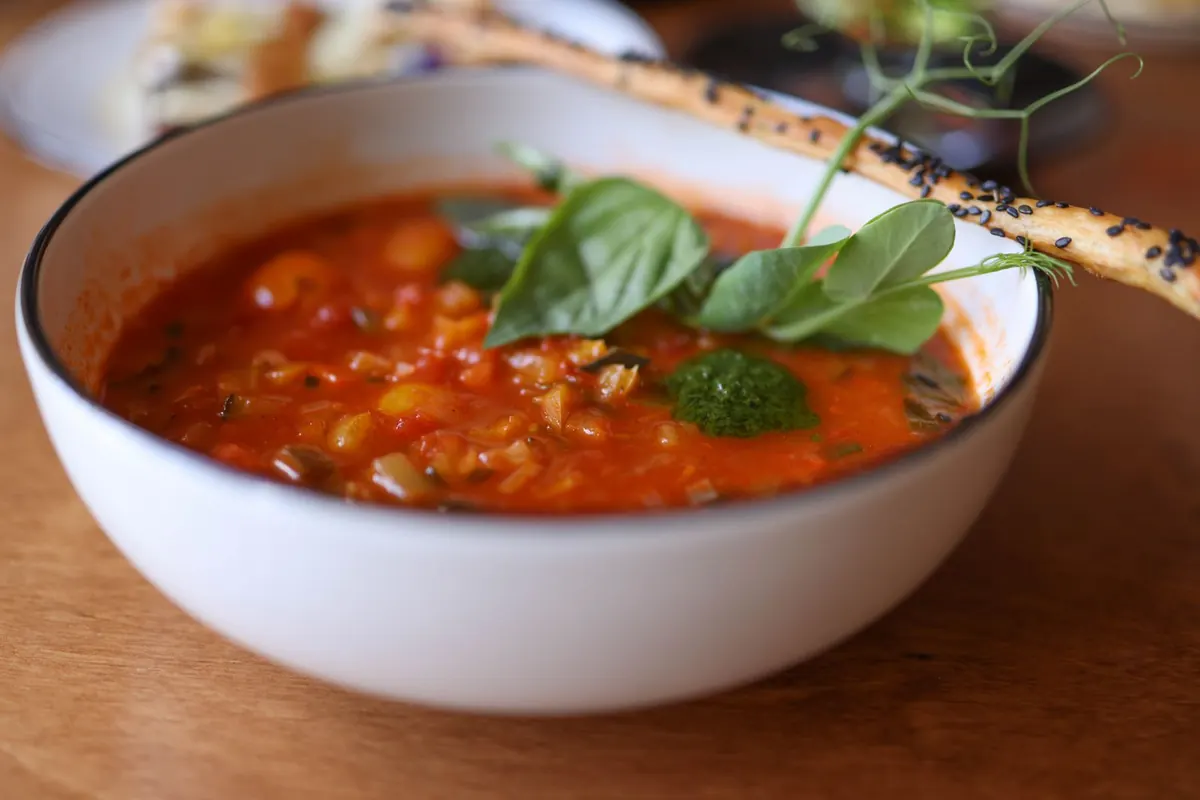
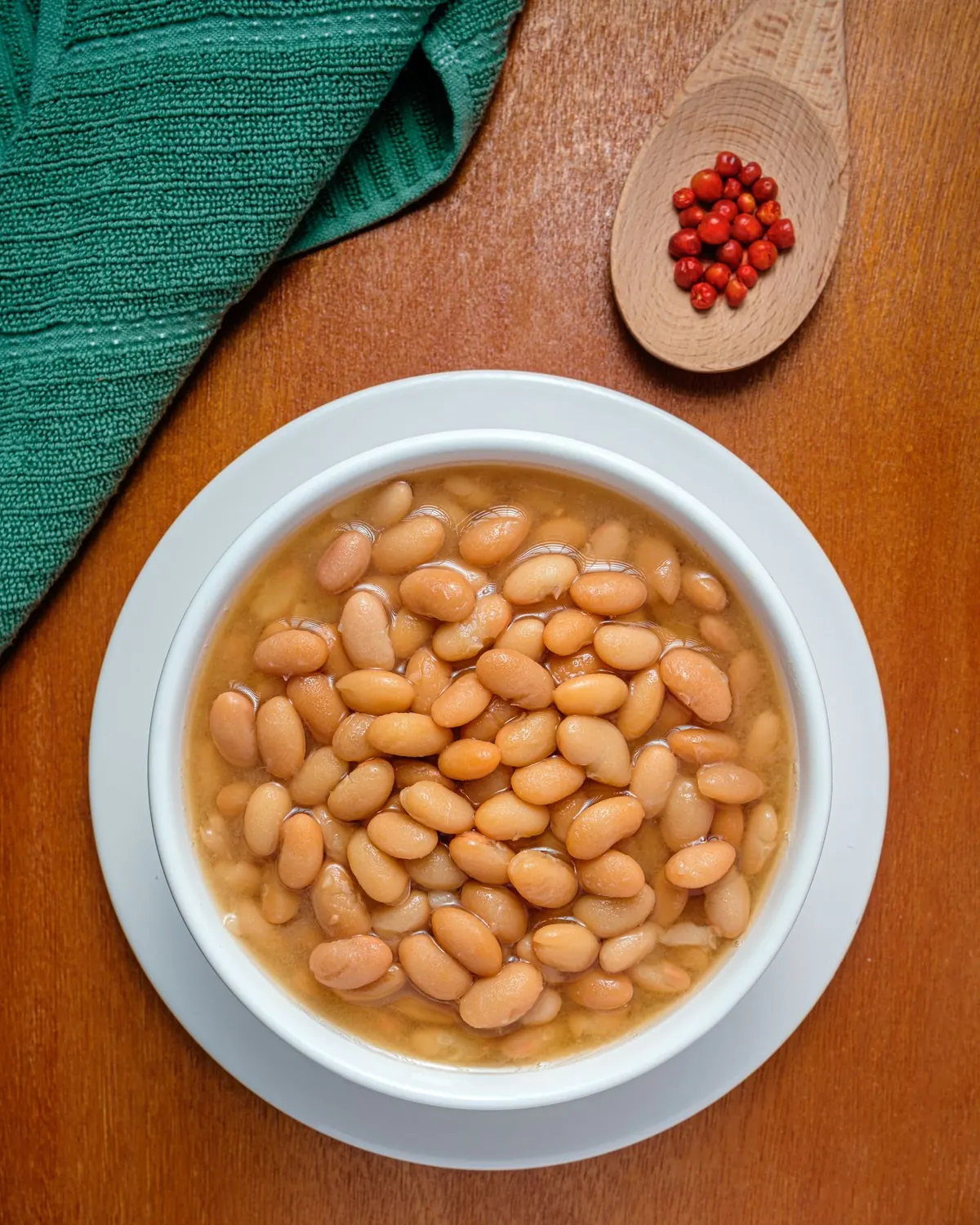
A rice dish designed to cook with vegetables, beans, or another ingredient already accounts for their behavior. The added food may release liquid, absorb it, or need a different period of heat. That is why a reliable one-pot recipe is a better starting point than a video showing an unspecified handful of ingredients entering a pot. Check the grain, cut sizes, quantity, and cooking vessel before deciding the recipe fits your kitchen. Keep its method intact for the first attempt.
Pay particular attention when raw animal ingredients are involved. Their safe cooking requirements do not become optional because they sit above rice. Choose a recipe that explains the method and how to verify doneness, and use the appropriate food thermometer check. Do not infer that a finished-looking pot of rice proves every ingredient has cooked safely. Separately cooked toppings are often the simpler route when you are adapting a meal. That choice gives each food a suitable method rather than asking one timed cycle to solve everything.
Do not translate saucepan directions directly into pressure settings
An electric pressure cooker is another existing tool some households already own, but its liquid requirements and cooking environment differ from a saucepan's. Use the exact appliance's manual and a recipe written for pressure cooking. Follow its minimum liquid, maximum fill, sealing, and release instructions. A pressure recipe is not made by taking the stovetop time and choosing a shorter number. Thick sauces and foaming foods can bring additional model-specific requirements that deserve attention before the lid is locked.
Our pressure-cooker technique guide and Instant Pot Duo review explain the verified appliance identity and the questions to ask. They do not establish a tested pressure setting for every rice bowl idea. If you already use a reliable plain-rice method in your appliance, keep that base and prepare toppings separately. This can deliver the convenience you wanted while avoiding an unnecessary new variable. There is no need to replace a familiar saucepan routine merely because a pressure cooker is available on the same counter.
Make the sauce easy to distribute
A rice bowl sauce should reach the rice without flooding it. Think about how it pours, how salty it tastes in a small spoonful, and whether it will be served on the side. A concentrated condiment may need only a little per bowl. A thinner sauce can spread more easily but may pool underneath. Taste with the actual cooked rice and topping where possible, since a sauce that seems too intense alone may make sense in a complete bite, and the reverse can also happen.
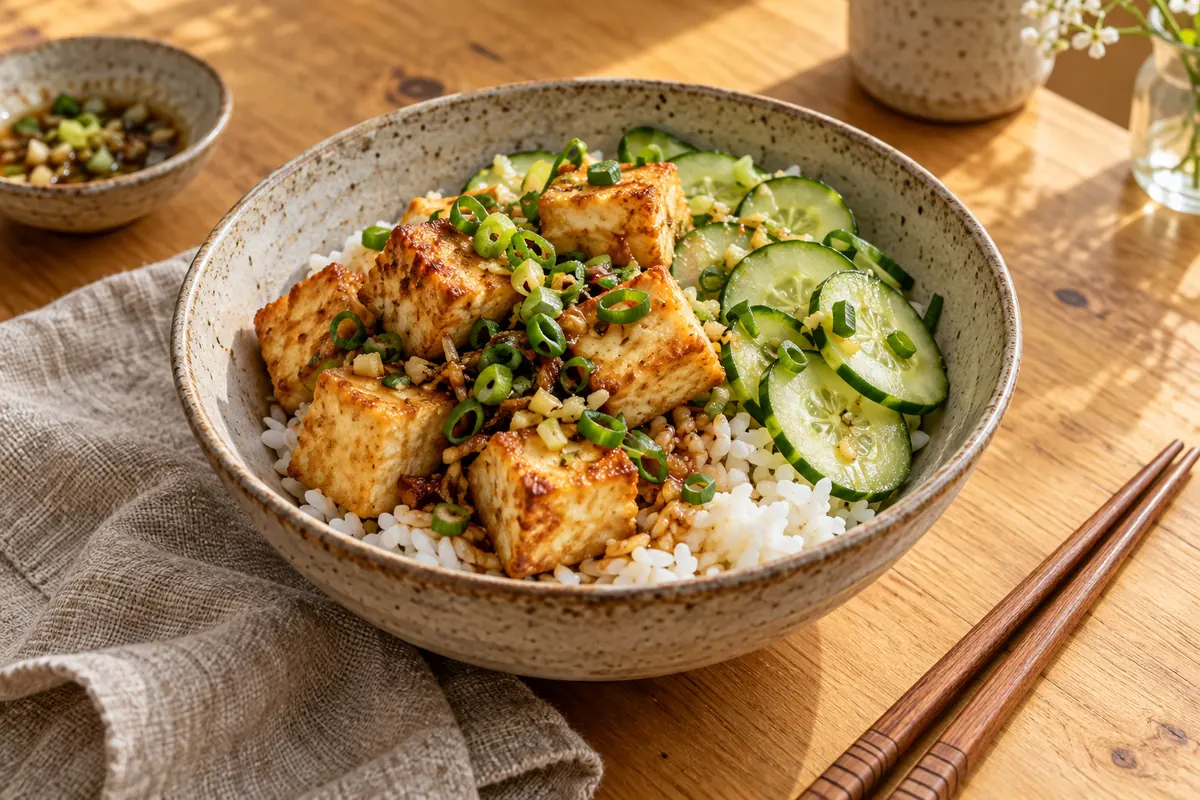
Keep sauce in a separate small bowl when different toppings share the rice. Ginger and scallion can give one portion a clear aromatic direction, while a mushroom topping may need only a modest finishing sauce because its pan juices already supply flavor. Use clean spoons and check condiment labels for allergens. Any sauce containing perishable ingredients needs appropriate refrigeration. A concentrated sauce can be offered in small amounts at the table; pouring it over the whole pot makes every later portion inherit the same salt, sweetness, and moisture.
Plan leftovers as carefully as the first bowl
Rice and toppings should be handled as cooked food, with prompt cooling and proper refrigeration. Divide large amounts into appropriate shallow containers and follow current food-safety guidance rather than leaving a covered pot on the stove through the evening. A saucepan lid is useful during cooking, but it does not turn room-temperature leftovers into safely stored food. Label the date and keep sauces separate when that will preserve their texture and make reheating easier.
USDA specifies reheating leftovers to 165 F measured with a food thermometer. Check the middle of the portion and follow the heating method's instructions, including stirring or standing where appropriate. A little steam at the edge is not a reliable check. Keep fresh toppings for after reheating rather than repeatedly warming everything together. Prepare the amount you expect to use, and freeze suitable portions promptly when the recipe and storage guidance support it. Convenience should include an easy decision about tomorrow's lunch, not an unidentified container at the back of the refrigerator.
Create a repeatable bowl formula
Choose one rice you buy regularly, one dependable cooking vessel, and a short list of toppings that fit your week. Ginger and scallion can provide one direction; browned mushrooms another; a crisp cucumber accompaniment another. Keep the combination concrete enough to shop for without making every bowl identical. Our ginger-scallion rice bowls and roasted mushroom rice have specific recipes you can follow when you want more than a planning framework. Their ingredient lists and methods should remain the authority for those dishes.
Arrange the cooking around the rice's resting stage. Prepare a cool cucumber accompaniment before the pot starts, brown mushrooms while the rice cooks if the method leaves enough attention, and keep a small finishing sauce ready in its own bowl. The rice can then rest as directed while the hot topping reaches its proper endpoint. Serve the parts separately when people prefer different proportions. This gives the saucepan one predictable job and keeps a vegetable's released water or a concentrated sauce from unexpectedly changing the grain beneath it.
Keep in mind
Follow rice-variety directions and a recipe written for the actual cooking method.
Never transfer stovetop liquid ratios and times directly to an electric pressure cooker.