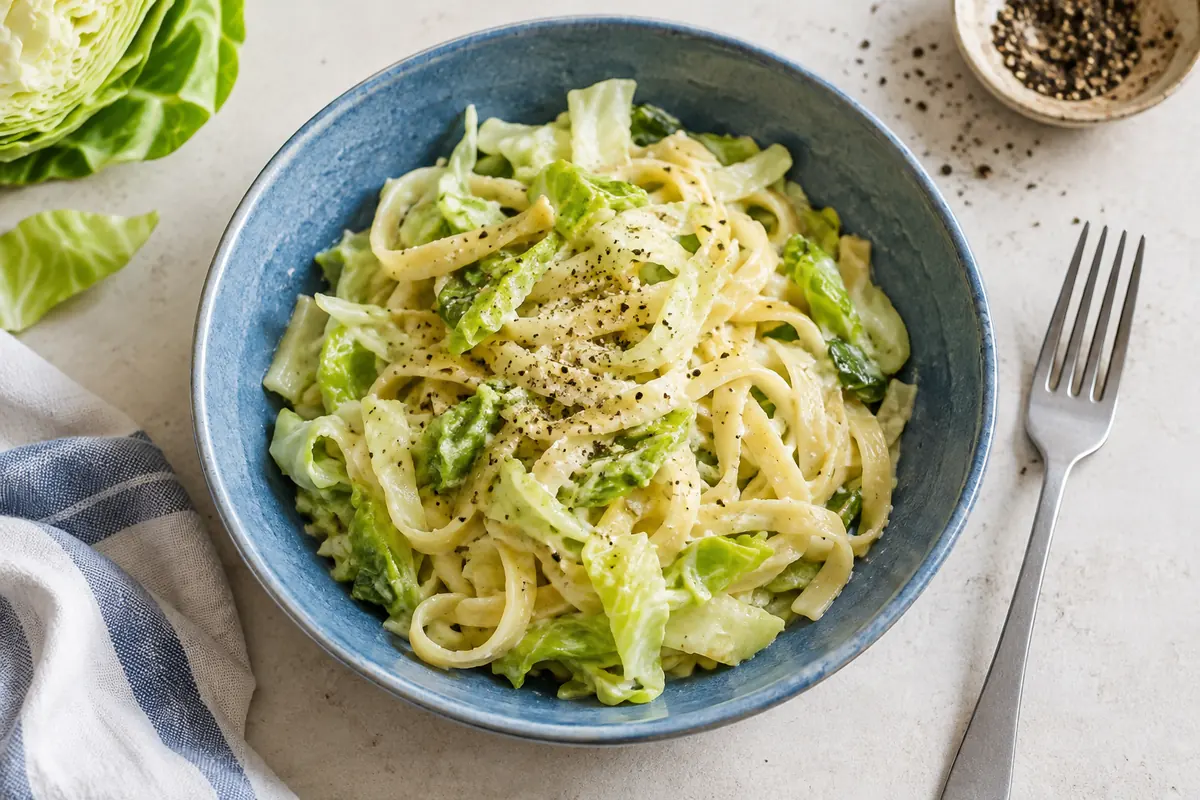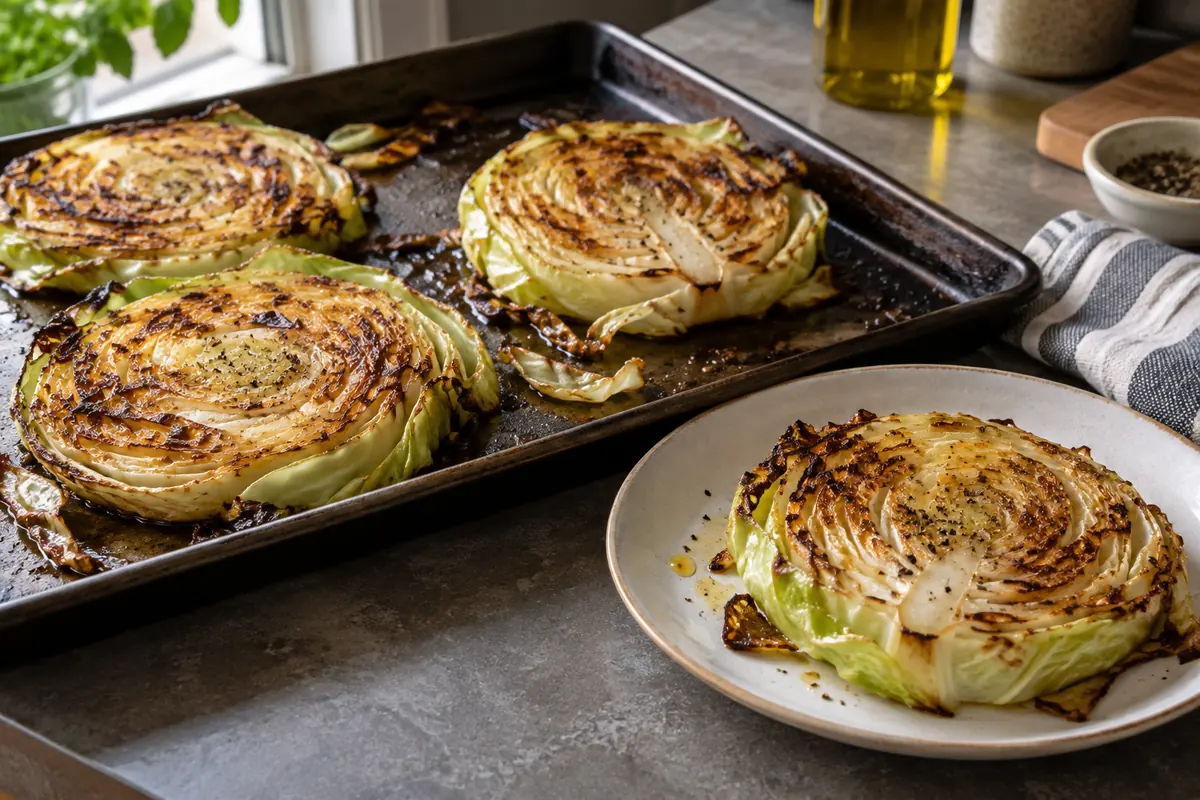
Roasted Cabbage Steaks Need a Brown Face and a Tender Center
A thick slice of cabbage can anchor dinner when the cut, pan space, and sauce work together. Here is how to keep the edges deeply browned without leaving the middle stubbornly raw.
Home cooking notes
Practical food stories about weeknight dinners, useful leftovers, freezer plans and making more of beans, grains and vegetables.
25 notes in this topic
A thick slice of cabbage can anchor dinner when the cut, pan space, and sauce work together. Here is how to keep the edges deeply browned without leaving the middle stubbornly raw.
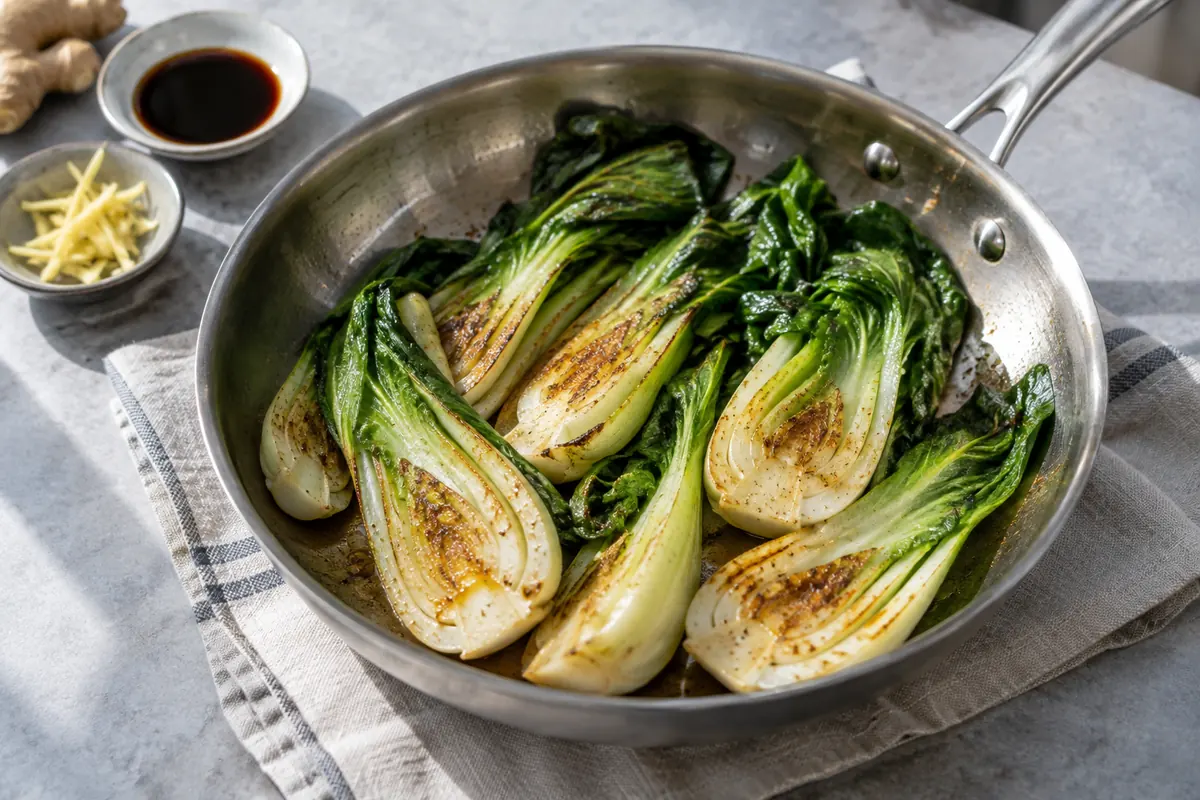
Separate its thick stems from its tender leaves and bok choy becomes an adaptable ingredient for brothy bowls, browned halves, and simple dinners with beans or eggs.
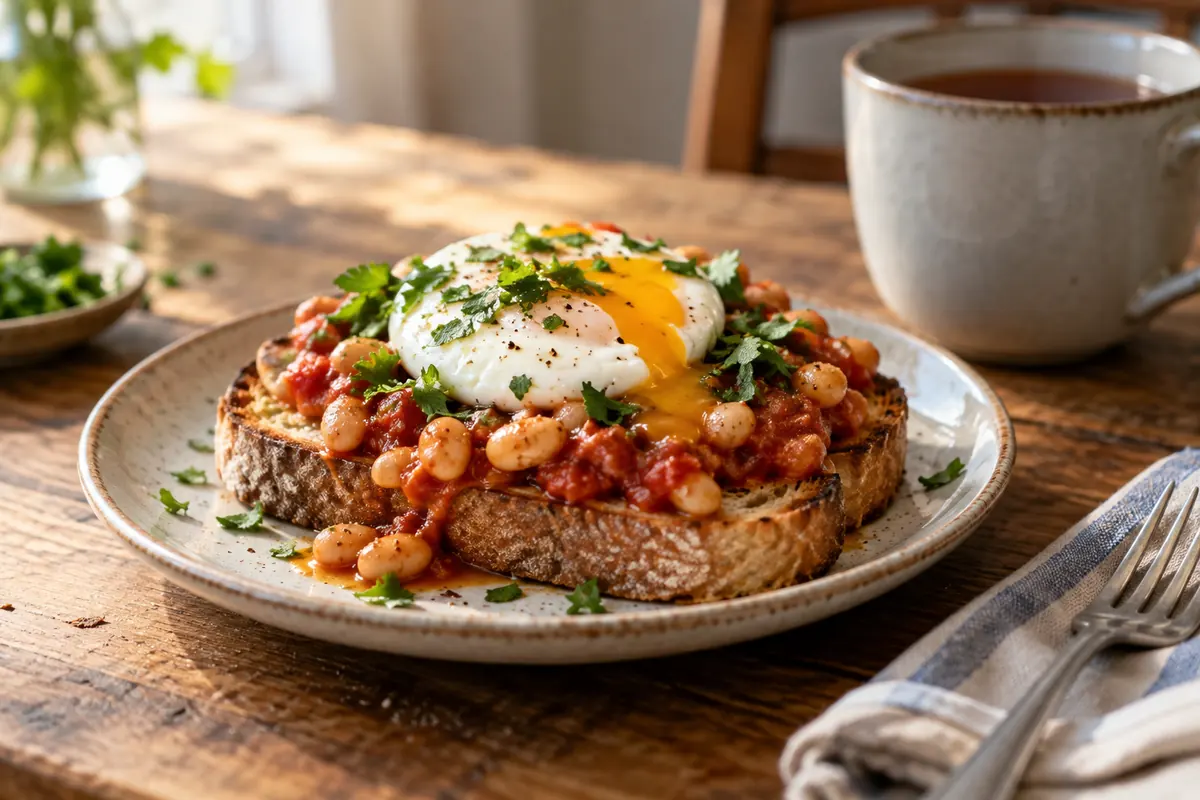
A small portion of warm beans can become toast, a rice bowl, or a plate with eggs. The trick is choosing a morning-sized plan rather than starting dinner all over again.
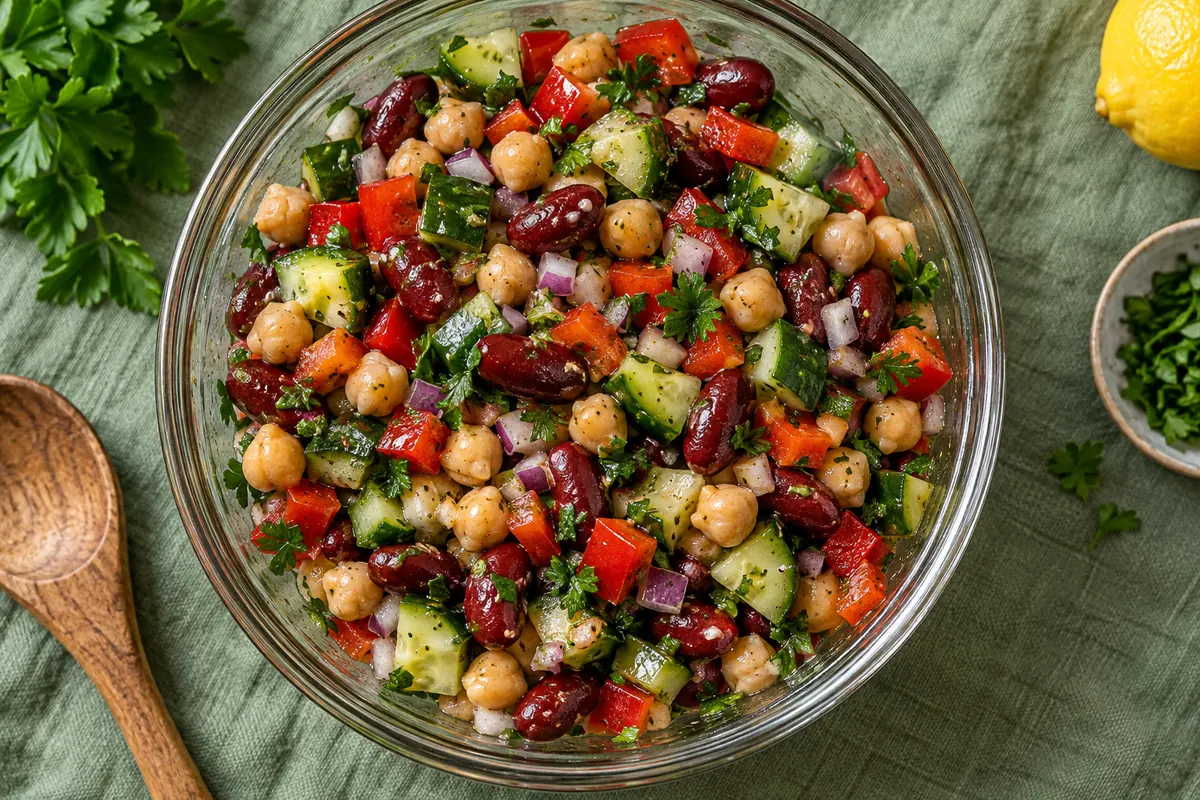
Build a substantial make-ahead salad with firm beans, crisp vegetables, and a dressing that stays lively. Keep the delicate ingredients for the moment you eat.
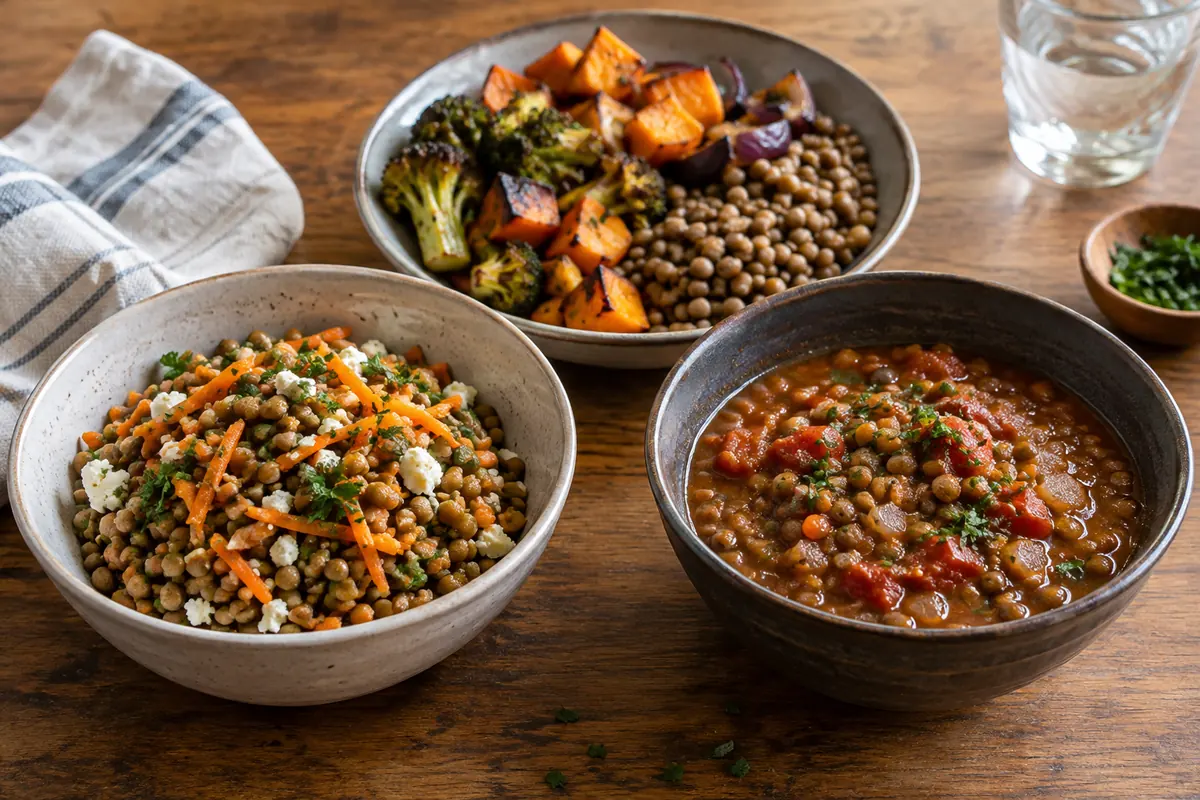
Choose a lentil that holds its shape, season the first batch simply, and change the texture and finish for each meal. Freeze later portions instead of keeping everything in the refrigerator all week.
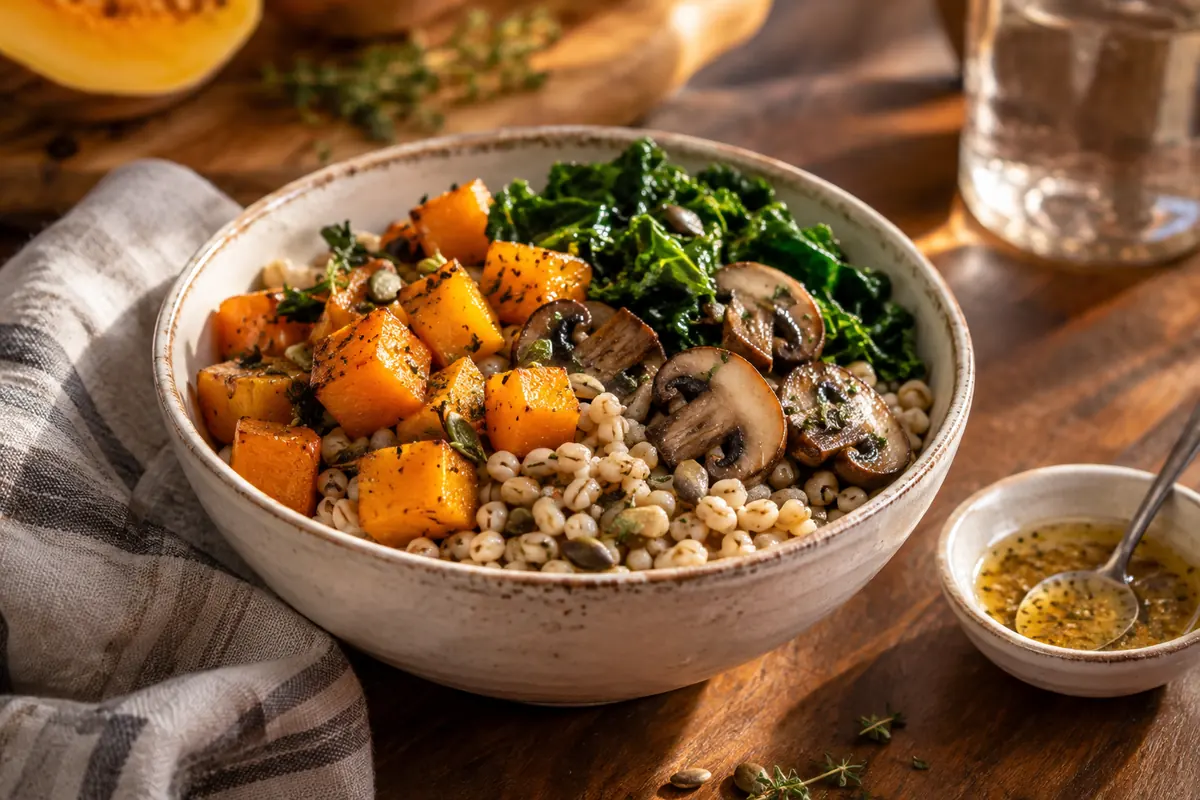
Its mild flavor and springy texture work with roasted vegetables, broths, and sharp dressings. Read the package carefully, then cook the grain for the dinner you want.
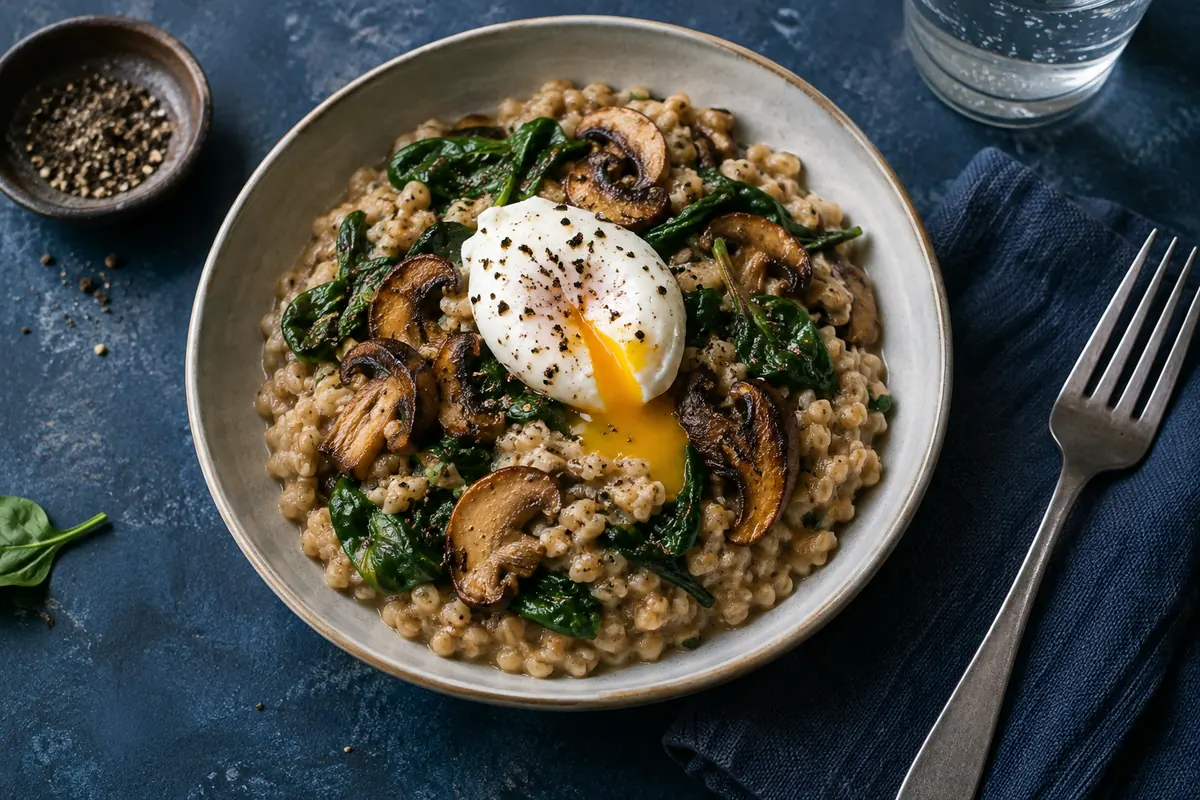
Oats can carry mushrooms, greens, beans, or an egg as easily as fruit. Choose the cut and consistency first, then add contrast instead of turning the bowl into a pile of toppings.
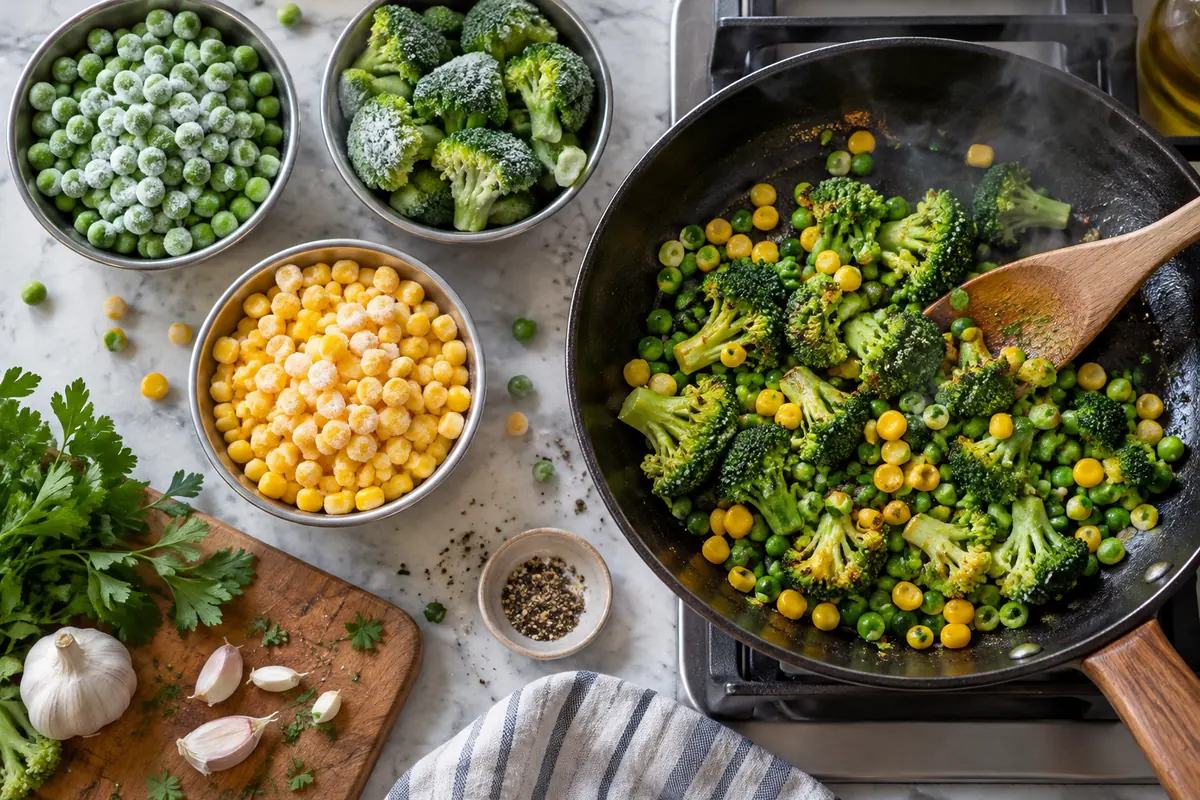
Peas, spinach, broccoli, and corn need different handling. Buy for the dish you want, follow the package's cooking directions, and make moisture part of the plan.
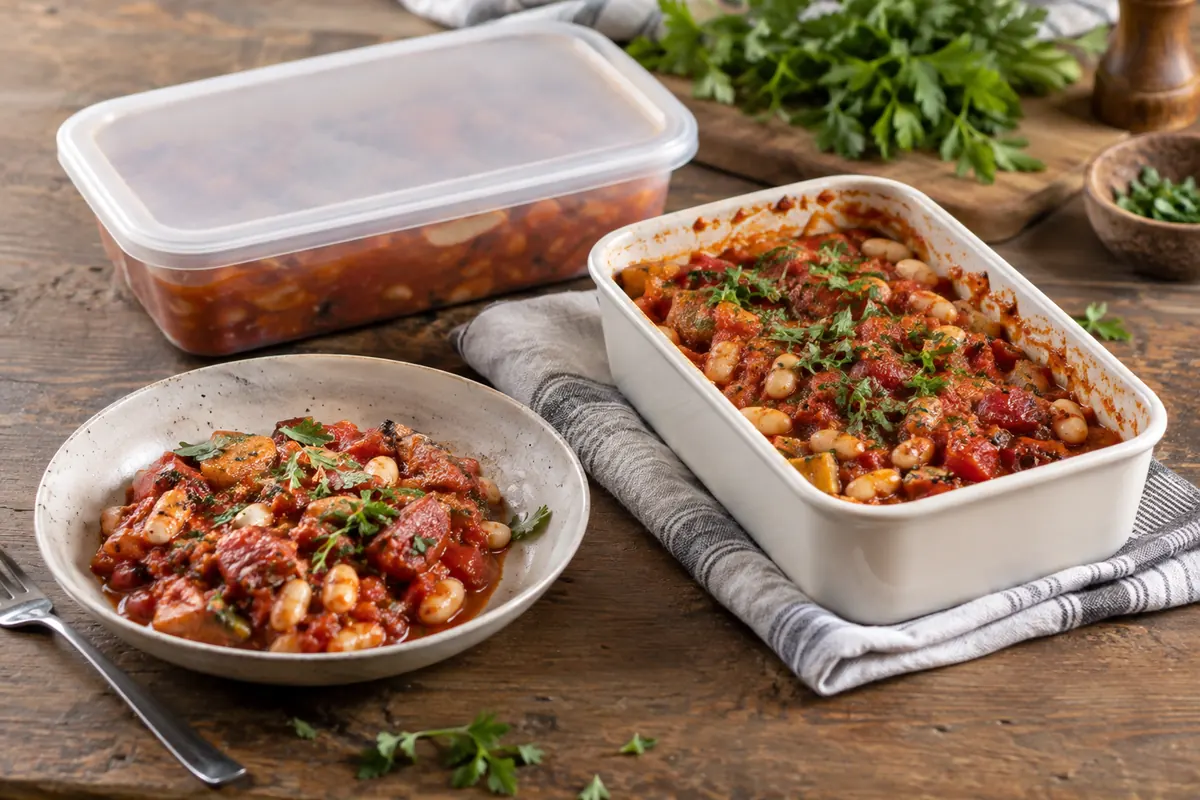
Freeze the part of dinner that holds up, then add delicate leaves, crisp toppings, and fresh finishes later. Portion size and reheating method matter as much as the recipe.
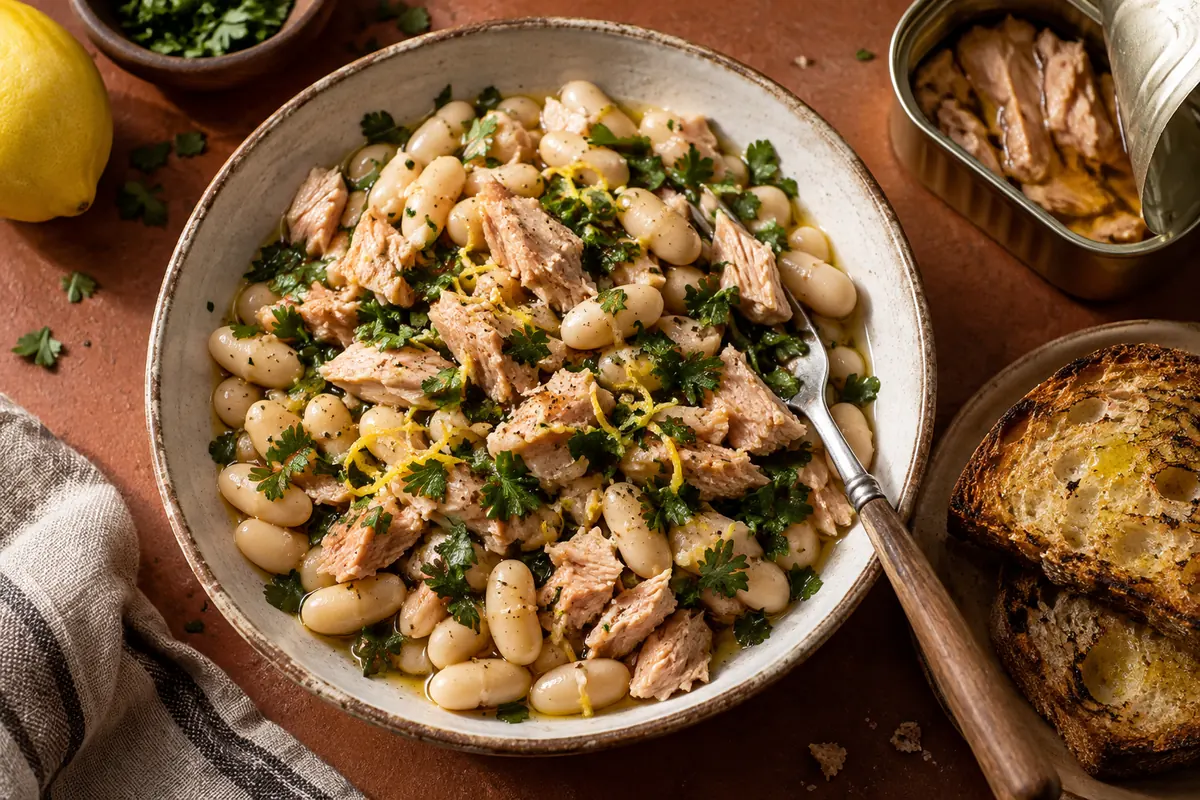
Tuna, sardines, salmon, and mackerel have different textures and packing liquids. Match the tin to beans, pasta, toast, or a potato, then season the whole plate.
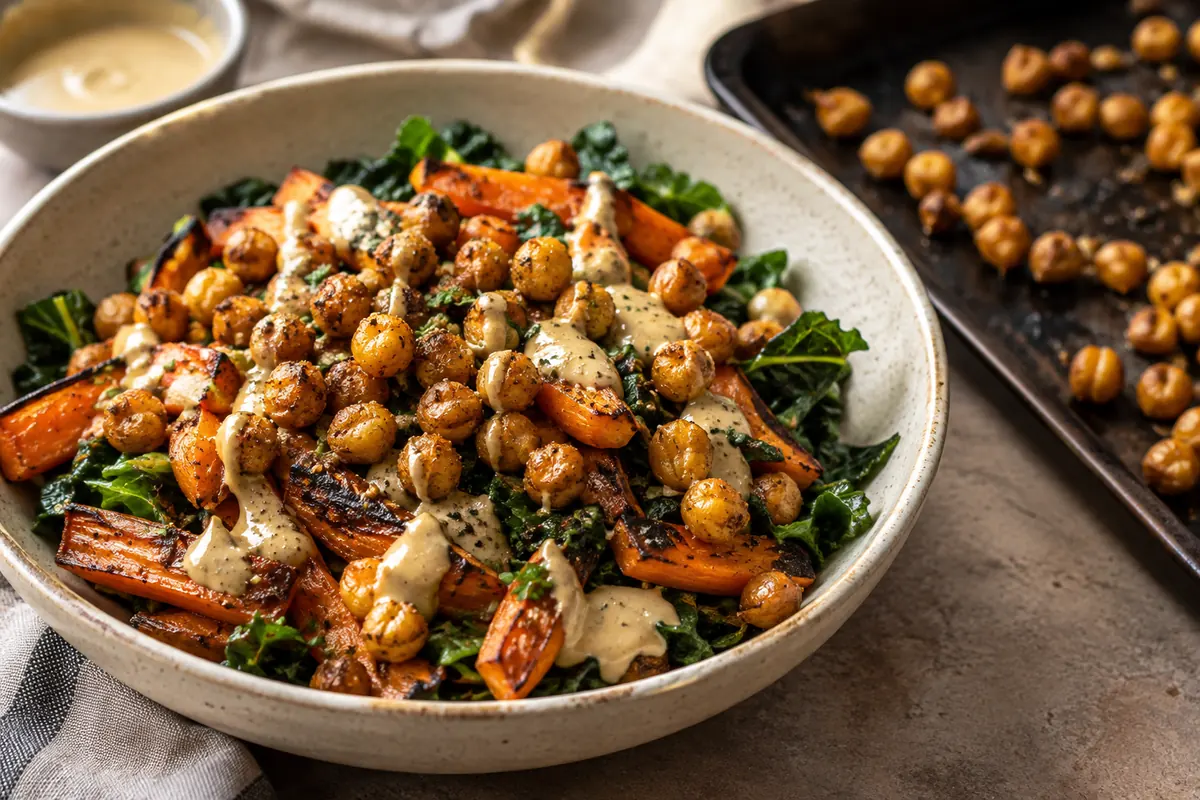
Roast chickpeas for salads, vegetables, and bowls, then add them where their crunch will survive. Drying, pan space, and timing matter more than piling on spice.
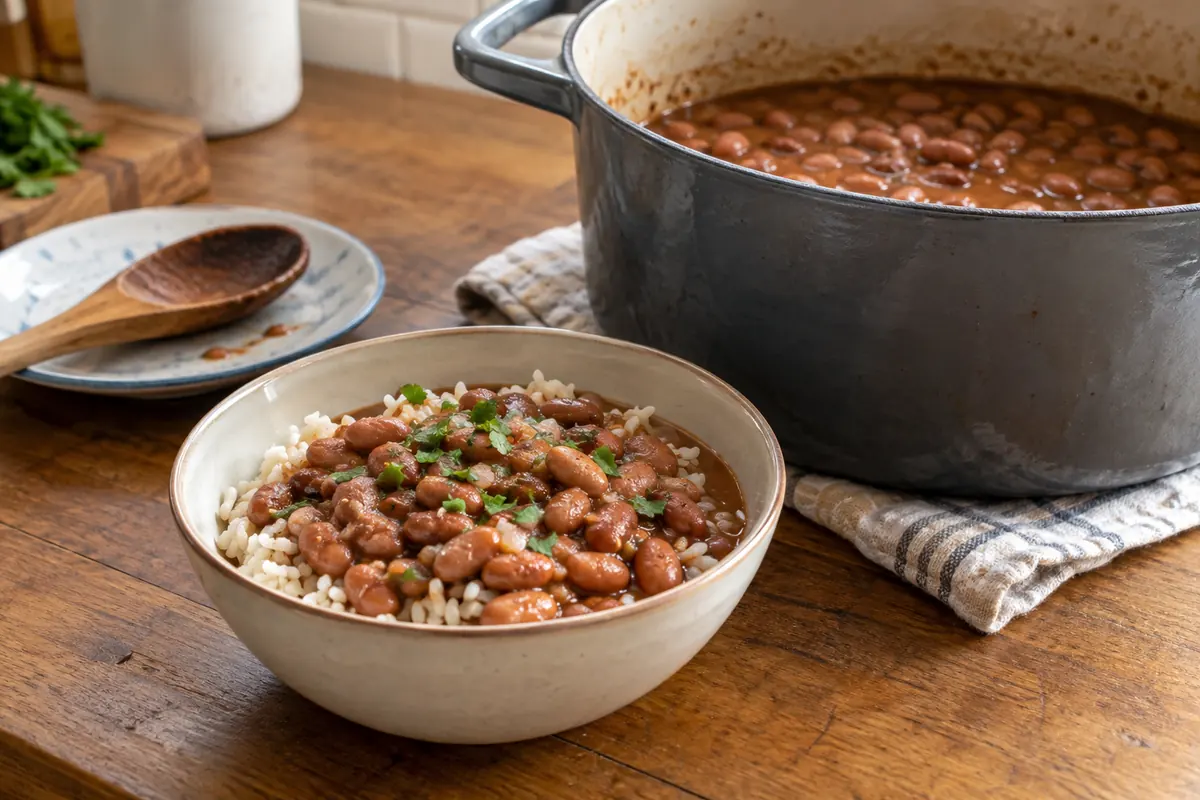
Cook a manageable batch, keep some broth, and give each portion a different finish. A useful bean plan starts with the meals you will actually eat.
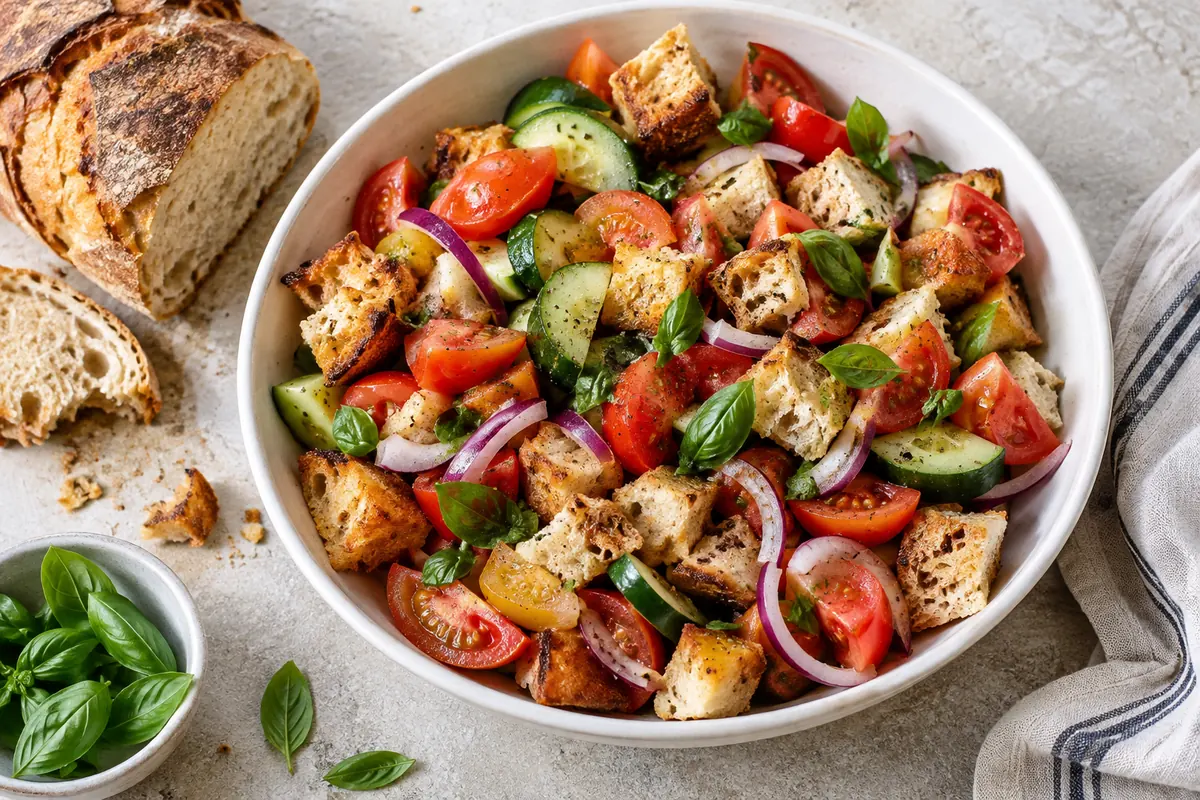
A partial loaf can thicken soup, carry warm beans, or become the substantial part of a tomato salad. Match the bread to the job before cutting it up.
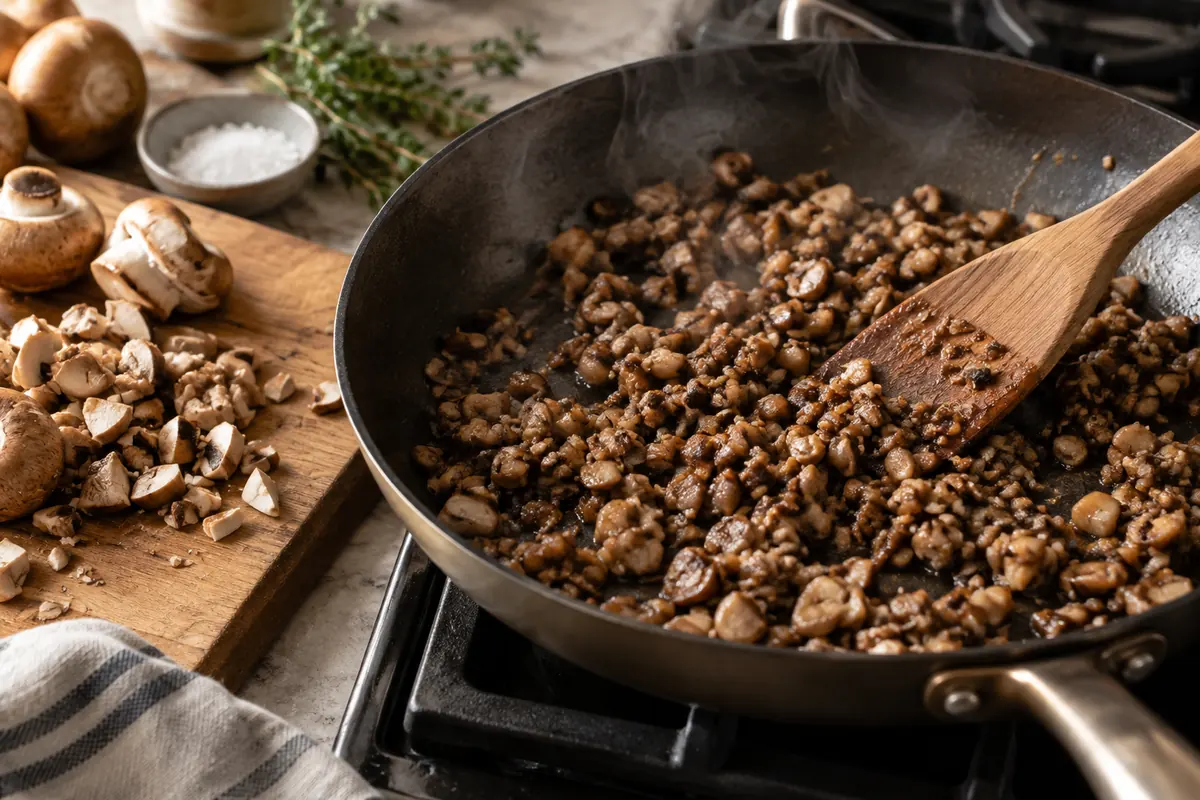
Chopped mushrooms can fill a taco, deepen a bean pot, or join a meat sauce. Give the water somewhere to go before asking the mince to brown.
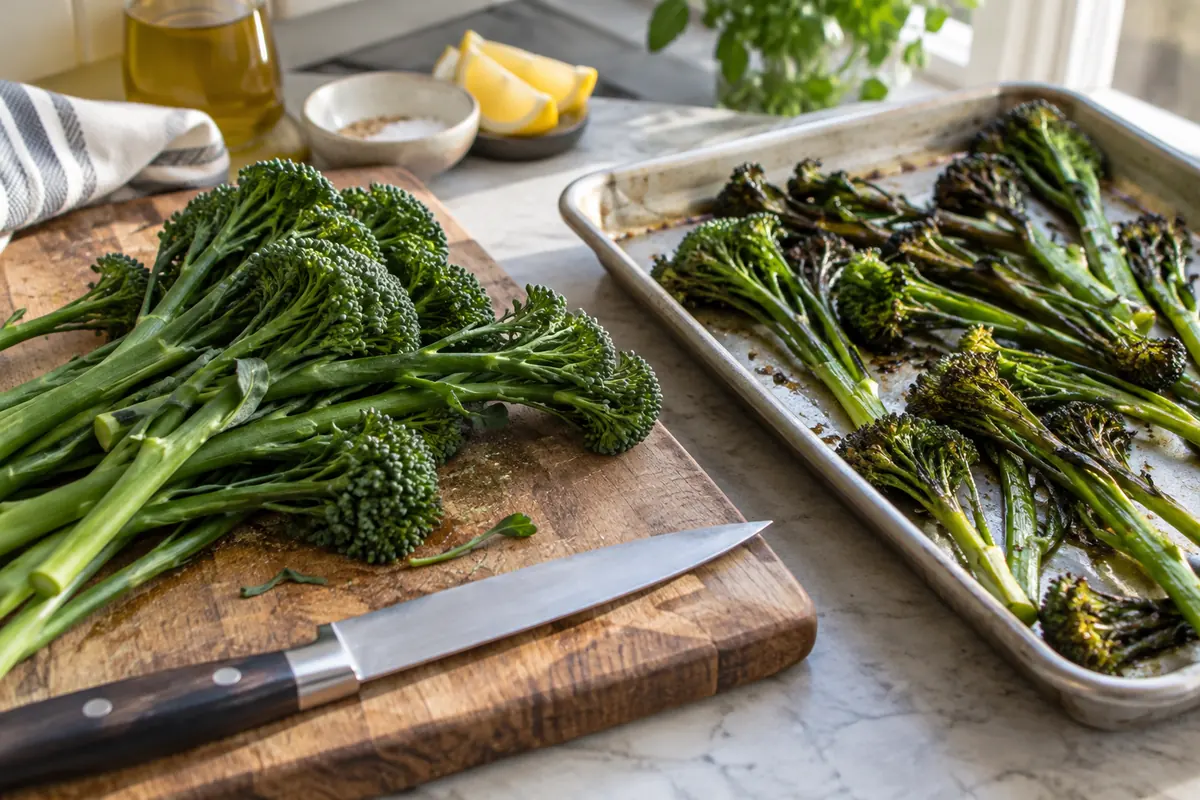
The slim stems are part of the vegetable, not packaging around the florets. Adjust the cut and cooking sequence so both parts reach the plate in good shape.
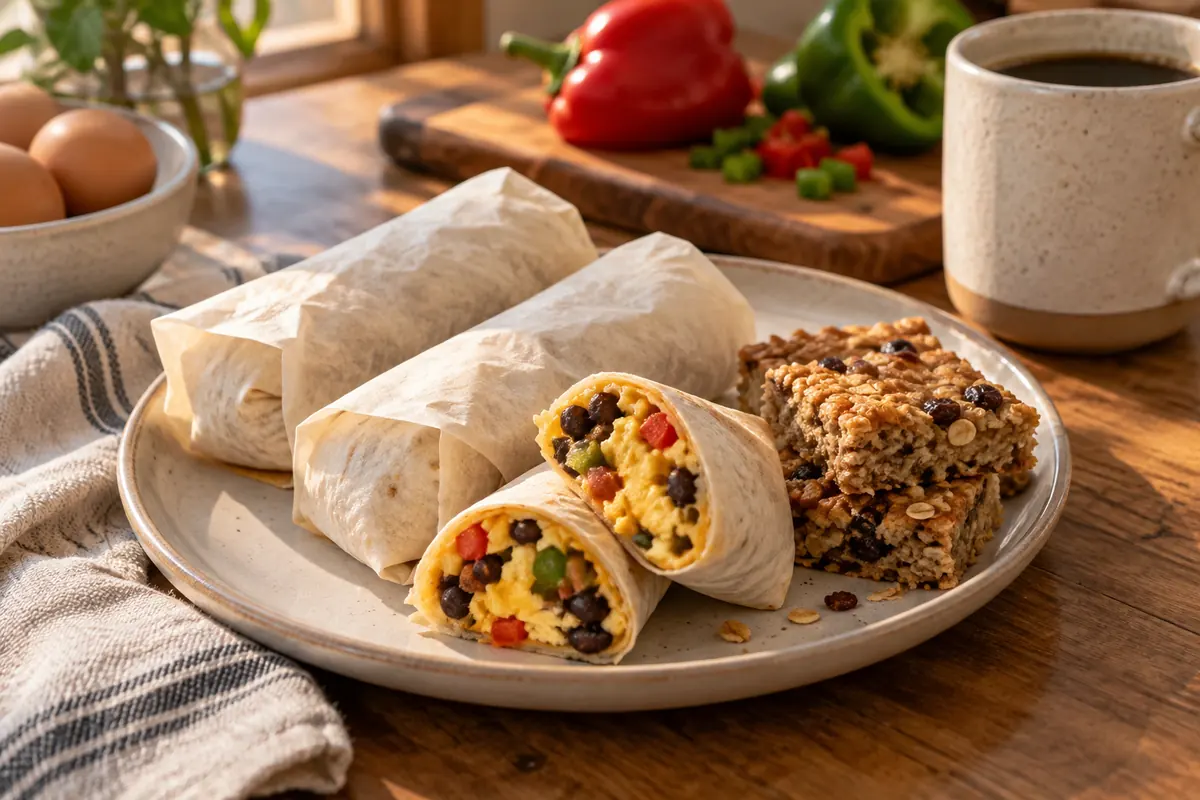
Freeze breakfast in the portions you will actually use, separate crisp toppings from soft bases, and make the reheating instructions part of the package.
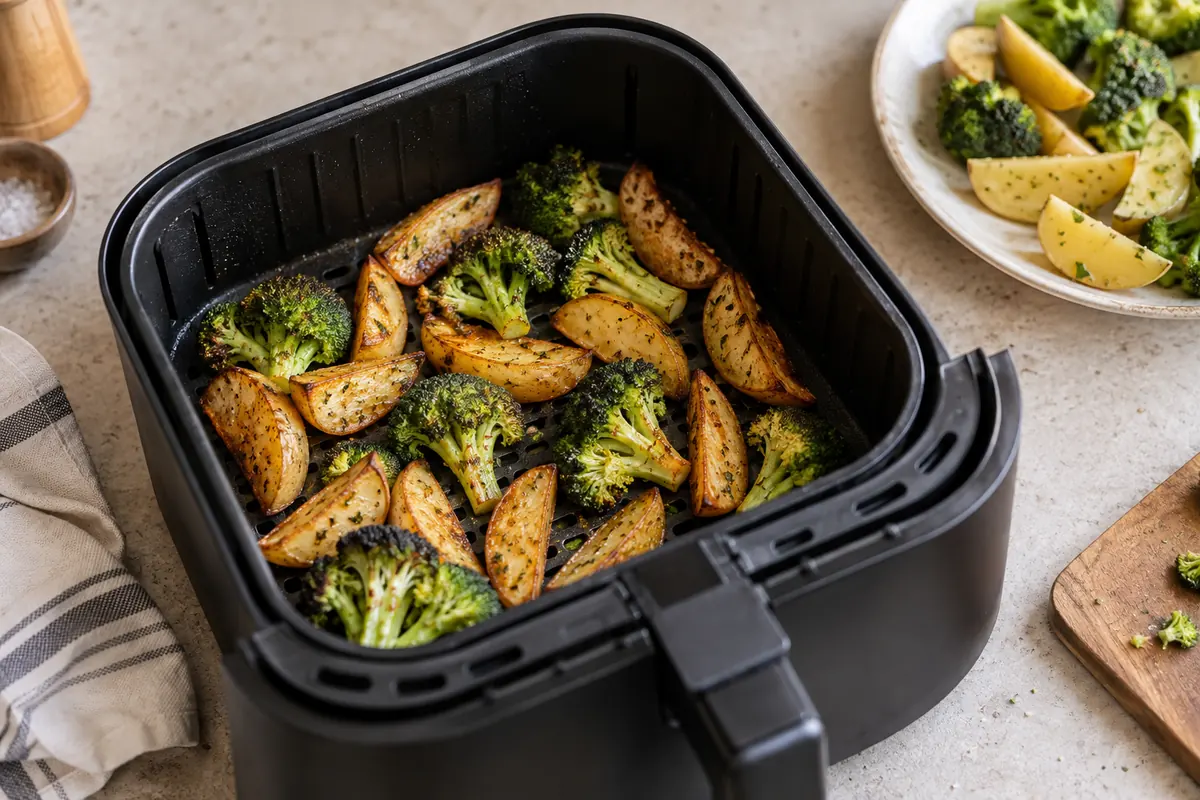
Work backward from the basket's usable space, then give the rest of dinner a different job. One crisp component can be enough for a complete meal.
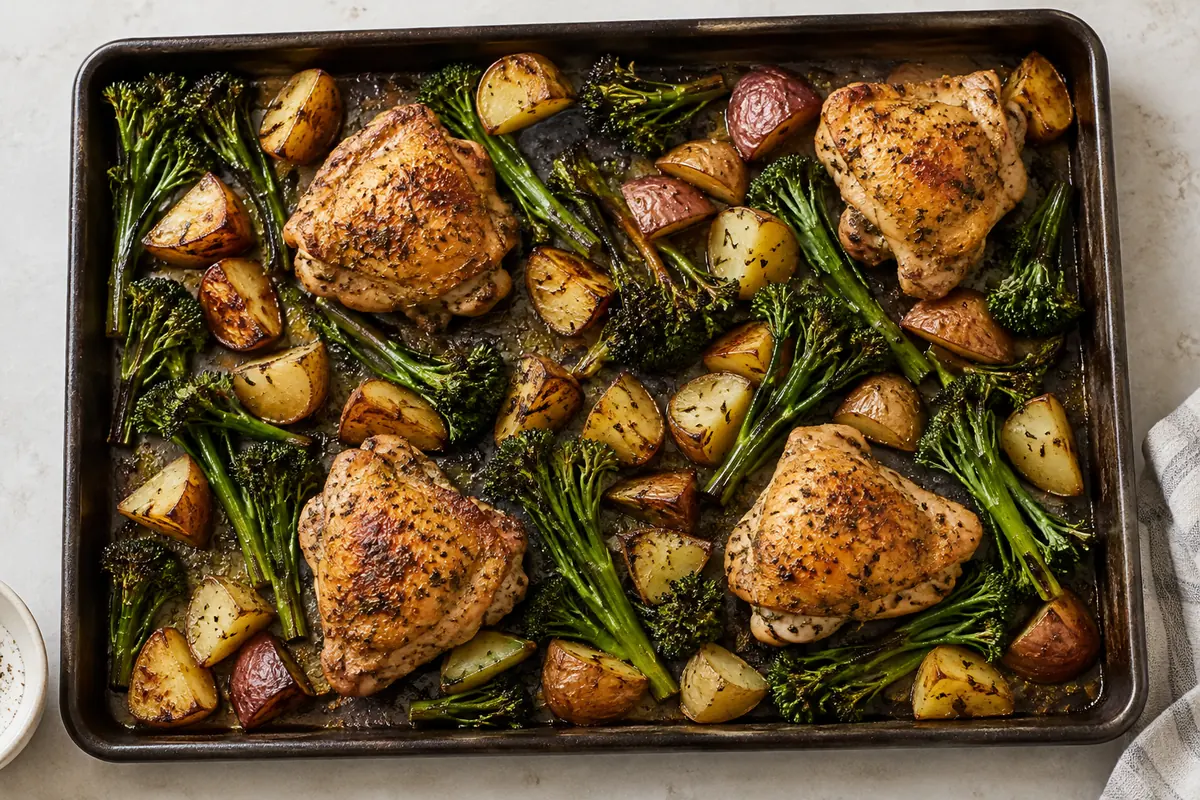
Choose compatible cuts, stagger the quick ingredients, and leave space for browning. The easiest tray dinner is planned around what the food needs from the oven.
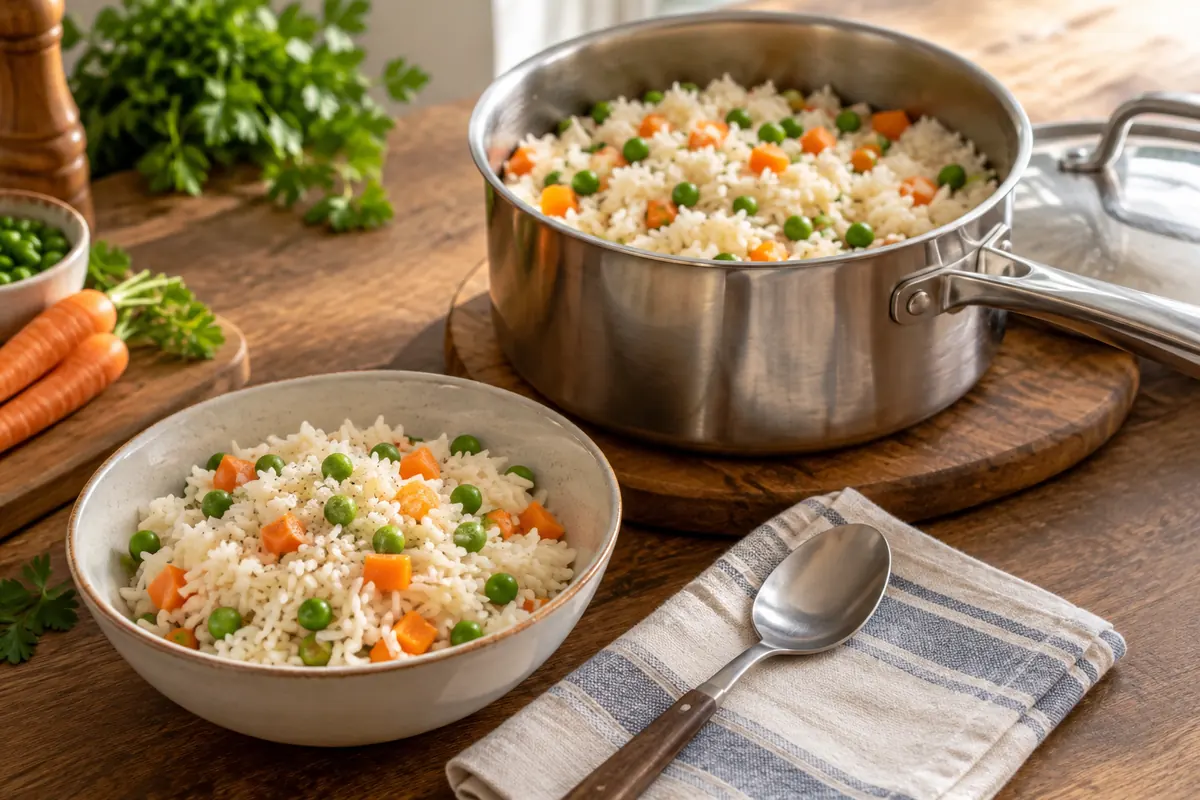
A saucepan can handle a useful rice base while toppings supply the variety. Keep liquid, grain type, and added ingredients separate in your plan before trying to cook everything together.
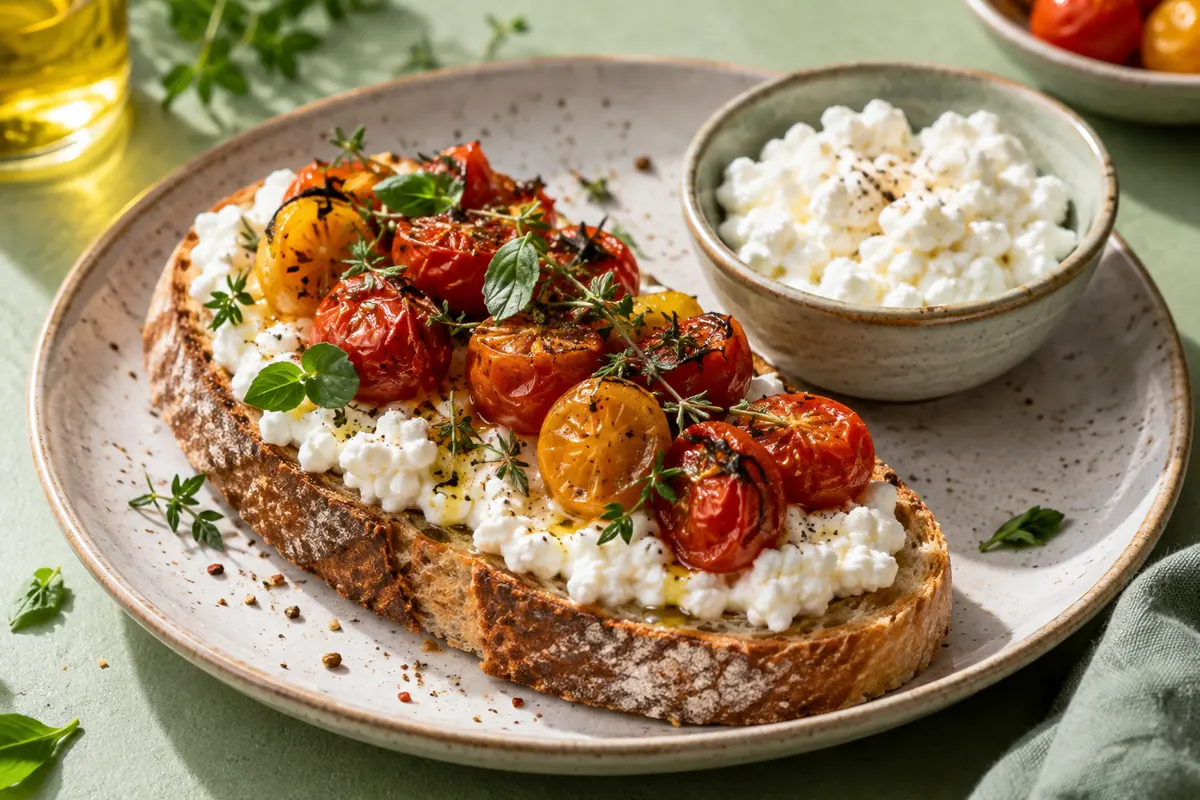
Cottage cheese can be a spread, a filling, or part of a sauce. Choose its job before blending the tub into something it was never meant to replace.
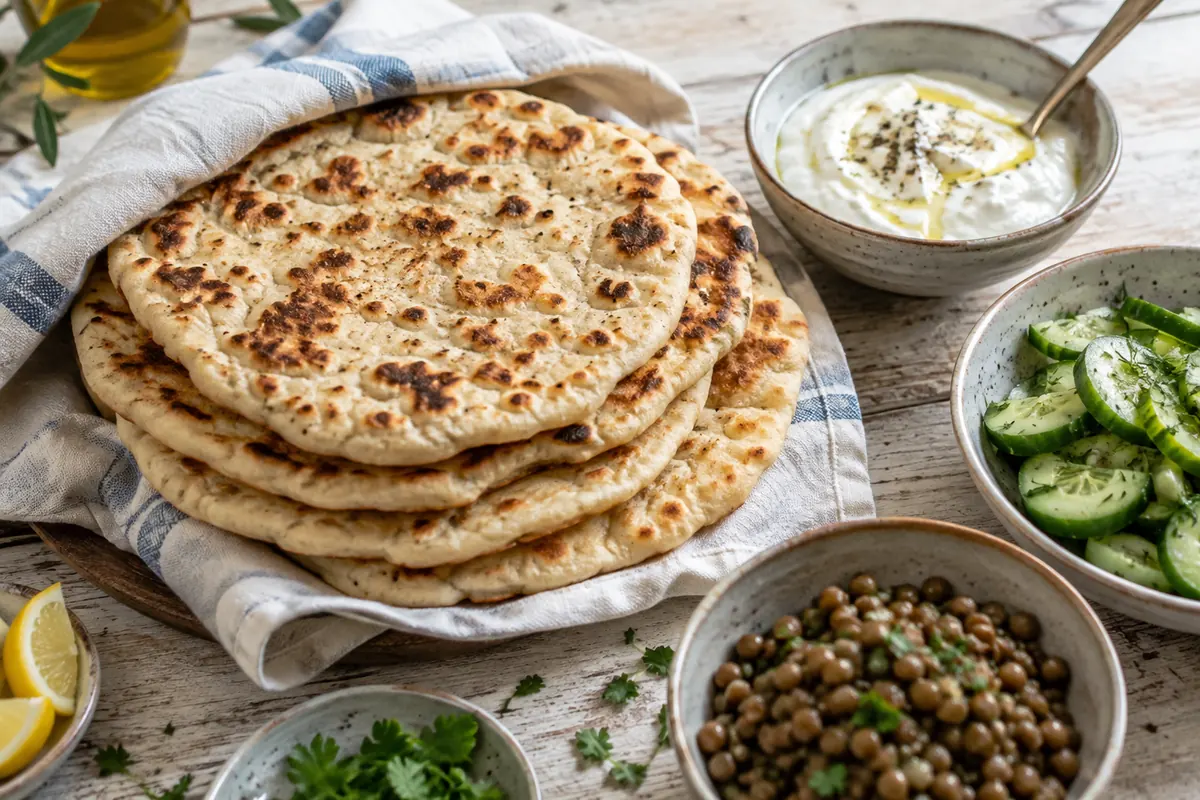
Choose a reliable dough, keep the pan work manageable, and prepare the fillings first. Warm bread needs companions that are ready when it leaves the skillet.
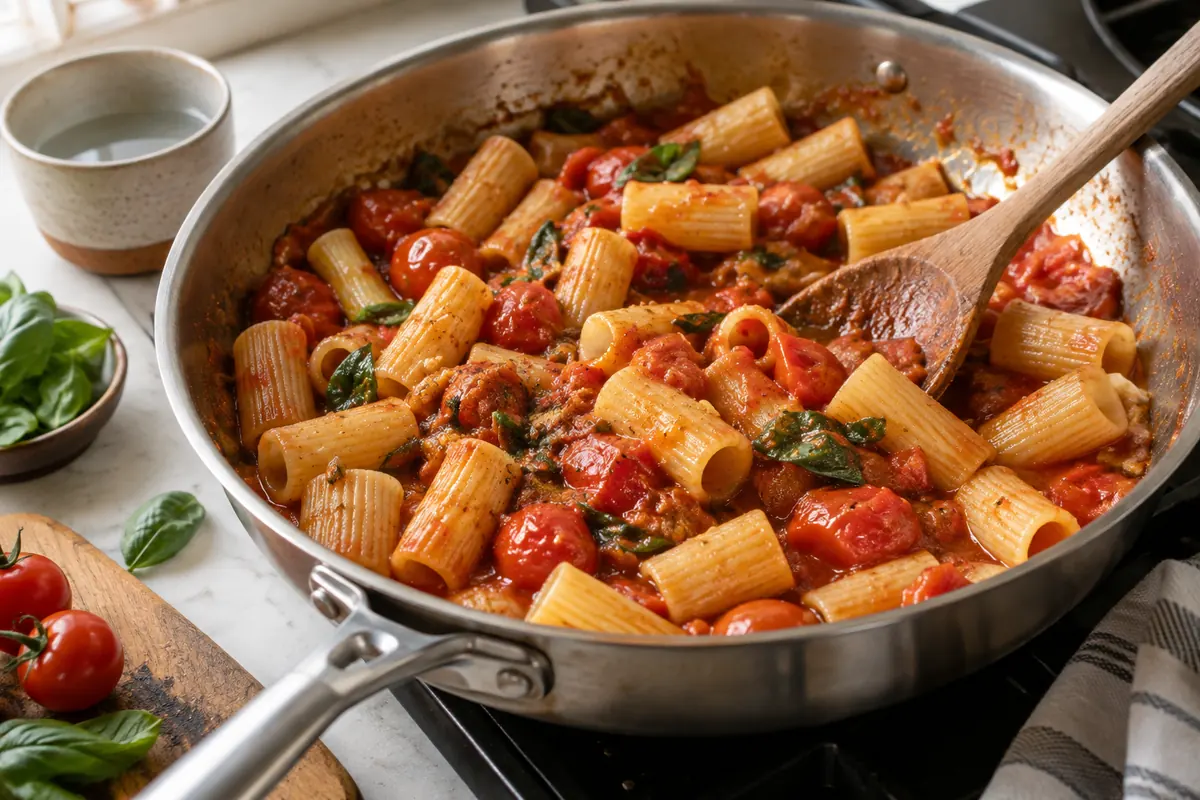
Control the liquid, give ingredients the right cooking order, and finish with a sauce that clings. A smaller washing-up pile is useful only if dinner tastes good.
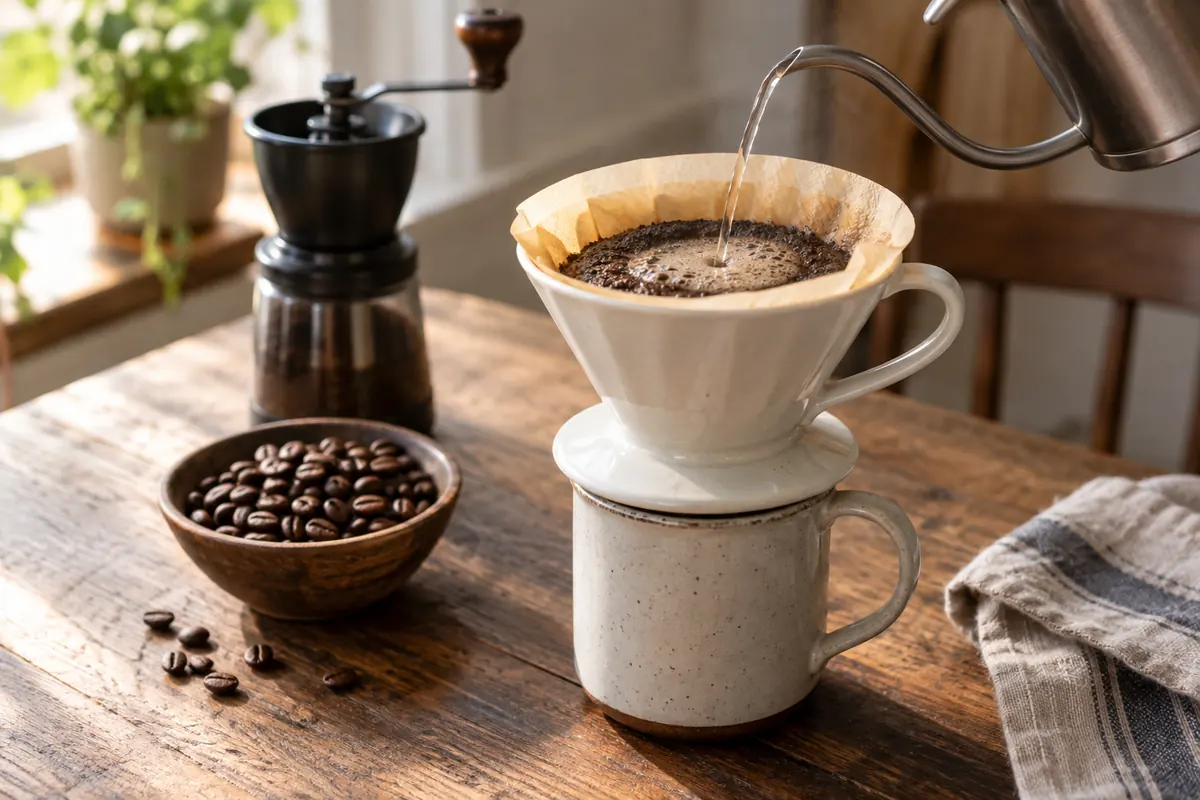
Choose the cup you want, make the dose repeatable, and learn one brewing method. A clear routine can tell you which equipment would actually help.
Keep a good thing close
Save the recipes you want to come back to. Your recipe box stays on this device.