Choose the broad pan for broad cooking
The size also changes the practical demands. A wider pan occupies more burner space, needs a larger landing area and can be awkward at a narrow sink. Buy around the meal and the kitchen together. A nominal 12-inch diameter is useful only when there is enough room to use, wash and store the whole pan.
This selected pan does not include a lid
The stored product record lists no included lid for model 80116/007DS. Covered simmering therefore requires a separately fitted lid. Settle that before choosing it for recipes that switch from uncovered browning to a covered finish, rather than discovering the gap halfway through dinner.
A lid purchased by approximate diameter is not automatically a reliable fit. Check the actual product guidance and the accessory’s temperature restrictions. If a covered skillet is central to your week, compare the full cost and storage arrangement of pan plus suitable lid with an alternative that supplies both. The right package can matter more than a small difference between two pan bodies.
Use the cooking surface instead of filling the volume
The broad opening and sloped sides make it easy to reach food with a spatula. They also mean the flat base is smaller than the nominal diameter. Think about how ingredients sit against the metal rather than how much the pan can contain when filled deeply.
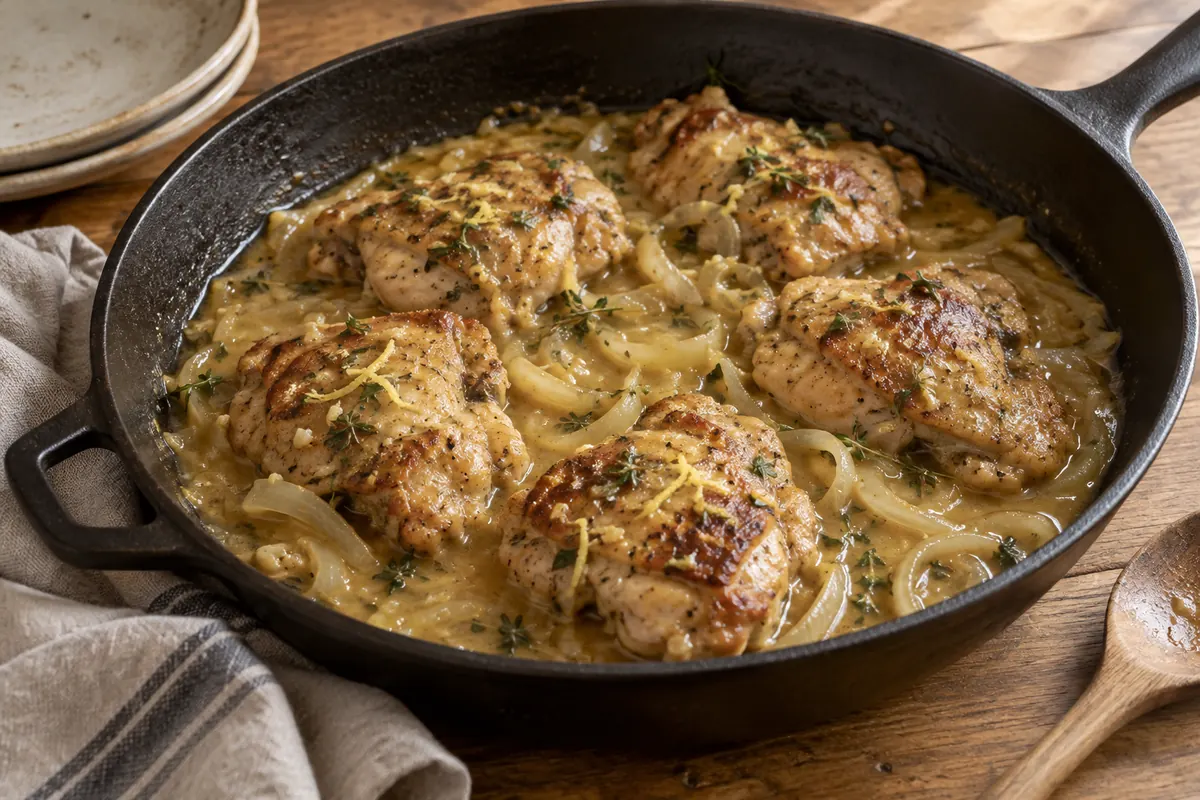
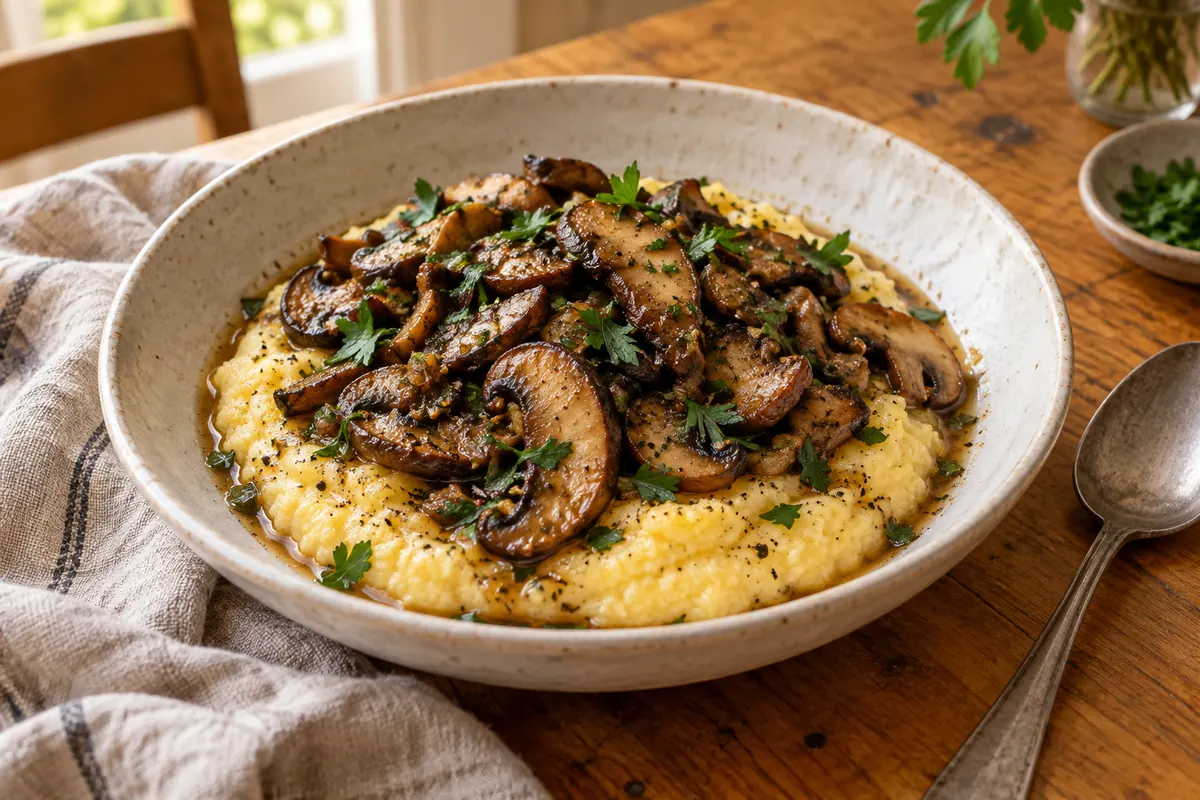
For a chicken dinner, leave useful space around portions before browning. For mushrooms, spread them so their released moisture does not collect beneath a pile. If ingredients still crowd the pan, work in rounds and combine them later where the recipe allows. A wider skillet gives you more room to organize dinner, while sensible loading still determines what happens after food enters.
The product in this review
The details that matter
Compare the exact model, dimensions, and care instructions before ordering. These notes draw on published specifications.
Searing followed by a pan sauce
Tramontina Signature 12-inch Tri-Ply Clad Fry Pan
The Signature 12-inch Tri-Ply Clad pan suits cooks who want room for browning and pan sauces on an uncoated stainless surface. Its main purchasing caveat is the absent lid: arrange a verified fit for covered recipes and check that your burner and storage can make useful space for the larger pan.
Check on AmazonSize, care, and tradeoffs
- size
- 12 inches nominal
- material
- Uncoated stainless steel with an aluminum core
- lid
- No lid listed; covered recipes need a separately fitted lid
- cooktops
- Gas, electric, ceramic glass and induction
- oven Limit
- 500 F
- care
- Dishwasher safe; follow the manufacturer care instructions
Consider: Covered simmering requires a separately fitted lid; no lid is listed with this pan
Manufacturer specifications ↗Research based on manufacturer specifications and product identity checked 2026-10-15. Price, seller, and availability can change; review the Amazon listing.
Make fond part of the plan
The uncoated stainless surface is a good reason to consider this pan for recipes that use browned residue in a sauce. Prepare the deglazing liquid and any aromatics before the main ingredient finishes. That keeps the transition orderly instead of letting an empty hot pan wait while you search the fridge.
Pay attention to the residue’s color. Browned bits and burned debris are not interchangeable, and adding wine or stock cannot remove a scorched flavor. The useful skill is managing the pan through searing, removal and deglazing at an appropriate heat. A tri-ply specification describes construction; it does not perform that sequence for the cook.
Match the large base to the cooking zone
The recorded construction is uncoated stainless steel with an aluminum core, and Tramontina lists gas, electric, ceramic-glass and induction compatibility. Check your stove’s guidance and compare the heating zone with the base. A small source beneath a wide pan may call for extra care with placement and preheating.
Do not use maximum heat merely because a bigger pan looks as if it needs more power. Start according to the recipe and observe the cooking response. If food browns differently in different positions, adjust deliberately instead of overloading the hottest part. Broad cookware offers useful working area when the heat source and method can support it.
Oven finishing needs a clear return route
Tramontina gives a 500 F oven limit. That supports dishes that begin on a burner and finish in the oven within the stated guidance. Check any separate lid at the same time, since its handle or material may impose a lower ceiling than the pan itself.
Keep suitable heat protection ready and make room on a stable trivet before removing the skillet. The habit of grabbing a long handle on the stove can be misleading after an oven session. A clear path matters especially with a broad vessel full of hot food, which deserves a controlled transfer rather than a last-second search for somewhere to put it.
Clean the places a sauce can hide
The stored care information lists dishwasher compatibility and directs owners to the manufacturer’s instructions. For ordinary washing, allow the pan to become safe to handle and remove food residue from the base, rim and handle attachments. A sauce can leave more behind than the center of the skillet suggests.
Treat stains and residue as different questions. A visible sign of use does not automatically mean the cooking surface has failed. Choose an appropriate cleaning method and avoid improvising a harsh treatment when the maker provides a process for stubborn food. Dry before storing, particularly if another pan will be nested inside and make remaining moisture harder to notice.
A sensible larger stainless pan, with a package caveat
Choose the 80116/007DS for meals that need a broad stainless surface, especially when you value a pan sauce after browning. It is a coherent option for a cook who accepts the learning involved in release and has a stove, sink and cupboard suited to the larger shape.
Choose a covered package instead when a fitted lid is an essential part of most meals. Stay smaller if compact dinners and a crowded stovetop dominate your cooking. If an existing large stainless skillet already handles the work, identify a specific shortcoming before replacing it. A new brand cannot supply a useful improvement without a problem for it to solve.
Before you buy
What to look for
A reason for the larger base
Choose this size when food repeatedly crowds a smaller pan, not simply because 12 sounds more versatile than 10. The nominal measurement includes sloped sides. Picture the contact area needed for your normal dinner and the space required to turn ingredients without pressing them tightly against one another.
A complete covered-cooking plan
The selected pan has no lid listed. If you routinely cover chicken, rice or another skillet dish, verify a suitable lid and its own oven limit before ordering. Compare complete packages on practical usefulness rather than comparing a bare pan with a covered alternative as if both supply the same equipment.
An appropriate place on the stove
Measure the footprint beside other pots and check the cooktop’s guidance. A broad pan should not force another vessel partly off its heating zone. Include a landing place and washing space in the fit check, since the skillet needs to move through the entire kitchen after cooking begins.
Make the decision
Choose for your kitchen
Searing followed by a pan sauce
This is the clearest role for a broad uncoated fry pan. Have sauce ingredients ready before removing the main food, watch the browned residue and manage the transition to deglazing. The useful advantage is doing those stages in one appropriate vessel, rather than assuming stainless steel guarantees a sauce without attention.
Cooking several elements of dinner
The wider shape can help a meal that otherwise needs repeated rounds, provided your burner supports it and the food remains sensibly arranged. Keep another vessel available for a component requiring different timing or depth. One larger pan can simplify dinner without being asked to replace every pot at once.
Mostly covered or very small meals
A supplied lid or a smaller vessel may be more useful if those needs dominate your week. This model’s broad uncoated surface has a clear purpose, but its size and bare-pan package are not universal advantages. Choose around the actual method rather than the appearance of a larger skillet.
A few useful answers
Questions before you buy
Does this 12-inch Tramontina come with a lid?
No lid is listed in the stored package information for model 80116/007DS. Confirm the current retailer selection and arrange a separately verified fit for covered recipes. Do not assume the pan supplies pieces pictured elsewhere in a cookware family or larger set.
What is the oven limit?
The manufacturer lists 500 F for the pan. Check any separately added lid or accessory as well and follow whichever relevant restriction applies to your setup. Oven protection remains necessary even when the handle felt manageable during the earlier stove-top part of the meal.
Is it suitable for acidic pan sauces?
The selected pan has an uncoated stainless-steel cooking surface, which makes it a useful candidate for pan-sauce cooking. Follow the recipe and manufacturer care guidance. Browned residue can contribute flavor, while scorched food is not something deglazing liquid can repair.
Will the larger model prevent crowding?
It gives more working room than a smaller size, but loading still matters. A deep pile of wet ingredients can crowd even a broad skillet. Use sensible spacing or separate rounds according to the recipe, and compare the useful base with the amount you normally cook.
Keep in mind
Check the selected size, included pieces and care instructions before ordering.