A small pan with a clear job
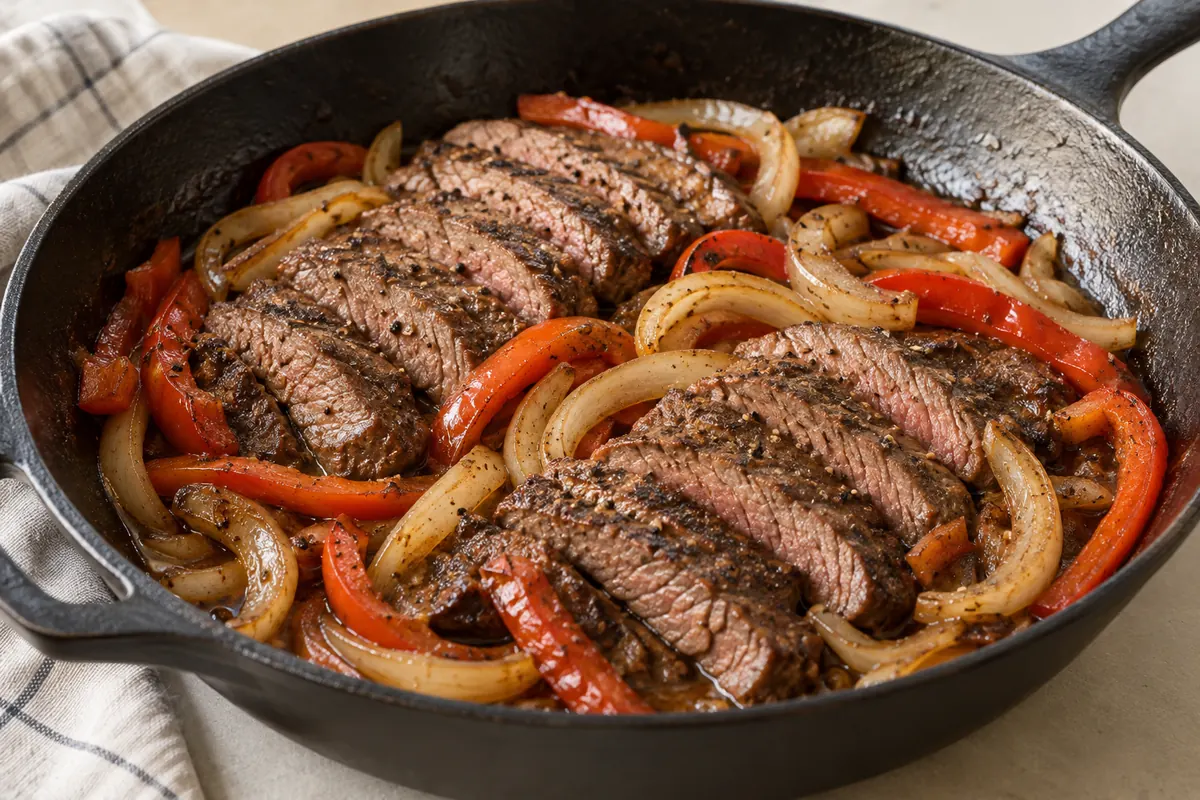
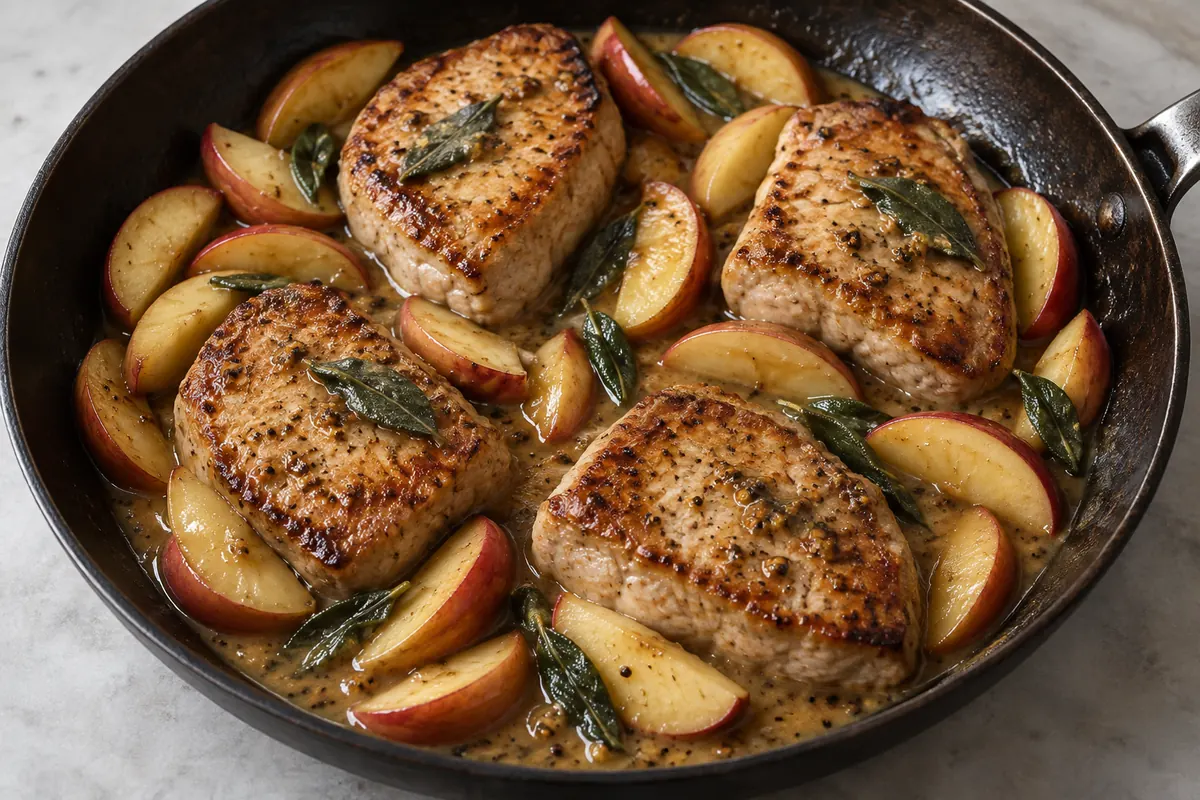
The size is its main qualification. This is a useful second pan for roasting a few potatoes or baking cornbread while another vessel handles the rest of dinner. It is less convincing as the only skillet for a cook who regularly spreads several large portions across the stove. Compact cookware cannot offer generous space and compact storage at the same time.
Read the diameter, then picture dinner
The 10.25-inch name is a useful shopping category. It does not describe an equally wide flat circle available for food. The sidewalls occupy part of that footprint, so a familiar recipe and the arrangement of its ingredients provide a better capacity check than a promised serving count.
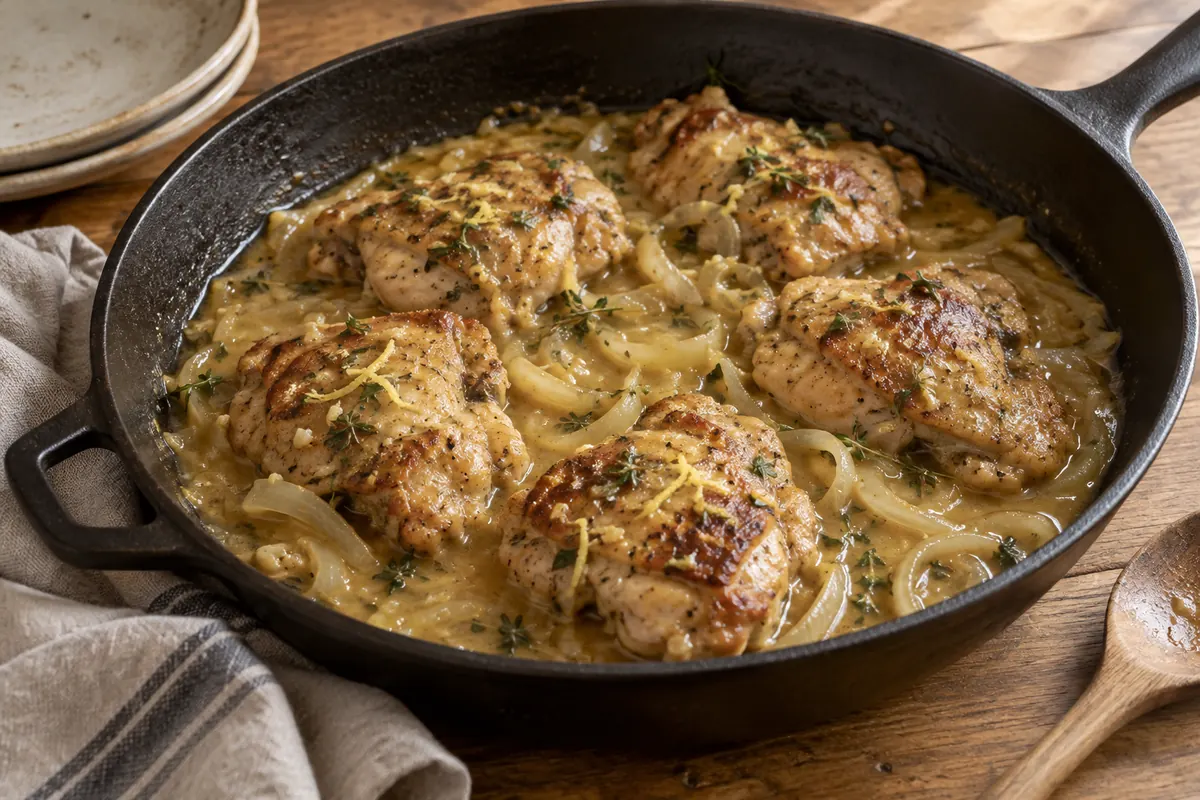
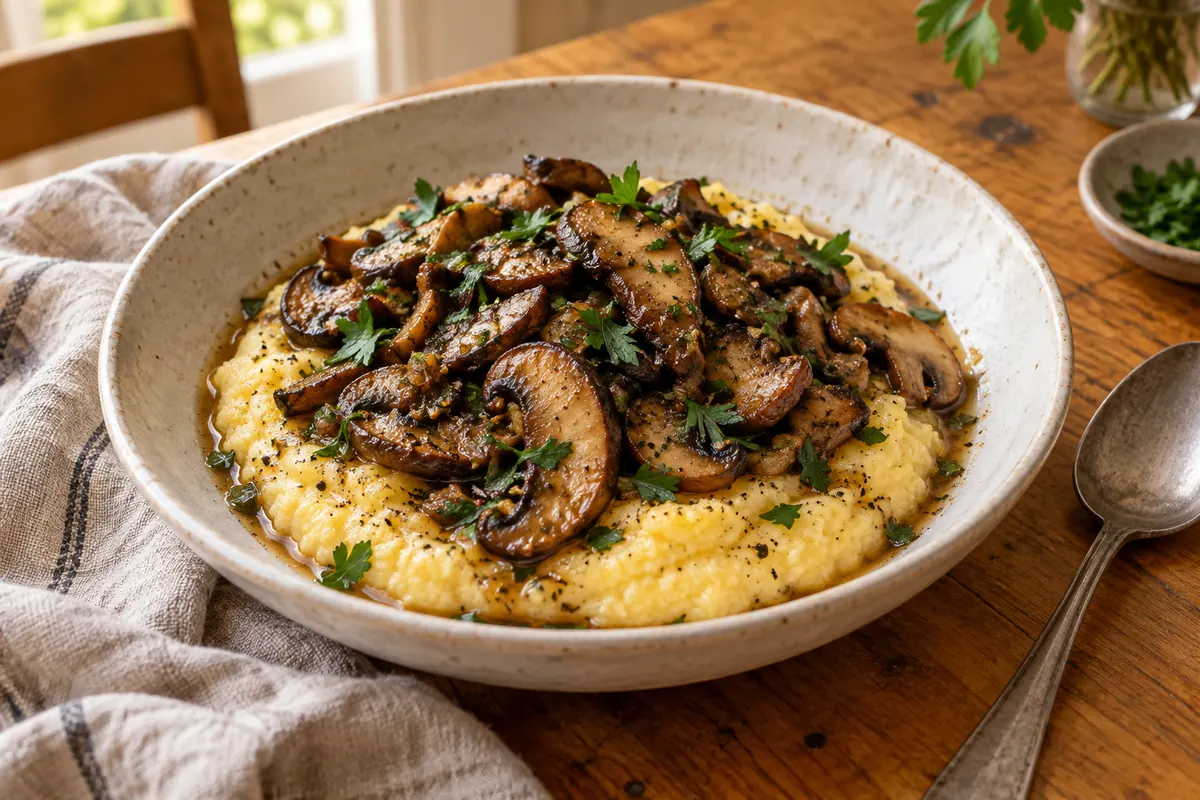
Compare a thick skillet cornbread with a batch of mushrooms. Bread uses the vessel as a container, while mushrooms need space to lose moisture against the base. A pan that comfortably holds ingredients may still crowd them during browning. If steam collecting around dinner is the main frustration, make useful contact area the deciding measurement before choosing this compact Lodge.
Use the helper handle as part of the design
The L8SK3 has a long handle and a small helper handle opposite it. Plan to use both when the pan is loaded. A second grip gives another protected hand somewhere to work when moving a hot skillet to a trivet, particularly when the food is loose or the oven rack sits awkwardly low.
Neither handle should be treated as a cool grip. Keep dry oven protection within reach and clear the landing spot before lifting. Consider cleanup as well: you need to handle the pan over a sink, dry it and return it to storage. A skillet that becomes inconvenient along that whole route is unlikely to become an everyday favorite.
The product in this review
The details that matter
Compare the exact model, dimensions, and care instructions before ordering. These notes draw on published specifications.
Compact skillet cooking
Lodge 10.25-inch Cast Iron Skillet
The L8SK3 is a sensible choice for smaller stove-to-oven dinners, cornbread and a second cooking surface. Buy it for meals that fit comfortably; move up a size if broad single-layer browning is the main reason you are shopping.
Check on AmazonSize, care, and tradeoffs
- material
- Seasoned cast iron
- size
- 10.25 inches
- handles
- Long handle and helper handle
- care
- Hand wash, dry promptly and oil
Consider: Heavy compared with many thin metal pans
Manufacturer specifications ↗Research based on manufacturer specifications and product identity checked 2026-10-14. Price, seller, and availability can change; review the Amazon listing.
Compare your options
Lodge vs. Victoria Cast Iron: Start With the Size ↗Make the first meals familiar ones
Begin with dishes that already make sense in a sturdy skillet: roasted vegetables, skillet chicken finished in the oven, or cornbread baked according to its recipe. These let you learn the size and surface without demanding a perfect omelet from unfamiliar cookware on the first morning.
Preheat deliberately over a suitable burner, use appropriate cooking fat and give food time before trying to move it. Maximum heat is not a shortcut to learning release. When food sticks, examine moisture, timing and heat before deciding the pan needs a complete restoration. A little orderly practice is more useful than treating every mark as a product defect.
Leave long acidic cooking to another vessel
Seasoned iron is useful cookware, but a long tomato sauce need not be its assignment. Keep stainless steel or suitable enameled cookware available for acidic simmering. That makes the Lodge easier to use well because you can choose it for its strengths without forcing every recipe through one surface.
This matters when deciding what to buy first. If your week revolves around tomato pasta, vinegar-rich braises and small portions of soup, a saucepan or nonreactive skillet may solve more immediate problems. The Lodge becomes a stronger purchase when dry cooking, oven finishing and skillet baking already appear regularly in your plans.
Finish cleanup while the routine is simple
The recorded care routine is hand washing, prompt drying and oiling. Let the pan become safe to handle, remove food residue and dry the metal thoroughly before storage. Leaving a skillet soaking until the following morning works against the care that seasoned iron needs.
Distinguish ordinary food residue from seasoning. Burned dinner is not a protective layer worth preserving. Follow the maker’s cleaning guidance for stubborn patches, then wipe any protective oil into a thin film instead of leaving a greasy puddle. If restoration becomes necessary, follow the full manufacturer process. An ordinary meal should not automatically turn into stripping and rebuilding the entire surface.
Buy accessories around an actual job
A suitable trivet and dependable oven protection matter more than a collection of specialized gadgets. If you want to cook covered dishes, verify the actual fit of a lid rather than assuming a similar size label guarantees a match. The linked skillet should not be treated as a complete lid-and-cover bundle.
Think about where the skillet will live. A pan buried beneath several others takes more effort to retrieve, while damp nested cookware creates an avoidable care problem. Let it dry completely and protect surfaces where needed. A useful storage arrangement makes the pan easy to reach without turning the cupboard into a balancing exercise.
The decision comes back to your ordinary dinner
Choose the L8SK3 if your meals fit a compact cast iron pan and you are comfortable ending cleanup with a dry skillet. Its simple construction and two-handle arrangement suit the cook who wants a working vessel rather than another appliance interface to learn.
Go larger if your ordinary proteins touch before cooking begins, or if repeated batches already delay dinner. Choose a lighter material if lifting is the persistent obstacle. A familiar brand cannot remove those constraints. If an existing skillet already does this job, keep using it until a specific limitation gives a new purchase a useful purpose.
Before you buy
What to look for
Useful base area
Judge capacity by how your normal food sits in a single layer. Nominal diameter includes the sides, and a pan that contains several portions may still crowd them during browning. Think about the dinner you cook most often rather than the largest meal you might make once a year.
A complete lifting route
Check both grips, oven protection and a clear landing place. The pan needs to work during cooking, serving and washing. If wrist strength or sink access makes that sequence difficult, a lighter material is a practical choice. Comfortable ownership matters more than an impressive collection of heavy cookware.
A care routine you will keep
Prompt drying belongs in the purchase decision. A skillet left wet in the sink asks for different habits from cookware that waits for the dishwasher. Choose seasoned iron when a quick wash, thorough dry and thin oil film can fit naturally at the end of your meal.
Make the decision
Choose for your kitchen
Compact skillet cooking
Choose this size for modest dinners and skillet baking when you value a pan that leaves room for another pot. It makes particular sense alongside a larger skillet, allowing a side dish or smaller supper to use its own vessel without heating and washing more cookware than the recipe needs.
A first cast iron pan
The L8SK3 gives you a straightforward way to learn seasoned iron without starting with a very large vessel. Keep early meals familiar, control the heat and allow time for cleanup. The learning curve is mostly about cooking and ownership habits rather than deciphering a complicated product.
Large batches every week
Look beyond this size if you regularly brown a large batch of chicken or mushrooms and dislike working in rounds. Its compact footprint becomes a limitation when the required contact area exceeds the base. A second pan can help, but buying the correct larger size may be the cleaner solution.
A few useful answers
Questions before you buy
Which Lodge model does this cover?
This is the L8SK3, sold as the 10.25-inch cast iron skillet. Confirm the model and selected package before ordering. A rounded size in casual conversation should not lead you to buy a different skillet or a bundle containing pieces you did not intend to choose.
Does every meal require a full seasoning treatment?
Normal care and restoration are different tasks. Follow Lodge’s instructions for washing, drying and oiling after use. Do not assume that each ordinary dinner requires stripping the surface or repeating a complete oven-seasoning process. Keep the more involved restoration instructions for situations that actually need them.
Will it replace a nonstick egg pan?
Factory seasoning is not a promise of effortless egg release. Heat control, cooking fat and surface condition still matter. If delicate cooking with minimal technique is the only priority, compare the ownership tradeoffs with a suitable nonstick pan before choosing cast iron.
Should I buy a 12-inch skillet instead?
Choose around your normal quantities and available space. The compact Lodge suits smaller meals; a larger skillet offers more spreading room and also takes more stove and storage space. Neither nominal size establishes an exact serving count for every dish.
Keep in mind
Check the selected size, included pieces and care instructions before ordering.