A berry with several pantry identities
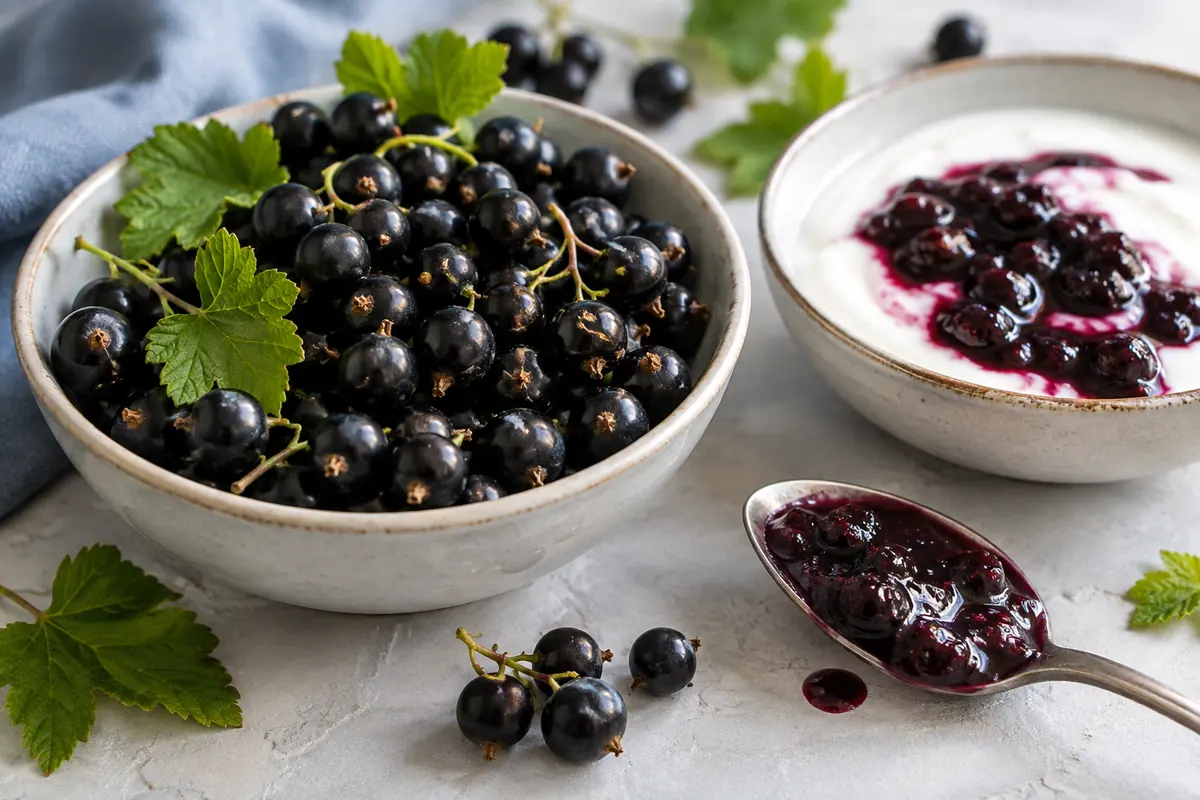
McCormick named black currant its 2026 Flavor of the Year in December 2025. That is a company's flavor forecast and product-development signal, rather than evidence that every supermarket now carries fresh berries. The useful kitchen opportunity is less dramatic: a strongly flavored fruit can give a modest dessert or sauce a clear identity. You do not need a purple menu from breakfast to dinner. A spoonful beside plain yogurt or a tart fruit layer in a familiar bake may be enough to understand what the flavor contributes.
Put it to work
Useful tools, at a glance
Skillet sauces and ordinary browning in uncoated stainless steel
Tramontina Signature 10-inch Tri-Ply Clad Fry Pan
Do not confuse currants on the shelf
A package of little dried baking currants is not automatically dried black currant fruit. In baking aisles, currants commonly means small dried grapes, including Zante currants. Look for the botanical or ingredient description when the distinction matters, and read a recipe's wording carefully. Substituting raisins for black currant jam will not produce the same flavor or texture. Equally, replacing the dried fruit in a traditional bake with a wet preserve changes far more than the fruit name, because the batter now has a different balance of moisture and sugar.
For actual black currant products, compare fruit content and the rest of the ingredient list. A sweetened spread suits a thin filling between plain cake layers or a small spoonful beside yogurt. Unsweetened frozen fruit gives a compote recipe more control over added sugar. Cordial belongs first in a diluted drink, where the final amount of water matters as much as the concentrate. A package may also include other juices, colors, or flavorings. Choose the format that supplies the job you need: fruit, filling, or a measured sweet liquid.
Use frozen fruit when you want control
Unsweetened frozen berries make sense when you want to decide the final sweetness yourself. They can become a spoonable compote, a sauce for a simple pudding, or the fruit component in a recipe designed for them. Keep their released liquid in mind. A thawed berry mixture can be much wetter than it first appears, and pouring it into a cake formula developed for a thick jam is a structural change. Choose a recipe that specifies fresh or frozen currants and follow its preparation and thickening method.
For a small serving sauce, think about the desired finish before reducing. A loose sauce can run through yogurt or around a slice of cake; a thicker compote can sit on toast. Taste when the mixture is cool enough to judge properly, because a hot spoonful gives a different impression from the chilled dessert you plan to serve. Add sweetness in stages. You can always make the next adjustment after seeing how the berries behave, while an oversweetened large batch leaves fewer options beyond dilution with more fruit.
Let jam earn its place beyond toast
Black currant preserve is often the simplest introduction because it is ready to use and stores according to a clear label. Its sweetness is part of the ingredient. Spoon a little into plain yogurt instead of sweetening the whole bowl first, or use a narrow layer between components of a dessert. A dark tart preserve can stand up to a rich dairy element, but its intensity also makes a thick layer easy to overdo. Think in terms of contrast: enough fruit to be distinct, enough plain food to let that distinction register.
In baking, use jam where the recipe expects jam. A filling for thumbprint cookies or a fruit layer in a bar has a different role from the liquid in a cake batter. A preserve containing whole fruit may need a different handling approach from a smooth jelly, and a loose spread may escape a shallow indentation. Avoid changing the filling and the dough on the same attempt. Keeping the familiar bake constant lets you learn whether this particular jar is pleasantly tart, very sweet, firmly set, or prone to flowing when warm.
Bring the tartness into a savory plate
Fruit alongside savory food works when the rest of the plate gives it a reason to be there. A small black currant accent can sit beside roast vegetables, a rich piece of cheese, or a pan sauce that needs sweetness as well as acidity. Begin with a small sample of the sauce in a bowl and stir in a little preserve. Taste that mixture with the actual food before committing the whole pan. The salt, fat, and browned flavors on the plate will change how sweet the fruit seems.
If using a preserve in a pan sauce, remember that reducing the liquid concentrates its sugar as well as its flavor. Add it after the main browning stage, with enough liquid to disperse, and watch the consistency. A glaze that is attractive while hot may become sticky as it cools. Keep the rest of the seasoning simple until the fruit is integrated. Adding soy sauce, vinegar, mustard, wine, and jam all at once makes it harder to identify which adjustment would bring the sauce back into balance.
Treat cordial as a concentrate
A cordial is designed to become a drink when diluted, so start with the maker's serving guidance rather than using it like unsweetened juice. Add part of the suggested amount, then taste with the final water, ice, and any citrus. Sparkling water can make a rich fruit flavor feel lively, but it cannot remove excess sugar. If the glass tastes syrupy, a little more water may help more than an elaborate garnish. Leave room in the glass for that adjustment instead of filling it to the rim at the start.
For a dessert soak or sauce, a cordial brings both flavor and a concentrated sweet liquid. It is not a direct replacement for berries in a recipe measured by fruit weight. Use a formula designed for a syrup or concentrate, or make a small serving component that can be adjusted independently of the bake. A drizzle over a finished pudding is easier to control than a substantial addition inside an unfamiliar cake. That separation lets you enjoy the flavor without asking it to perform a structural job it was never designed to do.
Buy one useful format first
Choose the first purchase around a real meal. Jam suits toast, yogurt, and a familiar filled cookie. Frozen fruit suits someone who wants a less sweet compote and has freezer space. Cordial suits a household that will actually dilute and drink it. Buying all three because an ingredient is receiving attention can leave you with several partly used packages and no clearer idea of your preference. A modest jar or bag gives you enough opportunities to learn while keeping the pantry manageable.
Keep a homemade compote or sauce refrigerated according to reliable preparation-specific guidance, and follow the purchased product's instructions after opening. Use remaining jam where a concentrated fruit layer makes sense: inside a filled cookie, beside plain dairy, or stirred into a suitable pan sauce after browning. Reserve cordial for a drink or a recipe developed for concentrate. Separating those uses protects the structure of a bake and the balance of a savory sauce. The dark berry can remain distinctive without supplying every liquid and sweet element in the same dish.
Keep in mind
Dried baking currants are often dried grapes; check the label when buying black currant fruit.
Match the recipe to the form: fruit, preserve, juice, and cordial have different moisture and sugar levels.