Make a drink you want to taste
Whole Foods Market included a vinegar theme in its 2026 food and beverage forecast, published in October 2025. The report described products and uses the retailer expected to grow, rather than publishing measured search volume for every vinegar drink. The kitchen opportunity is straightforward. A bottle already used for dressing can sometimes become part of a fruit drink, provided it is a food vinegar and suits the flavor. You do not need a cabinet of specialty tonics before learning whether that balance appeals to you.
Put it to work
Useful tools, at a glance
Rinsing ingredients and straining small batches
Cuisinart Stainless Steel Mesh Strainers, Set of 3
Choose a vinegar for its flavor
Read the bottle as carefully as you would read a tea or juice label. Cider vinegar, red wine vinegar, rice vinegar, and an infused vinegar have distinct aromas and acidity. Seasoned rice vinegar may include sugar and salt; an aged balsamic can bring substantial sweetness and a much thicker texture. Cleaning vinegar is not a drink ingredient. Choose a product sold for food use, and avoid assuming that a more forceful acid will become a better beverage merely because the bottle looks plain or traditional.
Taste a tiny amount of the vinegar diluted in water before adding fruit and sweetener. You are looking for a flavor you can imagine in a finished glass, not endurance in the face of sourness. A delicate fruit may disappear behind a strongly woody or wine-like vinegar, while a richer fruit can support a bolder partner. This preliminary taste costs almost nothing and keeps you from using a whole bowl of ripe berries to cover a vinegar flavor you did not enjoy in the first place.
Keep concentrate and serving separate
A shrub-style syrup and the finished drink are separate stages. The concentrate combines fruit flavor, sweetness, and vinegar; the serving glass adds water or another suitable mixer. That division is useful because you can adjust one glass without rebuilding the whole batch. Follow a reliable recipe for the concentrate, especially when making it ahead, and treat it as a refrigerated food rather than an improvised shelf-stable preserve. A splash of vinegar does not make every fruit mixture safe to leave at room temperature indefinitely.
When assembling a drink, put a little concentrate in the glass and add most of the planned water. Stir, taste, and only then decide whether it needs more concentrate. Ice will add further dilution as it melts, so judge the drink both immediately and after a short pause. If you pour a large amount of syrup first, the glass may fill before there is enough water to soften it. Beginning modestly gives you room to correct sweetness and acidity while keeping the serving a sensible size.
Sweetness and acidity need a third reference
It is tempting to correct too much vinegar with more sugar, then correct too much sugar with more vinegar. That loop can produce an intensely flavored concentrate while leaving the original problem in place. Water is often the missing adjustment. Take a small sample into a second glass and dilute it before changing the batch. If that sample tastes pleasant, the balance of the concentrate may be reasonable and the serving ratio simply too strong. If it still tastes sharp or flat, make the next change in the sample first.
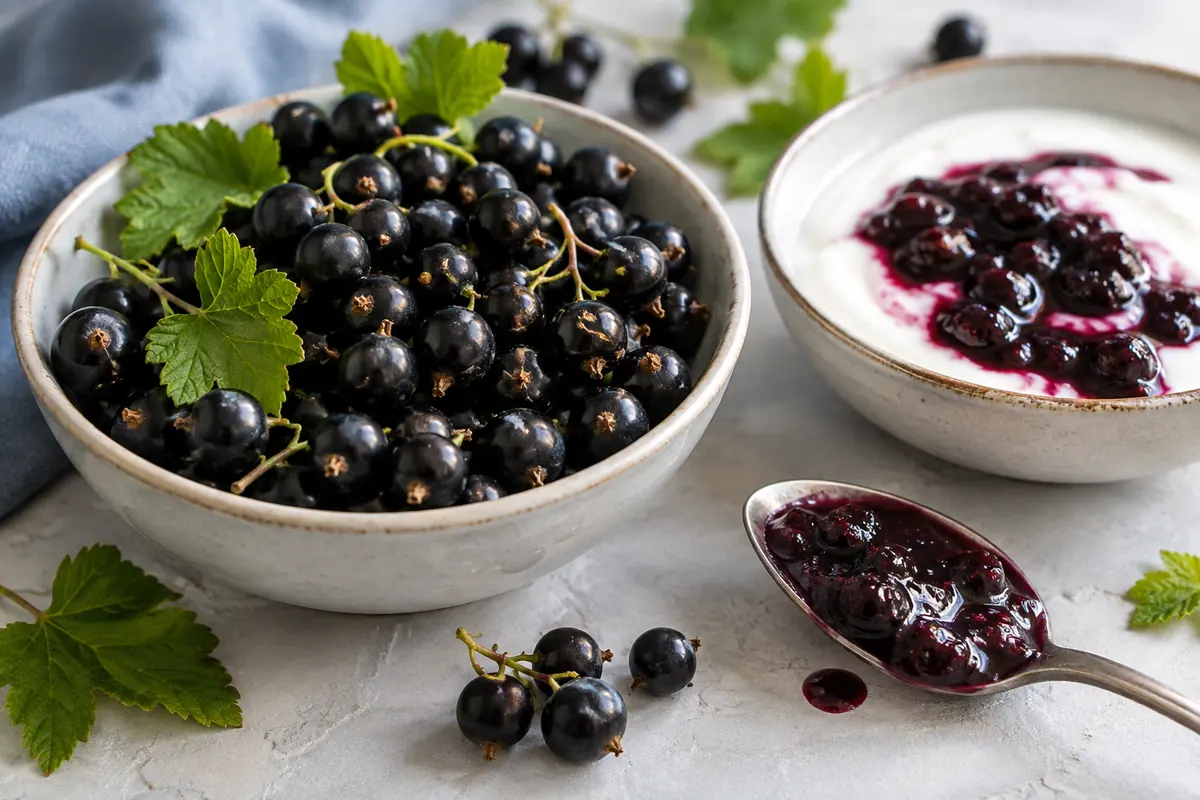
Fruit changes the equation. A sweet ripe peach and a tart berry do not contribute identical amounts of sugar or acidity, even when a recipe uses the same weight. Keep the concentrate tied to its intended fruit and form. A jam-based mixture brings cooked fruit and existing sweetness, while unsweetened juice supplies a thinner starting liquid. At service, use a small sample to judge the concentrate with cold water and ice. That keeps an adjustment to one glass from turning the whole batch into a much stronger syrup than the original method intended.
Cold and bubbles change the experience
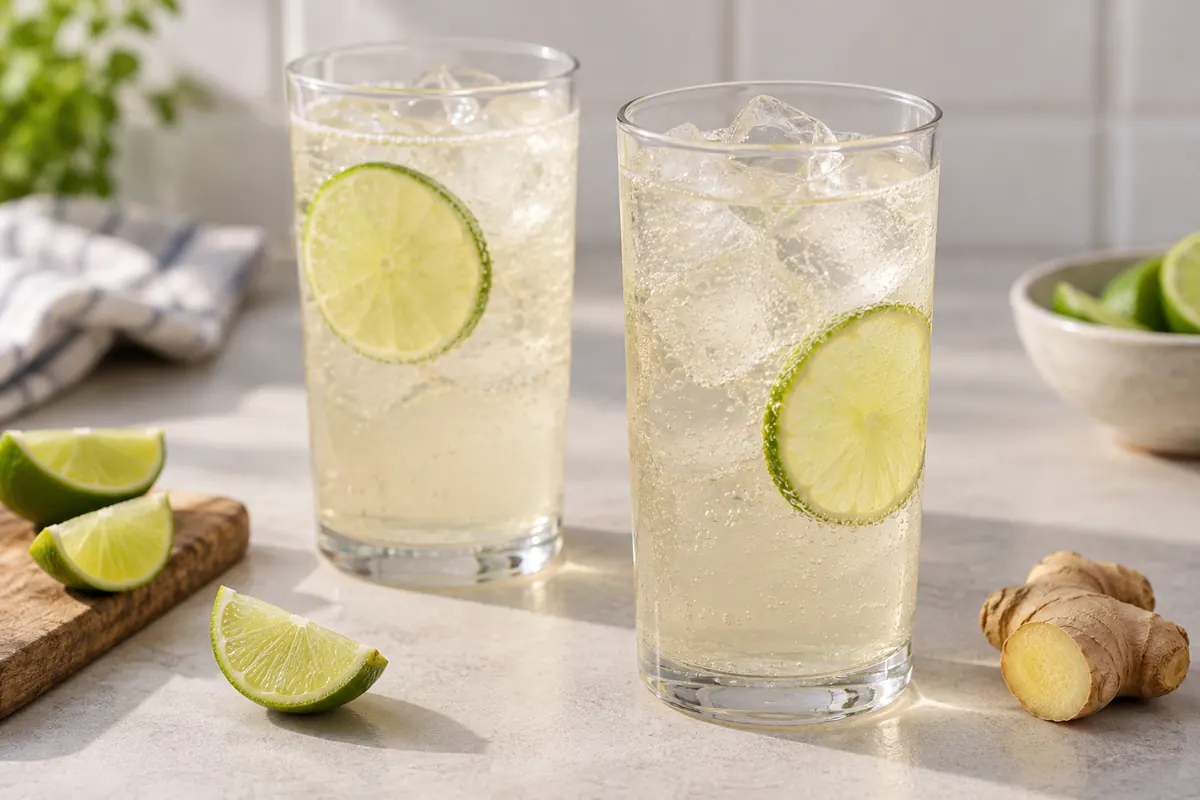
Chill the water and the serving glass if you want a crisp cold drink without relying on a mountain of ice. A lukewarm mixture poured over ice can dilute quickly while still tasting unevenly chilled. Carbonated water adds another sensory element, so a drink balanced with still water may feel sharper once the bubbles arrive. Test a single sparkling serving rather than carbonating or mixing an entire pitcher before tasting. Add the sparkling water gently near serving time if keeping the bubbles matters to you.
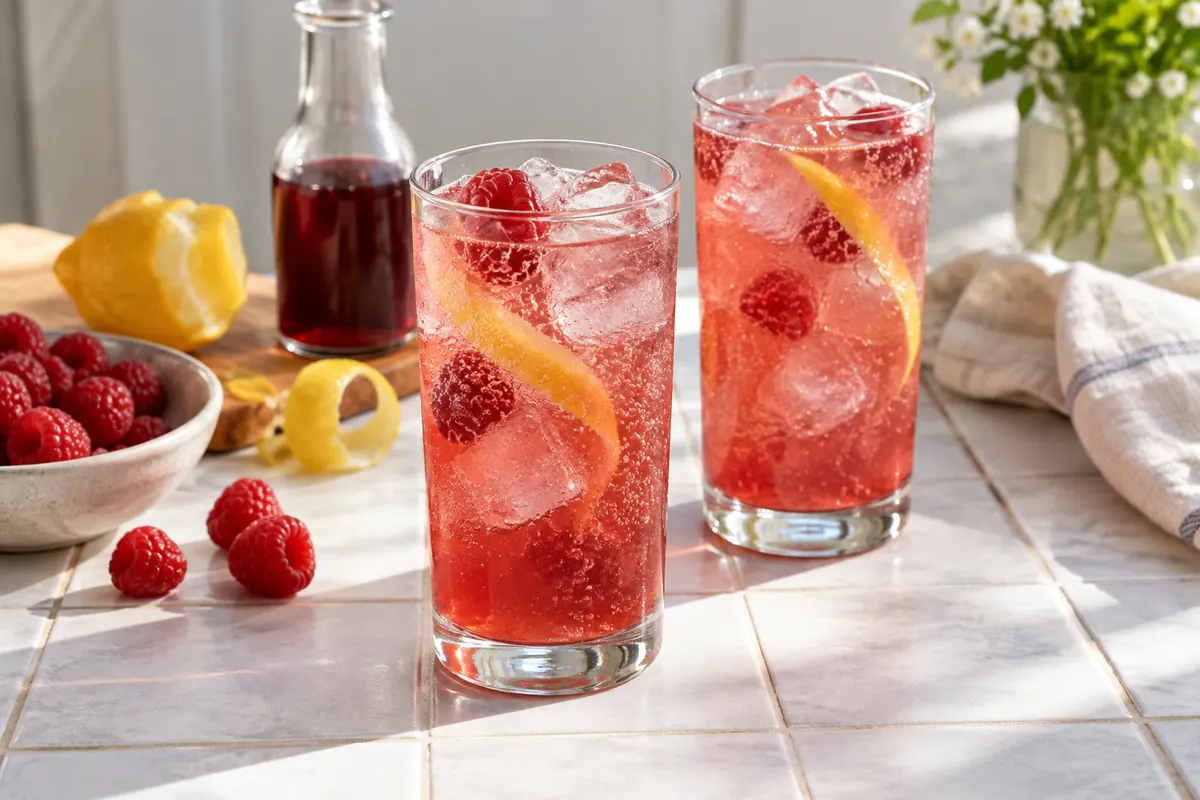
Garnishes should support the drink rather than make it difficult to sip. A thin citrus slice, a small herb sprig, or a few pieces of the featured fruit can be enough. Too much crushed herb can become bitter or clog the glass, while a large pile of fruit displaces the dilution you carefully planned. If serving several people, make the concentrate ahead, chill the mixers, and assemble glasses as needed. Each person can then choose a lighter or stronger version without leaving a large pitcher to go flat.
Strain for the texture you want
A fruit drink can be clear, pulpy, or somewhere between. None is automatically superior, but the texture should be intentional. A fine mesh strainer removes many seeds and coarse bits from a fruit mixture while allowing liquid through. Pressing hard on soft fruit can push more pulp into the liquid, which may be desirable for body but can also make a drink cloudy. If clarity is the aim, let gravity do more of the work and accept that some liquid will remain with the solids.
Keep the strainer stable over a bowl large enough to catch the liquid, and pour in manageable amounts. A sticky overflow is easier to prevent than to clean from the counter and floor. Stir the finished concentrate before measuring if it separates, and use a clean utensil each time. For a portable drink, strain enough to suit the bottle opening and keep it appropriately cold. A beautiful glass at home and a drink packed for travel have different practical requirements, even when the flavor combination is identical.
A small batch teaches more
Start with enough concentrate for a few glasses. Give it two or three reasonable uses, perhaps sparkling water, a spoonful in a fruit dressing, or a small component in another drink recipe designed for it. If the bottle is destined only for an imagined party, it may spend more time occupying refrigerator space than improving dinner. Date the container, use reliable storage instructions, and discard anything with signs of spoilage. Do not use an appealing sour flavor as a substitute for proper handling and refrigeration.
Put the finished drink beside food when deciding how strong to serve it. A tart berry drink can cut through a rich meal, while a lighter fruit-and-water version may be more comfortable with a delicate lunch. Offer extra chilled water so guests can dilute their own glass without adding more sweetener. Keep the refrigerated concentrate separate from the carbonated mixer until pouring, and use a small garnish that does not block the rim. A few balanced servings give the fruit and vinegar room to taste distinct throughout the meal.
Keep in mind
Use vinegar sold for food use and dilute it as part of a drink.
Homemade fruit concentrates require reliable refrigeration and storage guidance; they are not automatically shelf-stable.