Choose a Dutch oven around what you will cook
The selected EC6D43 is the Island Spice Red variant. That color may help it earn a permanent place on a shelf, but appearance should follow capacity and handling. Six quarts is a substantial vessel once food is inside. The best reason to buy it is a recurring meal that benefits from its shape, not the wish to display a larger pot.
Capacity should leave room for cooking
Six quarts describes nominal capacity rather than a recommended working fill line. Soups need room to stir, and a braise needs an arrangement suited to its recipe. A pot filled close to the rim is harder to handle and less forgiving during ordinary cooking than the capacity number alone suggests.
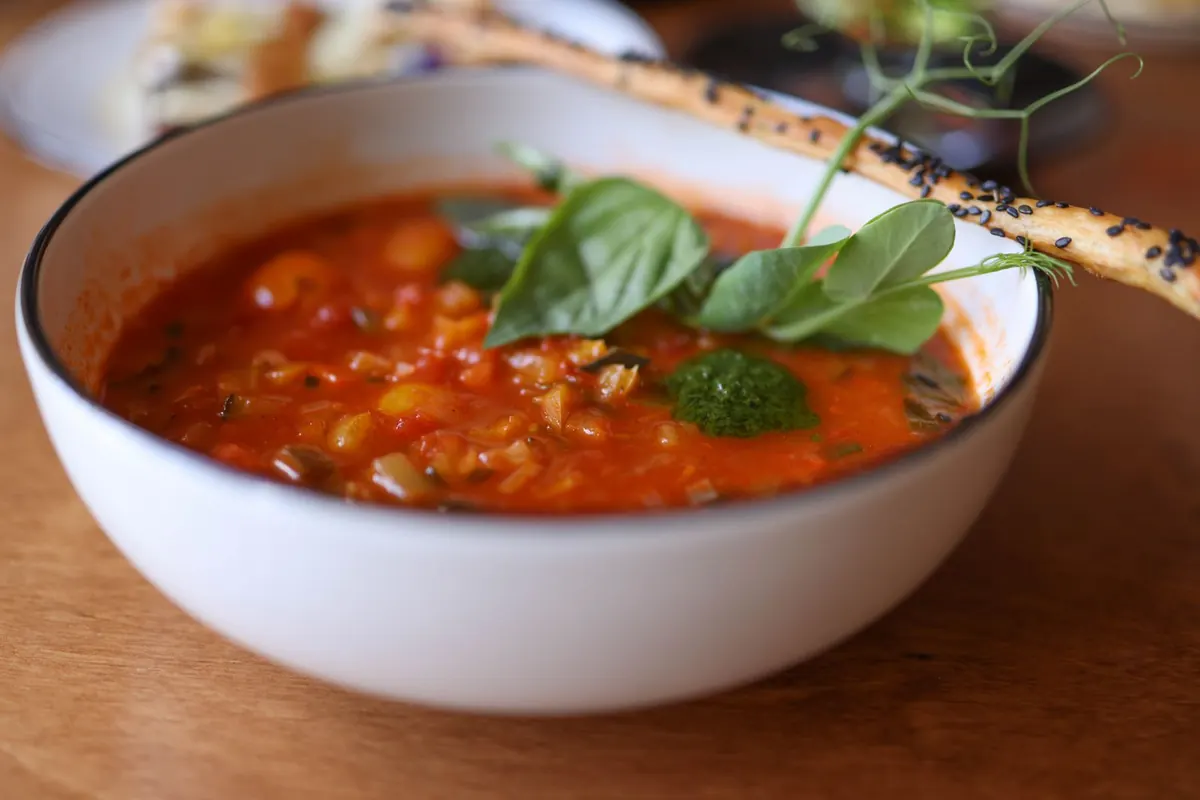
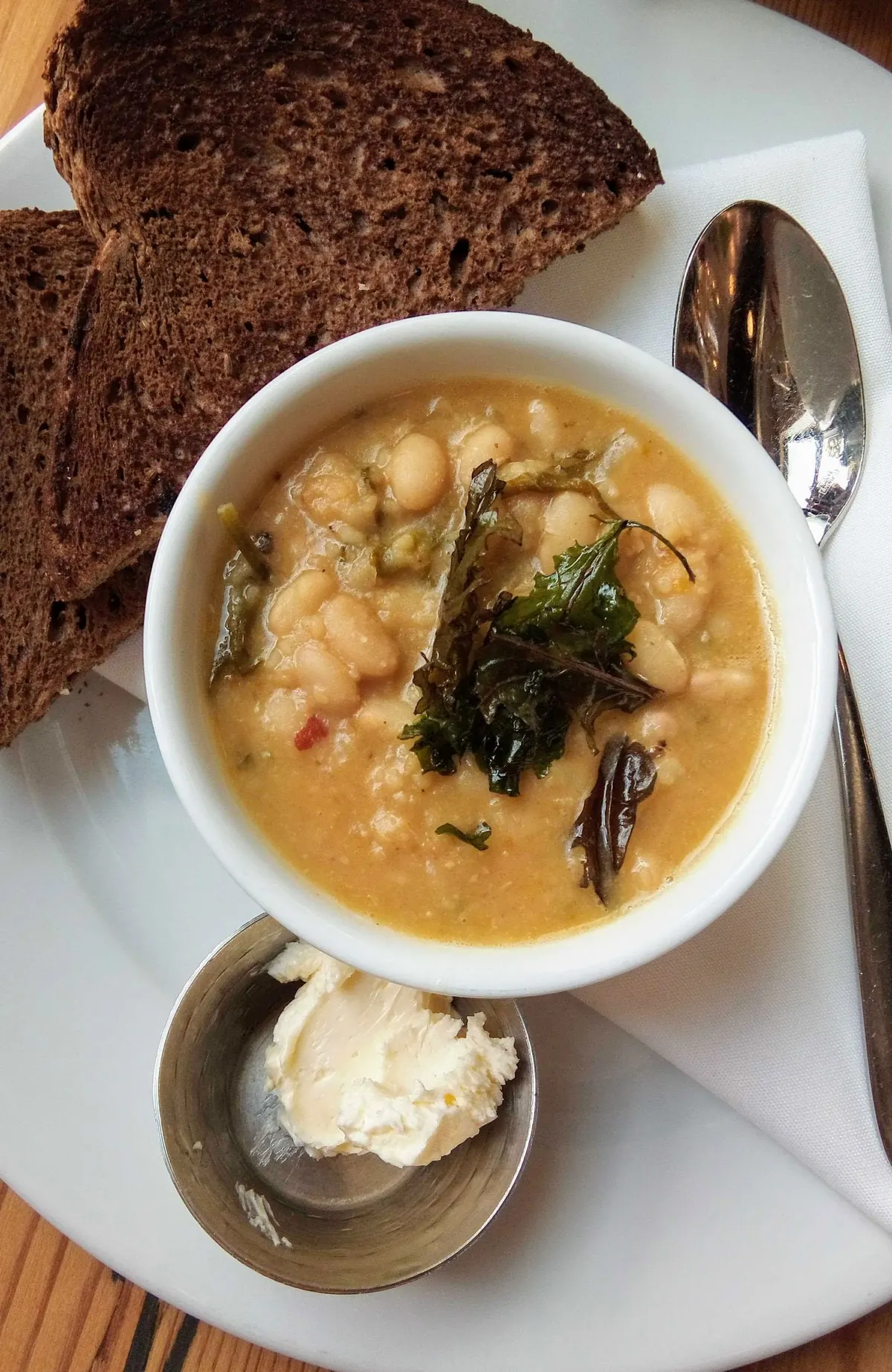
Look at the batches you actually make. A large quantity of beans or stew may give the vessel a clear assignment, while a small portion of sauce may be more convenient in a saucepan. Owning a Dutch oven does not mean every liquid dish needs to use it. Let the recipe and amount determine when its volume is useful.
Browning and simmering need different arrangements
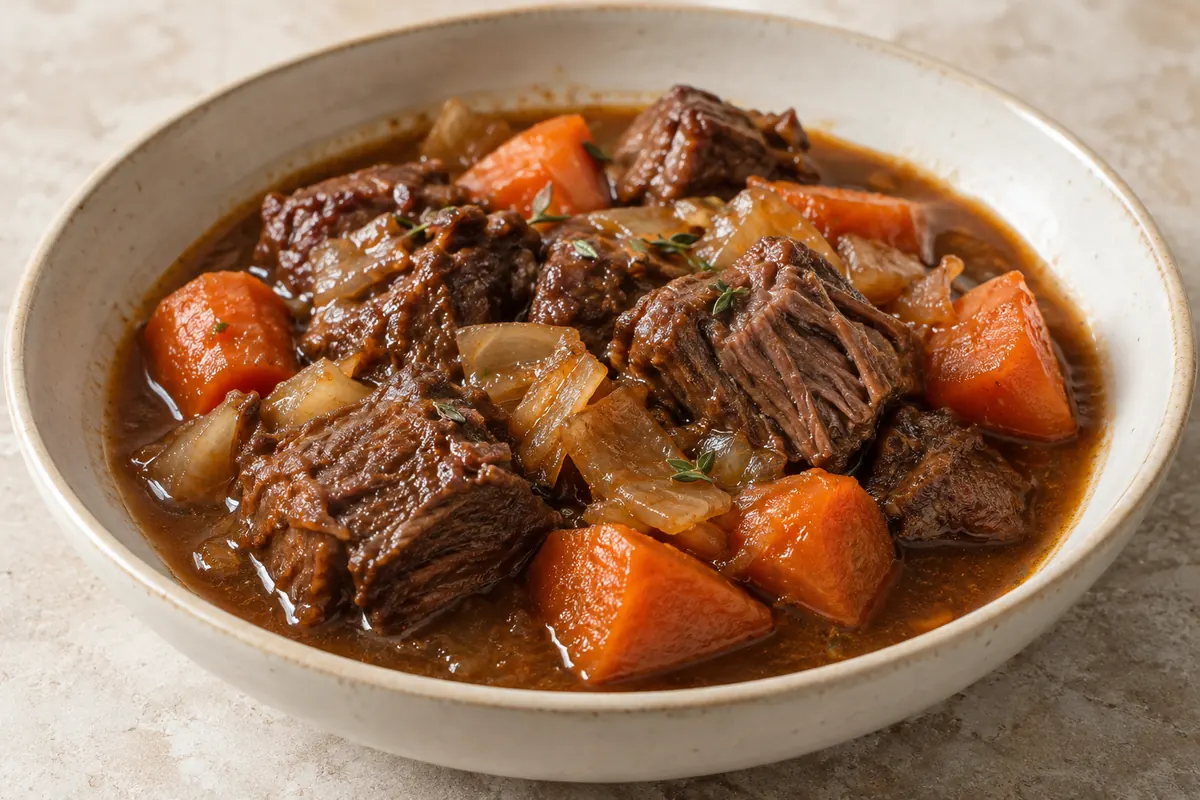
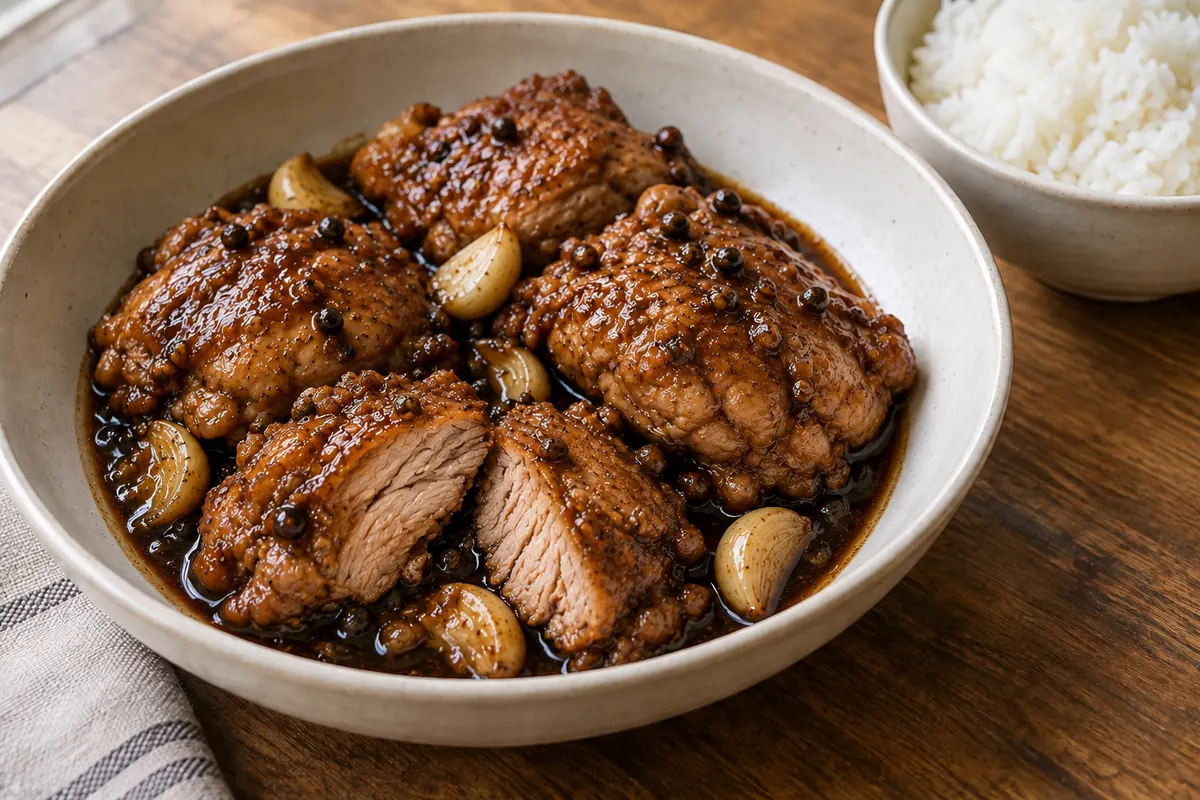
A Dutch oven can support a dinner that begins with browning and continues with liquid, but its depth does not create unlimited base area. Work in batches when ingredients need direct contact with the surface. Piling protein into the pot because the walls contain it can change the first stage from browning toward wetter cooking.
Have the later ingredients ready before the searing stage ends. A coherent sequence lets the same pot handle aromatics and the braising liquid without a frantic pause. Watch the color of residue on the enamel and adjust heat as necessary. One-pot cooking simplifies the vessel count, while still asking the cook to manage different stages deliberately.
The product in this review
The details that matter
Compare the exact model, dimensions, and care instructions before ordering. These notes draw on published specifications.
A weekly soup or stew pot
Lodge Essential Enamel 6-quart Dutch Oven, Island Spice Red
The Essential Enamel 6-quart Dutch oven is worth considering for regular soups, stews and covered oven meals. Choose it when the capacity is useful and the filled weight remains manageable. Protect the enamel, keep within the 500 F limit and do not treat it as grill or open-fire cookware.
Check on AmazonSize, care, and tradeoffs
- capacity
- 6 quarts
- material
- Porcelain-enameled cast iron
- cooktops
- Includes induction compatibility
- oven Limit
- 500 F
- care
- Hand wash recommended; avoid metal utensils
- restriction
- Not for a grill or open fire
Consider: Heavy, especially when full
Manufacturer specifications ↗Research based on manufacturer specifications and product identity checked 2026-10-14. Price, seller, and availability can change; review the Amazon listing.
Keep the oven limit and heat source in view
The stored specifications list induction compatibility and an oven limit of 500 F. This supports a useful transition from stove to oven when the recipe stays within the current guidance. Check the complete pot and lid instructions rather than assuming every component or replacement accessory has identical restrictions.
The Essential Enamel model is not for a grill or open fire. That is an important distinction from some seasoned Lodge cookware. Keep the intended cooking environment clear when choosing between products. A brand name shared with camping cookware does not make an enameled Dutch oven the right vessel for the same heat source or treatment.
Treat enamel as a surface worth protecting
Use gentle utensils and follow the manufacturer’s handling directions. Enamel is the working surface here, rather than a layer of food residue or oil to develop through use. Choose tools that stir and serve without unnecessarily striking or scraping the coating, and keep sharp cutting work on an appropriate board.
A large pot also needs room around the sink and stove so its rim does not repeatedly knock into other objects. Protecting the surface begins before cleanup. A comfortable, uncluttered route from burner to landing spot is useful cookware care as well as a practical way to move a heavy dinner without rushing.
The filled weight is part of the purchase
Consider the pot, lid and food together. Loop handles provide places for two protected hands, but they do not remove the load. If you can inspect cookware in person, think beyond lifting an empty display pot. Your normal route may involve a low oven, a narrow sink and a cupboard that requires an awkward reach.
Make a clear landing place before starting an oven dish. When it suits the recipe, handle the lid separately using suitable protection instead of trying to manage everything in one movement. If that overall routine feels difficult, a smaller or lighter vessel deserves serious consideration. Size is useful only when you can control it comfortably.
Plan cleanup before the pot reaches the table
Hand washing is recommended in the stored care guidance. Allow the vessel to become safe to handle, then remove food with appropriate tools and follow the maker’s cleaning process. Persistent residue calls for that process, rather than an improvised harsh treatment or scraping at the enamel with a sharp utensil.
Dry the pot and lid thoroughly before storage. If they share a shelf with other heavy cookware, think about how pieces will be retrieved and returned without knocking surfaces together. A pot left within easy reach may be more useful than an attractive vessel buried beneath an unstable stack. The storage plan should support regular cooking, not discourage it.
The useful purchase is the pot you can keep busy
Choose the Lodge Essential Enamel 6-quart Dutch oven if batch soups, stews and covered oven cooking recur often enough to justify its footprint. It makes sense when you want an enameled surface and can comfortably handle the loaded pot through the whole cooking and cleaning routine.
Choose another size if small dinners dominate or a full pot becomes difficult to move. Choose cookware intended for outdoor fire cooking if that is the planned setting. If an existing Dutch oven already fits your batches, a different finish or color alone may not solve anything. Buy around a useful assignment rather than collecting another version of a familiar vessel.
Before you buy
What to look for
A batch size that needs the capacity
Nominal quarts are not a safe fill recommendation. Think about room for stirring, the arrangement of a braise and your regular leftovers. A substantial pot is useful for substantial batches, while a saucepan may be more convenient for small jobs. Buy the volume that will actually get used.
Secure two-handed handling
Consider the entire loaded vessel, not only the empty pot shown in a store. Check oven access, trivet space, sink clearance and the shelf where it will live. A larger capacity is less valuable if moving dinner safely becomes the difficult part of every use.
Care appropriate to enamel
Use gentle utensils, hand wash as recommended and follow the current cleaning directions. Keep cutting and forceful scraping elsewhere. Enamel has a different maintenance routine from seasoned bare iron, so do not import seasoning or outdoor-fire habits simply because both types of cookware carry the Lodge name.
Make the decision
Choose for your kitchen
A weekly soup or stew pot
The six-quart capacity has a clear role when you prepare a substantial batch rather than a single small serving. Leave working room, organize ingredients and use the right utensil for stirring. A regular recurring dish is a stronger reason for this purchase than the idea that every kitchen should own a large pot.
Covered stove-to-oven meals
The Dutch oven suits recipes that move from a burner to the oven within its heat restrictions. Plan the stages, brown in batches when needed and clear the landing spot before cooking. The advantage is a useful vessel through multiple parts of dinner, rather than the elimination of attention during those stages.
Camping or difficult lifting
Choose another vessel if a grill or open fire is the intended setting. Look at smaller or lighter cookware if the filled pot is uncomfortable to move. Those are practical reasons to pass, even if the size and red finish otherwise appeal and the brand is familiar.
A few useful answers
Questions before you buy
Does the enamel need seasoning?
This is porcelain-enameled cast iron, rather than a bare seasoned-iron cooking surface. Follow the enamel-specific manufacturer care directions and do not assume that ordinary ownership requires building or restoring an oil seasoning layer. Protecting and cleaning the enamel is the relevant routine.
Can it go on induction?
The recorded manufacturer specifications include induction compatibility. Check your cooktop’s cookware guidance and use an appropriate heating zone. A compatible material still needs sensible handling and a cooking method suited to the large pot and the recipe you are making.
Can I use it over a campfire?
No. The recorded restrictions say this enameled model is not for a grill or open fire. Do not transfer permissions from a different Lodge seasoned-iron product. Choose cookware explicitly intended for the outdoor heat source you plan to use.
Is six quarts the amount I should fill it with?
No. Nominal capacity is not a working fill line for every recipe. Leave space appropriate to stirring, simmering and handling the food. Choose the pot around the actual batch and method instead of treating the full capacity number as a target during cooking.
Keep in mind
Check the selected size, included pieces and care instructions before ordering.