More room helps when crowding is the actual problem
A larger tray can spread food more generously, but it also occupies more rack, sink and cupboard space. Choose it around meals you repeat rather than the largest possible batch you might cook once. The most useful pan is the one whose extra room can be used comfortably throughout the kitchen, not simply the one with the biggest outline.
The fit check must include the entire object
The Big Sheet is sold in a 21-by-15-inch format. Check the current full exterior measurements and compare them with the usable oven rack and appliance clearance guidance before ordering. A cooking-area description is not a guarantee that the whole rim will fit or that an oven door will close comfortably around it.
Also consider how protected hands will approach the hot tray. A pan that just clears the cavity can be awkward to remove, rotate or set down beside another dish. Measure the landing area and sink as well as the rack. Enlarging the baking surface is useful only when those later stages remain manageable.
A low rim is for spreading, not deep filling
This is a shallow baking-sheet format rather than a deep roasting vessel. Use its horizontal area for food that benefits from space, following the recipe’s arrangement and quantities. A large top view does not make the pan the right container for every dish involving substantial liquid.
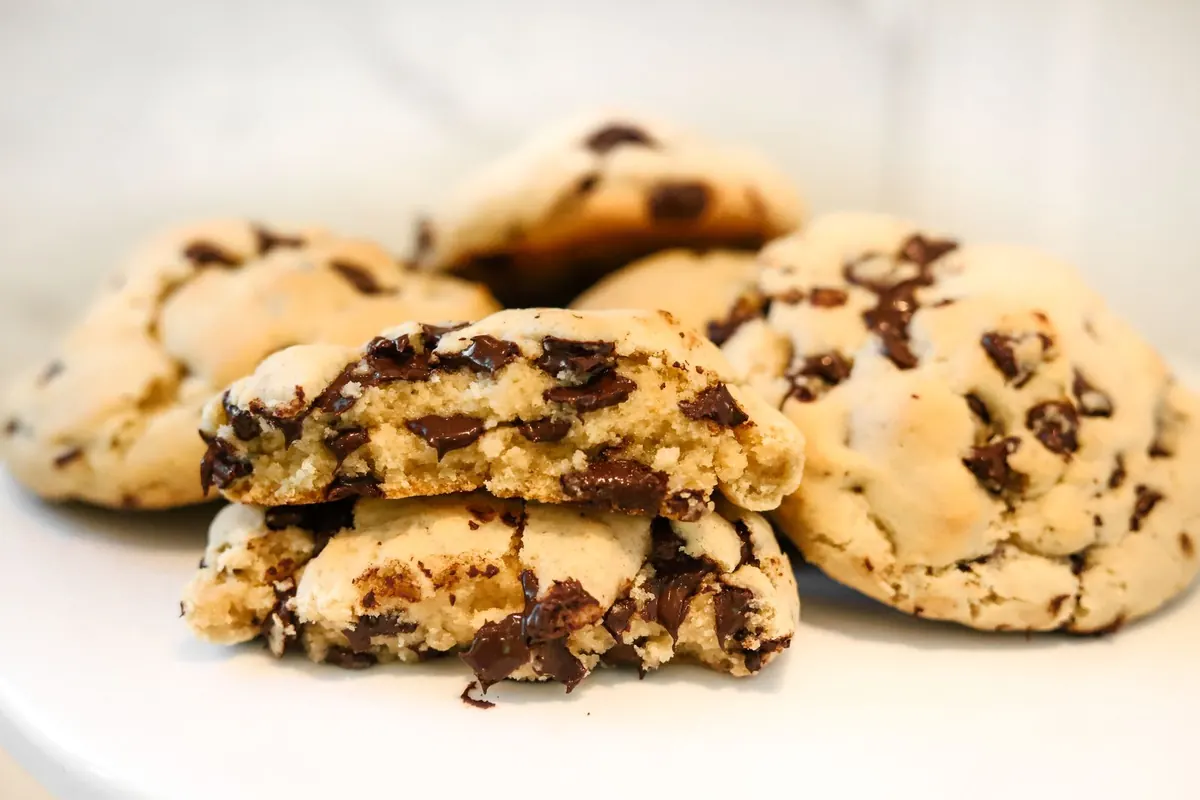
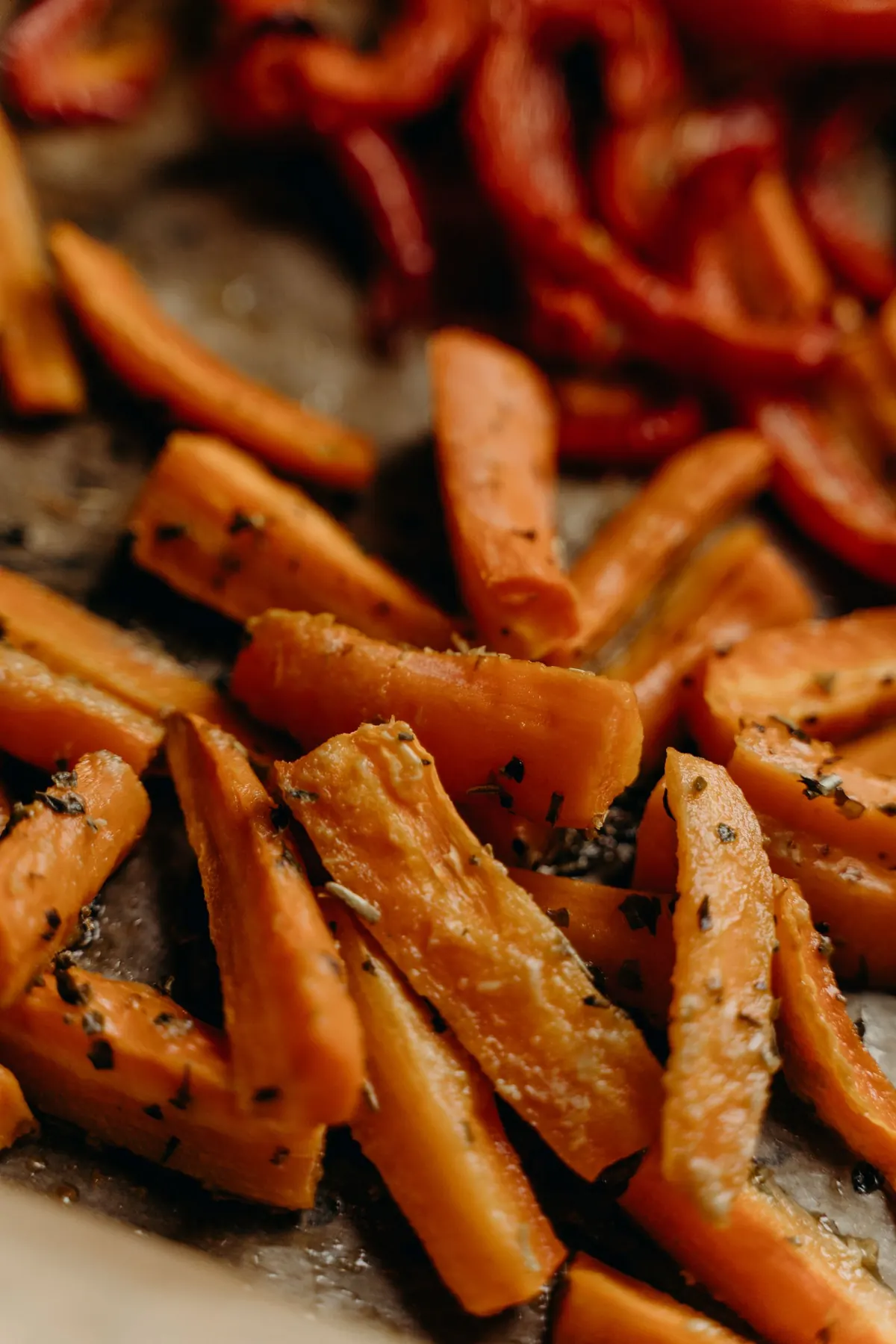
For roasted vegetables, start with the amount that can sit in an appropriate layer. More space can help you avoid piling ingredients, while simply doubling the food may recreate the original crowding problem. For cookies, preserve the recipe’s spacing allowance instead of filling every visible gap. Capacity becomes useful when it supports the method rather than replacing it.
The product in this review
The details that matter
Compare the exact model, dimensions, and care instructions before ordering. These notes draw on published specifications.
Large single-tray batches in an oven with generous clearance
Nordic Ware Naturals Big Sheet Baking Pan
Choose the Big Sheet when a large uninterrupted baking surface solves a recurring crowding problem and the complete tray fits your oven comfortably. Verify exterior dimensions, handling clearance and sink space first. Its uncoated surface still needs recipe-appropriate preparation and the 500 F limit remains a ceiling.
Check on AmazonSize, care, and tradeoffs
- size
- 21 by 15 by 1 inches, maker listed interior
- material
- Uncoated aluminum
- rim
- Encapsulated steel
- weight
- 2.1 pounds
- oven Limit
- 500 F
- care
- Hand wash recommended
Consider: Will not fit every home oven
Manufacturer specifications ↗Research based on manufacturer specifications and product identity checked 2026-10-15. Price, seller, and availability can change; review the Amazon listing.
One large tray and two smaller trays solve different problems
The Big Sheet can keep a suitable large batch together on one surface. Two smaller pans can separate ingredients with different starts or create a more flexible arrangement. Decide which problem you are solving before assuming that the largest single tray is always the more efficient option.
If dinner includes components that need substantially different timing, the ability to remove one pan while another continues may be valuable. If a single recipe benefits from a broad uninterrupted area and the oven accepts it comfortably, the Big Sheet has a clearer role. The comparison should follow the sequence of the meal rather than a simple contest of total area.
Prepare the uncoated surface for the recipe
The Naturals Big Sheet uses uncoated aluminum with an encapsulated steel rim. It is not a coated nonstick tray. Follow appropriate recipe preparation, whether that means oil, a suitable liner or another method within the manufacturer’s guidance. Different foods need different release and browning arrangements.
Check any parchment, mat or accessory separately for fit and allowed use. A liner that works on a smaller sheet may not cover the area you intend, while an overlapping improvised arrangement may not suit the recipe. Plan preparation before the pan is full so the larger size supports an orderly session rather than creating a new last-minute equipment problem.
The heat limit does not dictate every oven setting
The recorded manufacturer ceiling is 500 F. Stay within current directions for the tray and any added accessory. The fact that the metal permits a temperature does not establish that a liner shares the same limit or that the food should use the highest allowed setting.
Watch the recipe’s doneness cues when changing from a smaller, darker or coated pan. A new surface and arrangement deserve attention instead of a universal timing correction. Keep a simple note for a familiar recipe if useful, then use the observed food and the method’s guidance to plan the next bake without inventing a single adjustment that applies to everything.
A full large sheet needs a washing plan
Hand washing is recommended in the recorded care guidance. Let the tray become safe to handle, remove food with appropriate tools and use the maker’s cleaning directions. The pan’s size can make an otherwise ordinary wash awkward if the sink or faucet only accommodates part of it comfortably.
Dry thoroughly, including around the rim, before storing. Check where the tray will stand while drying and how it will be retrieved from the cupboard. A large sheet wedged behind several objects can be inconvenient enough to discourage regular use. Good access is a practical part of the purchase, particularly when the entire reason for buying it is repeated large-batch cooking.
Who should choose the Big Sheet?
Choose model 44600 when crowding or repeated rounds are recurring problems, a large single tray suits the recipe and the oven has comfortable clearance. It has a coherent role for a cook who wants uncoated aluminum and can handle a full sheet through roasting, serving and cleanup.
Choose smaller formats when the oven, sink or meal sequence benefits from flexibility. Keep existing pans if spreading the food across them already solves the problem. A larger baking surface is useful when it improves a real workflow, rather than becoming a tray that technically fits but remains difficult to lift, wash or store.
Before you buy
What to look for
Complete oven and handling clearance
Compare the full exterior with the usable rack and appliance guidance, leaving room for protected hands and the door. Check a stable landing area too. A large tray is less convenient when its rim barely clears the oven and every removal requires an awkward tilt around neighboring food.
A reason for one broad surface
Choose the Big Sheet when a single large tray serves the recipe better than several smaller ones. Components with different timing may benefit from separate pans instead. Let the dinner sequence determine the format rather than assuming the largest area is automatically the simplest or fastest way to cook.
Preparation and cleanup at the larger size
Plan suitable oil or lining, appropriate tools and enough sink and drying space. The uncoated surface gives flexibility but does not eliminate preparation. A larger sheet should improve the whole session without making the later washing and storage steps the recurring inconvenience that keeps it in the cupboard.
Make the decision
Choose for your kitchen
A regularly crowded roasting tray
The extra area has a clear role if ordinary ingredients need more spreading room. Preserve an appropriate layer instead of automatically increasing the batch to fill the new pan. The useful purchase helps the same meal use space better, rather than recreating the original problem on a larger surface.
Large batches of one suitable bake
An uninterrupted sheet may simplify a recipe that uses the space well, provided the oven has comfortable clearance. Follow spacing and doneness guidance and consider the loaded handling. One tray can be convenient without a claim that it behaves identically to several smaller pans in every oven position.
Compact ovens and narrow sinks
Use another format when the full tray creates a fit problem. Two smaller pans or a standard half sheet may support the kitchen more comfortably. A large surface that is difficult to wash or remove is not an automatic upgrade simply because it can technically contain more food.
A few useful answers
Questions before you buy
Is the Big Sheet a coated nonstick pan?
No. The selected Naturals 44600 is uncoated aluminum with a reinforced steel rim. Follow recipe preparation and the current maker guidance instead of expecting a coating to handle release. Another Nordic Ware product line may use a different surface despite similar overall shapes.
Will the 21-by-15-inch format fit every home oven?
No universal fit should be assumed. Check the full current exterior measurements against the usable rack, door and appliance clearance guidance. Leave practical handling room rather than choosing a tray that only fits in an awkward position while it is empty and cold.
Does the selected package include several pans?
The recorded retailer identity is one Big Sheet rather than a multi-pan bundle. Confirm the selected listing before ordering. Product-family photographs can show different formats, so size and quantity should be checked independently rather than inferred from a general Naturals image.
Can I use it above 500 F?
The recorded manufacturer maximum is 500 F. Stay within current instructions and check any liner or accessory separately. A larger tray does not change that ceiling, and a shorter cooking time is not a reason to disregard the bakeware’s stated limit.
Keep in mind
Verify full exterior dimensions before ordering.
Leave an appropriate amount of food-spreading and handling space.