Choose the surface and its care routine together
That bargain should fit your habits. Gentle utensils, hand washing and an appropriate oven setting give the pan a coherent place in the kitchen. If direct cutting and aggressive scraping are part of your normal serving style, another surface may suit you better. Convenience is most useful when its care expectations are acceptable before the first meal.
Start by measuring the outside
The recorded exterior is 17.75 by 12.75 by 1 inches; the interior is 17.25 by 12.25 inches. Use the full outside dimensions for an oven, sink or cupboard check. Half sheet is a familiar size category, but the name does not guarantee identical rims or exactly the same handling clearance across brands.
Leave enough room for protected hands to remove the tray securely. A pan that fits technically may still be awkward if it must turn around another vessel or tilt sharply past a rack. If you plan to add a cooling or roasting rack inside, check that accessory separately instead of assuming its nominal size guarantees a stable fit.
Nonstick still leaves the recipe in charge
USA Pan identifies the coating as Americoat silicone nonstick. It assists release, but the manufacturer still directs cooks to follow recipes about greasing and flouring. Do not discard dough or cake preparation instructions simply because nonstick appears in the product description. The recipe and surface need to work together.
Food removal deserves the same thought. Lift cookies with an appropriate spatula and give a bake its required cooling time. A liner can be helpful for certain dishes when it fits both the recipe and its own restrictions. Easy release is one feature in a complete cooking method, rather than permission to skip every other step.
The product in this review
The details that matter
Compare the exact model, dimensions, and care instructions before ordering. These notes draw on published specifications.
Bakers who prioritize release
USA Pan Nonstick Half Sheet
The 1050HS-1 is a useful coated half sheet for baking and oven recipes at or below 450 F. Choose it when release matters and gentle utensils plus hand washing fit your routine; keep a different pan for hotter cooking and cutting directly on a surface.
Check on AmazonSize, care, and tradeoffs
- material
- Aluminized steel
- coating
- Americoat silicone nonstick
- exterior
- 17.75 x 12.75 x 1 inches
- interior
- 17.25 x 12.25 x 1 inches
- maximum Temperature
- 450 F
- care
- Hand wash; avoid metal utensils
Consider: 450 F temperature ceiling
Manufacturer specifications ↗Research based on manufacturer specifications and product identity checked 2026-10-14. Price, seller, and availability can change; review the Amazon listing.
Compare your options
Nordic Ware vs. USA Pan Half Sheets: Bare Metal or a Coating? ↗The 450 F ceiling is a buying filter
The manufacturer says not to exceed 450 F. If your favorite roasting method needs a hotter oven, choose another pan for that job. A short cooking time does not cancel the temperature restriction, and a useful nonstick surface is not a reason to ignore the maker’s instructions.
Keep the distinction obvious when you own multiple trays. A suitable alternative for hotter cooking can live alongside this pan, with each assigned to recipes it can properly handle. A practical collection does not need one surface to perform every oven task. It needs the right vessel to be easy to choose when dinner is moving quickly.
Use horizontal space before adding more food
A shallow sheet pan lets ingredients spread across its base. Wet vegetables packed into a deep mound still release moisture, and a nonstick coating does not create additional space for it to escape. Give food room according to the recipe and use another tray when a larger batch requires it.
For cookies, think about what happens after the dough goes into the oven. Portions that fit neatly while raw may spread into one another. Follow spacing and shaping instructions instead of treating every unused patch as room for another piece. Release and capacity are separate questions; a convenient surface cannot resolve a crowded arrangement.
Keep sharp tools on a cutting board
USA Pan recommends silicone, nylon or wooden utensils and says to avoid sharp metal tools. Plan serving before cooking so a separate cutting surface is available when food needs portioning. Transfer the bake when practical, or use a suitable nonmetal tool within the manufacturer’s guidance.
The same rule applies to savory food. A browned piece near the edge is not an invitation to gouge the coating with a scraper. Let the appropriate cleaning process handle stubborn residue. A coated baking sheet is a cooking vessel to maintain, rather than a workbench intended to tolerate any tool that happens to be nearby.
Finish with a gentle wash and dry storage
Allow the pan to become safe to handle, then use warm soapy water as recommended. USA Pan does not recommend cooking spray. Keep the current directions handy during early uses so a familiar shortcut from another pan does not work against the surface that made this one appealing.
Dry thoroughly and arrange storage so sharp cookware does not rub against the coating. If pans must be nested, consider how they move when retrieved as well as how they sit at rest. A tray wedged beneath an awkward stack may accumulate wear through storage alone. Easy access supports both regular use and careful ownership.
Who should buy this half sheet?
Choose the 1050HS-1 when food removal matters in your baking routine, recipes fit its heat limit and gentle tools are already comfortable habits. Its case is particularly clear for a cook seeking coated bakeware with a normal home-oven footprint, after checking the actual exterior measurements.
Choose uncoated bakeware if that better suits your utensils and cleaning approach. Look elsewhere for recipes above 450 F. If a useful pan already handles the same jobs, a replacement needs a concrete purpose. The best choice is the tray that fits your food and daily habits, rather than a claim that one material is universally superior.
Before you buy
What to look for
Recipes within the heat limit
List the oven settings you actually use. The 450 F maximum should be an early selection filter, not a detail noticed after buying. Keep a suitable alternative for hotter favorites rather than assuming a short high-temperature session will be harmless. The pan works best with tasks its instructions explicitly allow.
Tools that protect the coating
Silicone, nylon and wooden tools match the manufacturer’s advice. Decide where finished food will be cut or portioned before serving. If a sharp metal spatula and direct cutting are central to your routine, choose another surface instead of relying on constant reminders to protect this one.
Fit through the whole kitchen
Check rack, sink and cupboard using the exterior measurements. Include clearance for protected hands and a secure landing spot. The convenience of a release coating loses value if the tray becomes the object that must be tipped awkwardly around everything else each time you wash or store it.
Make the decision
Choose for your kitchen
Bakers who prioritize release
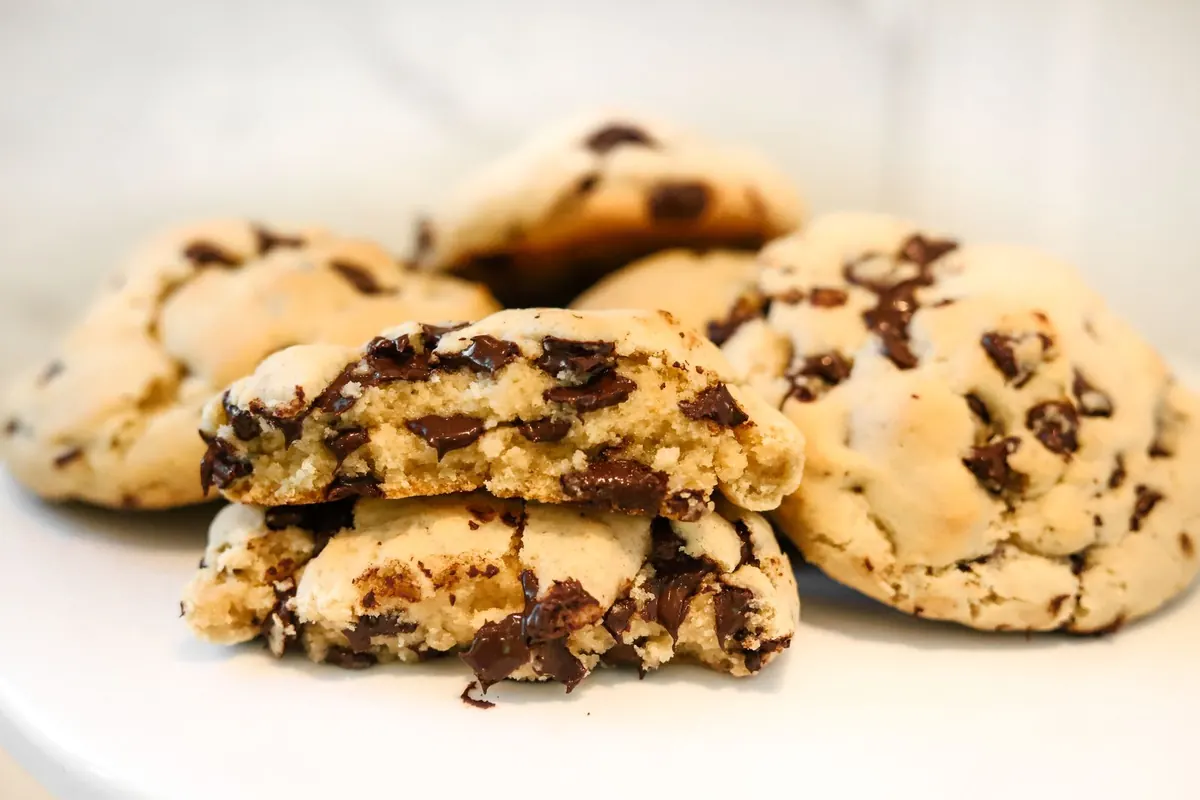
Consider this pan for cookies, biscuits and other recipes where neatly removing the food matters. Follow the recipe’s preparation and cooling directions even with a coated surface. The pan is most useful when its nonstick feature supports an orderly method rather than replacing one.
Sweet and savory oven cooking
The half sheet can serve both roles when recipe and care instructions fit. Clean it thoroughly between tasks, use appropriate liners when useful and keep the temperature ceiling in view. Versatility does not require asking the tray to tolerate every heat setting or utensil used elsewhere in the kitchen.
A kitchen built around metal scraping
An uncoated alternative may fit better if forceful scraping and sharp tools are established habits. This pan asks for gentler handling. Choose cookware that works with your real routine rather than buying a surface whose main feature must continually be protected from the tools you reach for automatically.
A few useful answers
Questions before you buy
What is the USA Pan half sheet made from?
The stored specifications identify aluminized steel with an Americoat silicone nonstick coating. This review covers model 1050HS-1. Confirm that selection before ordering, since other USA Pan lines may have different surfaces, dimensions, temperature restrictions or included pieces despite similar family branding.
Can I exceed 450 F for a short roast?
USA Pan says not to exceed 450 F. Choose another suitable tray for a recipe requiring higher heat. A shorter exposure does not remove the manufacturer’s stated limit, and a recipe should not be treated as permission to ignore the bakeware instructions.
Is cooking spray recommended?
No. The manufacturer does not recommend cooking spray and says to follow recipe directions for greasing and flouring. Read the current care information when choosing a preparation method. A nonstick coating still needs a process suited to the particular dough, batter or savory food.
Can I cut pizza or brownies on it?
Keep sharp metal tools away from the coating. Transfer food to a suitable cutting surface when practical, or use an appropriate nonmetal serving tool within the maker’s guidance. The baking tray should not be treated as a substitute for a cutting board simply because it is already holding dinner.
Keep in mind
Check the selected size, included pieces and care instructions before ordering.