Imagine the moment the box will open
Think about the household too. A small assortment can be easier to enjoy than a large quantity of one rich food, but a mixed box needs a plan for aromas, textures, and allergens. Ask about dietary requirements before shopping and take the answer literally. If someone does not want food gifts, another gesture can be the more thoughtful choice. Generosity is partly about making the gift easy to receive, without handing over a storage problem or an unexplained collection of ingredients.
Put it to work
Useful tools, at a glance
Straightforward weighing with a smaller bowl
Escali Primo Digital Scale, Chrome
Roasting and baking with an uncoated pan
Nordic Ware Naturals Half Sheet, 2-Pack
Choose a structure that can tolerate handling
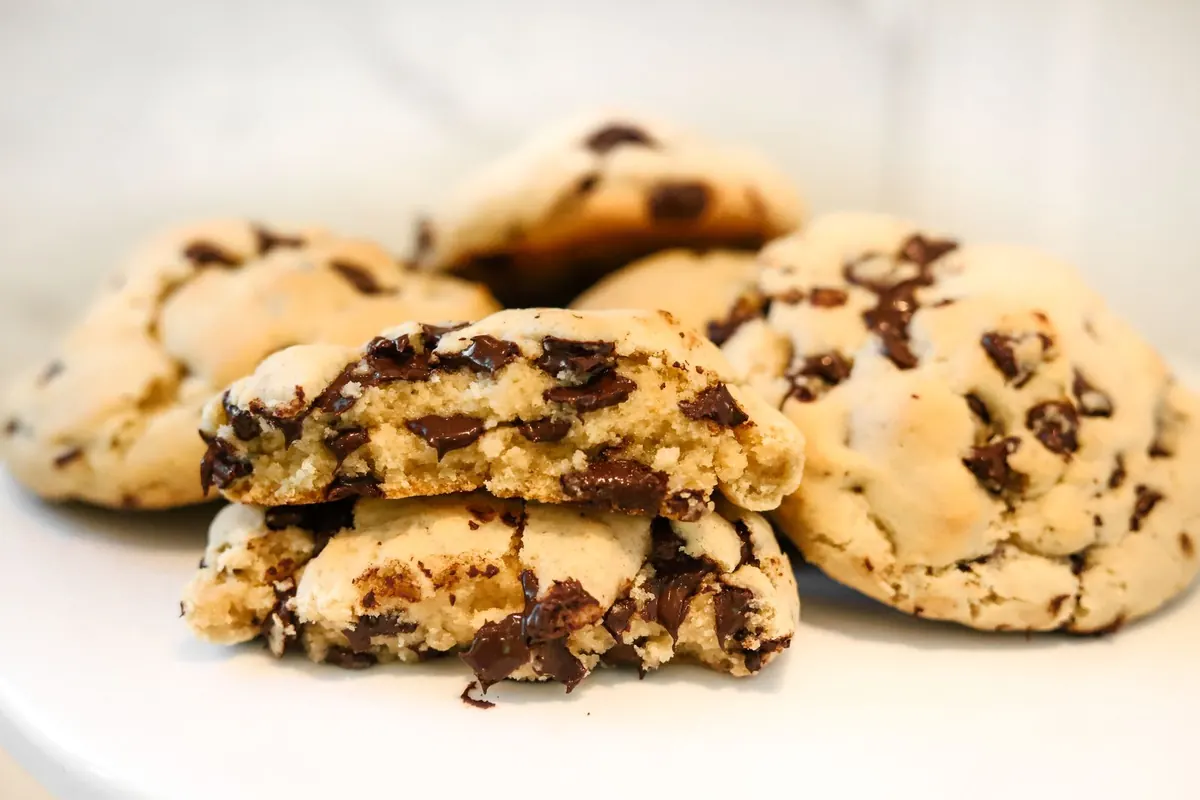
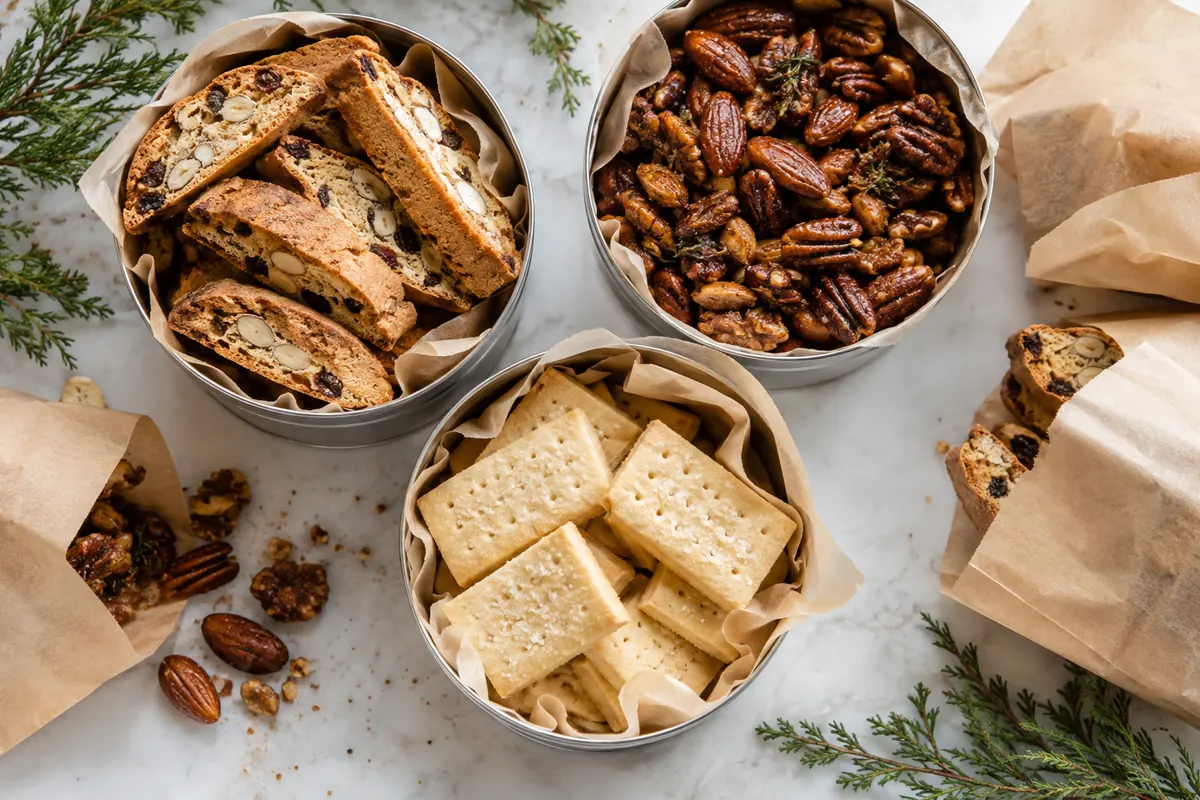
Look for recipes whose finished texture already suits transport. Firm shortbread, biscotti, and other sturdy cookies offer different kinds of resilience. A brittle edge can still break, so shape and thickness matter as much as the general cookie name. Avoid assuming that every bar or loaf travels well because it looks solid. Soft fillings, sticky glazes, and delicate decorations can shift or smear inside a package. A simple finish often arrives more attractively than an intricate one that depends on never being touched.
King Arthur Baking's shipping guidance favors sturdy baked goods and separates moist and dry choices when planning a box. Use that distinction in your own assortment. A crisp cookie sharing air with a moist cake may lose the texture you chose it for. Give foods separate sealed packaging when appropriate, and choose recipes with clear keeping instructions. The point is not to make every gift dry. It is to understand which food belongs in a mailed parcel and which should be handed over fresh.
Read the storage requirements before making a batch
A food that can sit on your kitchen table during a short visit is not automatically suitable for several days in transit. Read the complete recipe, including its storage advice, and consider fillings, toppings, and added dairy. Do not assign a shelf life by appearance or by the fact that sugar is present. For foods needing refrigeration, a normal gift box does not provide a cold chain. Choose a different recipe or arrange a short, properly chilled handover with instructions the recipient can follow.
Preserved gifts need a separate level of care. Garlic in oil, infused oils, jams, and canned foods should not become improvised holiday projects with invented room-temperature storage claims. Use a validated preservation method for the exact food and container, or select a straightforward baked gift instead. Roasted nuts also need an appropriate recipe, cooling, packaging, and storage plan. Keep the decision manageable. There is plenty of variety available among suitable foods without making the recipient responsible for judging whether an unfamiliar jar has been prepared safely.
Bake to a schedule that leaves time for cooling
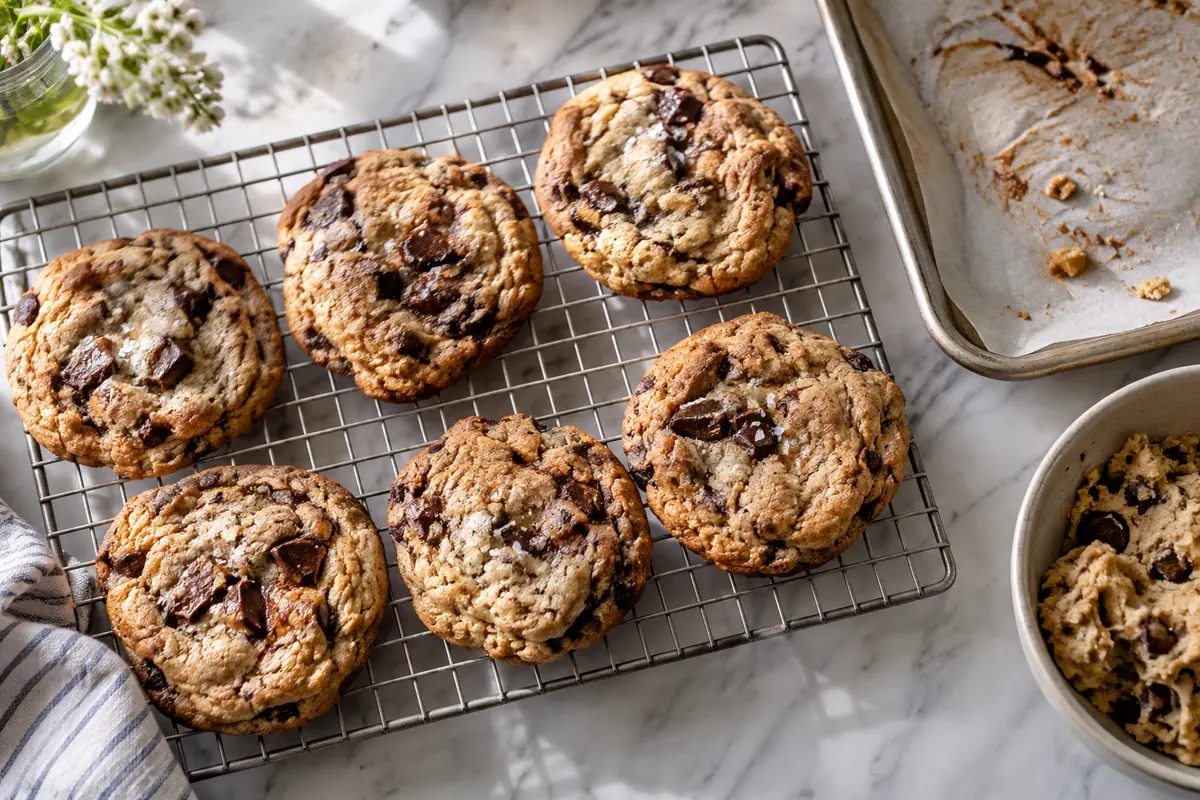
Work backward from packing and departure. Include shopping, baking, complete cooling, labeling, and a reasonable margin for a batch that takes longer than expected. Packing warm cookies traps moisture and can damage both texture and presentation. Arrange enough cooling space before the first tray comes out of the oven. If your counter is small, make fewer varieties rather than balancing hot trays over bowls and trying to wrap the first batch while the second is still demanding attention.
Make one dependable recipe before adding a second. Check the actual yield against the containers you intend to fill, since a theoretical number of cookies can create an unexpectedly crowded tin. Use a scale where the formula provides weights and portion consistently so pieces cook at a similar rate. Our small-batch baking guide can help when the number of recipients is modest. A well-made small box is complete in itself; it does not need another recipe added merely because a corner of the packaging remains visible.
Match the inner package to the food
Use clean, food-safe material in contact with the gift. Choose a container that supports the shape without squeezing pieces against the lid. Separate layers where the recipe and texture call for it, and protect corners or delicate ends from pressure. A tin can prevent crushing, but it still needs enough internal organization that the food does not rattle from side to side. Pack the actual arrangement once before decorating it. That reveals whether the attractive container is also a practical one.
Keep strong aromas apart. Spiced nuts, peppermint cookies, coffee-flavored bakes, and plain shortbread can influence each other when packed loosely together. Separate wrapping also makes the assortment easier to understand. Avoid decorative materials that shed fibers or glitter into the food, and keep fragile ornaments outside the edible compartment. A tidy package should open without a cloud of loose filler falling onto the cookies. The recipient ought to reach the food easily and see how to close the container again afterward.
Treat the outer box as a separate job
A food container and a shipping box solve different problems. The inner package protects the food's condition; the outer one must withstand handling and movement. Choose a sturdy outer box with room for appropriate cushioning around the sealed container. Fill empty spaces so the contents do not slide, but avoid compressing the food itself. Check the arrangement with a gentle movement before sealing. If you hear a collection of loose pieces shifting freely, improve the support while you can still reach it.
For mailing, consult the carrier's current rules and delivery options, especially during busy periods. Do not promise an arrival date you cannot control, and consider whether the recipient will be available to collect the parcel promptly. Keep the outside label clear and protect the address as the carrier recommends. A local hand delivery may be the better choice for a particular food. Choosing that route is a practical decision, not a failure to make a sufficiently adventurous gift.
Label so the recipient can make an easy choice
Name each food and include its ingredients, preparation date, and recipe-based storage instructions. Identify allergens clearly, while being honest about a home kitchen's limits and any potential cross-contact. Do not call a gift allergen-free unless you can support that promise. If someone has a serious allergy, discuss what you can reliably make before starting. A pretty label does not replace that conversation, and leaving ingredients vague to preserve a surprise makes the gift harder to accept comfortably.
Include any simple serving suggestion that helps: biscotti with coffee, a cookie brought to room temperature when the recipe calls for it, or a separate topping added just before eating. Avoid instructions that turn a treat into a new project. If the gift needs prompt refrigeration or freezing, say so plainly and arrange the handover accordingly. The label should remain with the food after decorative wrapping has been removed. A small card inside the lid can be more useful than a tag tied to a ribbon that is discarded immediately.
Spend on useful tools before elaborate wrapping
A reliable scale, suitable tray, and enough cooling space help make consistent baked gifts. Our verified Escali Primo scale and Nordic Ware half sheet are examples of broadly useful baking equipment. Check the pan against your oven, and use the equipment the recipe specifies when size affects the result. A set of coordinated tins does not compensate for unevenly portioned cookies or a batch packed before it has cooled. Buy packaging only after deciding how much food it must hold.
Choose the finished assortment around what can share a box. Crisp biscotti can travel in one sealed package, while a softer cookie should have its own wrapping so moisture does not alter both textures. Put strong peppermint or spice aromas apart from a plain butter bake. Support pieces against movement without crushing them, and keep the ingredient and storage information with the food when decorative wrapping is removed. A small, coherent selection is easier to pack well than a large mixed box whose most delicate item dictates a complicated journey.
Keep in mind
Use recipe-specific keeping instructions; ordinary gift packaging cannot keep perishable food safely chilled.
Keep foods with different aromas and moisture levels in separate suitable packaging.