Describe the cup before shopping for the machine
Match the present problem to a part of the setup. A mug that tastes weak after a large pour of milk raises a different question from black coffee that drains unpredictably through a filter. A brewer that makes one cup at a time may be inconvenient for several people even when its coffee tastes good. Check the dose, intended yield, filter or press setup, and cleanup before considering another machine. Those visible parts of the routine help identify whether you need a different method, a more suitable grinder, or simply a serving size that fits the drink.
Put it to work
Useful tools, at a glance
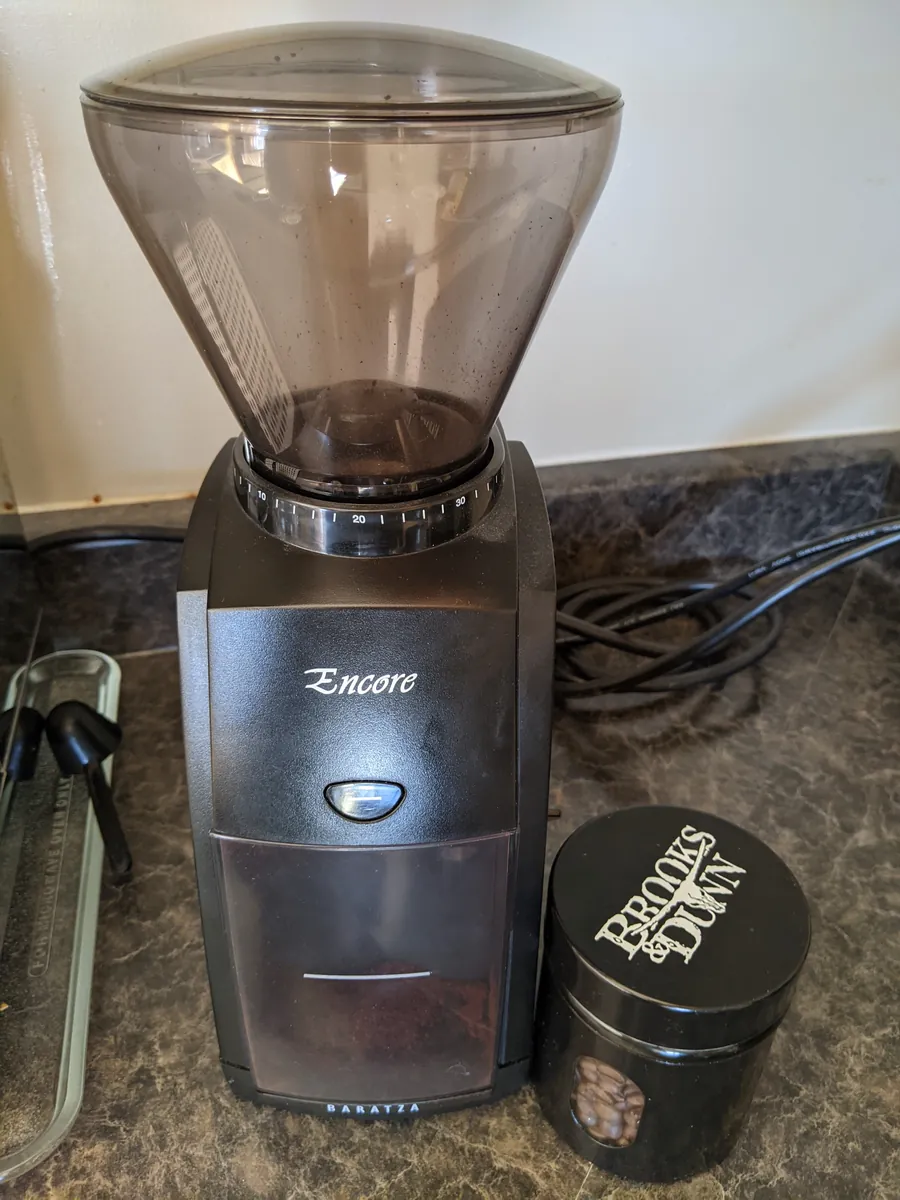
Manual grinding control for filter coffee
Baratza Encore Coffee Grinder, Black
Pour-over coffee with control over the water pour
Hario V60 Plastic Dripper 02, Red
Buy coffee for the way you plan to use it
Choose a modest quantity of coffee whose roast and flavor description sound appealing, then ask the roaster how it suits your chosen method. If you buy pre-ground coffee, specify the brewer where possible and keep the package information. That gives you a more useful starting point than a bag chosen only because its label mentions a distant place. Origin can be interesting, but the roast, processing description, and preparation all contribute to what reaches the mug. Your preference remains a legitimate part of the decision.
Store coffee according to the supplier's guidance, protected from unnecessary exposure to heat, moisture, and air. A smaller supply you use regularly may be easier to manage than a large bargain bag that sits open for a long time. Keep aromatic kitchen ingredients away from the storage area and close the container after measuring. You do not need to turn this into a display system. The practical aim is to preserve the coffee you bought while making the daily dose straightforward to retrieve.
Make the dose repeatable before changing it
Measure the coffee and water before brewing so the intended strength has a clear starting point. Use the actual brewer's method and serving size, including any water or milk added afterward. A scale separates the amount of dry coffee from the variable size of a spoonful. If using a supplied scoop, keep the manufacturer's instruction for how it is filled rather than treating every spoon as equivalent. For a filter drink, measure the planned brew water before pouring; for a concentrated press preparation, keep later dilution separate from the brewing stage.
Choose a mug or server that fits the intended yield. A small measured brew poured into an oversized mug may feel unsatisfying even when the concentration is right. If milk or water will be added afterward, include that in the plan and taste the finished drink. A concentrated base and a full mug of filter coffee should not be judged as though they are the same beverage. Decide what belongs in the cup before concluding that a brewer cannot produce the result you want.
Learn one manual method well
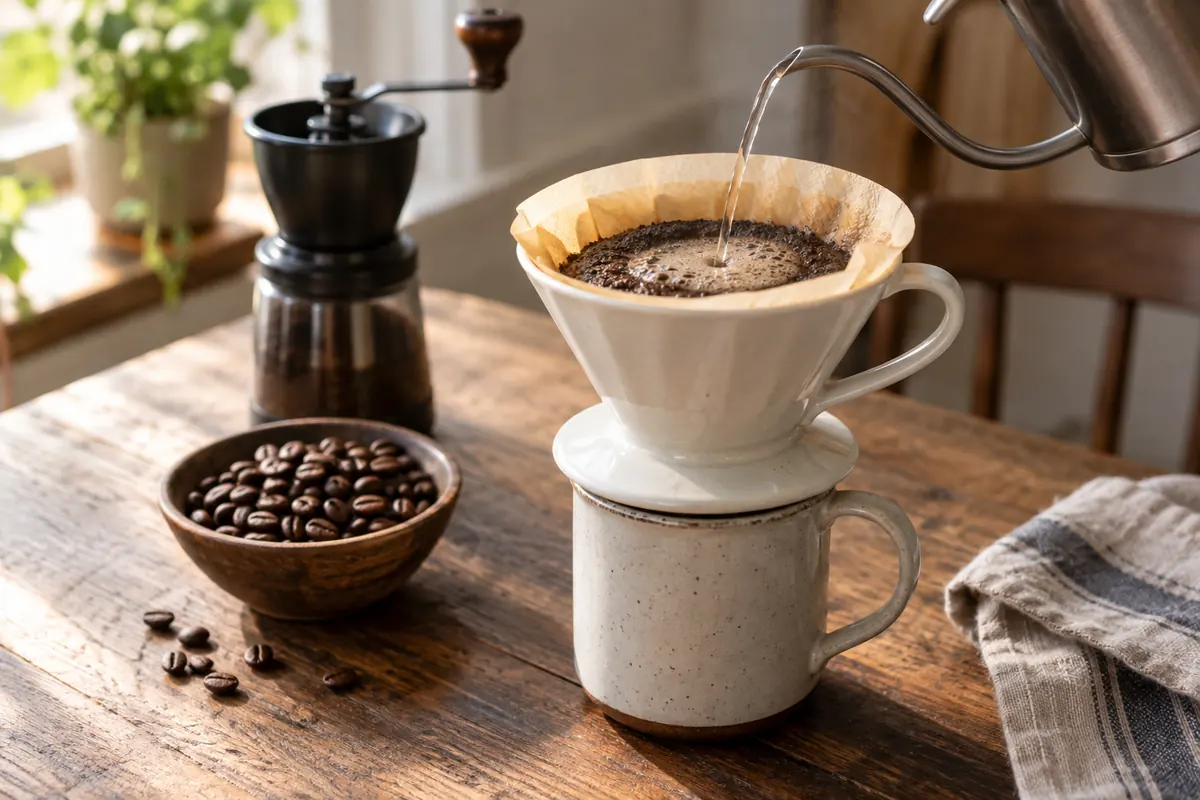
Hario UK's V60 guide gives a concrete sequence without requiring a machine: put the correct paper in the dripper , rinse it with hot water, discard that water, and add evenly distributed ground coffee. Wet the grounds before the main circular pour and follow the guide's quantities and temperature for the chosen serving. Its medium-fine grind is a starting point for that method. Keep the dripper stable over a heat-safe mug or server, and leave enough capacity below for the complete brew before the first water enters the coffee.
An AeroPress offers another approach with its own preparation and pressing instructions. Follow the manufacturer's standard method and use a sturdy suitable mug. Press gently as directed, keeping the brewer stable and handling hot water carefully. Avoid assuming that every manual brewer is a miniature espresso machine or that a concentrated drink has the same texture as pressure-brewed espresso. Choose a method for the kind of coffee and amount it can comfortably provide, then repeat it enough to learn its normal behavior.
Change one variable when the cup disappoints
For a weak V60 brew, first check whether too much water or later dilution entered the cup for the chosen method. If those amounts match, Hario UK's guide suggests trying a finer grind; when the water passes through too slowly, it suggests a coarser one. These are adjustments for that dripper, not universal instructions for every press or espresso setup. Keep the brewer's filter and pouring sequence consistent while making the adjustment. A grinder becomes useful when the required grind change is something your current pre-ground coffee cannot provide.
A timer helps place the brewing stages in order, but the clock should stay connected to what the brewer is doing. In a dripper, look at whether water is passing through the grounds as expected, not merely whether the final number resembles a saved recipe. With an AeroPress, follow its own steeping and gentle pressing instructions instead of trying to copy the dripper's flow. Stop treating additional force as a solution to an uncertain press setup. Use the manufacturer's method and a sturdy suitable vessel before changing the grind or the amount in the chamber.
Decide whether a grinder would solve a real problem
Fresh grinding offers control over grind setting and the quantity prepared, but a grinder also adds cost, noise, cleaning, and storage needs. Consider whether your current pre-ground coffee already suits the brewer and the pace at which you use it. If the main frustration is an inconsistent dose, a scale may address that first. If the coffee drains unpredictably despite a repeatable method, a suitable grinder may give you more control. Match the purchase to an observed limitation rather than a list of accessories that every enthusiast supposedly needs.
Our equipment comparison covers the verified Baratza Encore and OXO Brew conical burr grinder models. Read their intended uses and care requirements, then compare them with the coffee you want to make. A grinder appropriate for a filter routine is not automatically the right tool for every espresso setup. Think about counter clearance and whether beans can be added and grounds removed comfortably in the space available. A useful purchase should make the daily task easier to perform, not merely move the difficulty to another appliance.
Keep water and cleaning in the routine
Use potable water and follow the brewer's guidance on water quality and maintenance. Water that tastes or smells unpleasant on its own is worth addressing before blaming the coffee. If you use a filter, maintain it according to its instructions; a neglected filter is not an automatic improvement. Different brewing methods may specify different temperature approaches, so use guidance for the actual method rather than a single number applied to every device. Heat only the amount you need while leaving enough for any rinse the recipe calls for.
Clean the brewer and accessories as their makers direct. Remove spent grounds promptly where appropriate, wash suitable parts, and let them dry before storage. Check whether a particular material or component is dishwasher safe instead of assuming the whole device is. Coffee residues and old grounds can become a recurring problem that no new bag will fix. Put the cleaning step where it fits naturally after breakfast. A slightly simpler setup that stays clean may serve you better than a complicated one that is regularly left until tomorrow.
Let a useful upgrade reveal itself
After a couple of weeks with a consistent method, review what still feels inconvenient. Brewing several cups one at a time may be the problem, or pouring carefully may demand more attention than you want before work. An automatic brewer could address those needs. If you enjoy the manual process and like the coffee, the best upgrade may be another mug or no purchase at all. The evidence is the routine you actually followed, not the impressive possibilities printed on a machine's product page.
The verified Hario V60 dripper and Baratza Encore are relevant examples for a filter-coffee setup, with different roles and different costs to consider. You do not need both to begin exploring the method. Keep the coffee dose clear, the equipment clean, and the cup matched to the serving you want. Those choices make later spending easier to judge. A machine becomes worthwhile when you can explain what it will improve in tomorrow morning's coffee, rather than hoping its price will make the decision for you.
Keep in mind
Use official instructions for the exact brewer and handle hot water over a stable suitable mug or server.
Change one measured variable at a time so adjustments produce useful information.