Begin with the morning you need to solve
Start with one familiar breakfast and a modest quantity. The goal is to learn whether its reheated texture and portion size suit you, not to spend a weekend filling every available drawer. Whole Foods Market's 2026 forecast gives freezer food a prominent place, but convenience at home still depends on your own equipment and appetite. A small supply of a breakfast you enjoy is more valuable than an ambitious collection that you keep moving aside to reach the frozen peas.
Put it to work
Useful tools, at a glance
Mixed quantities of leftovers stored in glass
Pyrex Simply Store Glass Storage Set, 18 Pieces
Choose foods whose structure can survive the trip
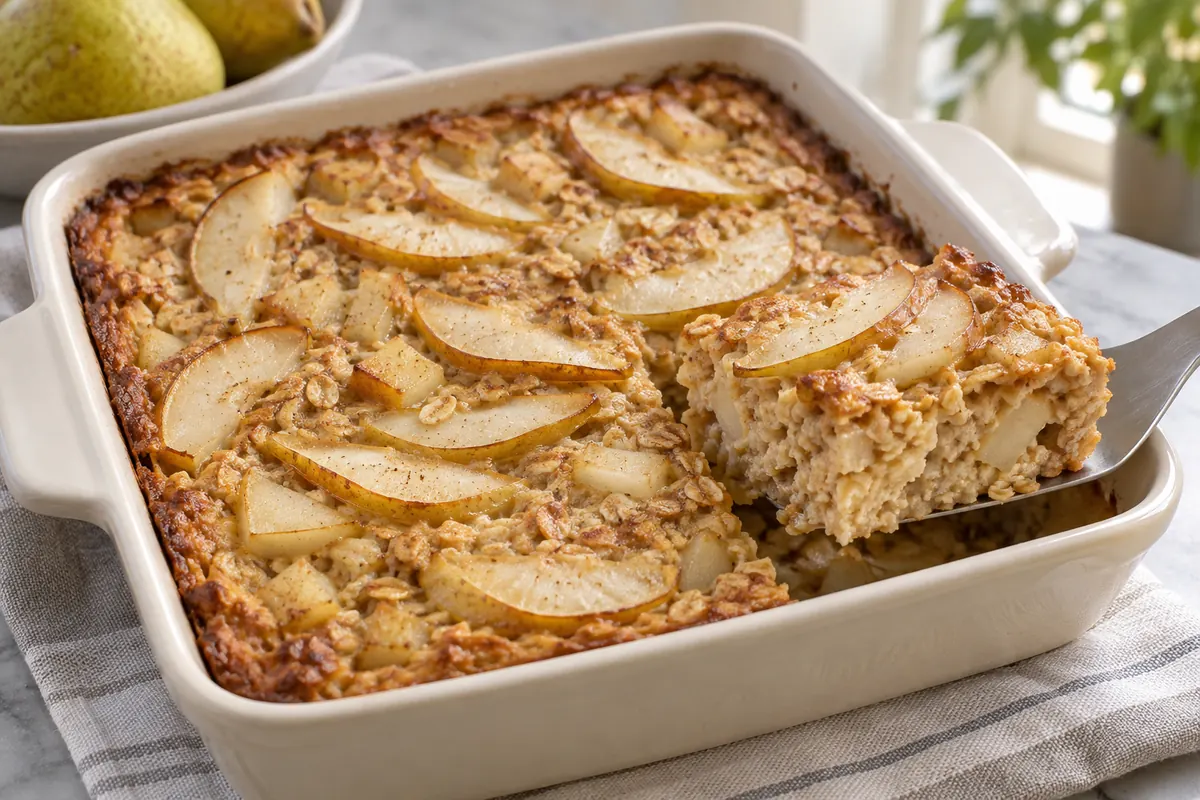
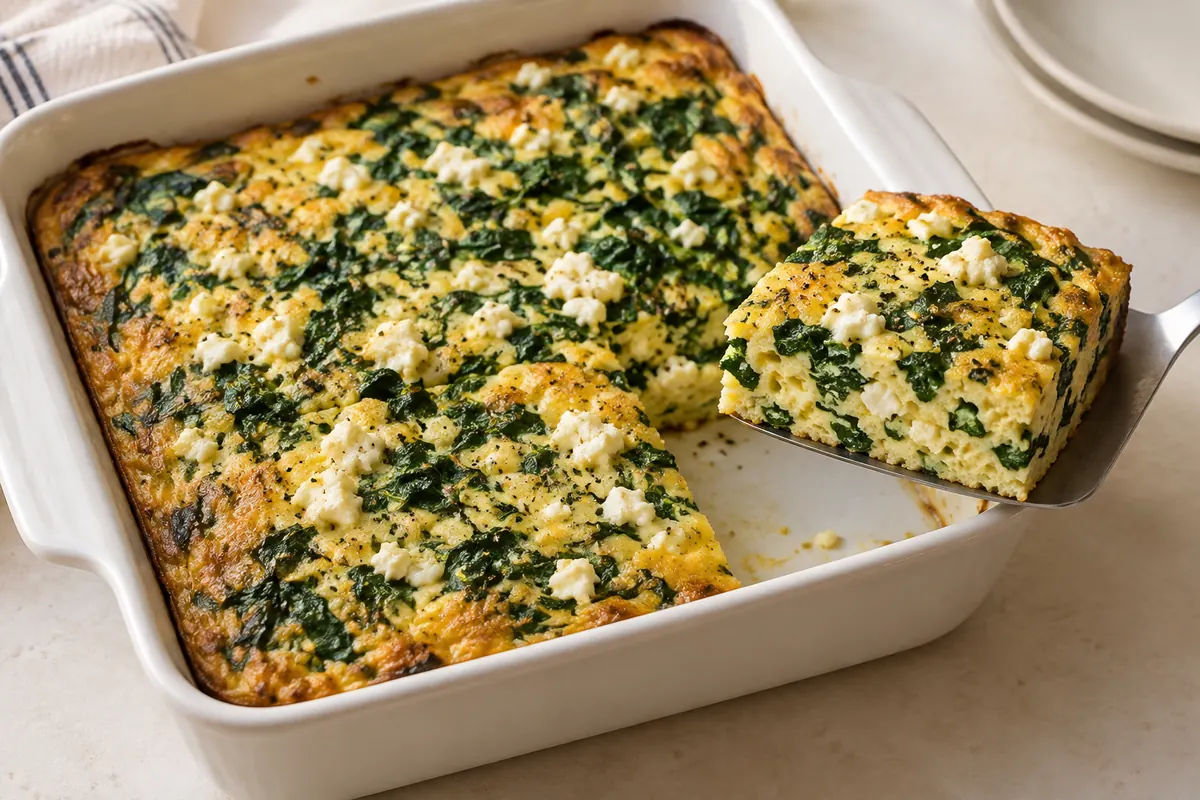
Plain pancakes, portions of baked oatmeal, and certain sturdy breakfast bakes offer different advantages. Pancakes are easy to separate and count; baked oatmeal can be divided into complete portions; a savory bake can become a fuller meal with a fresh accompaniment. Use a dependable recipe and read its storage advice before changing the format. Foods with delicate crisp surfaces, watery fillings, or fresh greens may be more satisfying when those elements are added after reheating rather than frozen into the main portion.
Think about thickness. A very thick portion may heat unevenly while a thin edge dries. Dividing food into sensible individual pieces gives the reheating method a fair chance. For an egg-based bake, consider whether the recipe was designed for the pan and portion size you plan to use. Moving the same mixture into deep containers changes the cooking conditions. A freezer plan should begin with properly cooked food, rather than expecting the later reheating step to compensate for an uncertain original bake.
Cool safely and package with a purpose
Make room in the refrigerator and freezer before cooking. Follow safe cooling guidance, using shallow containers where appropriate and refrigerating perishable food promptly. Do not leave a large breakfast bake on the counter for the rest of the afternoon because it is intended for the freezer. USDA guidance emphasizes rapid cooling and safe storage for leftovers. Once food is ready for packaging, use clean containers or wrapping suited to freezing and sized for the portions you want to retrieve.
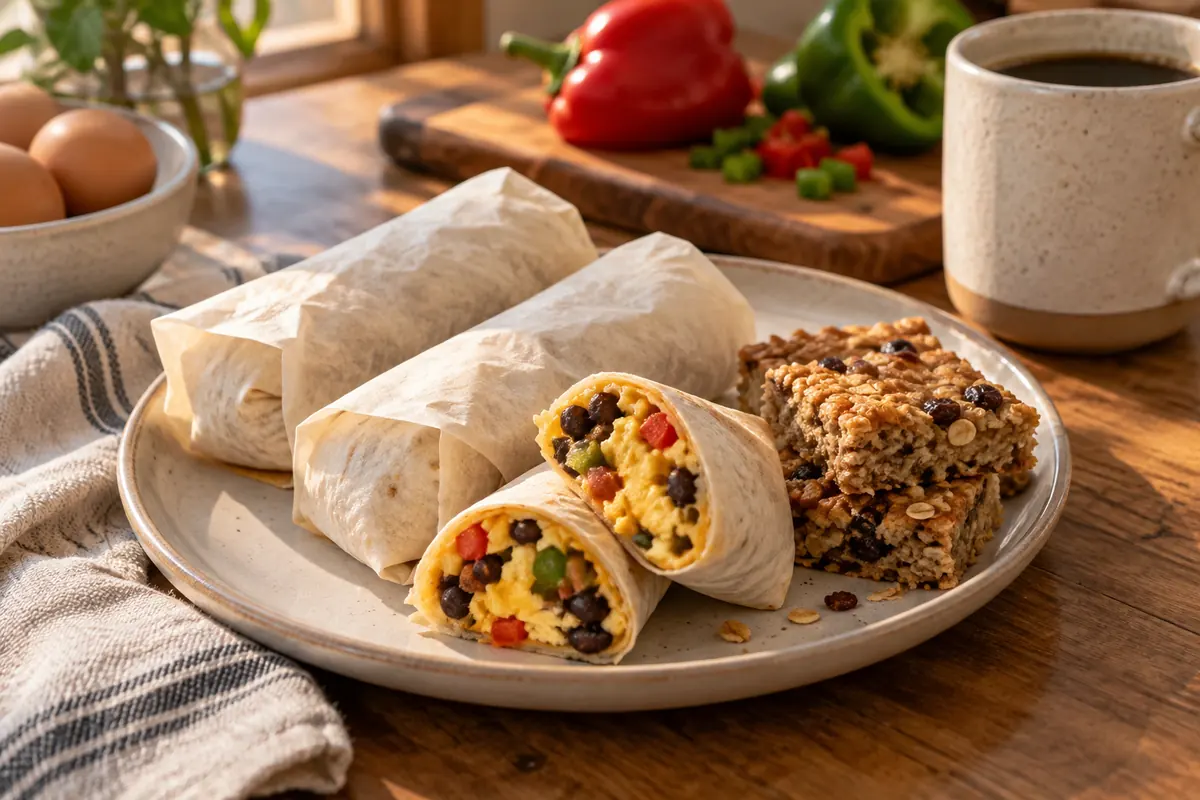
Keep portions separate enough that you can remove one without thawing the rest. Where the recipe supports it, freezing individual pieces in a single layer before consolidating can make a packet easier to use. Keep the food covered appropriately during storage and avoid exposing it to strong odors. Leave room for expansion in foods or containers that require it. Check the container maker's instructions rather than assuming every lid, glass dish, or plastic box has the same freezer and heating capabilities.
Label the instructions, not only the date
A useful label names the food, gives the date, identifies the number or size of portions, and explains how you intend to reheat it. Include any ingredient information another household member needs. If two packages look almost identical, a clear label prevents the wrong filling or an unexpected allergen from becoming a morning surprise. Put the label where it will remain visible when packages are stacked. A beautiful storage system is less useful than writing you can actually read in a hurry.
Put the recipe-supported reheating method on the package, including whether the food should thaw first and which wrapping or lid must be removed. A pancake packet should be easy to separate, while an oatmeal portion needs a container suited to its heating method. Do not assign the same minutes to both: depth, appliance power, and starting temperature change the work. Keep the thermometer check in the final instructions for reheated leftovers. Someone retrieving breakfast should be able to identify both the portion and the safe route from freezer to plate.
Reheat for safety and for texture
Leftovers need thorough reheating, and USDA specifies 165 F measured with a food thermometer. Check the center of the portion rather than judging by steam from the surface. A covered microwave-safe dish can help retain moisture when the food and container instructions support it; stirring or rearranging appropriate foods helps address uneven heating. Let the food stand when the method calls for it and check again. Keep raw ingredients and their utensils separate from the cooked breakfast you are preparing to eat.
Texture may need a second decision. A soft oatmeal portion can be pleasant with a splash of suitable liquid added during reheating, while a pancake may benefit from a dry heating method that restores its surface. Follow the recipe's guidance and watch for scorching. A dry exterior does not prove that a frozen center has warmed through. Test a single portion when you have time to pay attention, then use what you learn to simplify the rushed morning rather than conducting the first trial while leaving the house.
Add freshness after the freezer has done its job
Keep fruit, yogurt, nuts, and crisp toppings as separate decisions when their textures call for it. A warm pancake with fresh citrus or a spoonful of compote can feel much more complete than the same pancake reheated alone. Baked oatmeal can take a fresh topping at the table instead of carrying every ingredient through freezing. This separation also gives people in the same household a choice without requiring several completely different breakfast batches. Keep perishable toppings properly chilled and use clean serving utensils.
For savory breakfasts, a fresh herb, a little sharp condiment, or vegetables prepared separately can make a reheated base more appealing. Choose additions that fit the actual meal and your available time. A freezer breakfast that requires a ten-minute garnish routine may have lost its practical advantage. Keep one easy finishing option in mind and accept that some mornings the food will be eaten plainly. It should taste good enough in that form to justify preparing it in advance.
Choose containers around retrieval and reheating
Match containers to the way you use the freezer. Broad shallow boxes can protect delicate pieces from crushing, while smaller portions may fit more efficiently in appropriate freezer packaging. Check sealing, stacking, and the room needed to remove a single serving. Our storage comparisons include verified Rubbermaid and Pyrex models with different materials and care requirements. Read those exact instructions before heating or moving a container between temperatures. A familiar brand name does not make every product in its range suitable for the same treatment.
A thermometer can be more useful to the plan than another specialized breakfast mold. It gives a direct check on the food's center and can serve many other kitchen jobs. Keep it clean and follow its use instructions. Buy additional containers only after measuring the actual shelf space and portion size you want. Several well-fitting pieces that are easy to retrieve can serve you better than a large set whose smallest boxes never quite hold breakfast and whose largest boxes block the drawer.
Keep the freezer moving
Put newer packages behind older ones where the layout allows it, and keep a short list of what is available. Choose a breakfast from the freezer regularly so the system remains part of your routine. If a food repeatedly stays behind, work out why. The portion may be too large, the reheating method inconvenient, or the texture disappointing. Freezing more of it will not solve those problems. Change the next batch or choose a different breakfast that better matches the morning.
Use recipe-specific quality guidance and safe storage advice rather than assigning every breakfast the same shelf life. Check labels, packaging condition, and how the food has actually been handled. After a few weeks, keep only the methods that earned their space. A reliable stack of pancakes or a handful of well-portioned oatmeal squares can be enough. The success of the plan is measured at breakfast, when food is easy to find, easy to heat properly, and enjoyable enough that you are glad you prepared it.
Keep in mind
USDA advises reheating leftovers to 165 F, measured in the food with a thermometer.
Follow the exact container's freezer, microwave, and temperature-change instructions.