Finish the vegetable rather than hiding it
This is a good pantry pairing precisely because the supporting cast can remain short. Broccoli, green beans, corn, or mushrooms do not all need garlic, soy sauce, sugar, sesame oil, and chile as well. Choose a main vegetable, prepare it for the texture you want, and taste the miso before deciding on anything else. A fresh herb or a little acid at the end may be more useful than another source of salt. The simplest version gives you a clear way to learn what the miso contributes.
Put it to work
Useful tools, at a glance
Skillet sauces and ordinary browning in uncoated stainless steel
Tramontina Signature 10-inch Tri-Ply Clad Fry Pan
The color is a clue, not the whole specification
White, red, and other miso styles vary in ingredients, fermentation, sweetness, salt, and texture. Color offers a broad clue but does not replace the label or a taste. Hikari's product and recipe materials distinguish white, red, sweet, and aged miso, illustrating how much variation can sit beneath the same short name. A sweeter pale miso can make a gentler butter; a more assertive paste may need a lighter hand. Buy around the dishes you plan to make instead of assuming the darkest tub is automatically the most useful.
Also check whether the package is plain miso paste or a seasoned soup product. A miso that includes stock ingredients or other additions changes both the flavor and the suitability for particular diets. Soy, wheat, barley, fish ingredients, and other allergens or restrictions require the actual label, not a broad assumption about fermented paste. Choose unsalted butter when you want more control over seasoning, then adjust after tasting the combination. Salt already present in the miso may be sufficient for the vegetables you intend to serve.
Mix a small amount while the pan heats
Soft butter is easier to combine with a dense paste than butter taken straight from the refrigerator. Set out only the amount needed for the meal and work the miso through it until the mixture is reasonably even. A fork or small flexible spatula can do this without a processor. Start with a butter-forward mixture if you are unsure how strong the miso is, then taste a little on a plain piece of the cooked vegetable. That bite is more informative than tasting the seasoned butter in isolation.
For a smooth finish, break up visible clumps before the mixture reaches the food. A piece of miso concentrated in one mouthful can taste much saltier than the rest of the plate. If making a larger compound butter from a reliable recipe, label and store it according to its ingredients and handling guidance. Do not use the storage life of plain butter as an automatic rule for every mixture added to it. A small fresh batch is often simpler than establishing a long-term storage plan for a condiment you can mix in minutes.
Brown first and glaze gently
Mushrooms demonstrate the value of separate stages. They release moisture and need enough space for that moisture to escape before the surfaces brown. Adding a salty, buttery paste at the beginning can complicate that job and expose the miso solids to prolonged heat. Cook the mushrooms first, reduce the heat, and turn a small amount of miso butter through the finished pieces. Let the residual heat melt the butter rather than frying the paste hard until it darkens. A little cooking liquid can help a coating move if the pan is very dry.
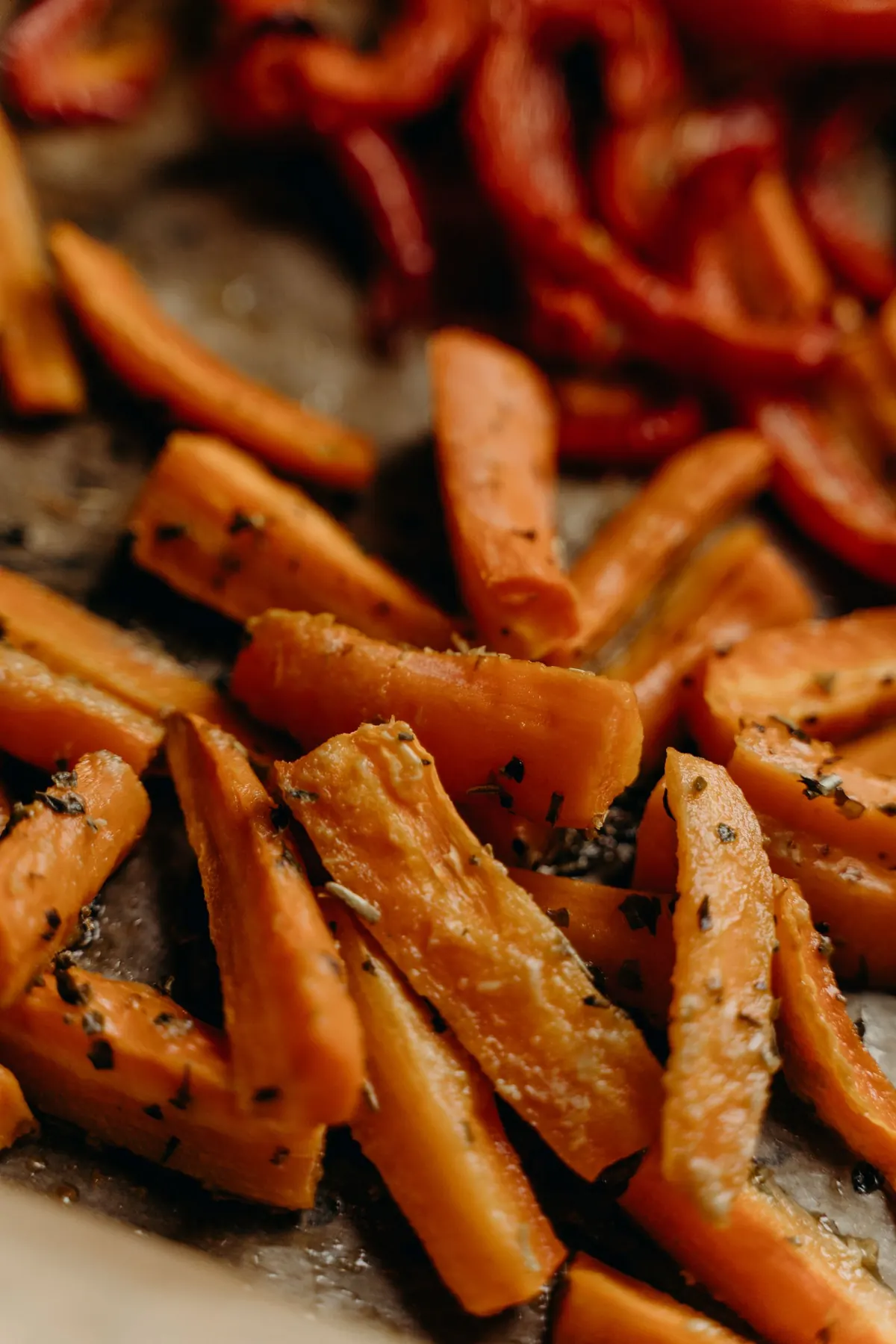
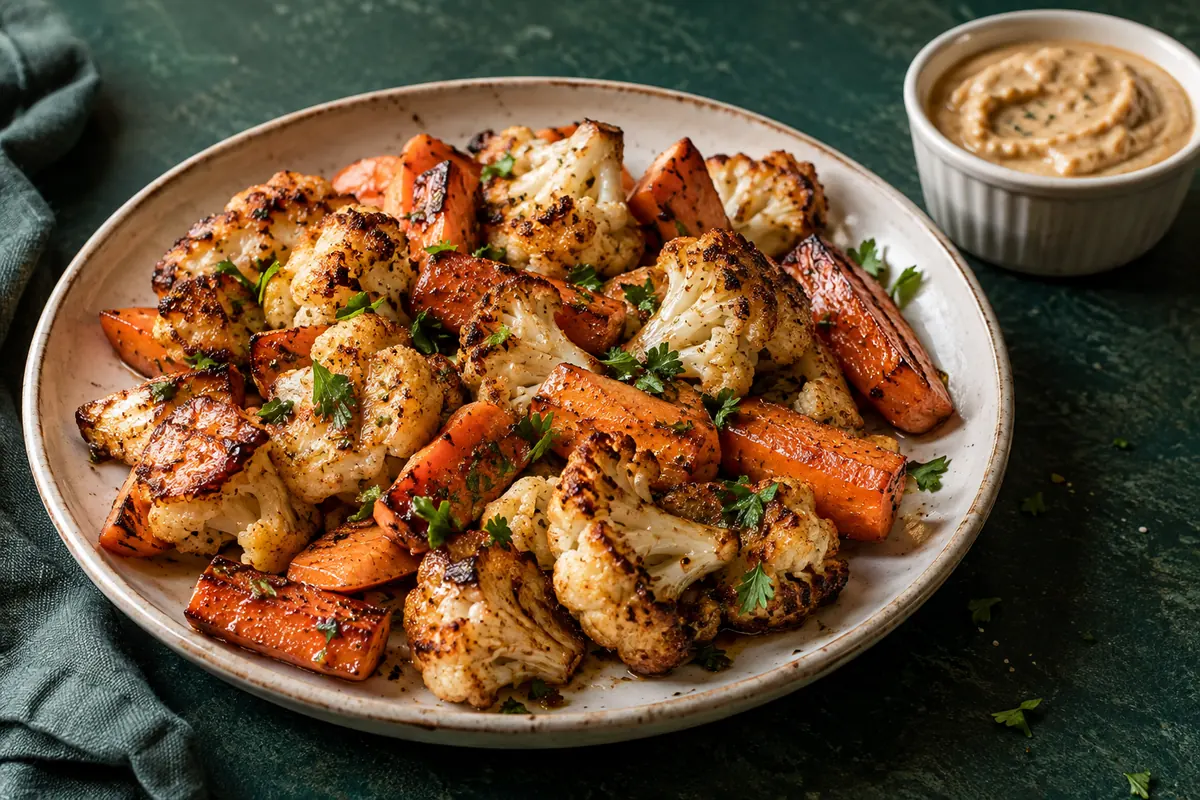
Roast vegetables can be treated similarly. Roast with an appropriate amount of cooking fat, then finish the cooked portion with miso butter while it is still warm. Do not drown a tray that already has plenty of oil. Spread the finish across the food and look for a light sheen rather than a deep pool in the serving dish. If you prefer browned miso as part of a specific glaze, follow a recipe built around that technique and its timing. A finishing butter and a long-roasted marinade are different preparations.
Match the coating to the vegetable
A split baked potato gives melted butter somewhere to soak in, so a relatively concentrated spoonful can work well. Green beans have smooth surfaces and may need to be turned through a looser coating. Broccoli has small branching spaces that catch the mixture, making it easy to add more than expected. Start with a portion in a bowl, toss, and taste before coating the entire batch. The same measured amount can feel restrained on one vegetable and heavy on another because the surfaces and serving sizes differ.
Corn offers sweetness, mushrooms offer depth, and cabbage can offer browned edges with a tender center. Those differences are reasons to vary the finish rather than make one mixture dominate everything. A squeeze of lemon might brighten broccoli; a little black pepper might be enough for mushrooms; scallions can give potatoes a fresh contrast. Keep additional sweetener optional. A sweet miso with a sweet vegetable may already have the balance you want, and adding honey simply because a familiar glaze contains it can make the plate less precise.
Build a dinner around the finished bowl
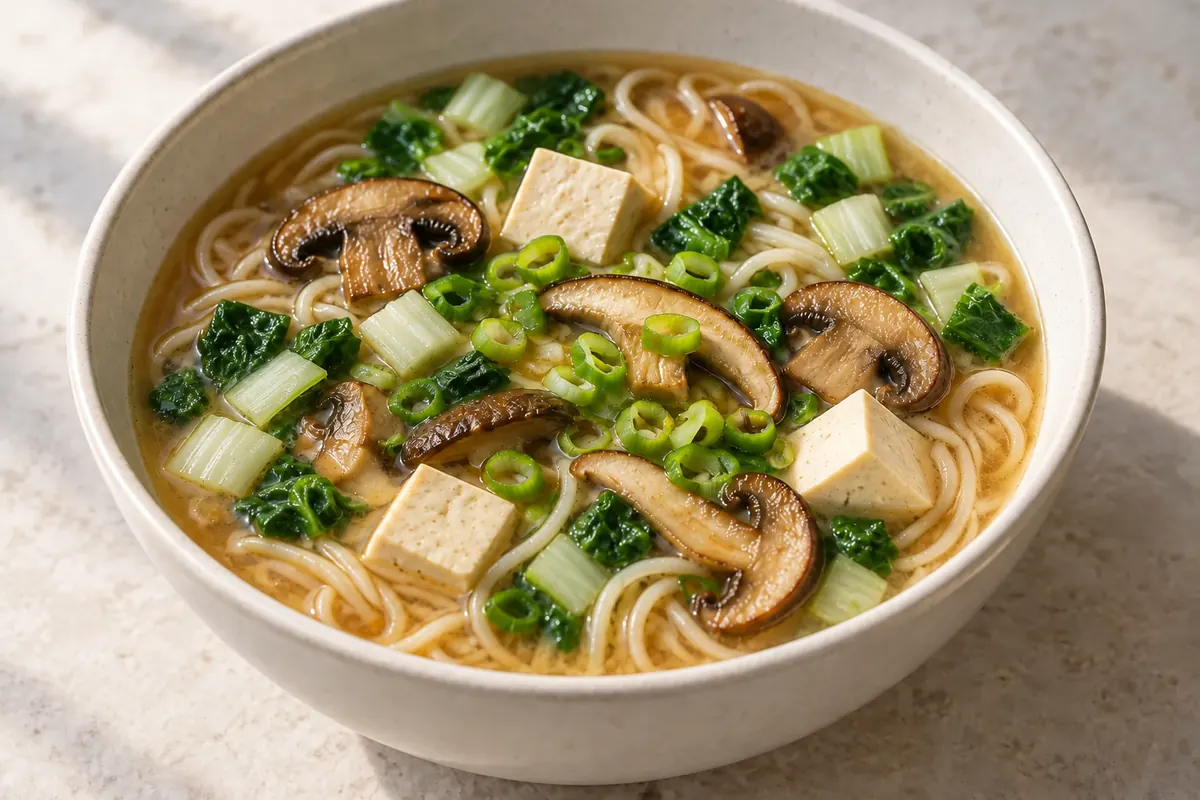
Vegetables with miso butter can be a side or part of a main meal. Add rice, noodles, beans, tofu, or another suitable component based on appetite and the rest of dinner. Keep the accompanying ingredients relatively plain until you taste the whole bowl. A very salty protein sauce beside strongly seasoned vegetables can leave the meal with nowhere quiet to land. A simple starch can carry the richness and let the vegetable remain distinctive. Think about a complete mouthful rather than making each separate component taste as intense as possible.
For a mixed vegetable bowl, cook ingredients according to their needs instead of expecting a single pan schedule to suit everything. Carrot pieces, mushrooms, and tender leaves do not finish at the same time. Combine them after cooking if that gives better textures, then use enough finishing butter to connect the plate. If packing leftovers, refrigerate promptly and reheat appropriately. You may prefer to reserve some plain vegetables and add a fresh small amount of the finish later, which keeps the second meal from feeling like a softened copy of the first.
Keep the pantry small and purposeful
One useful tub of miso can cover several finishing jobs. A butter-forward portion can melt into a split potato; a smaller amount can coat mushrooms after their water has evaporated; a recipe-developed dressing can use the paste without butter at all. Keep those preparations separate rather than converting the whole tub into one mixture. Store the original paste according to its label and use clean utensils. When a new tub tastes sweeter or saltier, adjust the serving portion against a piece of vegetable before seasoning the entire pan.
A small bowl, a fork, and a good cooking pan are the main tools needed here. Choose equipment around the vegetable and the number of portions, not around a condiment's name. A crowded skillet will still crowd mushrooms no matter how impressive the finish sounds. The useful habit is a sequence: cook the vegetable properly, soften the final heat, add a modest coating, and taste with its companions. That sequence makes an ordinary weeknight ingredient feel considered without demanding a new elaborate sauce every time dinner reaches the table.
Keep in mind
Taste the miso before adding salt; different styles and brands vary.
Cook vegetables for their own texture, then add a modest finishing coating over gentle heat.