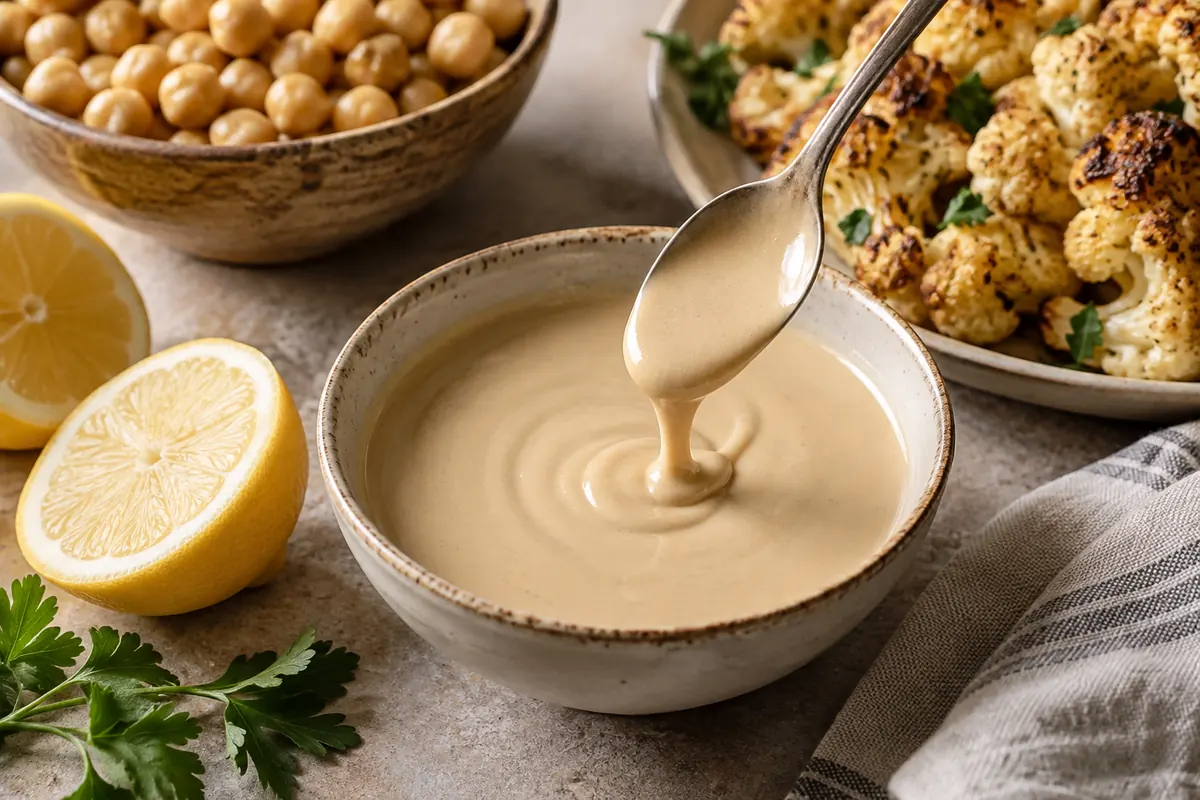
Make the sauce before making a plan
Start with tahini made primarily from sesame seeds and check whether it includes added seasonings. A ready-made tahini condiment is not always interchangeable with plain paste. Also distinguish it from darker roasted sesame pastes used in other cooking traditions, which may have a stronger toasted flavor. Neither is a universal upgrade over the other. Buy the ingredient your intended recipe names, stir the jar thoroughly if the oil has separated, and taste before adding salt. A coherent sauce begins with knowing what is already in the spoon.
Put it to work
Useful tools, at a glance
Whisking batter and mixing dressings
OXO Good Grips 11-inch Balloon Whisk
Do not panic when the mixture thickens
Tahini can become surprisingly thick as you begin adding a small amount of water or lemon juice. That intermediate texture often looks like a failure, especially when the paste was flowing freely in the jar. Keep working gradually, using the liquid and method in your chosen sauce recipe, and judge after the mixture is evenly combined. A sturdy whisk or a spoon pressed against the bowl can help bring it together. Pouring in a large unmeasured amount of liquid because the first stir looked stiff makes the final texture harder to control.
Decide where the sauce will go before choosing its thickness. A spoonable sauce beside roast carrots should hold a soft mound. A dressing for chopped vegetables needs to move among the pieces. A noodle sauce needs enough liquid to coat strands without becoming a gluey mass. Lift a spoon and watch how the mixture falls, then taste it with the food. A sauce that looks beautifully thick in a separate bowl may feel heavy when mixed with beans or starch, where a little additional water can make it much more useful.
Keep the base adaptable
For a sauce intended for more than one meal, avoid making every flavor decision at once. Tahini, water, lemon, and modest seasoning can remain flexible. An enormous quantity of raw garlic, a strong chile paste, or a very sweet syrup commits the whole batch to a narrower set of uses. You can always add those ingredients to a serving portion later. Dividing a neutral base is particularly useful in a household where one person wants a gentle dressing and another wants a very spicy finish.
Taste the base with its first meal before packing the rest away. If the lemon feels aggressive on a spoon but lively on roasted squash, the sauce may be right for that dish and less suitable for another. Keep the unused base separate from food and use clean utensils when serving. A sauce that has been mixed with roast vegetables is now a prepared vegetable dish with its own handling history. It should not go back into the storage container as though nothing has changed.
Give roast vegetables a cool companion
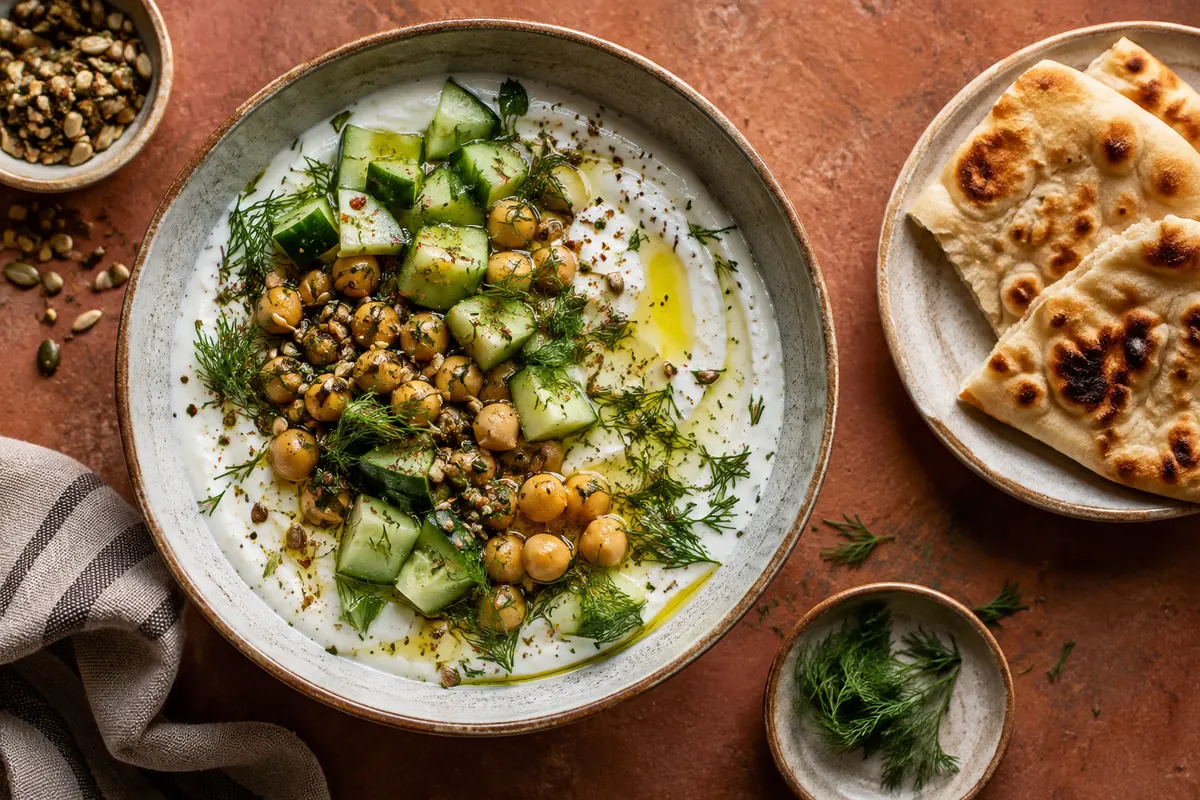
Tahini sauce and roast vegetables work because the textures differ. The vegetables bring browned edges and tender interiors, while the sauce contributes a smooth, rich coating. Leave some surfaces uncovered so the browning stays visible and the plate does not become uniformly beige. A spoonful spread under the vegetables or a few lines over the top can be enough. Finish with a fresh herb or a little citrus if the meal needs brightness, and add beans, grains, or bread when this is dinner rather than a side dish.
Vegetables release different amounts of moisture. A dry roast potato can take a looser sauce than a pile of cooked zucchini, while steamed greens need draining before they meet it. Keep that distinction in mind when using the same base on another night. Thin a small portion in a separate bowl rather than repeatedly changing the entire batch. The sauce should adapt to the food you actually cooked. Expecting one fixed texture to suit every vegetable is how a practical staple turns into a stubborn instruction.
Move from beans to noodles carefully
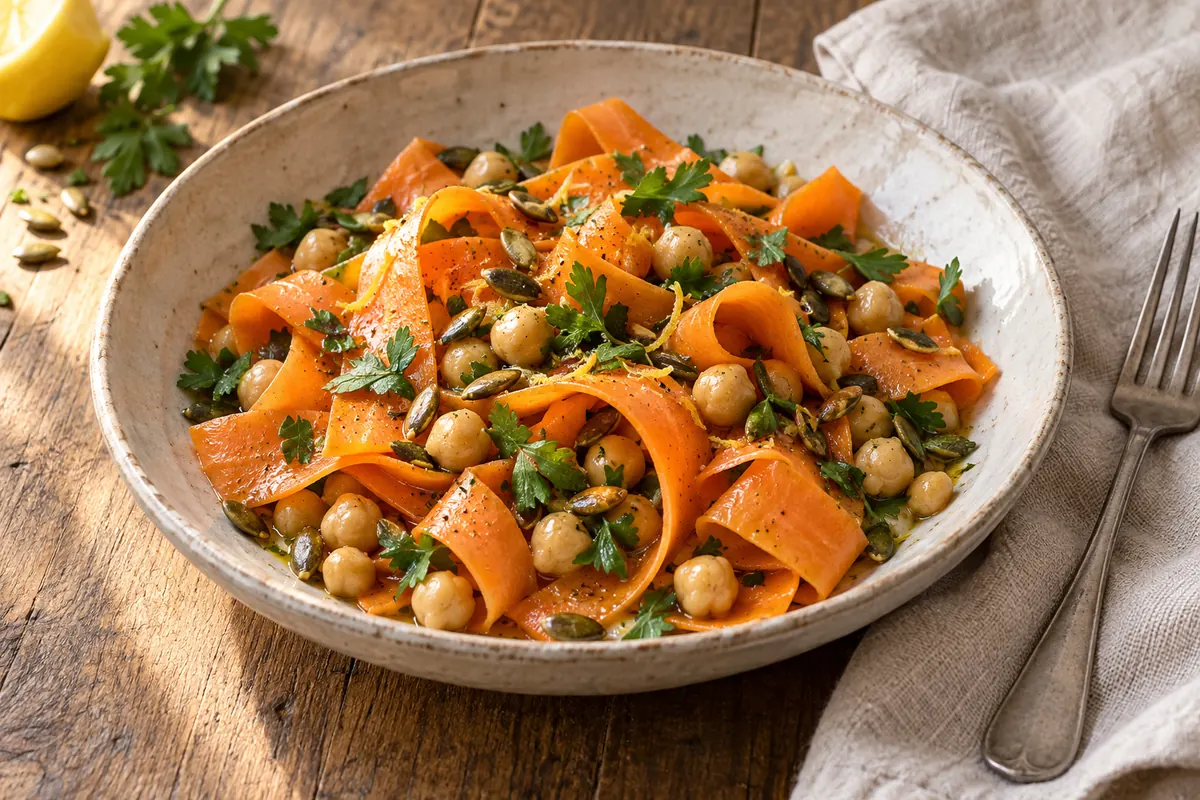
A bean bowl can take tahini sauce in two directions. Fold a little through warm drained beans for a creamy coating, or keep it beside the beans with crisp vegetables and bread for scooping. The first approach needs more attention to liquid because the beans contribute starch and the sauce can thicken as it stands. Start with less than you think, turn gently, and add water in small amounts if needed. Reserve some plain beans when cooking for different tastes so the whole pot does not depend on a single finish.
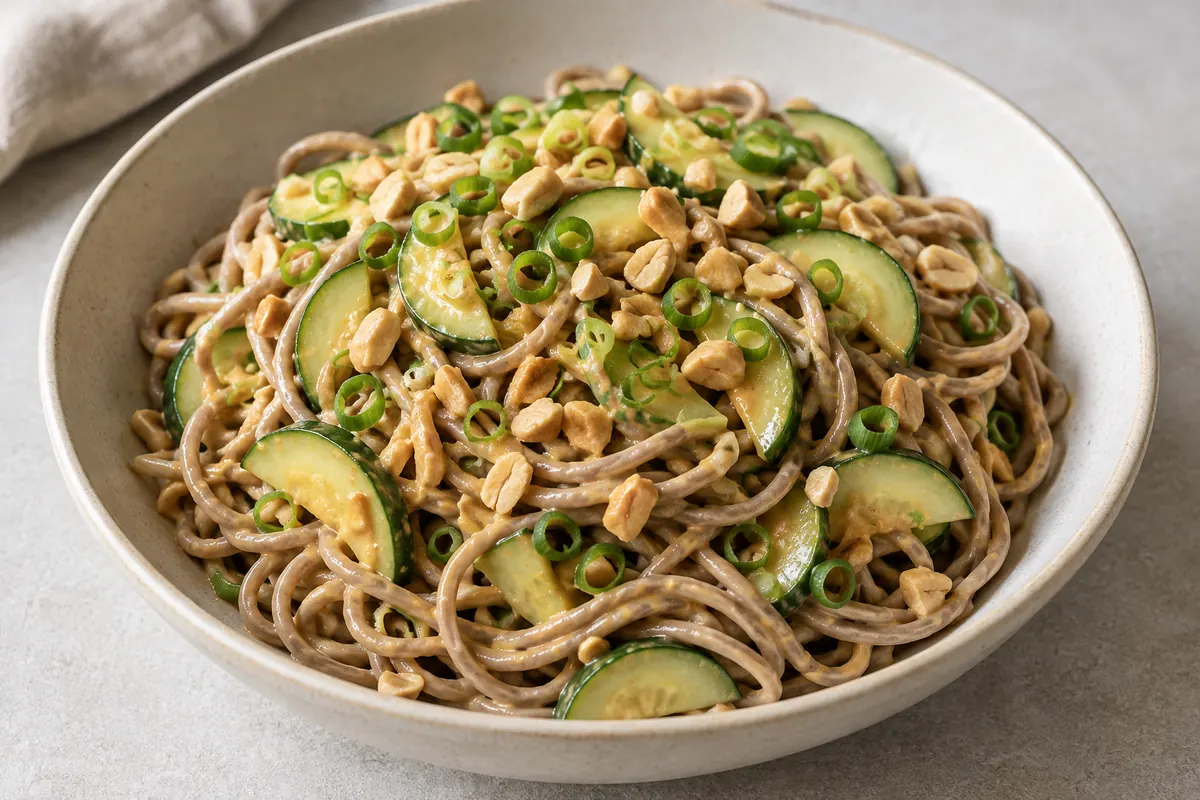
For noodles, combine a serving portion of the sauce with the seasonings that suit that meal before adding the noodles. A little soy sauce, vinegar, or chile changes the direction without requiring an entirely different pantry. Drain the noodles but keep suitable cooking water available for adjustment, then toss in a bowl with room to move. Soy sauce also adds salt, so taste before repeating the seasoning used for a lemony vegetable plate. A sauce should connect the meal, not become an excuse to apply every salty condiment in the cupboard.
Pack for lunch without losing the contrast
A lunch of grains, beans, and chopped vegetables can be prepared in parts, with tahini sauce in a small leakproof container. That makes the texture at lunchtime easier to manage. The grains do not absorb all the dressing overnight, and the crisp vegetables do not sit under a wet coating until they soften. Stir the sauce before serving and thin only the amount you need. If it has thickened in the refrigerator, a small addition of water can be more appropriate than another large spoonful of oil.
Keep the packed meal cold when its ingredients require refrigeration, and plan for the actual travel time. Sesame is an allergen, so label a shared sauce clearly and keep serving utensils separate. A smooth pale dressing can look like yogurt, mayonnaise, or another sauce to someone who did not make it. A plain name on the container is more useful than an imaginative title when several people are sharing lunch. The same clarity helps you remember which batch contains garlic, which is lemony, and which was finished with chile.
Plan a week of possibilities, not a storage promise
A week of meals can be a useful planning horizon without meaning that one homemade sauce must remain in the refrigerator for seven days. Make an amount appropriate to reliable storage guidance, or prepare another small batch later in the week. Use the same jar of plain tahini across those batches while varying the finished sauce. This keeps the convenience of a familiar technique without asking freshness and handling to stretch around a slogan. The meal plan should follow the food, rather than force the food to follow the calendar.
Divide a small base sauce by destination rather than coating every meal in advance. Keep one portion spoonable for roast carrots, thin another to travel through a bean salad, and season a third for noodles only when that dinner is ready. Soy sauce changes salt as well as flavor, so add it to the noodle portion separately. Herbs can stay outside the stored sauce until serving. A bowl, whisk, and small containers are enough to keep those textures distinct, with fresh batches made as needed within reliable refrigerated storage guidance.
Keep in mind
Stir separated tahini before measuring, and thin a serving portion for each dish.
A weekly meal plan does not establish a seven-day storage life for homemade sauce.