Smell comes before the green
Pandanus amaryllifolius is the fragrant pandan used in many Southeast Asian preparations. Singapore's National Parks Board describes its leaves as a source of fragrance in foods including cakes, teas, and rice dishes. That culinary range is worth remembering when the ingredient appears mainly in bright green desserts online. It belongs to established cooking traditions with many different methods. Treat a new package as an invitation to understand one of those methods, rather than a shortcut for making an unrelated food look more dramatic.
Put it to work
Useful tools, at a glance
Rinsing ingredients and straining small batches
Cuisinart Stainless Steel Mesh Strainers, Set of 3
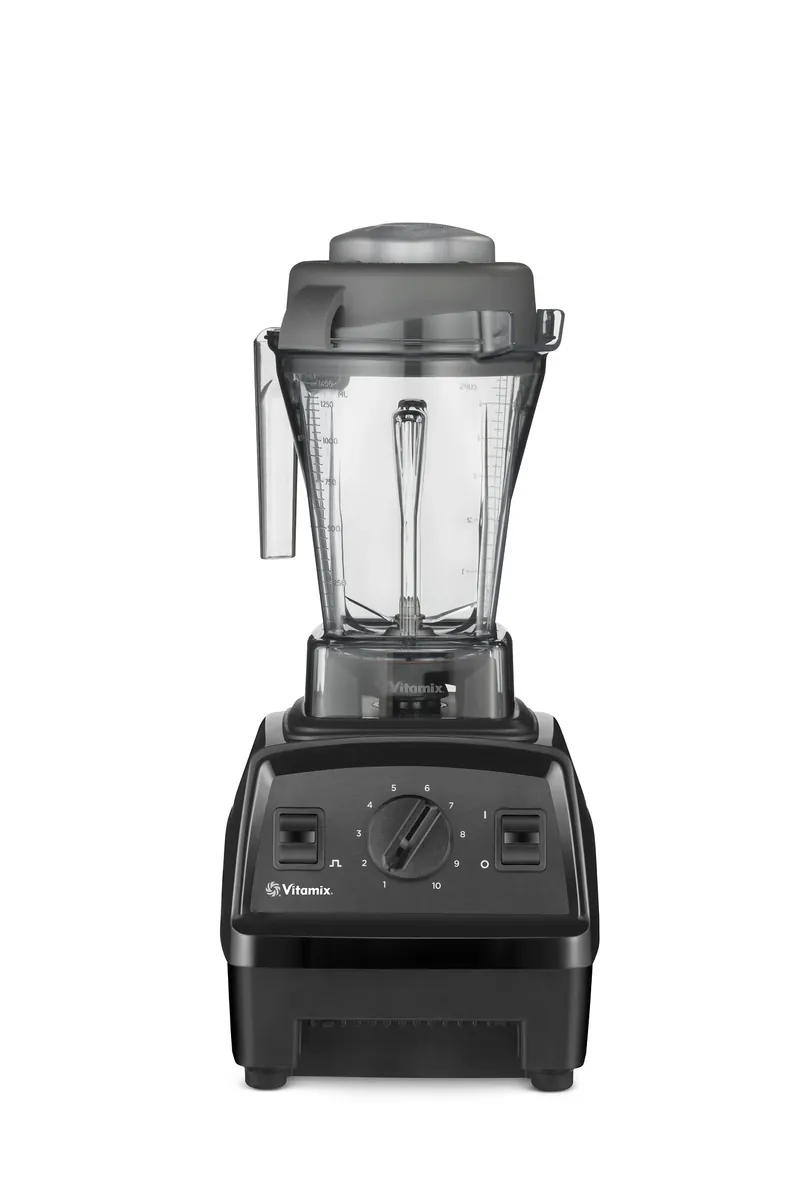
Variable-speed blending with a tamper
Vitamix E310 Explorian Blender, Black
Leaves, juice, and flavoring are separate purchases
A bundle of leaves, a homemade green juice, and a concentrated bottled flavoring are not the same ingredient in different packaging. Whole leaves can steep in a liquid and then come out. Juice contributes liquid as well as flavor and color. A prepared extract or flavoring may contain other ingredients and follow a completely different dosage. Read the package and the recipe together. The important shopping question is which form the recipe expects, not which package offers the deepest green in the store.
Frozen leaves can make sense when fresh ones are difficult to find, provided the recipe allows them and the package is properly stored. Check the label for the plant and the form, and follow its thawing or preparation directions. With bottled products, distinguish flavoring from pure leaf juice rather than assuming the word pandan explains the whole contents. Keep the bottle's ingredient list with your baking notes. That small record helps explain a difference in sweetness, color, or strength when you switch products later.
Use whole leaves when the liquid is the destination
Rice offers a direct way to understand the aroma without chasing a vivid color. A recipe may have you knot or fold a leaf and cook it with the rice, then remove it before serving. Follow the recipe's quantity and cooking method instead of adding a random handful. A leaf can sit in the pot while the grains remain their ordinary color. That is useful evidence that green appearance and pandan flavor do not have to rise together. The dish should still behave like properly cooked rice.
Infused coconut milk offers another route, especially for desserts where a smooth texture matters. Use a recipe that states how to heat or steep the leaves and when to remove them. Strain if the method calls for it, keeping fibrous leaf material out of the finished mixture. Whole pandan leaves are an aromatic tool, rather than a leafy garnish to scatter over a custard. A small saucepan and a fine strainer handle this kind of task without requiring a dedicated appliance or a cupboard full of new equipment.
Leaf juice needs a place in the formula
A blender can break cut leaves into a liquid that is then strained, but that liquid still has to fit the recipe. Pouring extra juice into an existing cake batter changes the amount of water in it. Reducing an unrelated ingredient by eye may create a second problem, especially if that ingredient also contributes fat or structure. Choose a formula written for pandan juice and measure what it asks for. The right amount is determined by the cake's design rather than the intensity of the juice in a glass.
When a method calls for straining, allow time for that work and use a bowl that catches the liquid cleanly. Pressing hard to recover every last drop can push more fine material through a loose filter. Decide whether the method wants clear liquid, a settled concentrate, or a less refined extract, and keep to that description. Avoid assuming that all green liquids made from leaves will act alike. Recording the final measured amount is more useful for the next bake than recording only how many leaves went into the blender.
A chiffon cake depends on more than flavor
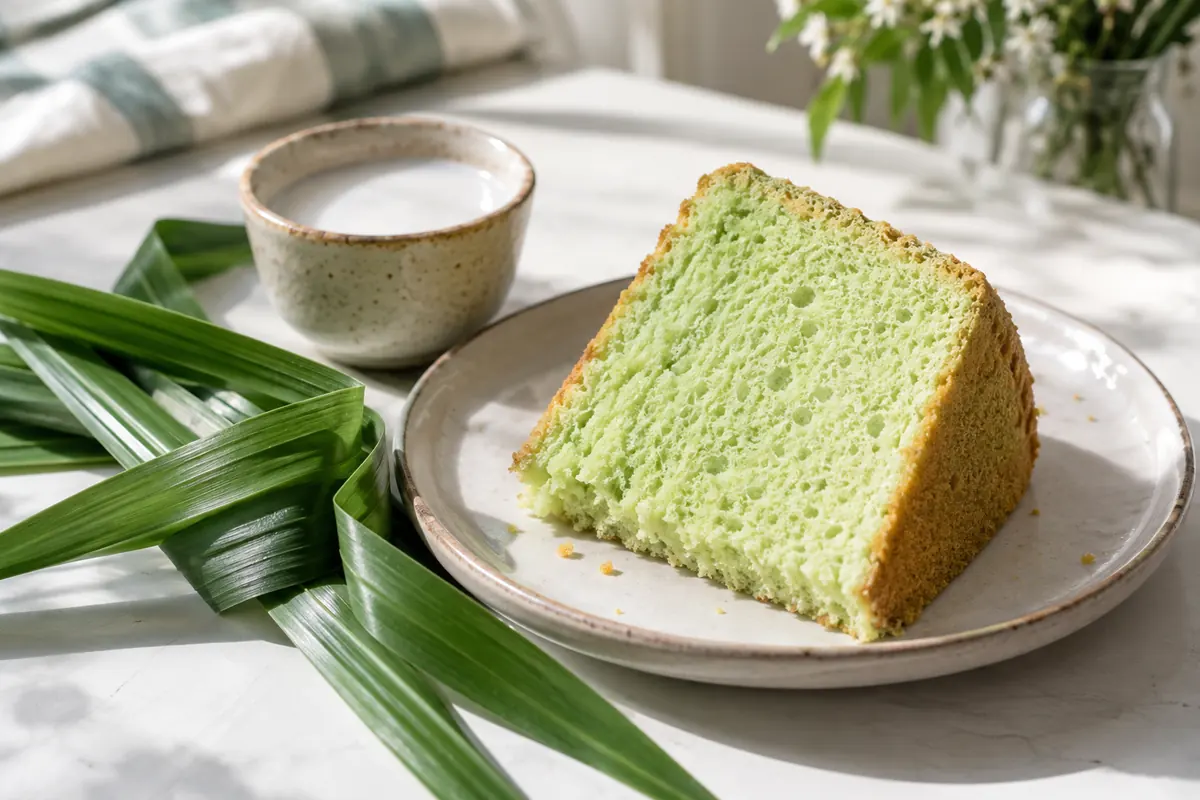
Pandan chiffon is a good reason to use a cake recipe intended for pandan from the beginning. The flavoring is only one part of an airy structure built through the formula and the handling of the batter. Follow the specified pan, egg treatment, folding, baking, and cooling directions. Changing the pan or casually stirring away the air can matter more than choosing a different shade of extract. A fine-looking green surface does not show whether the crumb underneath will be light, heavy, dry, or underbaked.
A tube pan may be central to a particular chiffon method, so a square cake pan should not be bought as an automatic substitute. Read the complete recipe before shopping for equipment. If you would rather avoid a specialized bake, choose another pandan preparation that suits a saucepan or a pan already in the kitchen. A simple rice dish or a coconut dessert can teach you a great deal about the ingredient without making an elaborate cake the entrance requirement. Matching the project to the available tools makes a second attempt much more likely.
Keep the company simple enough to taste
Coconut is a familiar companion, but its form changes the result. A can of coconut milk, sweetened coconut cream, and dry shredded coconut contribute different amounts of liquid, sugar, fat, and texture. Use the one named in the recipe. Adding a sweeter coconut product to compensate for faint pandan can send the dessert in the wrong direction. Taste any fully cooked component when the method allows, then judge whether the balance needs adjustment in a future batch rather than forcing the whole mixture toward a stronger color.
Choose a first serving that leaves the pandan aroma easy to notice. Plain pandan-scented rice can accompany a savory meal without turning green, while a coconut dessert can carry the fragrance in a smooth liquid component. A chiffon cake adds the separate work of an aerated batter and its cooling method. Keep heavy chocolate or several strong extracts out of that first comparison. Once the form is chosen, use the leaf, juice, or flavoring that the preparation expects, so a stronger color does not quietly become extra liquid or excess flavoring.
Make the next purchase easier
Keep unused leaves or prepared products according to their packaging, and do not assume a homemade strained juice has the same keeping qualities as a commercial bottle. Make the amount your chosen recipe needs, handle it cleanly, and follow reliable storage guidance for that preparation. Concentrated flavoring is usually bought for repeated small uses, while leaves may suit a planned rice meal and a dessert. Thinking about the next two uses helps you choose a sensible package instead of leaving an unfamiliar ingredient without a job.
The equipment can stay equally focused. A fine-mesh strainer earns its place when a method requires smooth leaf juice or an infusion. A capable blender matters for a larger extraction task, but it is unnecessary for simply infusing whole leaves. Buy for the method you intend to repeat. Whether the finished food is pale, white, or gently green, the useful result is an aroma that belongs with the dish and a texture the recipe intended. That gives pandan a role beyond decorating a photograph.