Choose a drink with a job at dinner
Choose one main drink and keep still and sparkling water available. Offering a choice does not require offering six mixed drinks. A concise menu reduces last-minute measuring, leaves refrigerator space for food, and makes it easier to explain ingredients. Ask guests about their preferences beforehand without asking why they are avoiding alcohol. Some people want complex bitter flavors; others simply want something cold and refreshing. Good hosting makes both choices easy and treats them with the same care as the rest of the meal.
Put it to work
Useful tools, at a glance
Measuring small amounts of citrus juice
OXO Good Grips Small Citrus Juicer
Rinsing ingredients and straining small batches
Cuisinart Stainless Steel Mesh Strainers, Set of 3
Build flavor before reaching for a substitute spirit
Think about four parts: a flavorful base, something bright, any sweetness needed for balance, and the dilution that will make the drink comfortable to sip. Brewed tea, fruit, ginger, or culinary herbs can provide the base. Citrus juice brings acidity, while a measured syrup can soften an edge. Water and melting ice are ingredients too. A mixture that tastes vivid before dilution may be right for an iced drink, but it still needs to be pleasant once poured and allowed to settle.
Taste in a small glass rather than trying to correct a full pitcher blindly. Add a little cold water and the intended ice so the sample resembles the finished drink. If it tastes flat, decide which part is missing before adding more sugar. It might need acidity, aroma, a pinch less bitterness, or simply less dilution. Write the changes down as you go. A drink that only exists as a sequence of unmeasured splashes is hard to reproduce when the second pitcher is needed.
Use tea for structure, with a controlled steep
Tea can give a mixed drink more shape than juice and bubbles alone. Brew it according to the actual product's guidance, then remove the leaves or bags and cool it appropriately before mixing. Making a stronger tea base by adding more tea can offer more control than extending the steep indefinitely. Taste for the character you want rather than treating bitterness as proof of sophistication. A harsh tea base usually stays harsh even after a garnish has made the glass look inviting.
Choose companions that make sense together. Black tea and orange can support a cooler-weather meal; a fragrant herbal infusion may be enough with a light lunch. These are flavor directions, not claims that one particular plant delivers a health effect. Keep caffeine preferences in mind and identify a caffeinated drink clearly when it matters to guests. Make the tea ahead far enough that it can be cold before serving. Warm tea poured over a small amount of ice will change the drink much more than a few final adjustments can fix.
Keep acidity lively without making it abrasive
Fresh citrus is an accessible way to give a drink definition, but use the juice you have rather than an assumed universal level of sourness. Taste the fruit first. Lemon, lime, grapefruit, and orange bring different balances, and two pieces of the same fruit can differ. Add juice gradually to the sample drink and notice whether it improves the whole mixture or starts to dominate it. Keep a fine strainer nearby if pulp or seeds would make the intended serving awkward.
Vinegar can bring another kind of sharpness in a well-designed drink, but it should be a measured flavor choice. Whole Foods Market included vinegar drinks in its 2026 forecast; that is an idea source, not a reason to turn dinner into a wellness demonstration. A splash can overwhelm a delicate base. Avoid presenting homemade fruit-and-vinegar mixtures as shelf stable or giving them an invented storage life. For a party, prepare a modest refrigerated batch using reliable food-handling guidance and keep the flavor focused.
Check every ingredient when zero matters
A drink described as zero proof should be built from ingredients that fit the guests' requirements. Product labels matter. Bitters, extracts, fermented drinks, and products marketed as non-alcoholic can have different compositions and labeling conventions. Do not assume that a familiar cocktail ingredient becomes suitable because only a few drops are used. If someone needs strict avoidance, discuss the actual ingredients and choose a clearly suitable alternative rather than making a promise based on the drink's name.
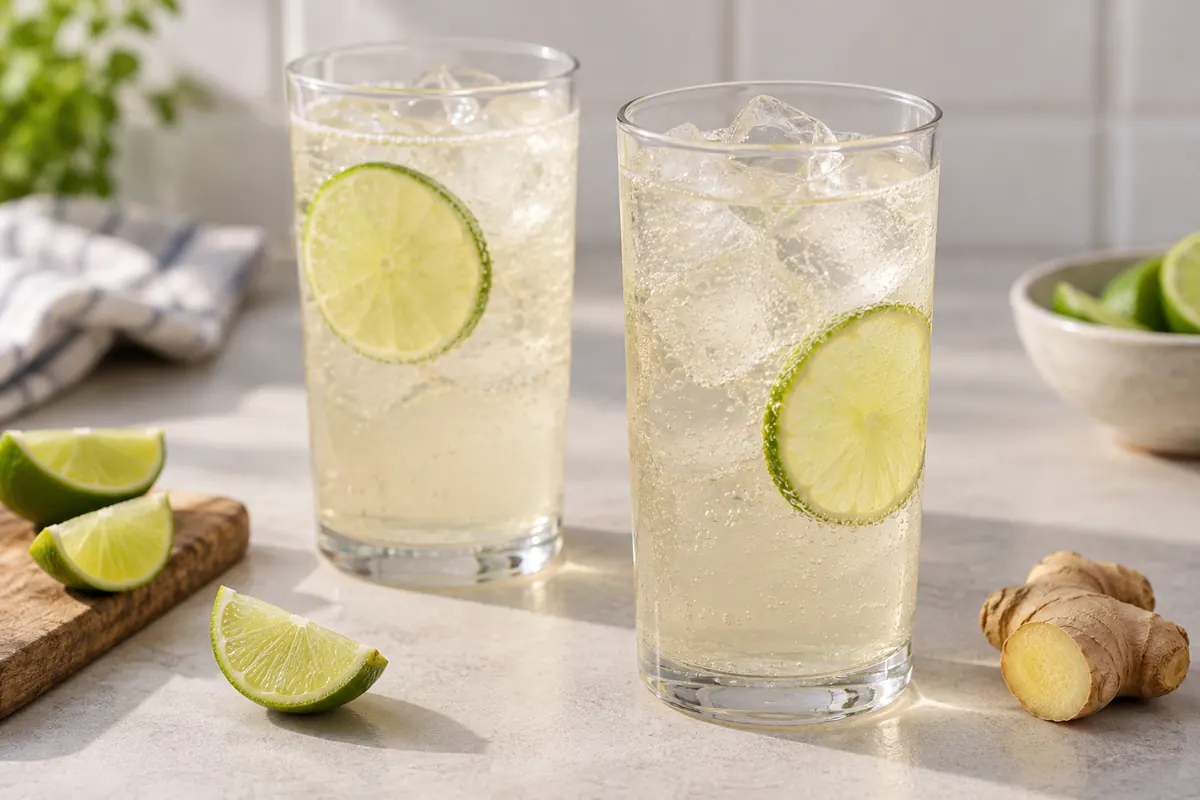
A bottled spirit alternative can add a particular botanical profile, but it is optional. Read the maker's serving suggestions and the bottle's ingredients, then taste it in the intended mixture. These products do not all behave like direct replacements for gin, whiskey, or another spirit. Keep packaging available if guests have questions, and list distinctive components in a simple drinks description. A citrus and ginger cooler is easier to understand than a playful name that hides half of the ingredients people need to know about.
Batch the base and add bubbles at service
For a sparkling drink, prepare the still components ahead and chill them. Add the carbonated component close to serving so the drink arrives lively. A large pitcher repeatedly stirred and left open will behave differently from a small fresh round. Decide whether guests will pour their own drink or whether you will serve individual glasses, then choose a container that makes that arrangement easy. Leave enough headroom for mixing and pouring without sending liquid over the rim.
Ice deserves a separate plan. Have enough for the first round and for replenishment, and use a clean scoop or tongs. Chill glasses when practical, but do not let that become another task competing with dinner. Large or small cubes change melting and the way a glass fills, so test your chosen glass once before multiplying quantities. Keep the base cold in the refrigerator rather than expecting a few decorative cubes to cool a room-temperature pitcher instantly.
Use a garnish that earns its place
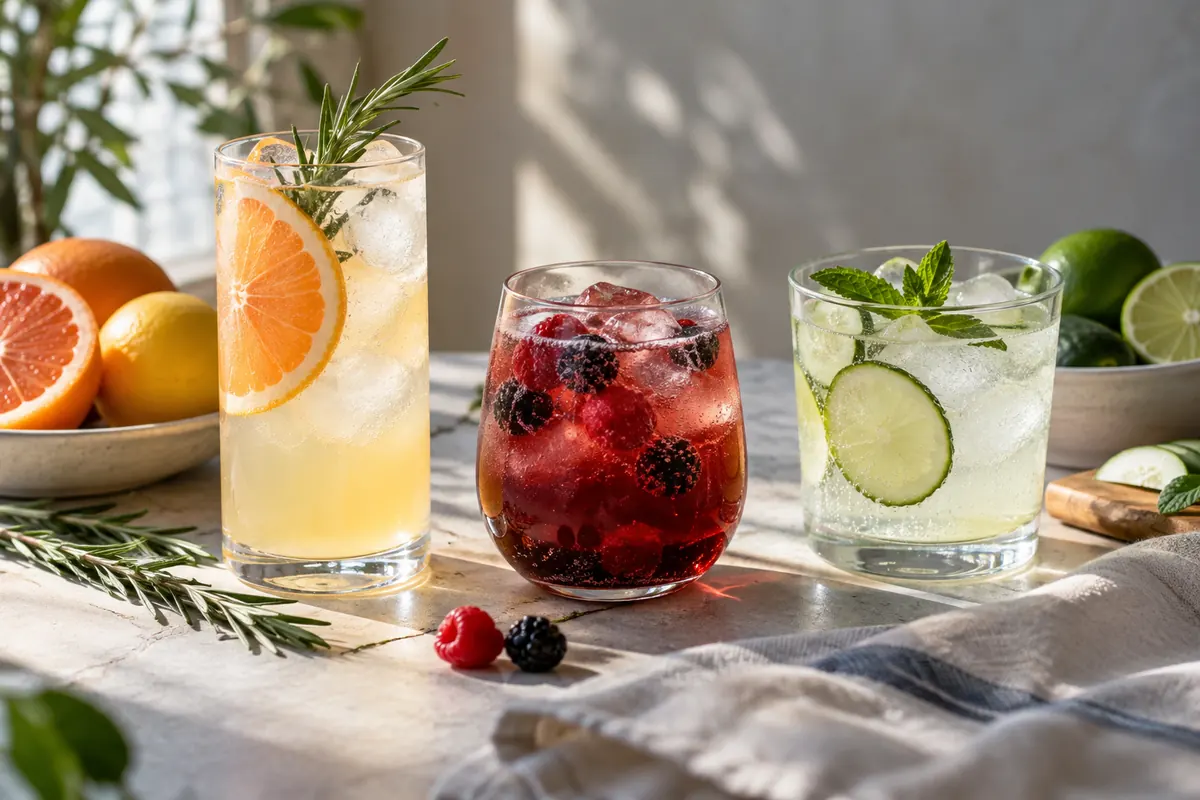
A garnish is most useful when its aroma or texture connects with the drink. A strip of citrus peel, a lightly handled herb sprig, or a thin slice of the same fruit can do that job without turning the rim into a centerpiece. Wash produce and choose food-safe materials. Keep stems and slices manageable so guests can drink easily. A glass should not require a small excavation before the first sip, and a garnish that drops into a narrow bottle creates unnecessary cleanup later.
For repeated citrus preparation, a sturdy hand juicer can save effort and a small mesh strainer can catch seeds. Our equipment library includes verified examples of both. They are relevant tools if drinks are a regular part of your kitchen, but a fork and a suitable sieve may already meet the need. Put money toward the ingredients and ice plan before building a specialized bar setup. Clear measurements, chilled components, and an easy pour contribute more to a smooth evening than a drawer full of accessories.
Let the second glass be as good as the first
Serve a small first round and keep the remaining base chilled. Taste again when making another pitcher, since melted ice and a new bottle of mixer can change the balance. Replenish garnishes thoughtfully and clear empty glasses before the table becomes crowded. If guests prefer water after the first drink, let that be a complete and welcome choice. The purpose of the drinks menu is to support the meal and conversation, not to persuade everyone to keep sampling your preparations.
Keep the second round simple. Refill a small amount of chilled still base, add fresh ice where appropriate, and open or pour the sparkling component close to service. Taste the combined glass before making a larger round, especially when the food has moved from a light starter to a richer main dish. Offer water alongside it and keep garnishes small enough to leave room for drinking. A citrus-and-tea mixture can stay pleasantly dry beside dinner when the sweetener remains a measured component instead of an automatic addition at every refill.
Keep in mind
Check labels for alcohol content and discuss strict avoidance needs before choosing mixers.
Chill the base ahead and add carbonated ingredients close to serving.