Give the afternoon a realistic shape
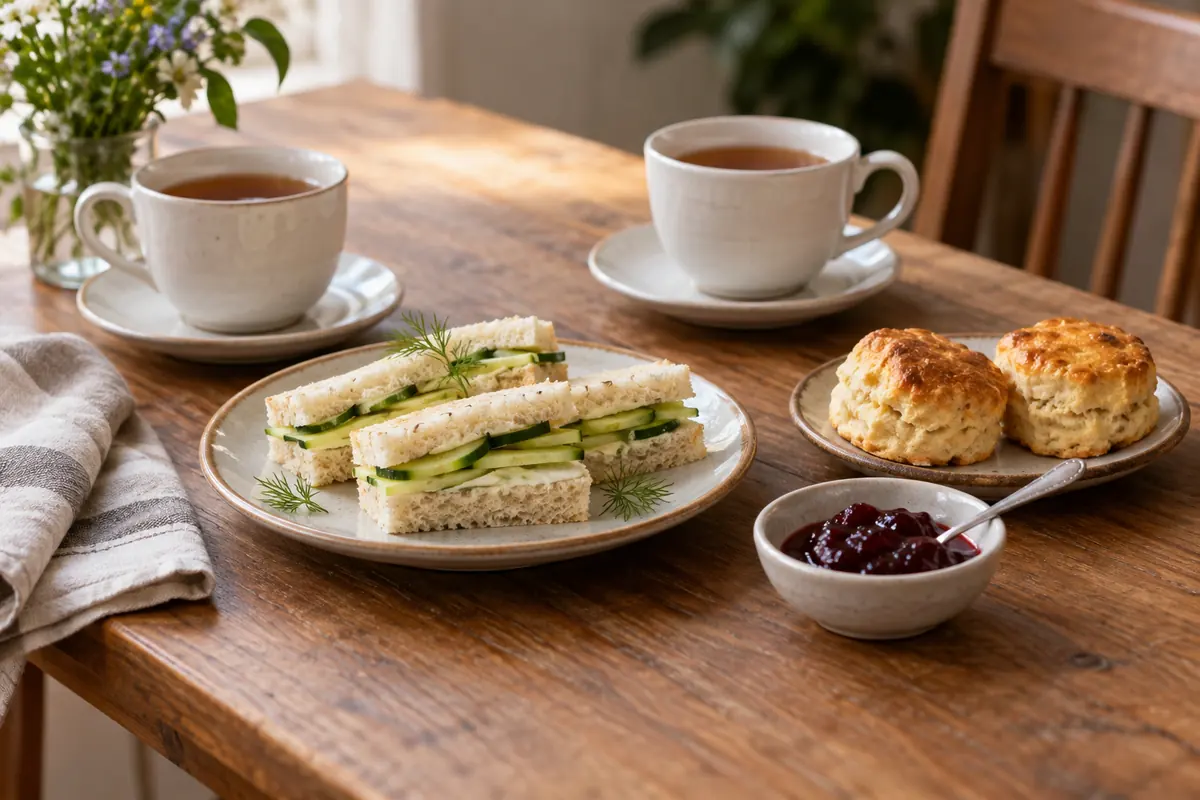
Begin with three elements: tea, one savory choice, and one baked or sweet choice. Fruit, jam, or another small accompaniment can complete the plate without becoming a separate project. A tiered stand is optional. Ordinary plates make it easier to pass food and clear space for cups. Choose the pieces you like using and set them out before food preparation begins. A comfortable seat and a cup within reach do more for the afternoon than an elaborate arrangement that leaves nowhere to put anything.
Put it to work
Useful tools, at a glance
Rinsing ingredients and straining small batches
Cuisinart Stainless Steel Mesh Strainers, Set of 3
Build the menu around contrasting textures
A soft sandwich and a tender scone make a gentle combination, but the filling and accompaniments can keep the menu lively. Cucumber brings freshness; an egg filling brings richness; a sharp jam can lift a plain bake. Choose one main filling rather than making several tiny quantities that each need a bowl, knife, and storage space. Cut pieces small enough to pick up comfortably, and leave strong aromas out of the menu if the tea is delicate.
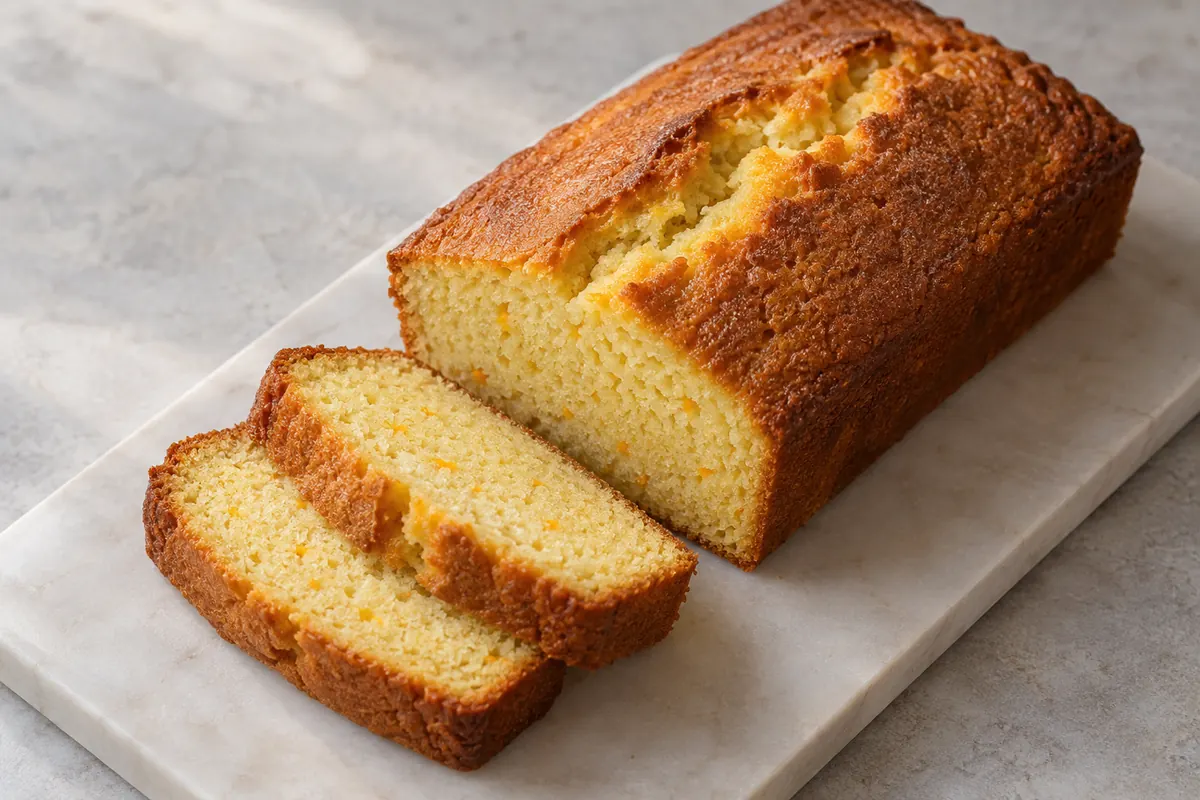
Think about what can wait and what cannot. A sturdy loaf cake often tolerates being baked ahead more easily than a freshly filled pastry. Crisp components should stay separate from wet fillings until close to serving. If you want warm scones, use a reliable scone recipe and schedule them as the only last-minute cooking job. Buying a good bake is also a sensible choice. Put your effort into the item you most want to make, then let the rest of the menu support it.
Brew for the tea you actually bought
Tea instructions are useful because different products do not all want the same treatment. Read the packet's water and steeping guidance, then measure the amount for the vessel you are using. A giant teapot filled with a small quantity of water can make pouring clumsy, while a tiny pot may leave you brewing continuously. Choose a pot sized for the number of cups you want to serve in that round. Keep a fresh round possible rather than leaving leaves steeping indefinitely.
Twinings advises following the specific tea's brewing directions and allowing loose leaves room to move. That is a useful starting point for choosing an infuser or strainer . If guests want different strengths, pour or remove the leaves when the tea is ready and offer another brew later. Milk, lemon, and sweeteners can sit nearby for personal preference. They do not need to be added to everyone's cup by default, and each choice should complement the tea rather than cover an overlong steep.
Make sandwiches for the moment of eating
The best small sandwich still tastes like a sandwich, with enough filling to identify and bread that is pleasant to chew. Trim crusts if that suits the bread and the occasion, but do it for texture or appearance rather than as a rigid rule. Keep the discarded pieces for another appropriate use if you have one. Before cutting the whole batch, make one sandwich and assess whether the bread is too thick or the filling too loose for neat pieces.
Watery ingredients need particular attention. Dry washed vegetables and prepare them so they do not soak the bread immediately. A thin layer of a suitable spread may help the eating experience, but it does not turn a filled sandwich into a food that can sit warm for hours. Keep perishable fillings chilled until needed and serve smaller rounds if the afternoon will run long. Ask about allergies before choosing the filling, and use separate clean tools when different dietary needs require them.
Let one bake carry the warm part of the table
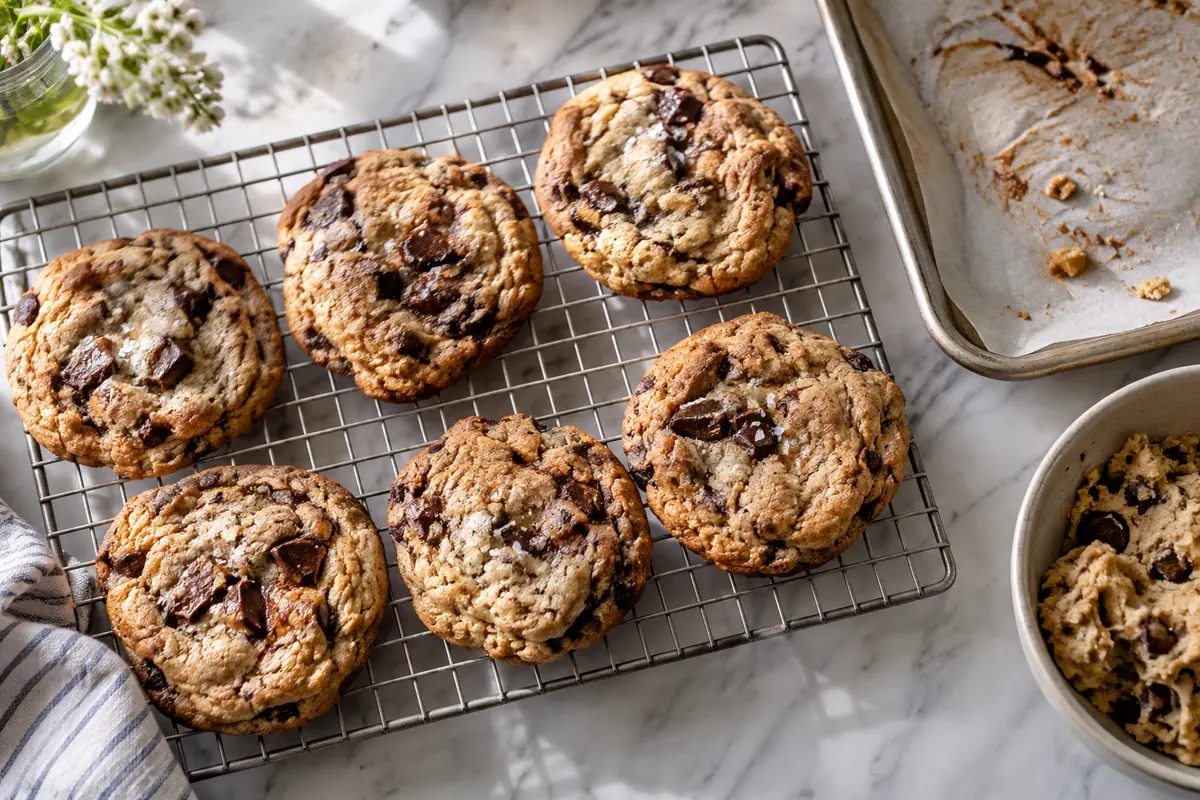
A plain scone, a slice of citrus loaf, or a small cookie gives tea something to accompany without filling every plate with sugar. Pick a bake whose texture you enjoy without elaborate decoration. If you are making scones, follow the recipe's mixing, shaping, and baking guidance rather than trying to stretch the dough into extra portions with more flour. Choose an easy shape that fits the recipe and your available tray. The afternoon does not depend on every piece looking identical.
Consider the accompaniments before adding flavors to the dough. A strongly spiced bake may want a different jam from a plain one, and an already sweet loaf may need nothing at all. Put a clean spoon with each shared pot, and provide enough small plates that people are not balancing jam beside their teacups. If you are reducing a recipe, write the new formula in advance. Dividing ingredients while trying to greet arriving guests is a poor use of the attention you hoped to save.
Use a short preparation timeline
The day before, check your guest count, food needs, and supplies. Choose serving pieces, make any bake that stores well, and clear the space where people will sit. On the day, prepare ingredients that can wait safely in the refrigerator and leave assembly for a manageable window before serving. Put water, cups, tea, and a timer together as a simple brewing station. Keep used utensils from accumulating where the kettle cord or hot pot will need to go.
In the final stretch, assemble the savory food, arrange the bake, and make the first pot once people are ready for it. Avoid a plan that depends on tea staying perfect through an uncertain arrival window. Offer water while waiting, then brew when there are actual cups to fill. If guests are helping, give them a complete small job such as putting jam and spoons on the table. Clear assignments are kinder than a general request to help while you remember five unfinished tasks.
Make hospitality easy to navigate
Put food where everyone can reach it and describe fillings clearly. A guest should not have to dismantle a sandwich to discover whether it contains egg, fish, or mustard. Keep packaging or an ingredient list available where it is useful for an allergy question. Provide a plain alternative only when you can prepare it appropriately; changing the label does not remove an ingredient or prevent cross-contact. A little clarity at the beginning lets the conversation move on to more pleasant subjects.
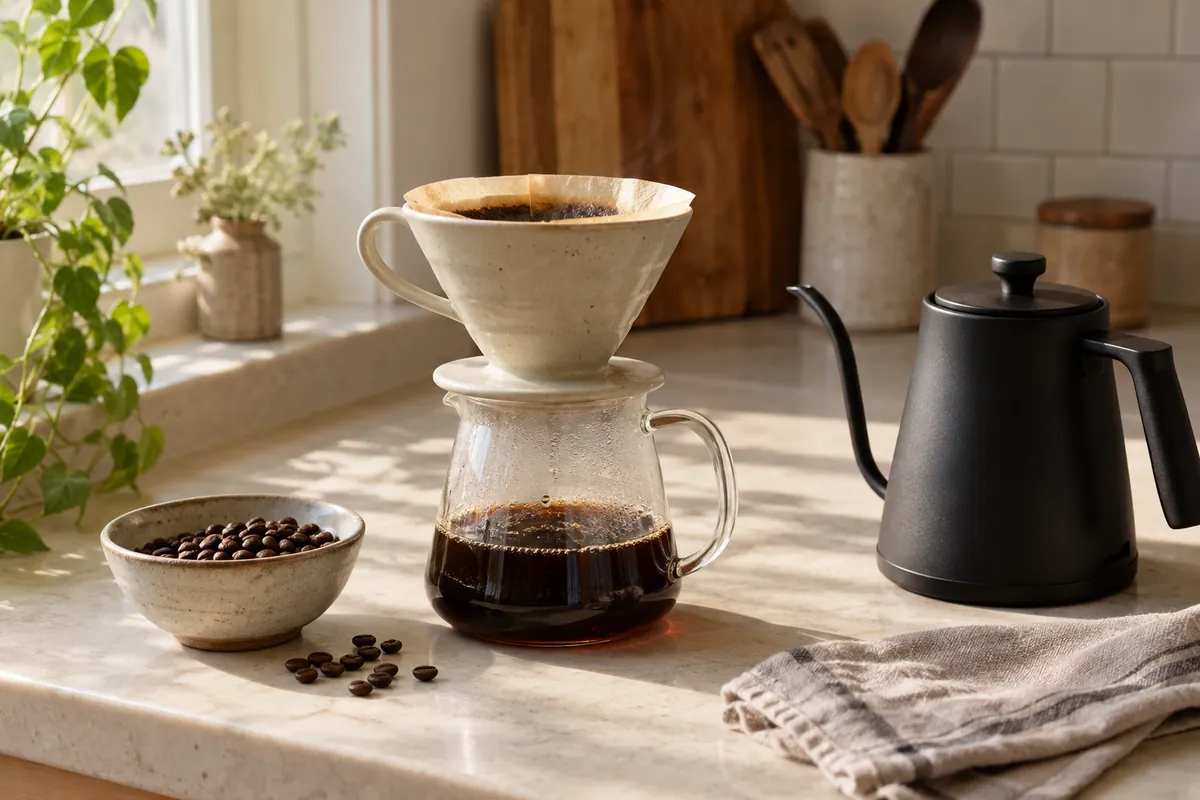
The same care applies to hot drinks. Use a stable tray if carrying several cups and leave enough table space for pouring. A lidded kettle with a controlled pour can be useful, though a specialist model is unnecessary for occasional tea. Our pour-over kettle comparison discusses verified options for people who also brew coffee. Check capacity, controls, and how much counter space you want to devote to it. The practical benefit is easier handling, not a promise that a new appliance will transform every cup.
Leave room for a second round
Serve an amount that encourages people to eat comfortably rather than presenting the entire afternoon's food at once. Keep additional perishable portions properly chilled, and bring them out as needed. The table will be less crowded, the food will spend less unnecessary time waiting, and you can judge whether anybody wants more. A second pot is a natural point to offer the remaining cake or refill a savory plate without interrupting the afternoon with constant attention to supplies.
At the end of the gathering, assess perishable sandwiches and dairy accompaniments by the time they have already spent out, then store or discard them according to safe guidance. Keep sound plain baked goods separate from wet fillings so their textures do not deteriorate together. A final pot of tea can accompany the remaining slice of cake without bringing every reserve item back to the table. Putting out smaller rounds earlier makes this last stage easier: more food stays under proper storage until it is actually wanted.
Keep in mind
Plan perishable sandwich fillings around prompt chilling and a short serving window.
Follow the brewing instructions for the actual tea rather than one universal steeping time.