Choose what deserves the basket
For example, a crisp cooked protein can sit beside a cool cabbage salad and rice made separately. Alternatively, the air fryer can handle vegetables while beans or another main dish warm on the stove. This is meal planning rather than an appliance challenge. You do not need to prove that an entire dinner can come from one basket. A well-used machine with one clear job is often easier to manage than an overloaded one expected to roast, reheat, and hold everything at the same time.
Put it to work
Useful tools, at a glance
Smaller batches of dry-heat cooking and reheating
Ninja AF101 4-quart Air Fryer
Tossing pasta and turning food with silicone heads
OXO Good Grips 12-inch Silicone-head Tongs
Read usable space differently from advertised volume
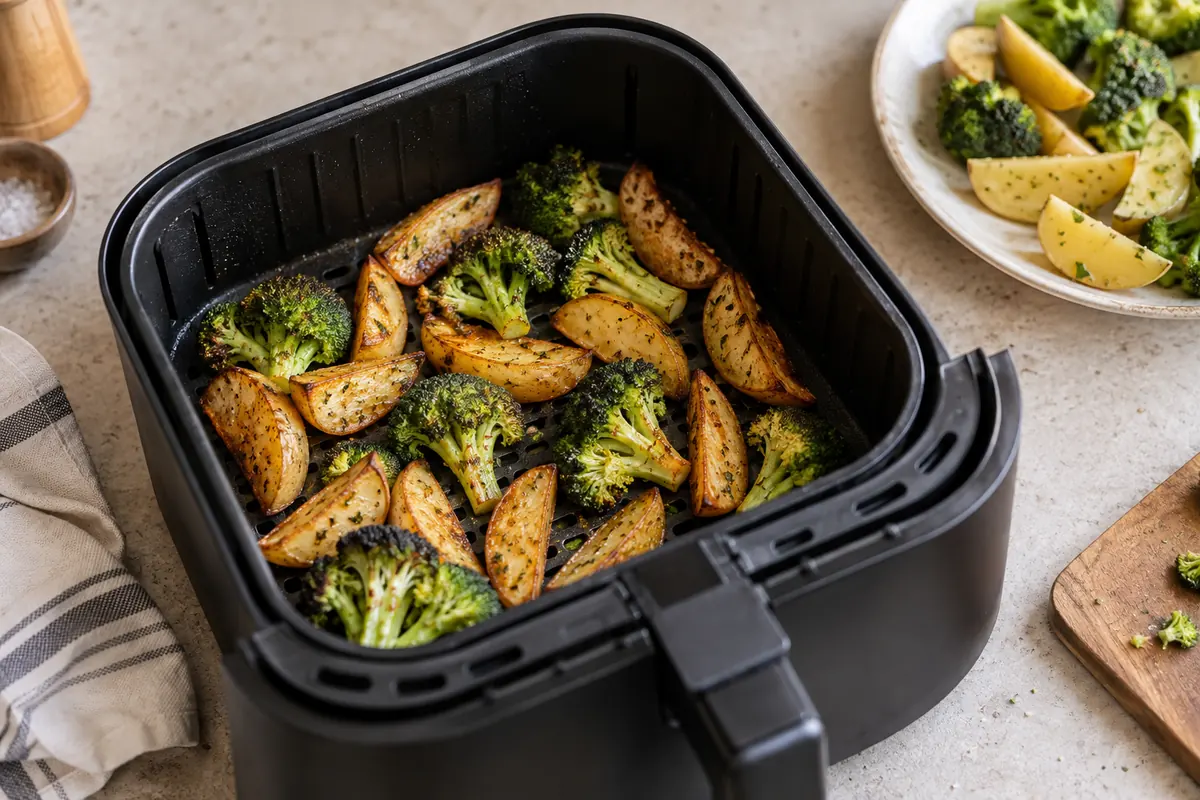
A capacity stated in quarts describes volume, but the food's arrangement matters for cooking. Pieces that need exposed surfaces cannot simply occupy every cubic inch of the basket. Look at the base, the shape of the ingredients, and the maker's guidance for the actual model. A pile of food may fit physically while leaving much of it shielded from the airflow that gives the method its appeal. The correct load depends on the food and the instructions, not only on a number printed on the box.
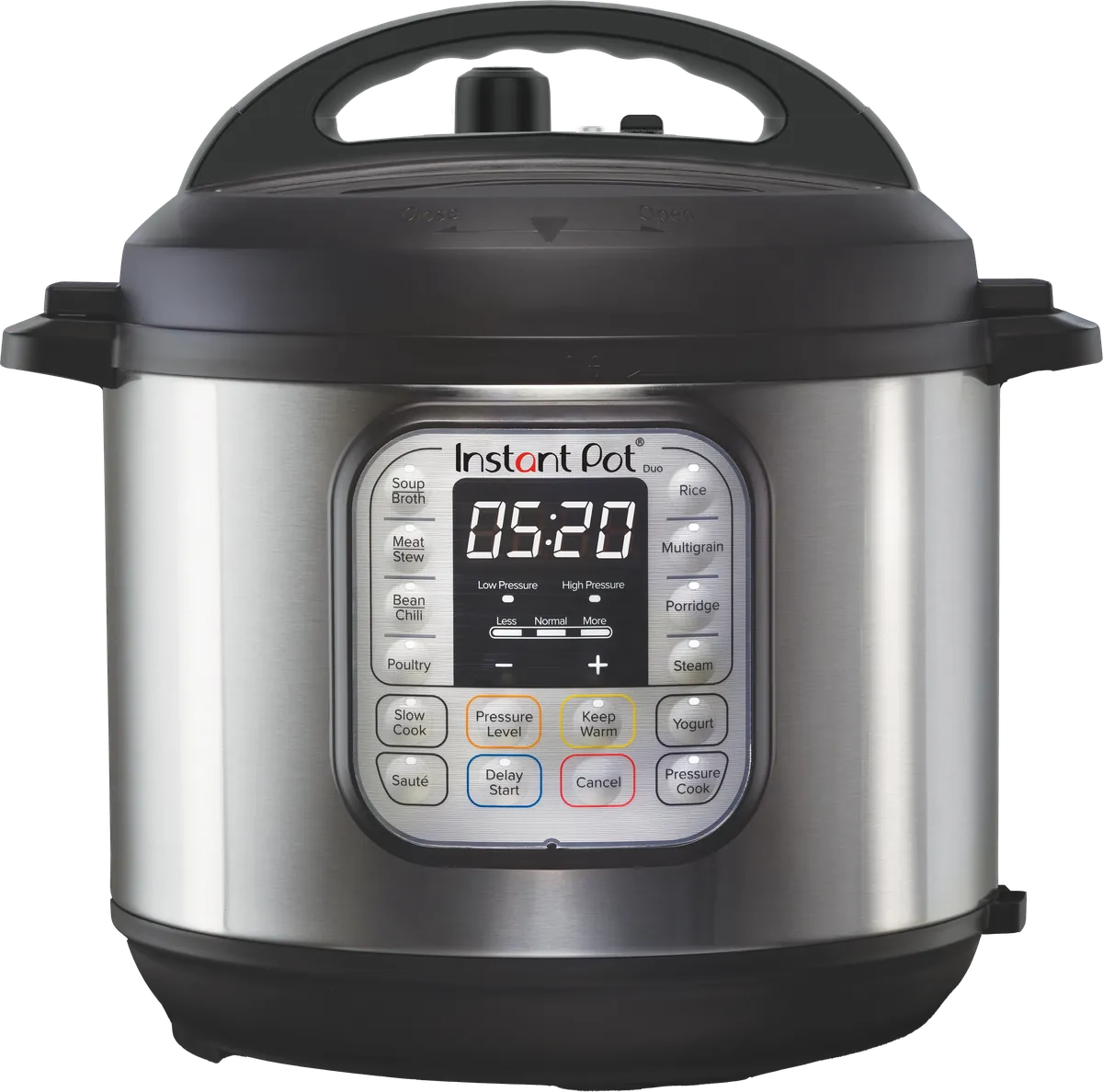
The verified Ninja AF101 in our equipment library is a four-quart model. That identity does not establish a universal family size or guarantee that a particular number of chicken pieces will fit well. Count the portions you need and compare them with a realistic arrangement in the basket before preparing the whole meal. If the amount requires several batches, acknowledge that in the dinner schedule. A useful capacity plan starts with what can cook effectively, then asks whether that amount matches the household.
Let size and moisture guide preparation
Pieces of a similar size are easier to check and turn than a mixture of tiny fragments and thick chunks. Prepare the food according to a reliable recipe, then assess whether its cut makes sense for your model's basket and crisper plate. Drying appropriate ingredients before coating can help avoid adding unnecessary surface water. Use the amount and kind of oil the method requires rather than assuming that more oil will compensate for an overcrowded basket. Keep loose coatings and lightweight ingredients within the maker's safety guidance.
Wet sauces bring another set of decisions. A sauce that belongs on a finished dish may be better added after cooking, while a marinade intended for the cooking stage needs its own specific method. Do not pour a large quantity of liquid into an air fryer because a similar dish works in a covered pan. The air fryer, a pressure cooker, and a saucepan use different cooking environments. Respect those differences and choose a tested recipe for the method you actually plan to use.
Write the sequence before the first batch
Make a short timeline for the meal. Identify the item that takes longest, the one that needs attention at the end, and the component that can wait safely without losing its appeal. Wash and cut salad vegetables before hot cooking begins, or prepare a simple cold sauce while the first batch cooks if you can do so without missing necessary checks. Put the serving dish and clean tongs in place. A clear sequence matters more than shaving a minute from a preheat.
If you need two air fryer batches, decide how the first will be served or held according to safe food-handling guidance. Do not leave cooked food waiting indefinitely while raw batches cycle through. Keep utensils for raw food separate from the tools used to remove cooked food. Where a recipe calls for shaking or turning, set a reminder and follow it. The point of a plan is to keep those useful interventions visible rather than letting the machine's final beep become the only moment you look at dinner.
Check the food instead of borrowing a universal time
Cooking times vary with ingredient thickness, starting temperature, load, and the appliance. A recipe for another model can be a useful reference only when you understand those variables; it is not a guarantee. Follow the actual appliance's instructions and a suitable recipe, then inspect as directed. For foods that require a measured safe internal temperature, use a food thermometer in the appropriate part. Surface color alone cannot establish that the center has cooked safely, especially when small pieces brown quickly.
If a thick piece colors before its center is ready, keep the required safe endpoint and use the recipe's appropriate finishing adjustment. Do not shorten cooking simply to protect the outside. For vegetables that emerge soft with little browning, assess whether the basket held a deep pile or whether excess moisture entered with them. Reducing the load may suit the next batch better than increasing the temperature. Keep raw-food utensils separate during these checks, and use a clean tool to transfer finished food to its serving dish.
Make the other half of dinner deliberately easy
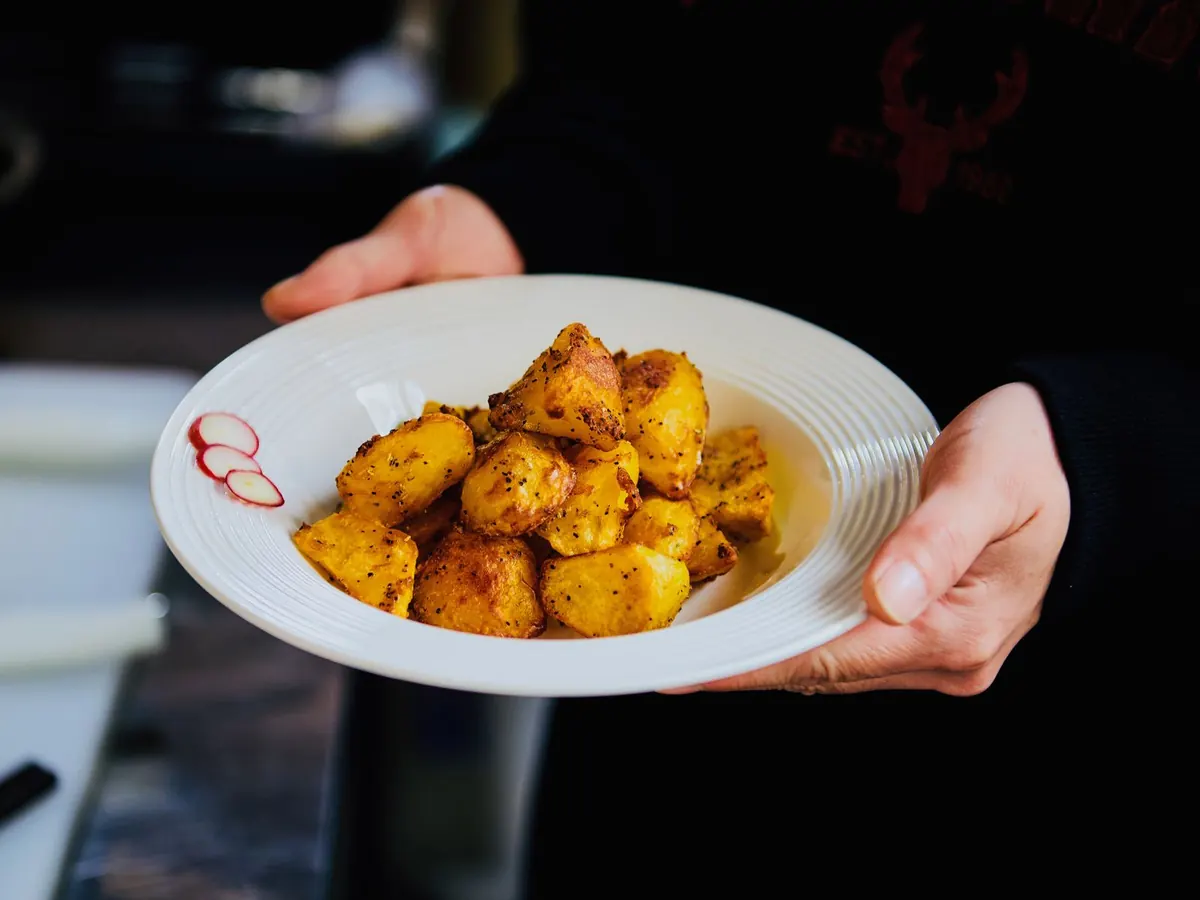
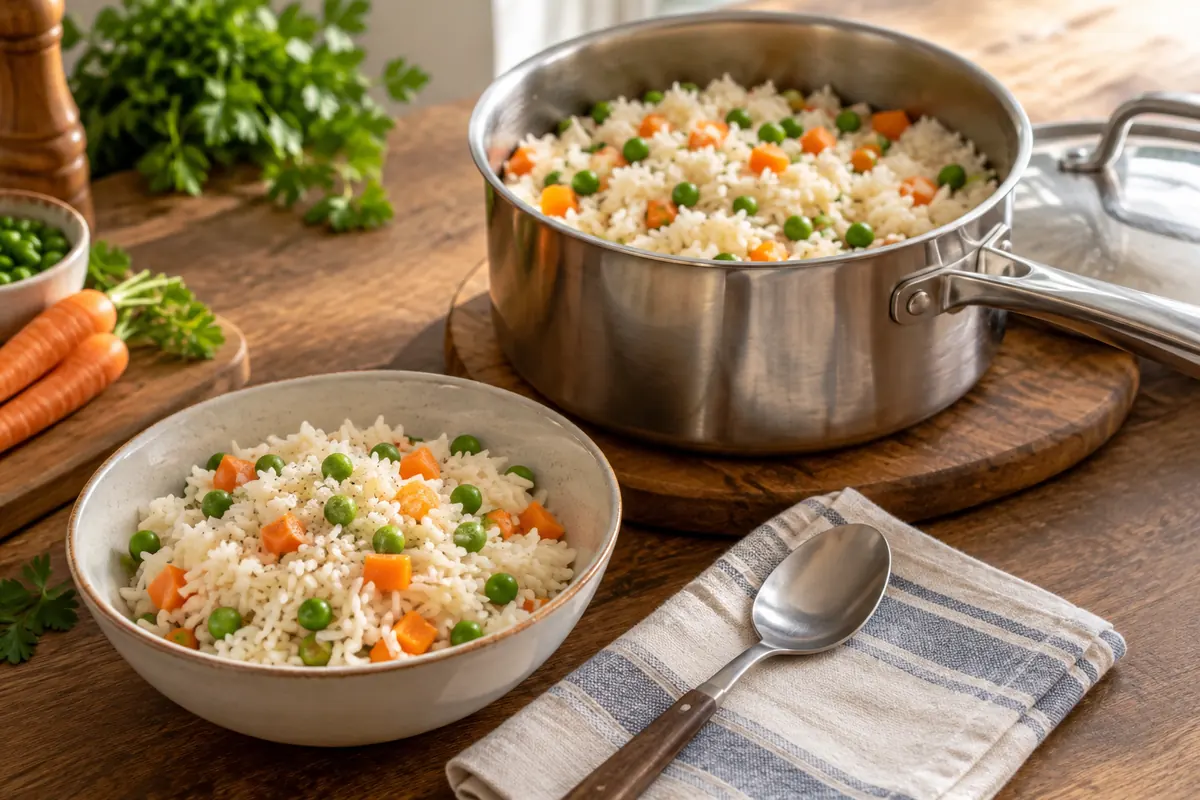
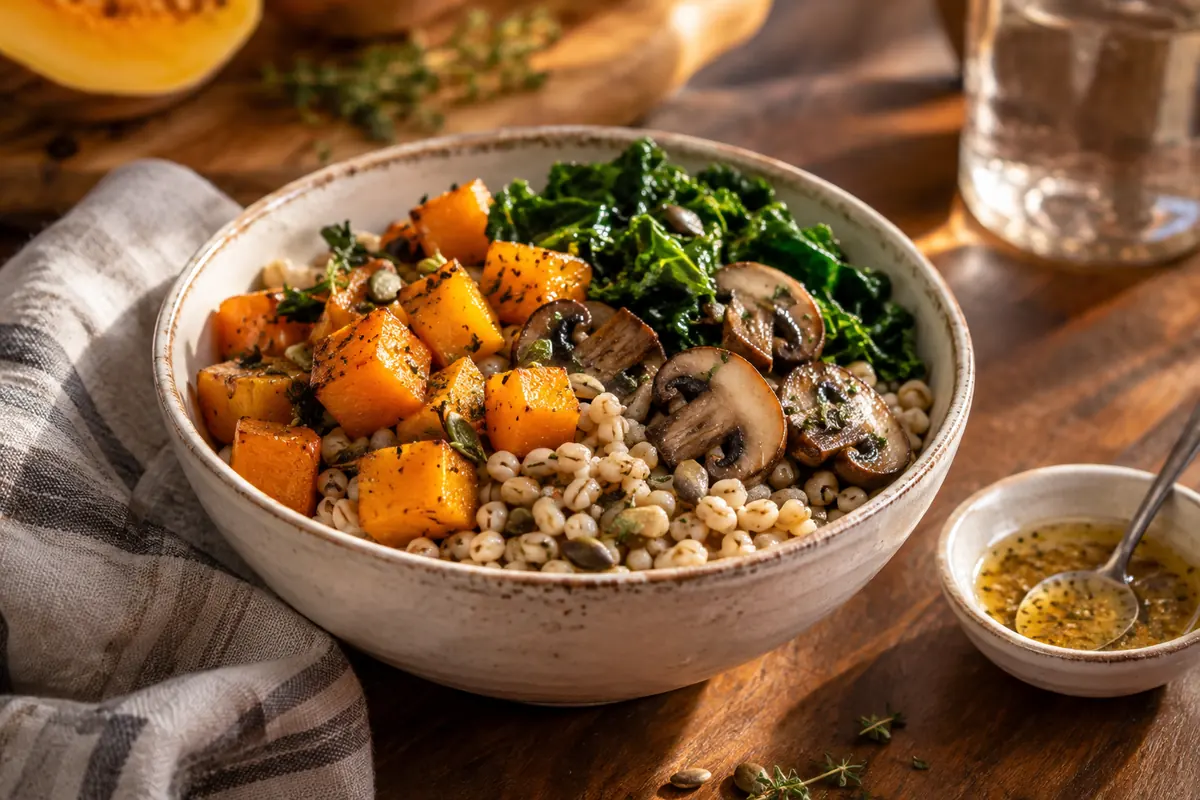
A cool crunchy salad is a natural partner for something hot and crisp because it uses different equipment and can often be prepared first. A straightforward grain or a bowl of beans can make the meal more substantial. Choose sides that bring a different texture or flavor rather than duplicating the air fryer's task. If the main component is spicy and dry, a gentle sauce may help. If it is already rich, a sharp vegetable accompaniment can make the plate more comfortable to eat.
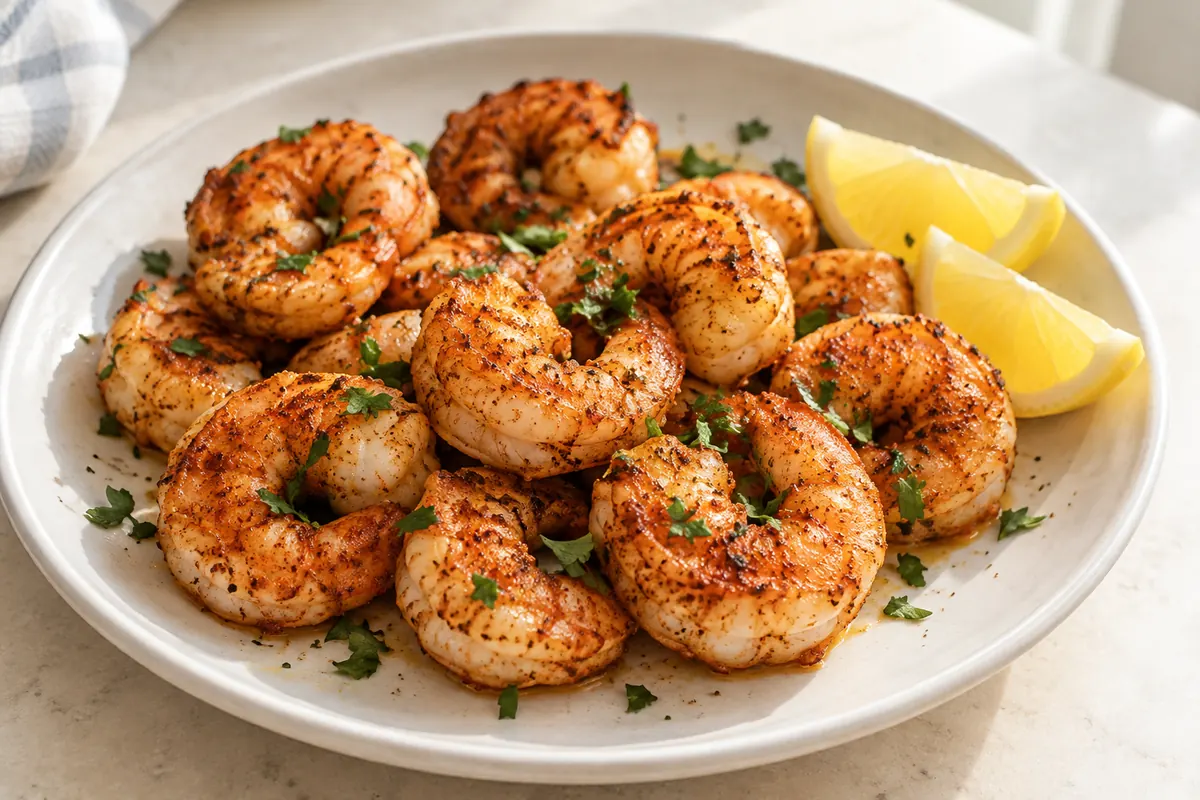
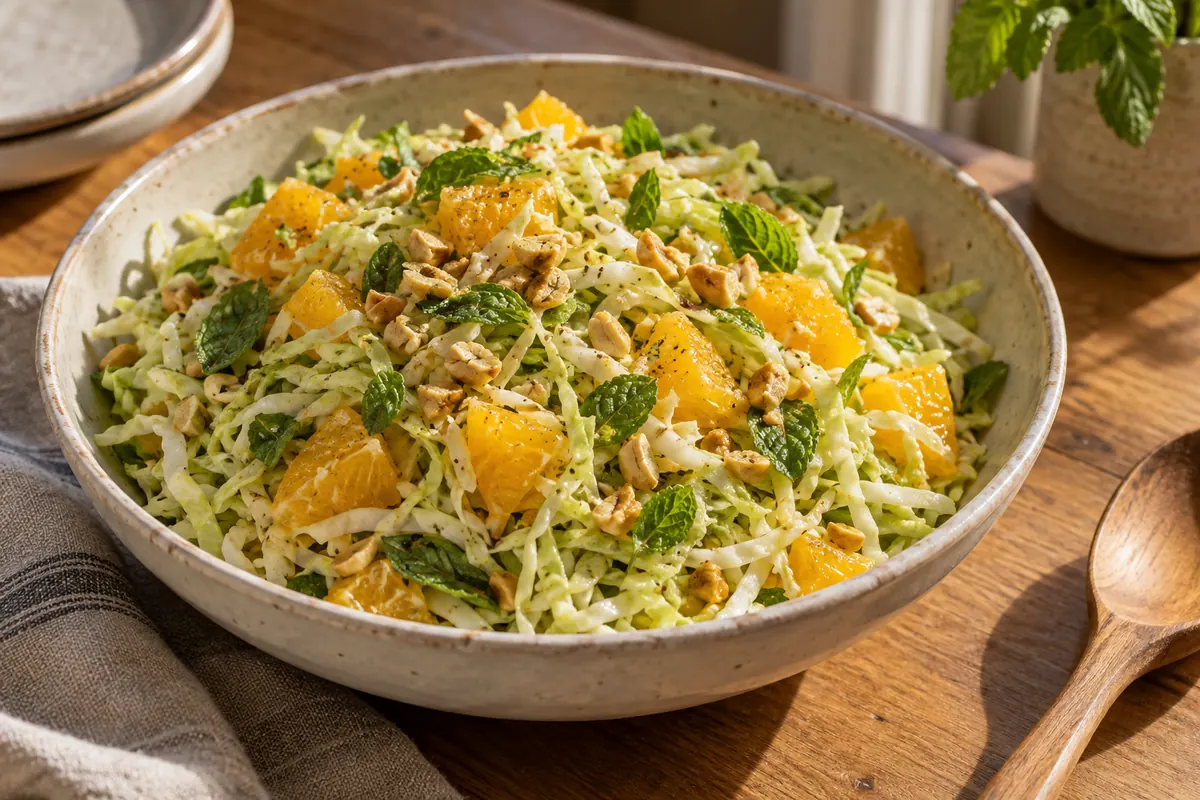
Our paprika shrimp recipe and citrus cabbage salad offer two distinct jobs to consider when planning, with their own ingredient lists and methods. Keep those recipes separate rather than combining their times and claiming a new tested meal. Scale according to the actual number of diners and the equipment available. A meal can still be convenient when one part uses the stove or a knife. Convenience comes from work that fits together, not from insisting every element share the same appliance.
Buy accessories only for a specific problem
Silicone-tipped tongs can make it easier to handle food without scraping suitable coated surfaces, and a thermometer provides a useful check on the food itself. These are versatile purchases with jobs beyond air frying. Before buying a rack, liner, or small dish, check the exact model's compatibility and instructions. Accessories can change airflow, reduce usable space, or introduce materials the maker has not approved. A basket that looks tidier in a photograph may cook differently once its openings are covered.
Keep cleaning practical too. Follow the manufacturer's care directions for the basket, crisper plate, and any compatible accessory. Let hot parts cool appropriately before handling or washing, and keep the machine's air openings unobstructed during use. A quick wipe is not a substitute for removing food residue as directed. If an accessory makes every dinner more awkward to wash without solving a real cooking problem, it may not deserve the space. The appliance should simplify the routine rather than create a second collection of specialized parts.
Recognize when another method is the better plan
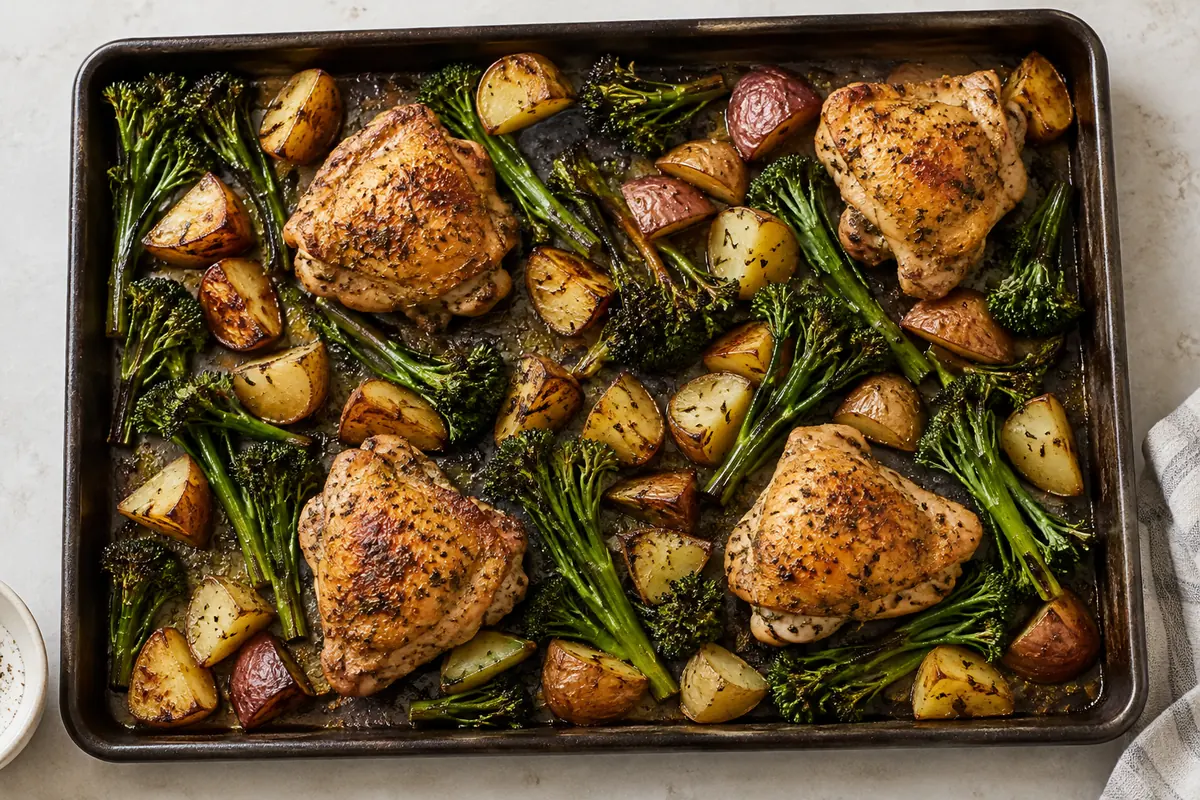
There are evenings when a full oven tray is the simpler answer. A large group, bulky vegetables, or several foods that all need the same broad roasting surface can push a small basket beyond its practical role. Use the air fryer for a different meal rather than forcing it to handle that one through many rounds. The same judgment applies to saucy dishes that belong in a saucepan or covered pot. Matching method to food is a more durable kitchen skill than collecting appliance-specific shortcuts.
Choose a meal in which the basket handles one clear texture. Crisp vegetables can sit beside rice and beans warmed separately; an appropriately cooked breaded main can accompany a cabbage salad prepared before the appliance starts. Put the sauce in its own small bowl so it does not soften every crisp surface before serving. If the required portions exceed a useful single load, decide whether a second round fits the meal or whether an oven tray is more comfortable. Capacity becomes practical when it describes this complete dinner, including the waiting time between batches.
Keep in mind
Follow the actual model's load, accessory, preheat, and care instructions.
Use the appropriate measured food-safety temperature; a browned surface does not establish doneness.