One vegetable contains two cooking schedules
Pinterest's 2026 food report includes an observed rise in earlier searches for sautéed bok choy within its broader cabbage forecast. The signal is specific to the platform, language, and comparison period. In the kitchen, the more lasting invitation is to give bok choy several roles. It can supply the green part of a noodle soup, a browned vegetable alongside rice, or a juicy contrast to a plate of eggs. Each role asks for slightly different preparation.
Put it to work
Useful tools, at a glance
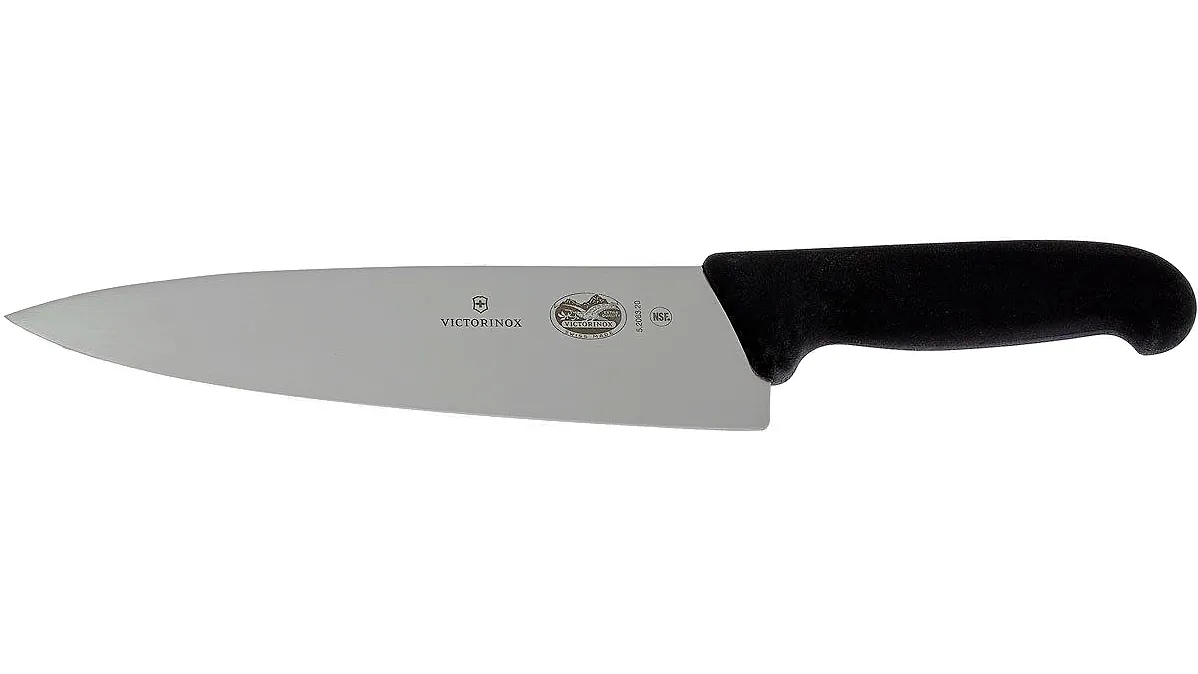
General chopping with a wide chef knife
Victorinox Fibrox Pro 8-inch Chef Knife
Wash where the leaves meet the base
Bok choy can hold grit between its layered stems. Remove damaged leaves and inspect the base carefully. For chopped preparations, separating the leaves makes washing straightforward. For small heads you want to serve in halves, cut lengthwise and rinse between the stems without tearing everything apart. Let the water drain well. Surface moisture is welcome in soup but becomes an obstacle when the next step is trying to brown a cut face against a skillet.
Size matters more than the word baby on a label. Two bunches can differ considerably in thickness, and a large stem needs a different approach from a slim one. Cut substantial stems into manageable pieces or split thick halves again. Keep tender green tops in a separate pile when the dish allows it. A clean cutting board, a comfortable knife , and a bowl for the leaves do more for the cooking sequence than a complicated list of new ingredients.
Brown the cut face, then finish the stem
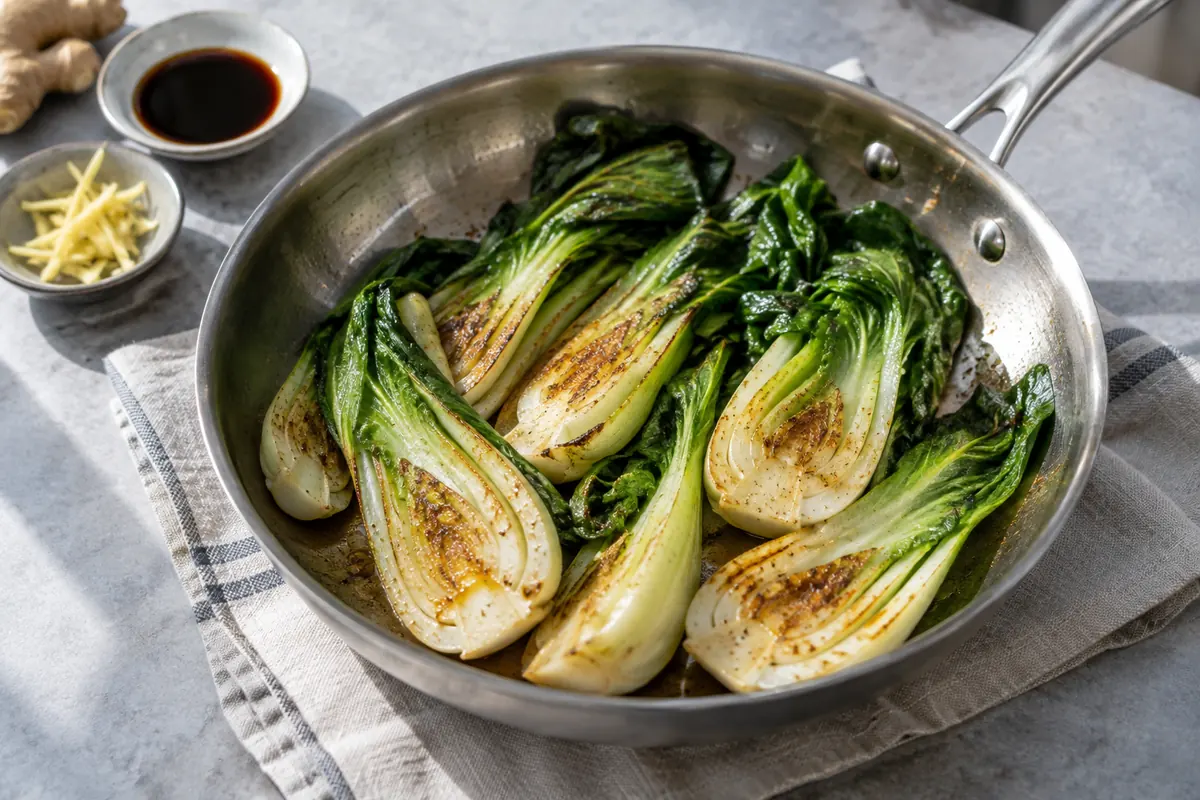
For small halved heads, dry the cut surfaces and place them in a thin film of oil in a suitably hot pan. Leave enough room to set each half against the metal. Check the underside rather than judging only by the still-green top. When the cut face has appealing color, turn the pieces and lower the heat if needed. A small splash of water or broth and a brief covered stage can help a thick stem soften without burning the leaves.
Uncover and let excess liquid evaporate before finishing, if a relatively dry vegetable is the goal. The desired center should yield pleasantly to a knife while retaining its juicy character. Very dark leaves around a stubborn base suggest that the initial pieces were too thick or the heat too aggressive. Next time, split them smaller. Do not keep adding soy sauce while waiting for the stem to soften; it can reduce to an overly salty coating long before the texture is right.
Build a broth around the vegetable's timing
Bok choy is especially accommodating in a brothy bowl because stems and leaves can enter at different moments. Bring the broth and any long-cooking ingredients to the appropriate stage first. Add the sliced stems, let them begin to soften, then add the leaves closer to serving. This sequence gives the broth a fresh vegetable presence without requiring the leaves to survive the entire cooking time of noodles, meat, or a pot of grain.
Ginger, a restrained amount of soy sauce, and a few drops of toasted sesame oil make one possible direction. A plain chicken or vegetable broth with garlic and lemon creates another. Neither needs to claim to represent an entire cuisine. If adding raw chicken, seafood, or eggs, follow a complete cooking method and safe temperature guidance for those ingredients. A leaf that looks tender does not tell you anything reliable about the safety of a different food sharing its broth.
Pair juicy stems with something that catches sauce
Rice, noodles, and beans all give bok choy a useful partner. Spoon browned halves and their finishing sauce over rice, keeping the sauce modest enough that the grain does not disappear beneath it. For beans, try a light broth and some cooked white beans, adding the bok choy toward the end. The beans provide a soft contrast while the vegetable keeps a little bite. A bowl becomes more interesting when each ingredient has a different texture to contribute.
Eggs offer another simple route. Cook the bok choy first, then prepare eggs separately or follow a suitable combined recipe. A crisp-edged fried egg over rice with chopped stems and leaves can make a satisfying meal without an elaborate sauce. For a shared dinner, place the cooked vegetable on a platter and let people add their own finishing condiment. That is especially useful when one diner wants plenty of chile and another prefers the vegetable's mild flavor.
Think about the condiment's concentration
A wet vegetable can make a dressing seem weak at first, then leave it surprisingly salty after the pan dries. Start with a measured amount of soy sauce or another concentrated seasoning and add it late enough to judge its final strength. A small garlic sauce can cling to the leaves without becoming a puddle. If using a starch-thickened sauce, mix the starch smoothly with cool liquid first and follow the recipe's heating instructions rather than sprinkling dry starch directly into the pan.
Acidity can sharpen a finished plate. Rice vinegar or lemon juice added after the main cooking stage gives a different effect from a long simmer with acid. Toasted seeds, scallions, or crisp garlic can supply a finishing texture, but keep them separate until serving if you want them to remain crisp. When cooking for allergies or dietary restrictions, check the actual condiments. Soy sauces and prepared sauces can contain wheat, soy, sesame, or other ingredients that a vegetable's name does not reveal.
Use a bunch across two meals
A large bunch does not need to become one enormous stir-fry. Plan browned halves for one dinner and chopped stems and leaves for soup at another. Keep unprepared bok choy refrigerated and avoid packing it wet for a long wait. Wash it properly when preparing it. If the greens are already starting to wilt, a cooked dish may suit them better than a presentation that depends on upright, fresh-looking leaves. Discard food that is spoiled rather than expecting heat to repair it.
Refrigerate cooked leftovers promptly in shallow containers and use within three to four days, keeping the refrigerator at 40°F or below. Reheat leftovers to 165°F. Expect a softer texture the second time. Chopped cooked bok choy can fit into a properly reheated soup or a rice dish, but it will not recover the crispness of a freshly cooked stem. Reserve finishing seeds or crunchy toppings separately so there is still some contrast when the vegetable itself has softened.
Let the first bite decide the next cut
The useful feedback is specific. If a whole stem is awkward to eat with a spoon, cut it smaller for the next soup. If the leaves disappear before the stems are ready, separate them earlier. If browned halves never gain color, dry them more thoroughly and reduce the amount in the pan. These are preparation decisions, not signs that bok choy only belongs in a restaurant wok. A home stove can handle the vegetable well when the batch and cut suit the equipment.
A bunch with slim heads can supply browned halves for rice and eggs, with dressing spooned across the pale stems. Larger heads are often easier to distribute through a noodle bowl when the stems are chopped and started before the leaves. Loose green tops can finish a pot of white beans in broth after the beans are hot. Choose the plate before the cut: a fork can manage a halved head, while a soup spoon needs shorter pieces. That difference makes the same vegetable comfortable in several meals.
Keep in mind
Drain washed bok choy well before trying to brown its cut surfaces.
Add thick stems before tender leaves when making soup or a chopped preparation.