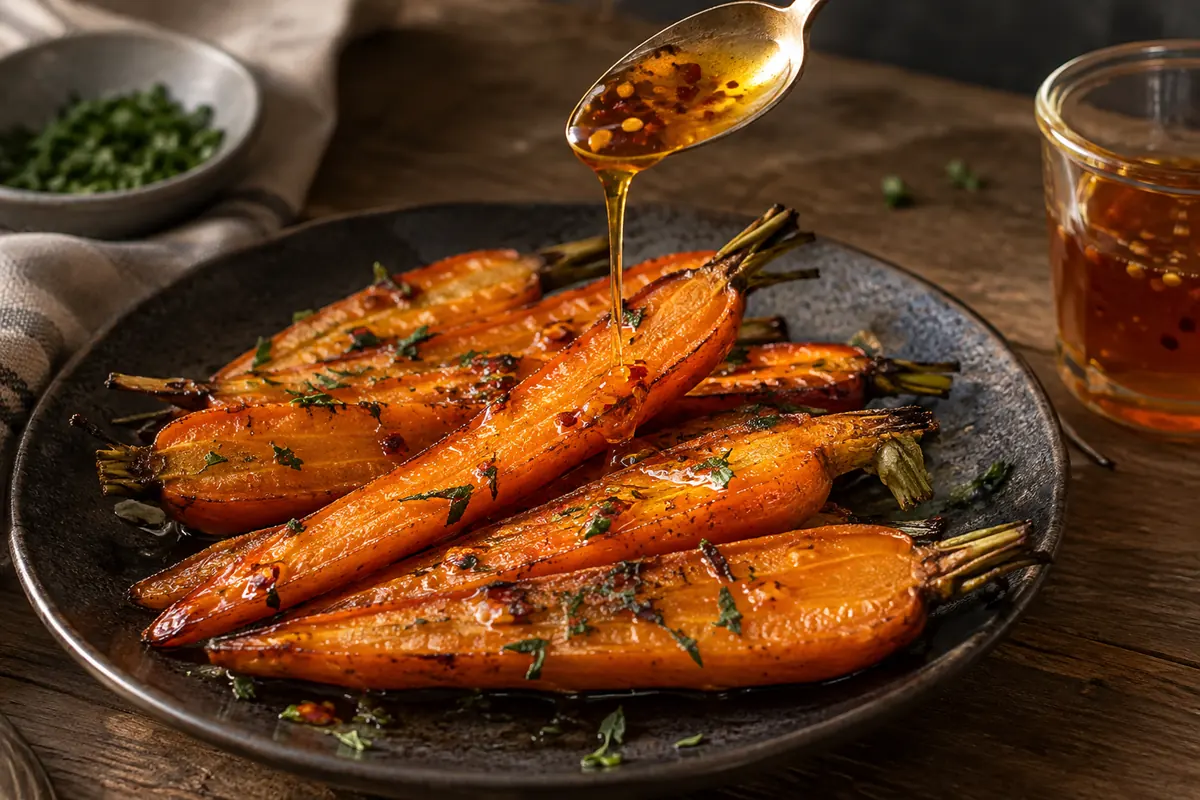
The drizzle should finish a thought
The interest is more than a passing social post: Google's United States Year in Search recipe list for 2025 included a hot honey cottage cheese sweet potato beef bowl. That list reports a particular year's rising searches, rather than sales or a permanent ranking of favorite foods. For a home kitchen, the useful part is the flavor question behind the attention. How do sweetness, chile heat, a creamy component, and something savory fit into one bite? You can explore that question without reproducing a viral bowl or buying a new set of ingredients for each variation.
Put it to work
Useful tools, at a glance
Whisking batter and mixing dressings
OXO Good Grips 11-inch Balloon Whisk
Read the bottle before planning dinner
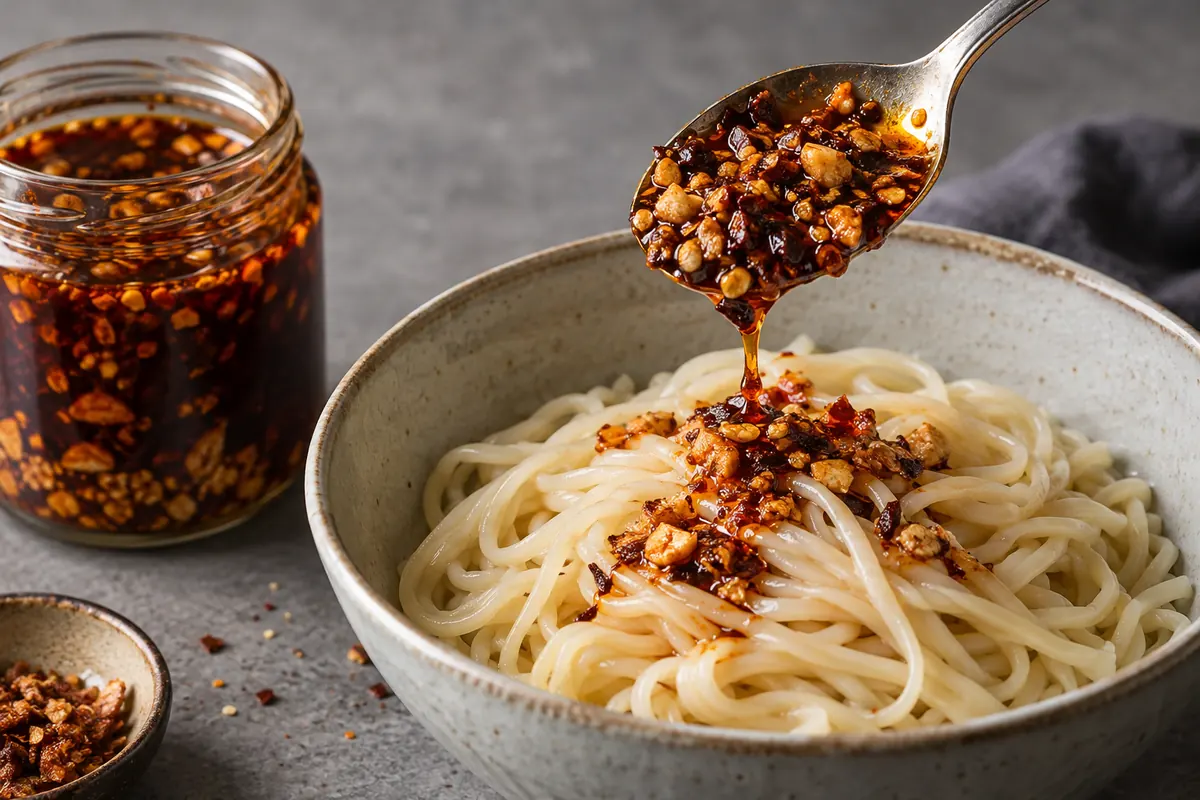
Bottled hot honey varies in heat, thickness, and added ingredients. One brand's gentle drizzle may be another brand's substantial hit of chile. Check the label, taste a tiny amount on a spoon, and begin with less than the finished dish seems to need. Honey also moves differently when cool or warm. If it is slow to pour, avoid squeezing so hard that a large blob lands on one serving. A spoon offers more control than a bottle tip when the goal is a few narrow lines across a plate.
Choose hot honey when the dish needs sweetness as well as heat. A cheese toast can take both in a narrow drizzle, while a dressing that is already sweet may need a different chile ingredient. If a sauce contains another chile paste, adding hot honey changes two controls at once. Keep plain honey available only when its separate flavor has a use in the meal. For a shared plate, finish a few pieces first and leave the rest plain, so people can choose their own amount at the table.
Start with the vegetables you already roast
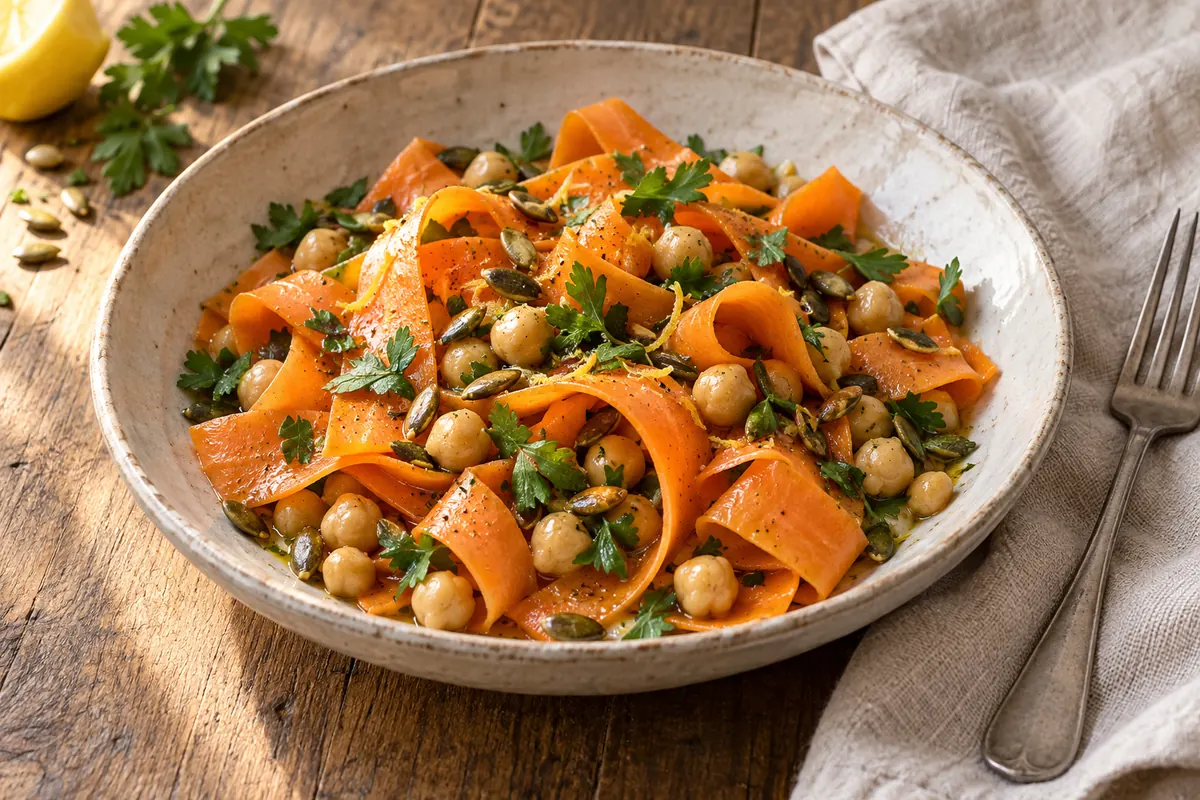
Roast carrots, squash, and sweet potatoes already contain plenty of sweetness. With those vegetables, hot honey is usually a finishing accent rather than the main coating. Cook the vegetables with enough space to brown, then taste one plain. Add a little honey to a portion and contrast it with something tart or creamy, such as lemon-seasoned yogurt. The yogurt does not need to become a second sweet sauce. Keeping it tangy makes the honey noticeable in a smaller amount and leaves the roasted vegetable as the center of the plate.
Broccoli and cauliflower make a different sort of starting point because their browned edges can taste savory and slightly bitter. A fine drizzle may soften that impression, especially alongside a salty cheese or a squeeze of citrus. Tossing a whole hot tray with honey produces a broad, uniform coating; drizzling after plating produces occasional sweet bites. Choose the effect deliberately. If half the tray is destined for a grain bowl tomorrow, leave that portion plain so tomorrow's dressing is still a choice rather than an obligation.
Give crisp food its last-minute finish
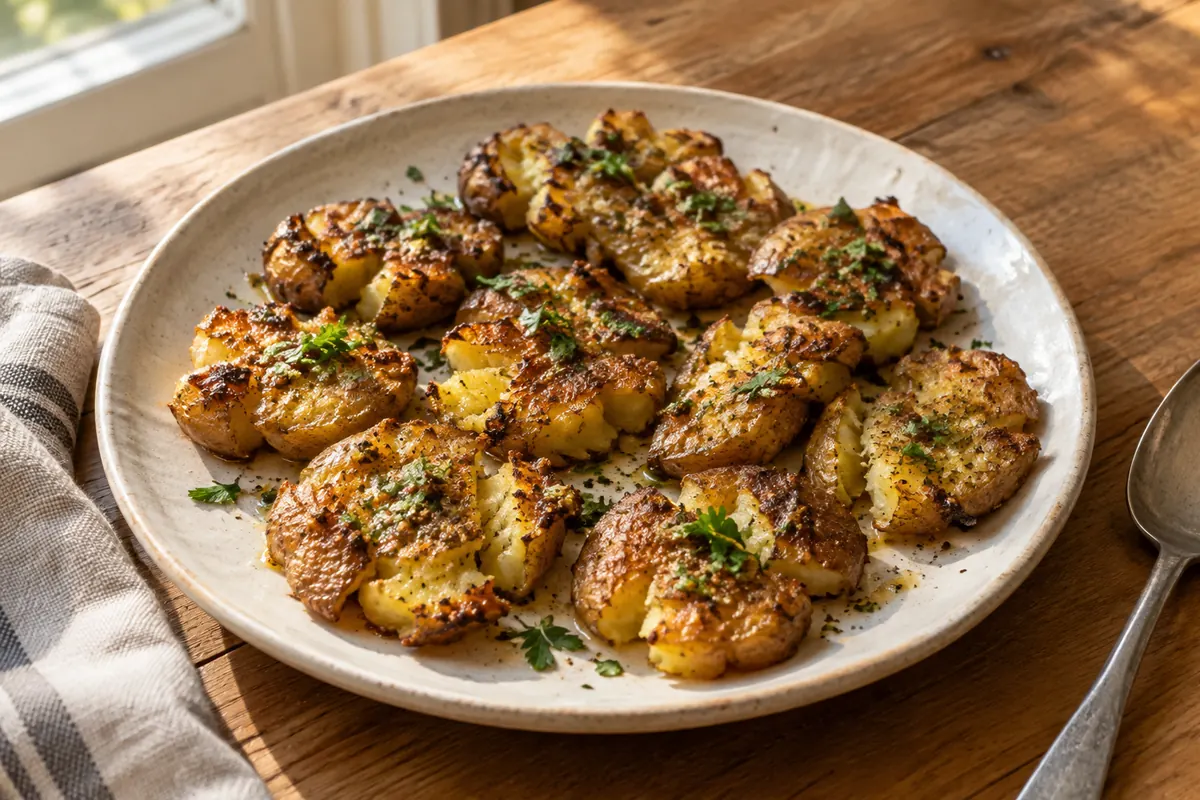
A crisp potato or piece of fried food loses some of its surface texture when it sits under a wet topping. Serve first, drizzle second, and eat while the contrast remains. For smashed potatoes, put any yogurt or soft cheese beside the potatoes instead of burying them in it, then let a little hot honey bridge the two. The plate can contain softness, crisp edges, chile, and sweetness without turning every component into the same sticky texture. A shallow serving dish helps keep steam from collecting around the food.
The same approach suits a cheese toast or a warm biscuit. Toast or bake the base fully and let excess steam escape before adding the finish. Use a restrained amount over a savory spread, then cut the piece so each portion receives some. If the first bite is mostly honey, the answer is a lighter hand next time, rather than another salty topping to fight the sweetness. A condiment should not force the rest of a simple snack into an endless sequence of corrective additions.
Treat a glaze differently from a garnish
Sugar and fierce heat demand attention. A honey glaze applied at the beginning of a long roast may darken before the food beneath it is properly cooked. Use a recipe's specific glazing stage, or reserve a clean portion for finishing cooked food. With vegetables, it is easy to roast first and coat afterward. With meat or seafood, cooking and safe doneness remain the main job; an attractive shiny surface does not establish that the center is ready. A thermometer is more informative than the glaze's color.
When brushing a glaze, spread a thin layer so it does not gather in sugary puddles. Keep any mixture that has contacted raw animal food separate from a clean serving sauce, and handle it according to the recipe's safety directions. For a quick pan sauce, a small amount of honey can join a splash of suitable acid and liquid after the main searing stage. Taste off the heat before reducing further. A sauce can move from balanced to very sweet as water evaporates, even though no extra honey has entered the pan.
Make a dressing instead of another topping
A salad gives hot honey a different job. Whisk it with the acidic ingredient first so the sweetness disperses, then add oil and season the dressing. Taste with an actual leaf or piece of the vegetable, because a spoonful of concentrated dressing gives an incomplete picture. A bitter leaf, a juicy tomato, and a sweet roasted carrot each change how the same dressing lands. If you are using a salty cheese, account for that in the finished bite before adding more salt to the bowl.
A mustard dressing is a useful place to begin because mustard brings sharpness as well as body. Make a modest amount and keep a little plain acid available for adjustment. A dressing that is pleasantly sweet on roasted squash may feel cloying on tender lettuce. Rather than putting honey, cheese, nuts, dried fruit, and sweet vegetables into every bowl, choose one or two sources of richness and contrast. The result is easier to taste, easier to adapt, and usually requires less condiment to feel complete.
Keep the bottle useful after the trend
Plan three uses before buying a large bottle: perhaps vegetable bowls, cheese toast, and a mustard dressing. Those uses cover several meals without demanding a new recipe every night. The maker's own recipe collection ranges across mains, dressings, appetizers, and desserts, which is a reminder that the condiment need not live beside the pizza box. Pick the applications that fit food you already enjoy. If nobody in the household likes sweetness in savory dishes, a fashionable label is unlikely to change that preference.
Store the product according to its label and keep the nozzle clean. Honey-containing foods are not suitable for children younger than twelve months; the chile is not the only consideration when serving a family meal. For everyone else, offer extra at the table instead of assuming an identical heat tolerance. A controlled drizzle, a properly cooked base, and one contrasting element are enough to give the bottle a lasting place in the kitchen. The point is a better bite of dinner, even when nobody is taking a photograph.
Keep in mind
For browning and crispness, cook the main food first and add a controlled finishing drizzle.
Hot honey contains honey and is unsuitable for infants under twelve months.