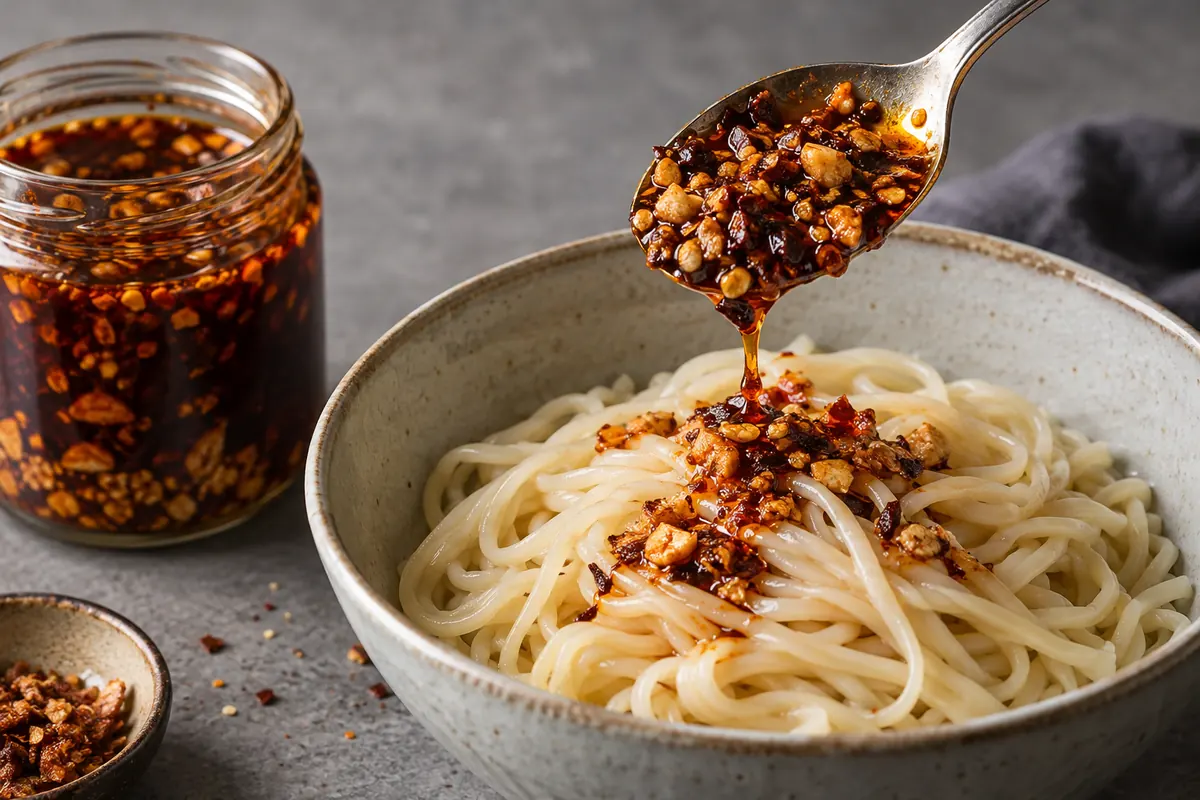
A spoonful contains two ingredients
Chili crisp is a category with considerable variation. Fly By Jing's Original Sichuan Chili Crisp, for example, includes garlic, shallots, fermented soybeans, and Sichuan pepper as well as chile and oil. Another jar may contain peanuts, sesame, sugar, or a very different balance of heat. Read the actual ingredient and storage labels. The name does not promise a particular allergen profile, level of salt, or amount of crunch, and a familiar red color does not make two products interchangeable spoon for spoon.
Put it to work
Useful tools, at a glance
Tossing pasta and turning food with silicone heads
OXO Good Grips 12-inch Silicone-head Tongs
Roasting and baking with an uncoated pan
Nordic Ware Naturals Half Sheet, 2-Pack
Let the food finish cooking first
A pot of noodle soup asks more of a crunchy condiment than a dry bowl does. Once the fried pieces sit in broth, they begin absorbing moisture. That can taste good, but the texture moves toward soft seasoning rather than a brittle finish. For a bowl with both effects, stir a little flavored oil into the liquid and put a small spoonful of the pieces on the noodles above the broth just before eating. Keep the jar on the table if people want another crisp bite halfway through.
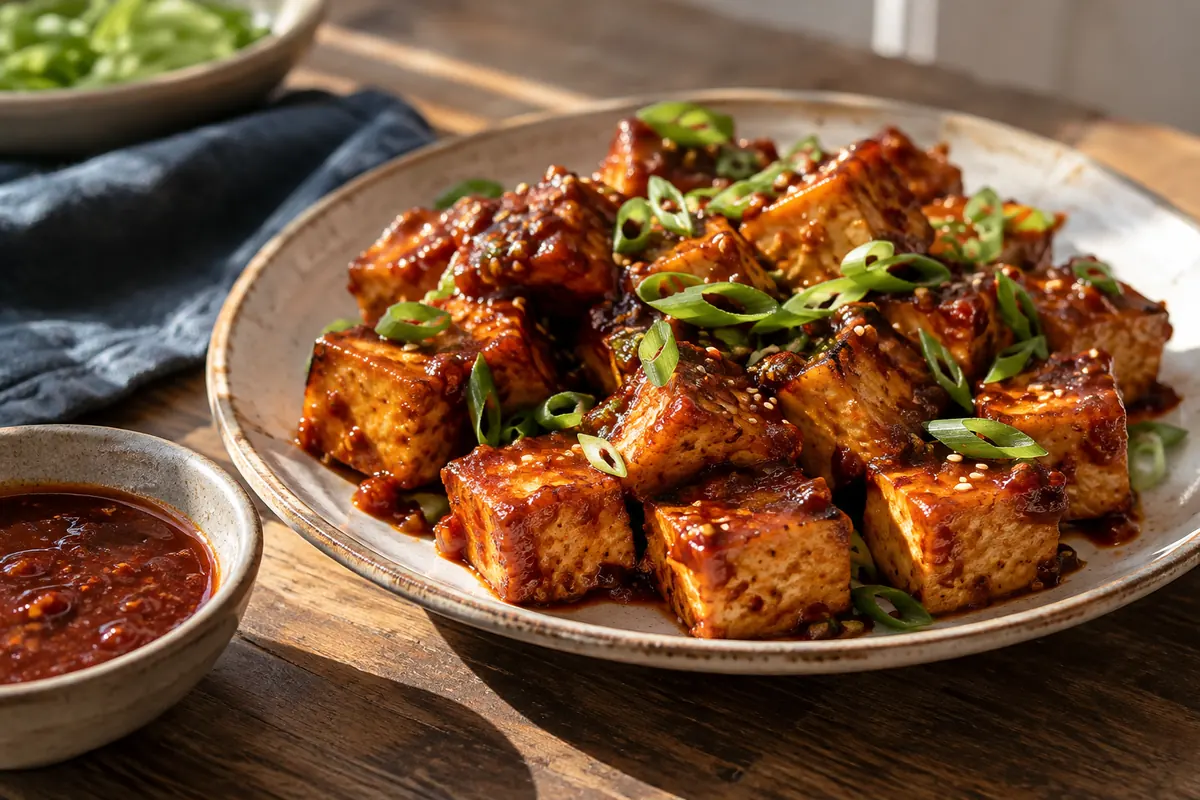
The same timing helps with steamed broccoli, soft tofu, and roast sweet potatoes. Cook and season the main food first, let obvious surface water drain away, and finish the portion you are serving. Pouring chili crisp over a whole tray that will wait twenty minutes sacrifices the contrast you bought it for. A warm plate is fine; prolonged contact with steam is the bigger concern. For dinner packed ahead, carry the condiment separately and add it after reheating rather than expecting it to emerge crunchy from a covered microwave container.
Build noodles that carry the oil
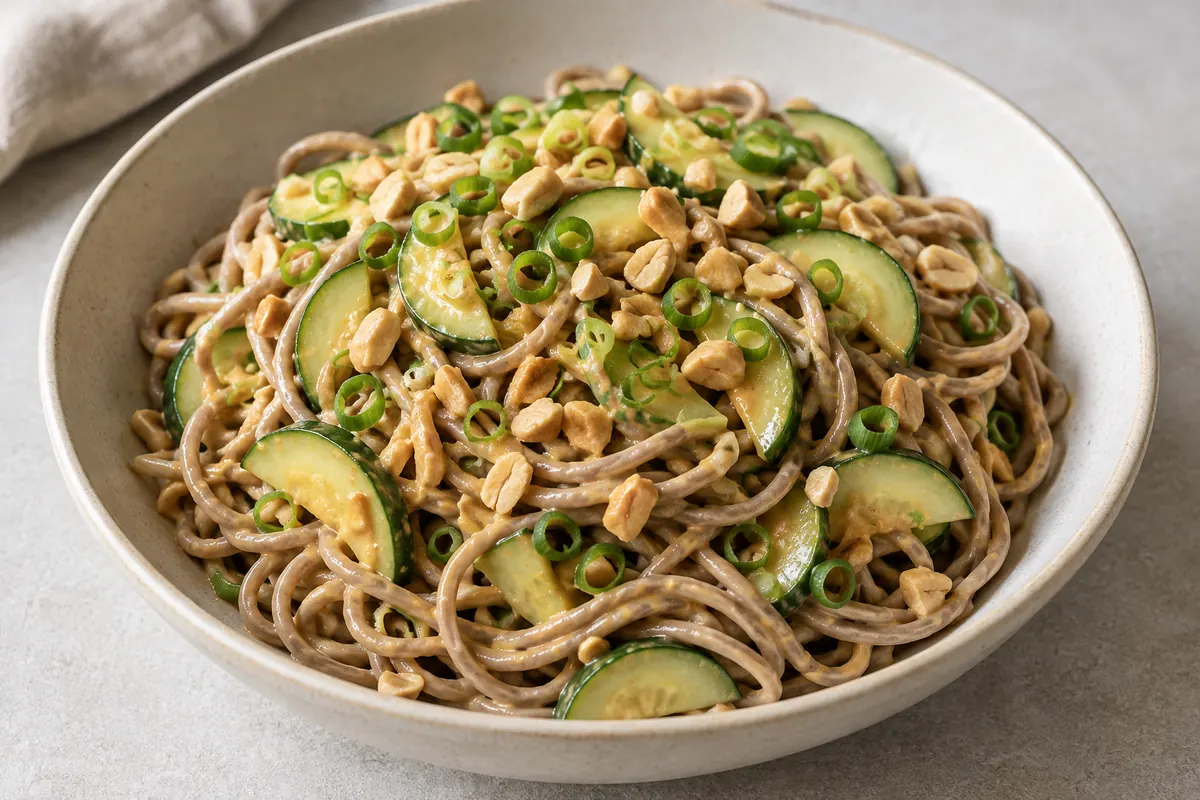
Noodles provide an easy lesson in quantity. A bowl can look generously seasoned while the bottom is slick with oil and the top tastes plain. Drain the noodles thoroughly, put the sauce ingredients in a wide bowl, and turn the strands through them instead of dropping a large spoonful onto a mound. If you want soy sauce, vinegar, or a little cooking water, combine those with the condiment first. Taste a noodle after tossing. The useful question is whether a mouthful tastes complete, rather than whether the bowl looks red enough.
Keep the other ingredients compatible with that coating. Thin cucumber batons, sliced scallions, and torn herbs scatter more readily than enormous chunks. A spoonful of sesame paste makes a much heavier sauce and may need additional liquid; a dash of vinegar adds brightness without that thickness. Leave some crisp pieces for the final surface. This gives the noodles seasoning all the way through and a separate crunchy finish. It also makes a modest amount of an expensive condiment work harder than several unmeasured spoonfuls added at the end.
Give eggs and toast a dry landing
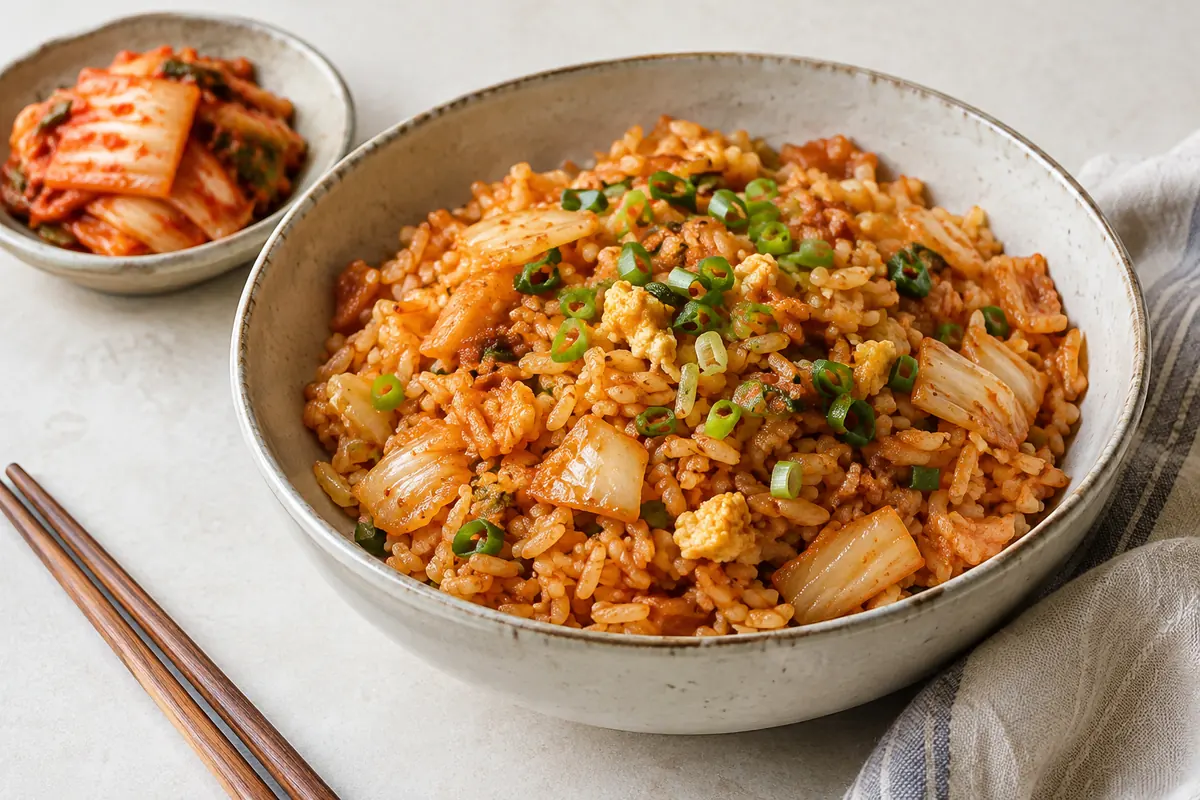
A fried egg over rice does not need a complicated sauce. Its soft yolk supplies richness, the rice supplies a base, and chili crisp can supply seasoning and contrast. Start with a small amount because salt in the jar joins any salt already on the egg. Put the pieces across the white and rice where they remain visible, with a little oil reaching the edges. If the egg is already cooked in plenty of fat, favor the solids instead of adding a second puddle of oil beneath it.
For toast, the spread underneath determines how long the crunch lasts. A thick layer of yogurt, soft cheese, or mashed beans gives the condiment somewhere to sit, but a watery topping can soak both the crisp and the bread. Drain chopped tomatoes or cucumber, toast the bread properly, and assemble close to eating. A squeeze of lemon belongs on the soft topping rather than directly over a carefully arranged pile of crisp pieces. Small decisions about placement can preserve a contrast that disappears when everything is stirred together.
Use a hot pan with some restraint
The crunchy aromatics have already been cooked. Sending them through another long, fierce frying stage can make them dark and bitter before the vegetables are ready. When using chili crisp in a stir-fry, separate the jobs: cook the fresh ingredients with an appropriate cooking fat, lower or turn off the heat, and fold in the condiment toward the finish. If a recipe specifically calls for frying in the flavored oil, follow that method and watch the pan. Treating the whole jar like neutral cooking oil is a different decision.
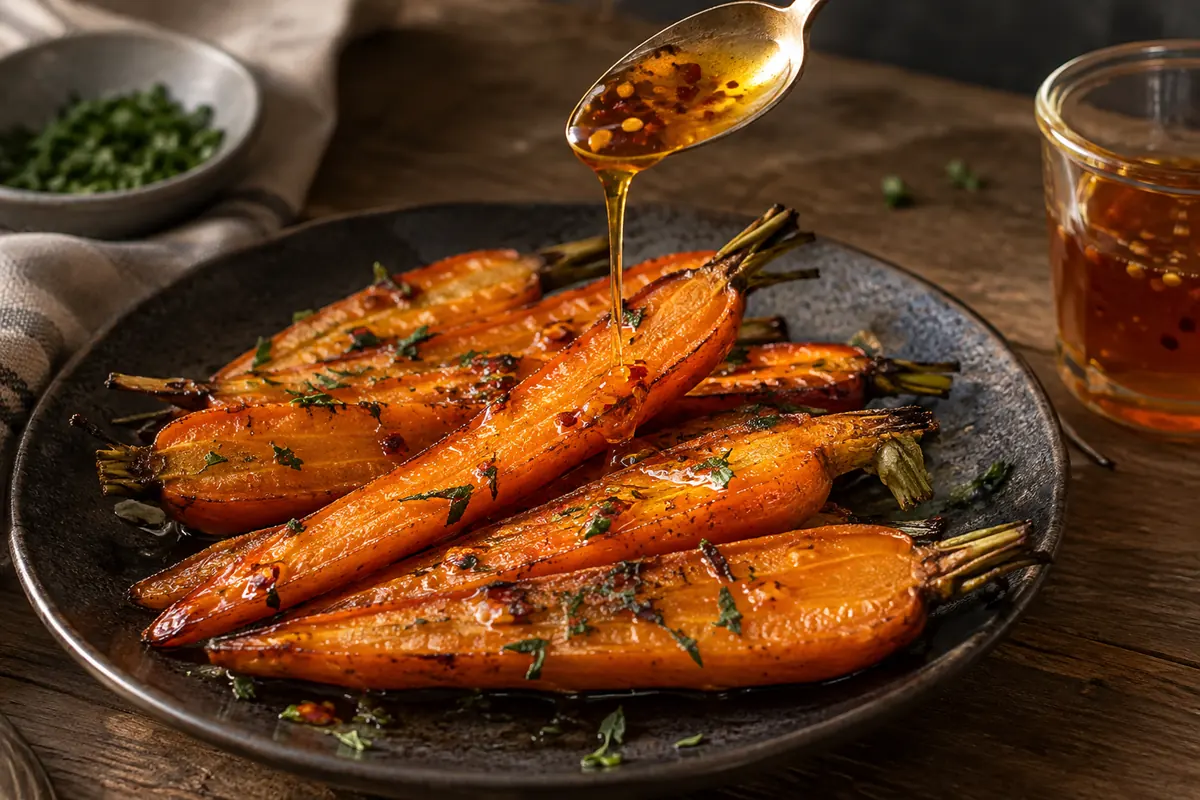
Roast vegetables make that distinction especially clear. Raw cauliflower needs enough time and heat to soften and brown; tiny cooked garlic pieces need neither. Roast the cauliflower first and spoon the condiment over the finished florets. If the edges already taste deeply browned, add something fresh alongside the heat, perhaps scallion or a little citrus. A sheet pan with room between the pieces helps the vegetables develop their own texture, so the condiment contributes another layer rather than trying to rescue a tray of steamed, pale food.
Make one jar fit several appetites
A shared meal works better when the heat is adjustable. Season a bowl of beans, noodles, or vegetables so it tastes good before the chili crisp arrives. Then offer the condiment in a clean small bowl with its own spoon. Someone who wants the aroma with less heat can begin cautiously, while another person can add more. Stirring yogurt or another creamy ingredient into a separate portion changes the texture and dilutes the intensity; it does not remove an allergen or make the original jar suitable for everyone.
Pay attention to what the meal already contains. A salty pickle, soy-seasoned protein, and a salty chili crisp may not need another drizzle of soy sauce. A rich dish may benefit from a tart accompaniment rather than extra oil. Build the combination around a bite: rice, vegetable, protein if wanted, and a little condiment. If that bite tastes heavy, change the balance of the meal before adding another topping. Keeping the food recognizable is often more satisfying than covering every component with the same assertive spoonful.
Buy for the way you actually eat
Choose a jar around its first meal. A noodle dressing can use a little oil throughout the strands and a separate spoonful of solids on top. Soft tofu needs only a modest finish because the jar's salt and texture remain very noticeable against a mild base. For toast, favor a portion with enough solids to stay on the spread rather than running over the edge. These uses help distinguish an oil-forward condiment from one whose appeal is mainly crisp pieces, without requiring several similar jars to be open at once.
Use clean, dry utensils and follow the maker's instructions after opening. Keep cooking steam and stray noodle water out of the jar. For a packed lunch, a small leakproof container prevents the oil from seasoning the inside of the bag before it reaches dinner. The most useful supporting tools are ordinary ones: a bowl large enough to toss noodles, tongs that can turn them, and a spoon that lets you choose the balance of oil and pieces. Preserving the crunch begins with treating those pieces as a finish worth saving.
Keep in mind
Stir before measuring a representative spoonful; select more solids when the dish already contains enough oil.
Read the jar's actual allergen and after-opening storage instructions.