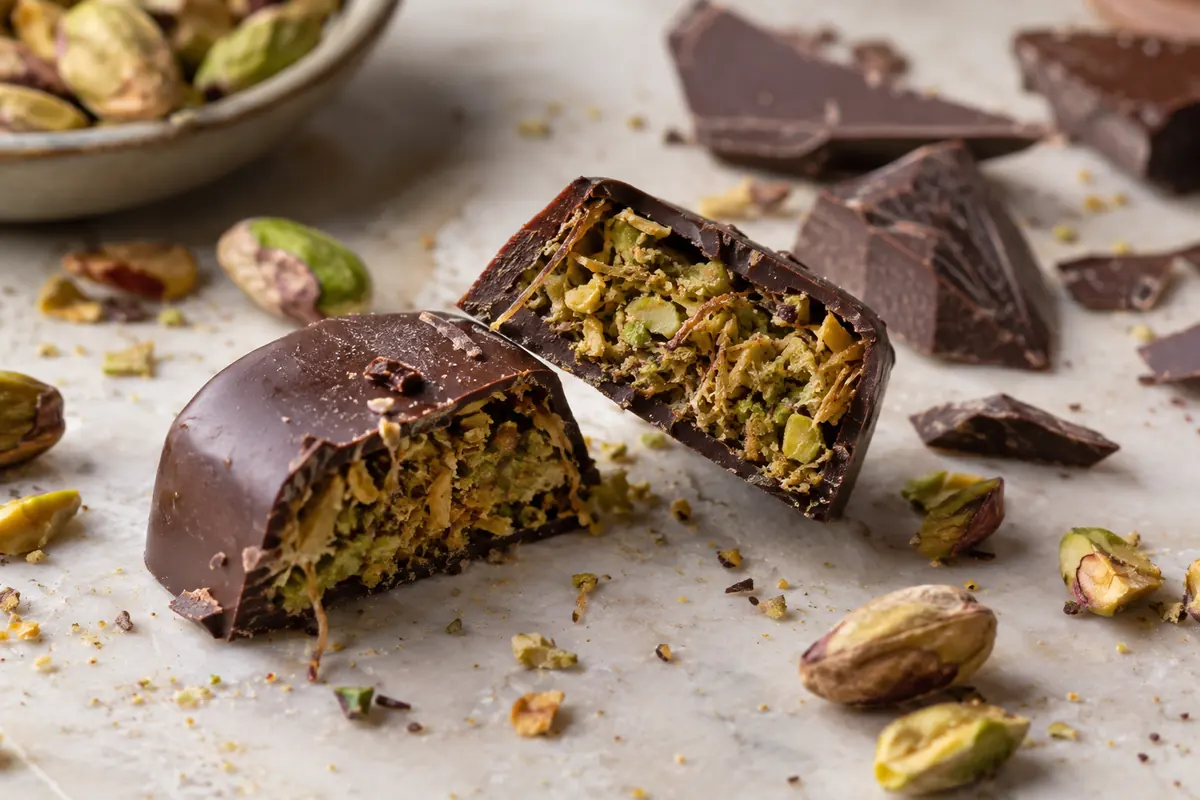
The cut surface explains the attraction
You do not have to begin with a perfect molded bar. A small layered dessert, a spoonable bowl with a crisp topping, or a restrained chocolate base can explore the same combination with fewer moving parts. Choose a reliable recipe for the format you actually want. A filled chocolate confection and an ice cream sundae need different assembly and storage, even when their ingredient lists overlap. The useful idea is the interplay of nut, chocolate, and pastry, rather than the obligation to reproduce a particular product's shape or packaging.
Put it to work
Useful tools, at a glance
Weighing ingredients in bowls that cover a fixed display
OXO Good Grips 11-pound Food Scale
Skillet sauces and ordinary browning in uncoated stainless steel
Tramontina Signature 10-inch Tri-Ply Clad Fry Pan
Read the pistachio jar carefully
Pistachio paste, pistachio butter, and sweetened pistachio cream are not interchangeable promises. Read the actual ingredient list and the recipe's description of the product it expects. A jar may include sugar, dairy ingredients, other fats, or additional nuts. Another may consist mainly of ground pistachios. These differences affect sweetness and consistency before you add anything else. The greenest filling is not automatically the one with the clearest pistachio taste, and a pale jar is not automatically a poor choice for the dessert you are making.
Taste a small amount on its own, then alongside the chocolate you plan to use. If both are strongly sweet, a large filling layer may become tiring even when each ingredient is enjoyable separately. Chopped pistachios can supply an identifiable nut texture, but they do not make an unsuitable spread behave like a recipe's specified paste. Keep any product changes explicit. Buying a small amount of the correct ingredient is usually more useful than stocking up on a loosely described jar that will require reformulating the whole dessert.
Kataifi is pastry, with its own handling
Kataifi is shredded phyllo dough, not a bag of already crisp cereal. Athens Foods describes it as pastry that can be shaped into nests, shells, and other preparations, and its product is sold frozen. Follow the package's thawing and handling directions and the chosen recipe's cooking method. Separate the strands as directed instead of leaving dense clumps that cook unevenly. A tangle that looks golden on its exposed surface may still contain soft, pale sections underneath, which makes the filling less consistent from bite to bite.
Once the pastry is properly cooked, keep its texture in mind during mixing. Hot pastry can change the consistency of a nut mixture, and adding a wet component may soften the strands. Let the recipe guide the cooling and combination rather than rushing each stage into the next. A wide skillet and a flexible spatula help you turn a modest amount of strands and see what is happening. Increasing the heat dramatically to hurry a crowded batch can darken some pieces while leaving others insufficiently cooked.
Choose a chocolate method you can follow
Chocolate that melts, spreads, and sets in a home recipe may require a more specific method than simply heating until liquid. Some recipes call for tempered chocolate; others use a coating product formulated for a different process. Use the type stated and follow that process. Switching between them by appearance can produce a different finish or texture. Keep utensils and the bowl dry, and heat gently according to the recipe. A few stubborn pieces do not justify leaving the entire bowl over strong heat while you turn to another task.
A silicone mold is useful only when the project actually depends on that shape. For a simpler dessert, a small lined tray or individual serving dishes may be enough. Read through release, cutting, and storage instructions before buying equipment. A thin decorative shell is harder to handle than a recipe designed around an easier layer, so choose the level of precision that sounds enjoyable to repeat. A modest dessert with a clean balance of chocolate and filling is more rewarding than a large, fragile bar assembled without a workable plan.
Give tahini a measured role
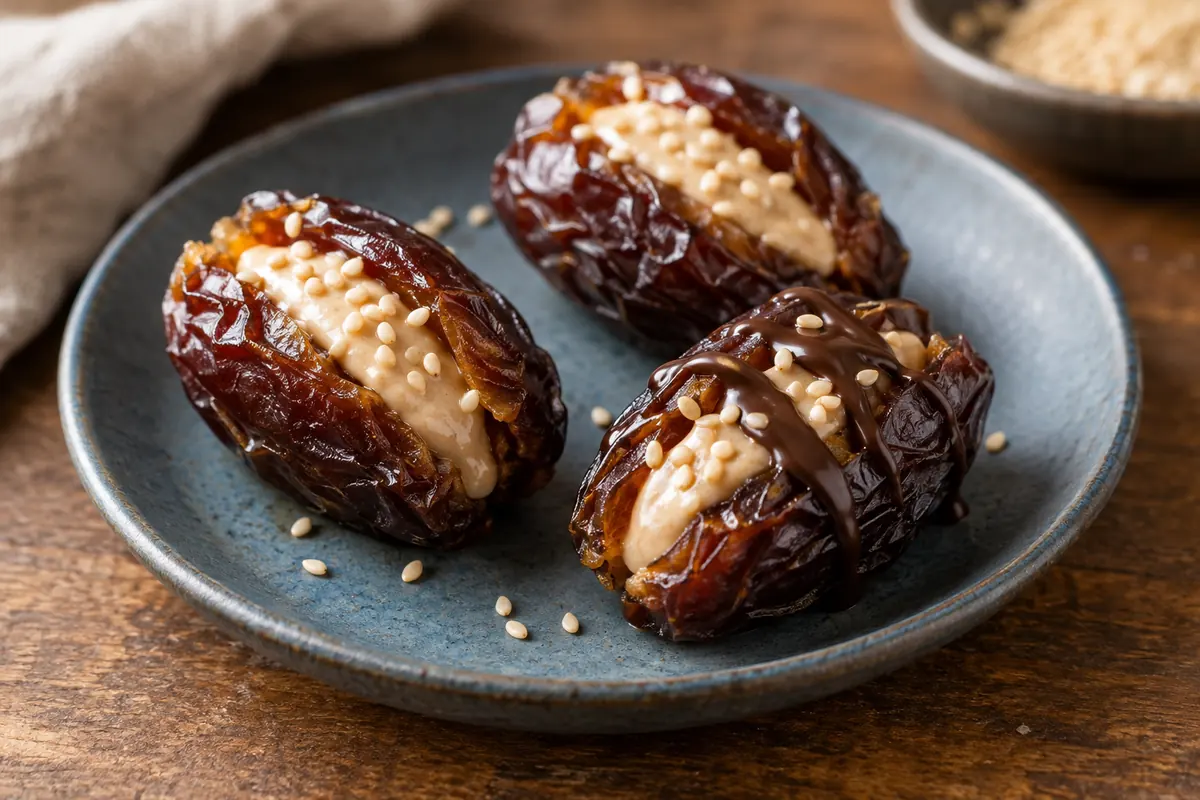
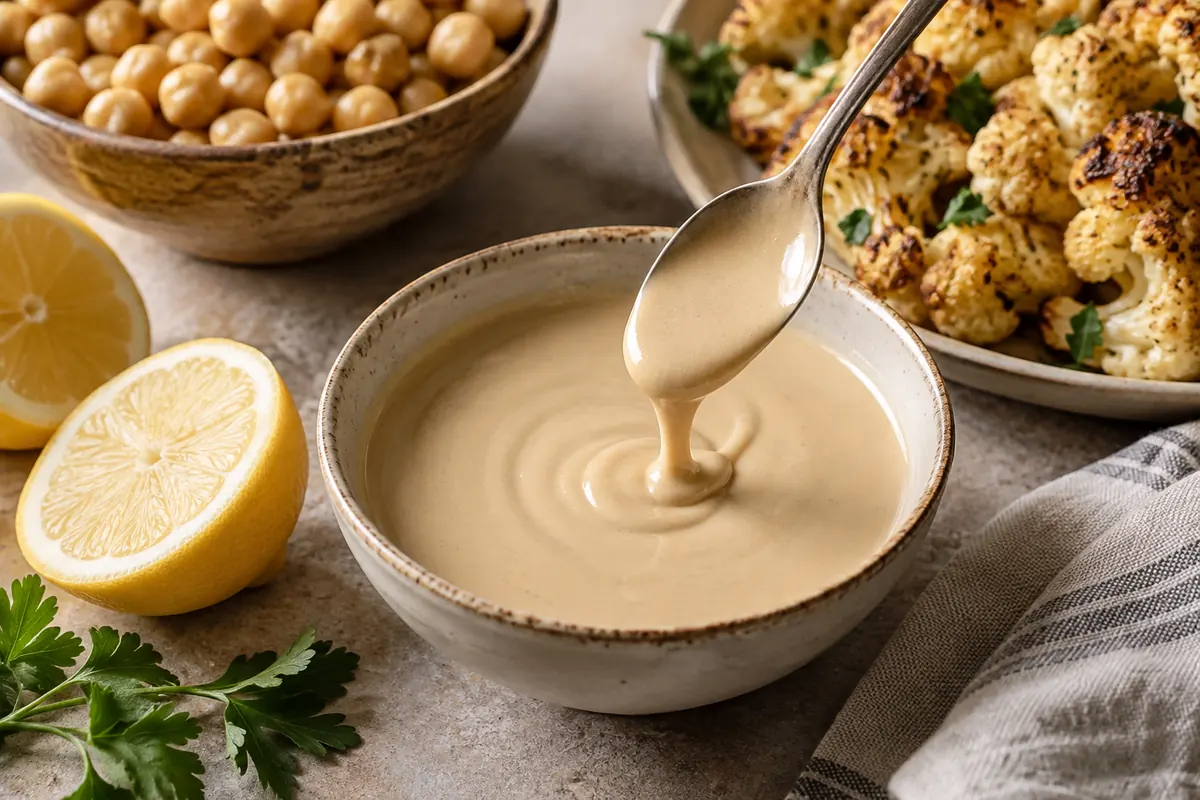
Tahini can contribute sesame flavor and a different kind of richness, but it should have a clear reason to be in the filling. An unmeasured pour may make a firm mixture too loose or move the flavor away from pistachio. Stir the jar as its maker directs before measuring, because separated oil and dense paste will not produce a representative spoonful. Use the amount in your chosen recipe, then taste any ready-to-eat component when appropriate. Treat more tahini as an adjustment to the whole filling rather than a harmless extra drizzle.
Keep allergens visible when serving. Pistachios are tree nuts, tahini contains sesame, and kataifi can contain wheat and other ingredients. Athens lists wheat and soy for its kataifi product; another package needs its own check. Chocolate and creams may add milk or further allergens. Calling the dessert homemade does not simplify those ingredients. Retain the packages if guests need to know what is in the food, and do not assume removing the visible nuts makes a pistachio filling suitable for someone who cannot eat them.
Assemble close to the texture you want
A crisp topping added to a sundae just before eating faces a different storage challenge from pastry sealed inside a bar. Decide which texture needs protection and when the dessert will be served. Keep a cooked crunchy component separate from moist layers until the recipe says to combine them. Avoid decorating a whole batch far ahead merely because the finished arrangement looks attractive. Planning for the actual serving time is part of the method, and it matters more than adding another generous handful of pastry to compensate later.
Portion size also changes the experience. A small square with a thinner filling can let the chocolate and nuts remain distinct. An oversized piece may become mostly sweet paste before the final bite. If the dessert is very rich, serve it simply with an unsweetened drink rather than adding several competing sauces. For a spoonable version, arrange enough crisp material to reach more than one spoonful. The point of layering is to distribute the experience through the serving, not hide every interesting texture in the top photograph.
Choose the format that protects the filling
A spoonable dessert gives the components a simpler arrangement than a molded bar. Put a modest pistachio layer with the chocolate or dairy component, then add cooked crisp kataifi near serving so it remains noticeable. A filled bar instead depends on the recipe's shell, filling consistency, and setting process working together. Choose that complete method before combining the ingredients. If the purchased pistachio cream is very sweet, keep the surrounding layers restrained rather than adding more chocolate and syrup to make the filling seem less dominant.
Choose supporting tools for repeated work. A small digital scale makes concentrated ingredients and chocolate easier to portion. A wide pan suits the pastry stage, while a spatula helps scrape and spread without wasting much filling. None of those tools guarantees a particular confection, but each answers a real task. Once you understand the ingredients, you can decide whether molding bars is worth pursuing or whether a simpler plated dessert gives you what you wanted all along: chocolate, recognizable pistachio, and a crunch that survives until the spoon arrives.