Begin with a savory base
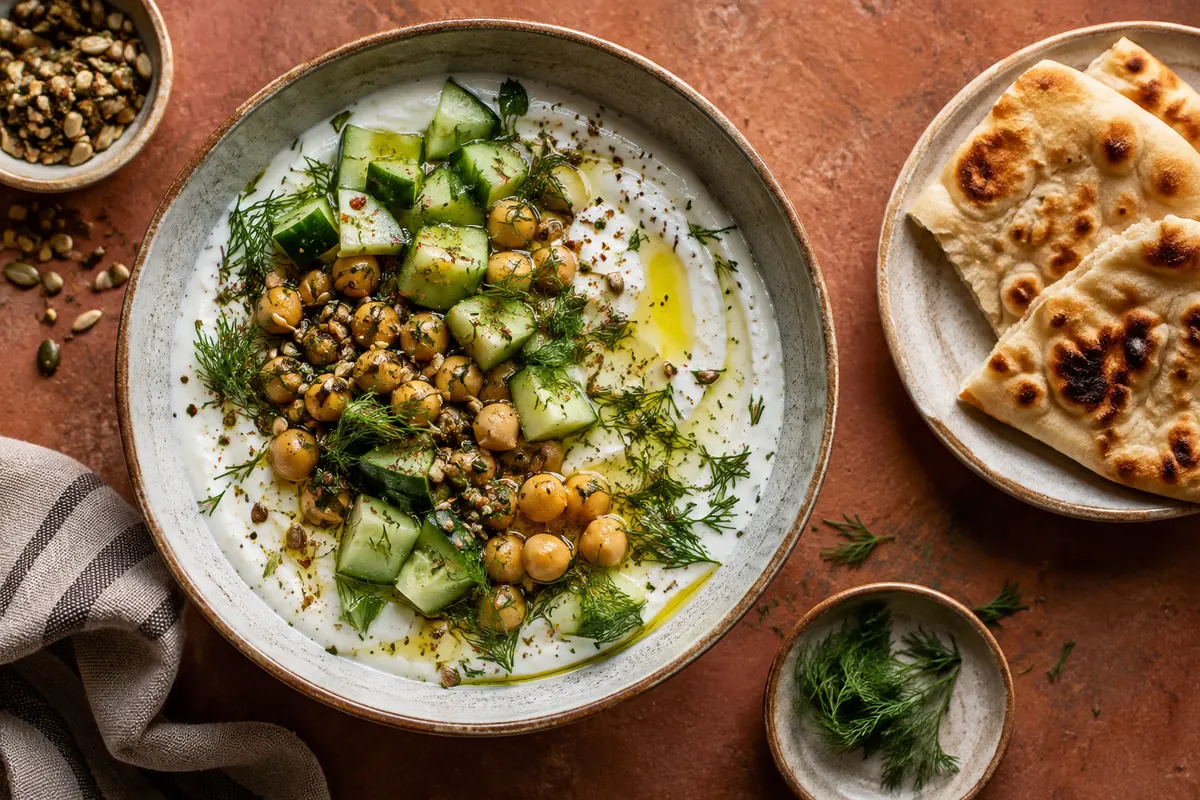
Thick strained yogurt is convenient because toppings stay on the surface and the bowl does not immediately become a soup. A thinner yogurt can still be useful as a dressing or alongside grains, but it asks for a different arrangement. If the tub has separated, stir or drain according to the texture you want rather than pouring the loose liquid over an already juicy topping. The goal is a base that feels intentional on the spoon, with enough body to carry cucumber, beans, and whatever else lunch will contain.
Put it to work
Useful tools, at a glance
Repeated lunch portions in matching containers
Rubbermaid Brilliance 3.2-cup Containers, Set of 5
Choose substance before decoration
A few herbs and seeds can make a bowl look finished without making it much of a meal. Decide what will provide substance before planning the garnish. Chickpeas, white beans, cooked lentils, a grain, an egg prepared to your preference, or bread alongside can each play that role. You do not need all of them. A bowl with beans and flatbread has a different balance from one with leftover rice and roast vegetables, but both give the yogurt something to accompany beyond a scatter of pretty leaves.
Think about how you prefer to eat. Bread makes a shallow bowl into something you can scoop, while a spoonable grain works better when mixed through the lower layer. If the lunch must be eaten at a desk with one fork, cut ingredients to manageable sizes and avoid a huge unwieldy wedge of roast vegetable. An attractive bowl should remain comfortable after the first photograph. Planning the utensil and the appetite is more useful than copying every topping from a bowl designed mainly to look abundant.
Give cooked vegetables time to settle
Roast carrots, squash, cauliflower, or mushrooms can bring depth to cold tangy yogurt. They do not need to arrive sizzling. Let obvious steam escape before arranging them on the base, especially if you want the yogurt to remain cool and thick. Very hot vegetables can warm the dairy and release moisture into it. That is not always unpleasant, but it changes the bowl from a cool lunch into a warm sauce. Choose that effect deliberately rather than discovering it because the tray went straight from the oven to the tub.
Keep the vegetables distinct. Carrots cut into similar pieces roast more evenly; mushrooms need space in the pan to brown; leafy greens need draining after cooking. If every topping brings excess water, even thick yogurt becomes loose. A small amount of a well-prepared vegetable is more useful than a large mound of damp leftovers. Season the vegetable before it goes into the bowl, then taste the combined bite. Yogurt can soften the impression of salt and spice, so the correct seasoning is the one that works with both components together.
Use fresh toppings for a different texture
Cucumber, radish, scallion, and herbs give a soft bowl some movement. Chop them to a size that fits the way you eat, and keep excess liquid out. A large ripe tomato can be wonderful, but it can also flood a small lunch container. Put the juicy pieces in their own compartment until serving, or choose a smaller amount and add it close to eating. A crisp component should taste fresh and make the spoonful easier to enjoy, rather than become a second watery sauce over the yogurt.
Herbs are most useful when you can taste them. Tear or chop a modest handful and distribute it instead of leaving one enormous sprig on top. Mint, parsley, dill, and cilantro lead the bowl in different directions, so choose around the other ingredients rather than adding every bunch in the refrigerator. The same restraint helps with raw onion. A little finely sliced scallion can brighten the whole bowl, while a thick layer of harsh onion can overwhelm the dairy and make a gentle lunch feel like a condiment platter.
One strong finish is usually enough
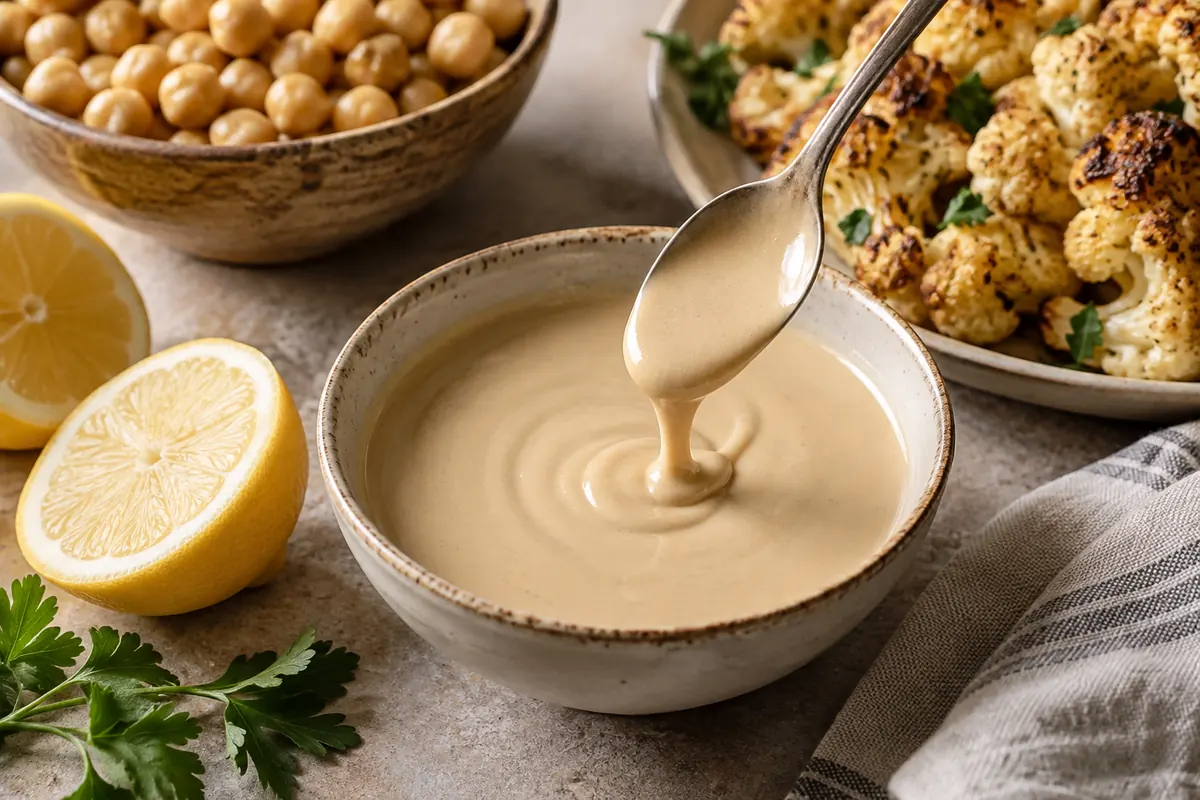
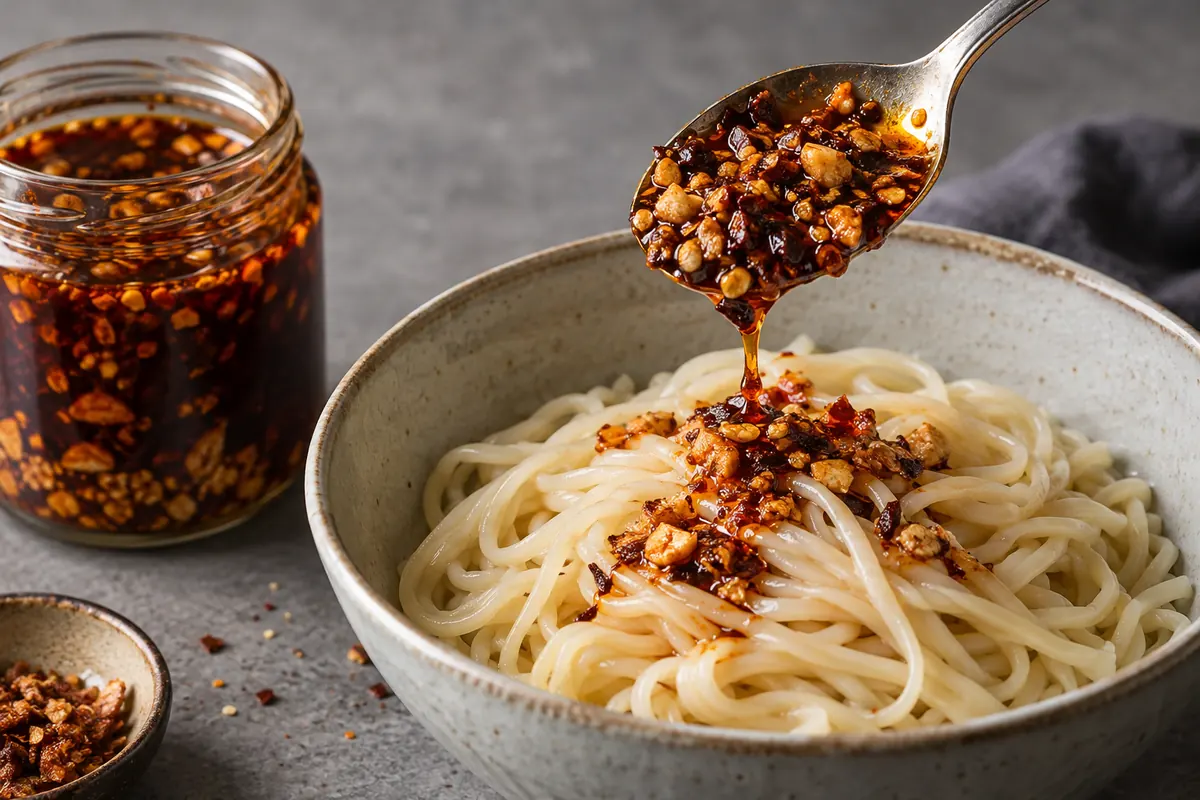
Yogurt accepts assertive seasonings, but several assertive sauces do not automatically make a better lunch. Choose one main finish: a spoonful of chili crisp, a little tahini sauce, a herb oil, or a small amount of hot honey balanced by something savory. If the topping is salty, reduce the salt elsewhere. If it is oily, the bowl may not need another generous pour of olive oil. Taste a bite containing the base, the substantial ingredient, and the finish before adding anything more.
Seeds or nuts can provide a final dry crunch if they suit the meal and the people eating it. Add them just before serving so they do not soften in a covered container. A roasted chickpea topping also changes texture as it sits against yogurt, so keep any portion intended to stay crisp separate until lunch. This is a good place to use a small container with compartments. Keeping a topping separate is not needless fuss when its entire purpose is a texture that moisture will gradually remove.
Pack a bowl in parts
A yogurt lunch needs reliable cold storage. Build it from properly cooled cooked ingredients, refrigerate promptly, and use an insulated bag with a cold source when transport requires one. Do not treat the tangy flavor as proof that the dairy can wait warm all morning. If you are carrying a hot component, use an appropriate separate container rather than warming the yogurt in the same box. The lunch should be planned around the actual journey and refrigerator access, not only the few minutes spent assembling it in the kitchen.
For an easy packing order, put the yogurt in one container and the prepared toppings in another, with any dry crunch in a small separate space. Bread travels separately so it does not absorb moisture. At lunch, spread the yogurt, add the substantial ingredients, then finish with the fresh and crisp elements. If all you have is one box, choose sturdy toppings and accept a softer final texture. The food can still taste good; the key is avoiding a promise of crispness that the packing method cannot keep.
Let the next bowl change
The useful habit is a structure you can vary, rather than a fixed shopping list. One lunch might pair chickpeas, cucumber, parsley, and tahini. Another might use roast carrots, lentils, dill, and a little chile oil. A third could be mostly beans and bread with yogurt as the creamy base. Keep one component familiar while changing another, so you can identify what you enjoy. A rotation built from the food you already buy is more sustainable in an ordinary kitchen than a fresh collection of specialty toppings for every bowl.
For a packed lunch, choose a combination that can be assembled with one utensil: thick yogurt in the base container, drained chickpeas and cucumber in another, and a little tahini sauce separately. Bread can stay dry outside the box. At home, a warm-vegetable version can use roast carrots or mushrooms that have stopped steaming heavily, with herbs scattered across the dairy. Keep both arrangements under appropriate refrigeration before serving. The difference between a cool packed bowl and a freshly assembled warm topping gives the same tub of yogurt two useful lunch roles.
Keep in mind
Use plain yogurt and keep the lunch cold during storage and transport.
Carry watery vegetables and crunchy toppings separately when texture matters.