
Creaminess from the lentils
Choose split red lentils, sometimes sold as orange lentils. Whole brown or green lentils hold their shape and take longer; they will not produce the same bowl on this schedule. Rinse the lentils in a fine sieve, pick out any small stones, and drain them before starting the pot.
Cut the carrots for the simmer
Small carrot pieces soften at the same pace as split lentils. Aim for roughly 3/8-inch (1 cm) dice, not thick coins. The pieces do not have to look identical, but a few oversized chunks can remain firm after the lentils have become tender. Peel the carrots if their skins are tough, then cut them lengthwise before chopping across.
Let the onion and carrots soften in the measured oil before adding the liquid. Keep the heat moderate enough that the onion turns translucent without developing a dark crust. This stage gives the vegetables a head start. Stir the garlic and cumin through briefly afterward, so the spice smells fragrant without catching on the bottom.
Water keeps the flavor clear
Water makes the recipe easy to season and avoids relying on the salt level of a particular stock. The carrots supply sweetness; the cumin gives a warm, earthy note. A little tomato paste adds depth without turning the soup into a tomato soup. Rub it through the vegetables for a minute before pouring in the water.
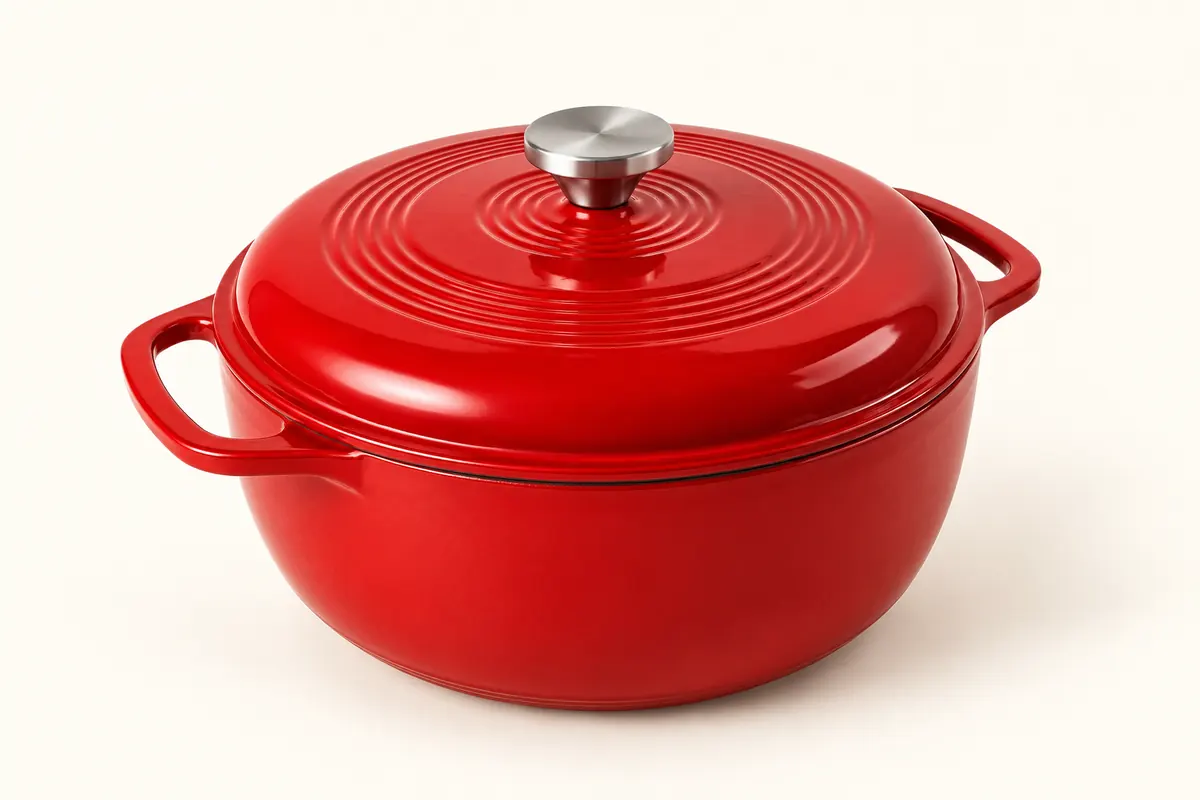
Begin with the stated amount of liquid and cover the pot with its lid slightly ajar. A hard, uncovered boil loses water quickly and can leave a thick layer sticking underneath. Stir along the base occasionally. If the lentils are still firm and the liquid has become very thick, add a small splash of water and continue simmering.
Stop at the texture you like
Start checking the lentils after 20 minutes. They should yield readily when pressed against the side of the pot, and a carrot piece should cut easily with the edge of a spoon. Some lentils soften sooner than others. Use those cues alongside the suggested cooking time rather than keeping the soup bubbling until the clock runs out.
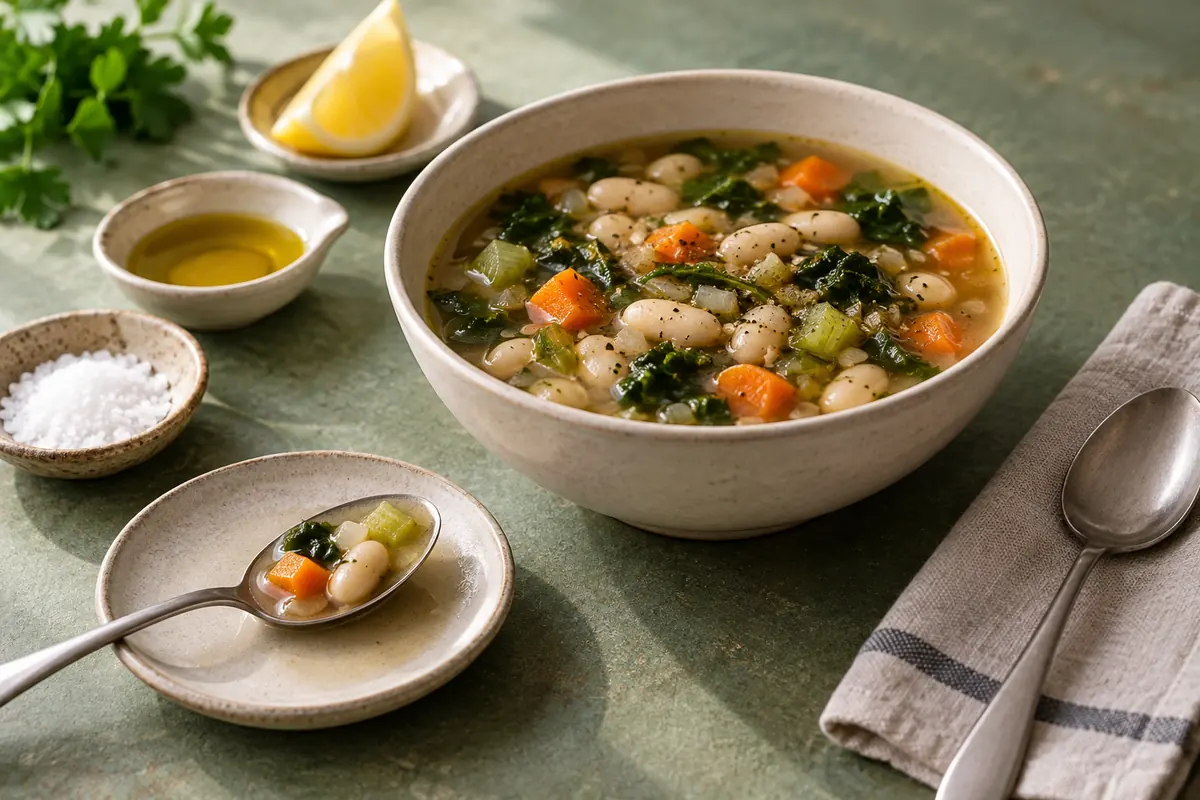
For the texture pictured, press a few spoonfuls of lentils and carrots against the pot, then stir them back in. This thickens the broth while leaving visible carrot pieces. A blender is unnecessary. Loosen with hot water if you prefer a more brothy soup, adding a little at a time so it does not become thin.
Add lemon after cooking
Stir in the measured lemon juice after the lentils are tender. It should brighten the carrots rather than make the whole pot taste sharply sour. Taste before adding any more. Finish with parsley and black pepper. Both are included in the recipe, so the bowl needs no separate dairy topping to feel finished.
Serve as four modest main-course bowls or divide it into smaller starter portions. Bread or a sandwich can make a larger meal, but those sides are not included in the calorie estimate. If serving people with different appetites, leave extra hot water nearby: a splash loosens the portion that has been waiting longest in the pot.
Lunch the following day
The lentils continue absorbing liquid while the soup stands, so a refrigerated portion will look thicker than the fresh pot. Add water during reheating and stir from the bottom until the texture is spoonable again. Recheck the seasoning after thinning it. More water changes both the salt concentration and the strength of the lemon.
Refrigerate promptly in shallow containers, within two hours, or one hour in heat above 90°F (32°C). Use within three to four days and reheat to 165°F (74°C). Freeze cooled portions if keeping them longer. Let frozen soup thaw in the refrigerator, then warm in a saucepan, stirring regularly and adding water only as needed.