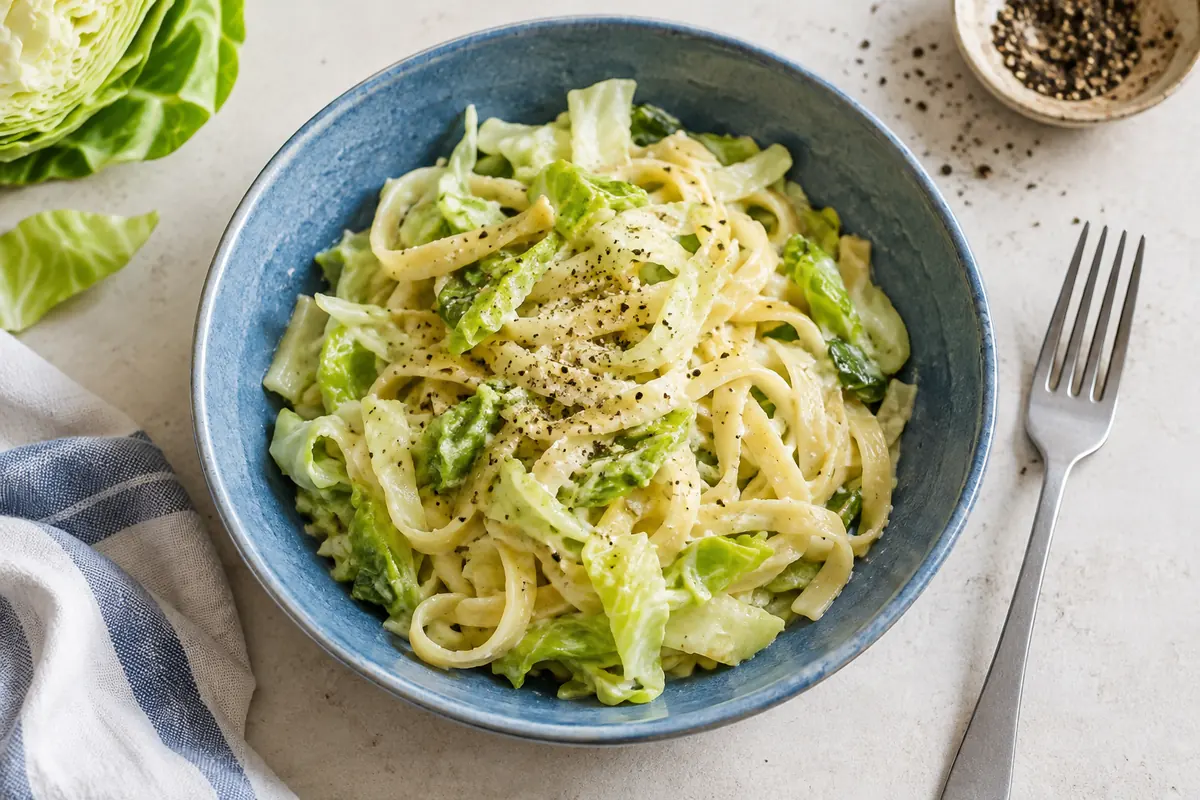
The useful part of a cabbage steak is the cut
The enthusiasm has a documented backdrop. Pinterest's 2026 forecast includes cabbage among its food themes, drawing on earlier search activity. A forecast can put an overlooked ingredient back on a shopping list, but the lasting question is what to do with the cabbage after buying it. Roasting works especially well when you want something that can cook while you prepare a pot of beans, a small bowl of dressing, or the rest of a shared meal.
Put it to work
Useful tools, at a glance
Roasting and baking with an uncoated pan
Nordic Ware Naturals Half Sheet, 2-Pack
Choose a compact head and make stable slices
Green cabbage is a straightforward starting point because its closely packed leaves hold together reasonably well. Remove damaged outer leaves, wash the cabbage, and make sure the cutting board cannot slide. Cut through the core to create a stable flat face before making broad slices. Around an inch thick is a useful starting point, with enough substance to survive turning. Very thin rounds have more fragile edges; very thick ones ask the oven to soften a much larger center.
Keep a little core attached where possible. It helps connect the leaves during handling, although no amount of careful cutting will make every slice identical. The end pieces often break into smaller wedges. Roast them alongside the larger slices if space allows, and remove them sooner if they are ready. A dinner made from intact rounds and loose browned leaves is still a good dinner. Save clean trimmings for a separate slaw or soup rather than forcing them into an overcrowded tray.
Pan space does more than an extra spoonful of oil
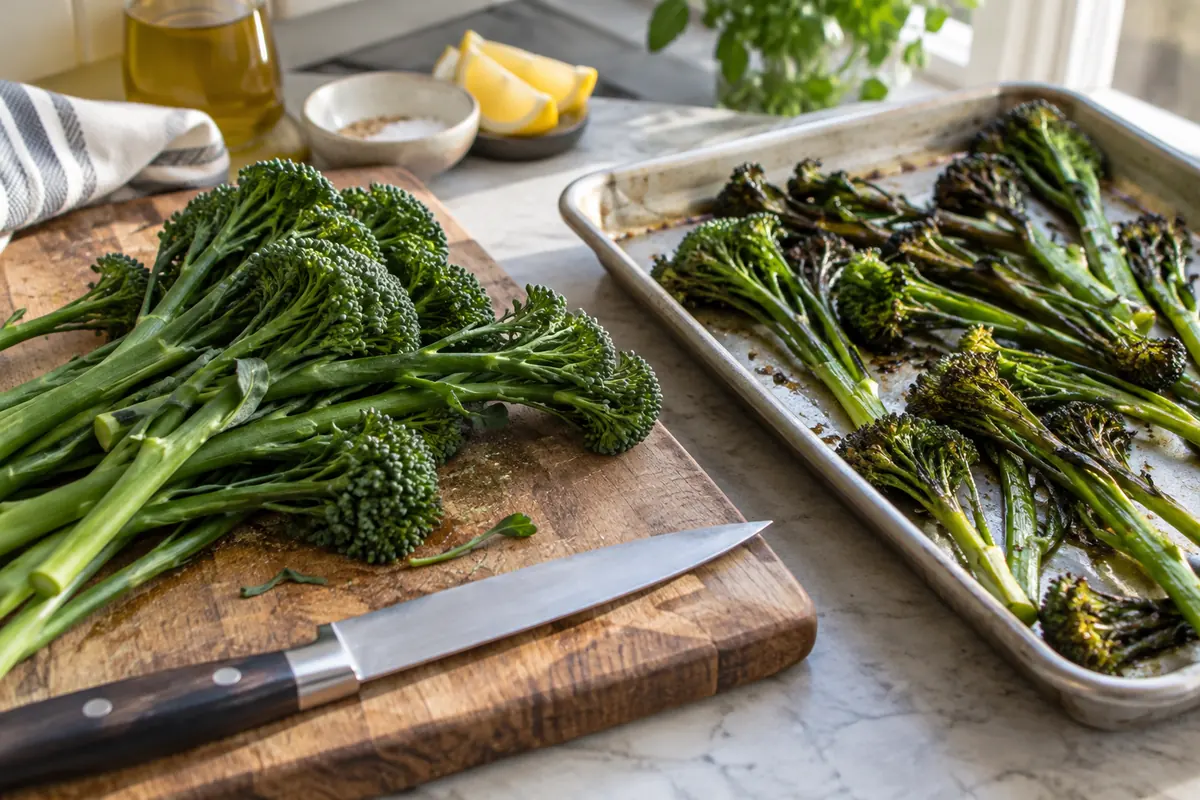
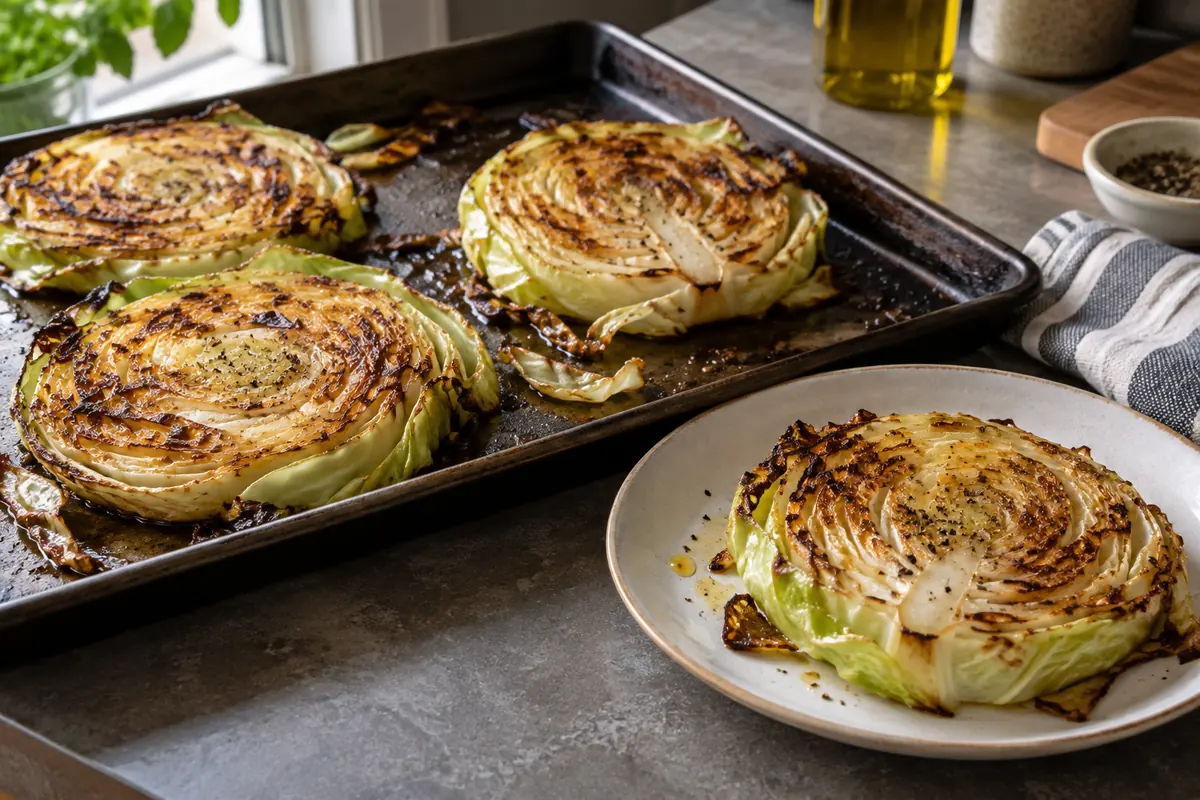
Use a rimmed metal sheet pan large enough to leave visible gaps between the slices. A Nordic Ware half sheet is one suitable shape for this job, but a sound tray already in the kitchen may be all you need. The important detail is the available flat area. Cabbage releases moisture as it cooks, and closely packed slices create a wetter environment. More oil cannot compensate for a tray that is filled edge to edge with overlapping leaves.
Brush both broad faces with a thin, even coating of oil and season them. Pay attention to the underside, which will make sustained contact with the hot metal. Oil pooling in the corners does less useful work than oil spread across the cabbage itself. Keep watery sauces, lemon juice, and generous spoonfuls of dressing for later. Those additions are welcome on the plate, but starting with a wet coating makes it harder to develop the dry, browned face you are trying to create.
Watch two kinds of doneness
Begin in a properly preheated hot oven, around 425°F for plain cabbage on a suitable metal pan, and use the recipe or pan manufacturer's guidance when a coating changes the heat limit. Check the underside before turning. A wide spatula helps support several leaves at once; tongs alone can pull the slice apart. Rotate the tray if one corner of the oven is clearly browning faster. The clock gives you a reminder to look, rather than a guarantee of a finished center.
A browned surface and a tender core are separate achievements. Pierce the thickest part with a small knife or skewer. If it still feels hard while the outer leaves are becoming dark, lower the heat and allow more time, protecting particularly exposed edges if necessary. If the center is tender but the face remains pale, check that the tray is not crowded and let surface moisture evaporate. Avoid treating blackened tips as the only sign that enough cooking has happened.
Build a sauce that reaches between the leaves
A broad slice has a lot of mild interior to season. A dressing with acidity and enough fluidity to travel between leaves usually does more than a thick decorative dollop. Try mustard loosened with lemon juice and olive oil, or tahini mixed with water until it pours easily. Add salt gradually, especially if the plate also includes feta, olives, capers, or a salty condiment. Spoon a little over the hot cabbage, then offer more at the table so the browned surface remains partly exposed.
For a warmer finish, brown a modest amount of butter and add chopped herbs after removing the pan from the heat. If using garlic, do not leave small pieces on the hottest exposed leaf tips for the entire roast. They can turn bitter before the center softens. Toasted seeds, breadcrumbs, or chopped nuts can add another texture, but choose one clear accent. A crowded topping can hide both the flavor of the cabbage and the crisp leaves you took time to brown.
Give the rest of dinner a contrasting job
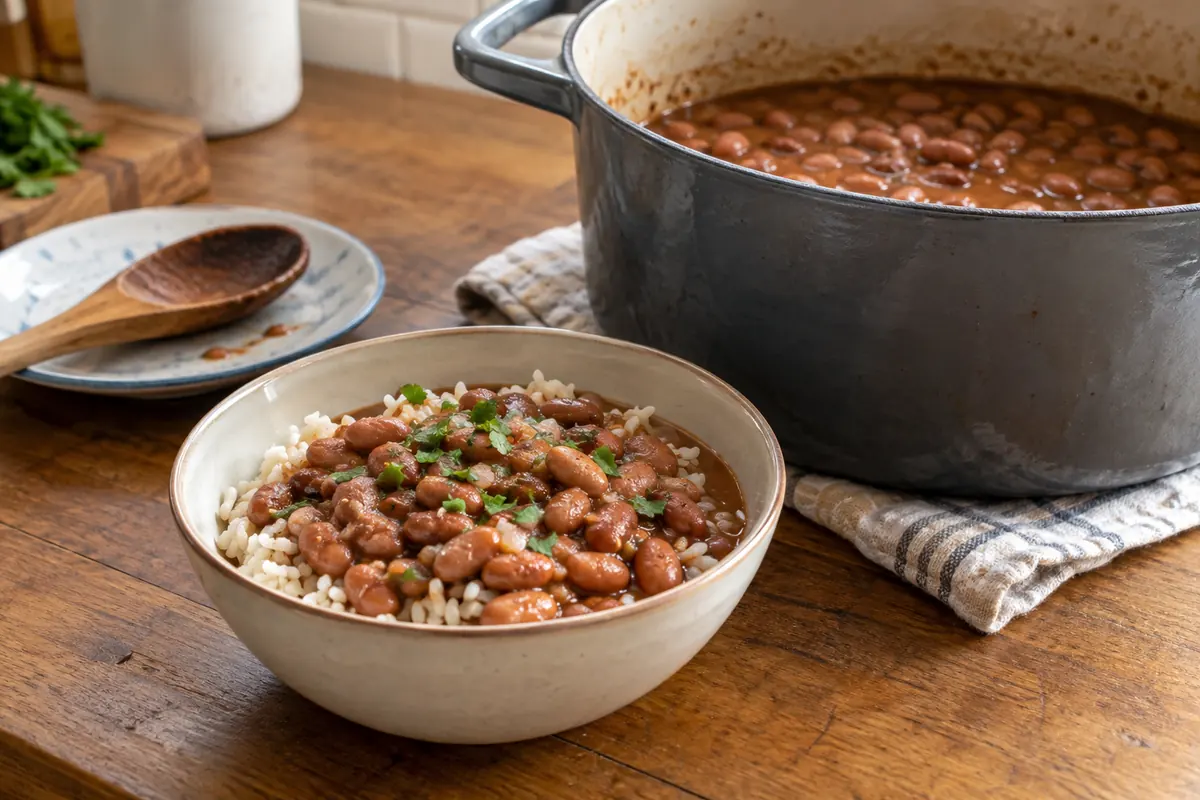
Cabbage with white beans is a useful pairing because the beans supply a soft, spoonable base beneath the leaves. Warm them separately with a little broth and an aromatic, then settle the roasted slice on top. Bread can collect the dressing. For a grain bowl, choose a grain you enjoy chewing and keep its seasoning distinct from the cabbage sauce. There is little benefit in coating every component with the same thick dressing before any of it reaches the plate.
A smaller wedge can instead accompany roast chicken, sausages, or baked fish. Consider the oven sequence before combining everything on one tray. Different foods have different cooking and safety requirements, and a crowded mixed tray can leave the cabbage steaming in juices. If the oven is already full, cook the cabbage earlier and give it a brief hot finish before serving. Choose the order around the available space and the food's needs, rather than around a promise that every dinner requires only one pan.
Use the second half differently
A large head often supplies more cabbage than one tray can hold. Leave the unused portion raw and assign it a different meal: finely sliced cabbage folded into noodles, chopped cabbage simmered in tomato soup, or a small crisp salad. This prevents the week from becoming several plates of the same reheated roast. Keep the remaining cut head covered and refrigerated, and prepare only the amount that fits the next dish. The vegetable's useful shelf life does not depend on cooking it all immediately.
For cooked leftovers, refrigerate promptly in shallow containers, keep the refrigerator at 40°F or below, and use within three to four days or freeze. Reheat leftovers to 165°F. A hot oven can restore some surface dryness, although the leaves will be softer than on the first evening. Chopping leftover roast cabbage into a bean skillet is often a more satisfying use than expecting it to recover the exact architecture of a freshly turned slice. Sauce and crunchy toppings can be stored separately.
Keep a tender slice and an exposed browned face
If the result is disappointing, identify the specific problem before changing the whole method. Pale, soft slices suggest too much moisture or too little space. Dark edges around a resistant core suggest uneven thickness or heat moving faster than the center can tolerate. A bland middle calls for seasoning that reaches the leaves, rather than simply more char. These are different problems, and a single instruction to roast longer will not solve all of them.
The serving arrangement can solve the last texture problem. Put a spoonable sauce or beans underneath a broad slice so the upper face stays dry. If several leaves have detached, gather them beside the center instead of pressing them back into a round. Crisp fragments can sit on top, while softer pieces catch the dressing below. For a lighter plate, serve a smaller wedge beside lentils and a lemony herb salad. The cabbage then has room to taste sweet and browned without needing a heavy blanket of toppings.
Keep in mind
Small end pieces brown sooner than the broad center slices. Check and remove them separately.
Add acidic dressings after roasting when a browned surface is the goal.