Choose dinner before choosing a substitute
Cabbage alfredo appears in Pinterest's 2026 food forecast, which reports growth in the phrase's earlier global English-language searches. That is a reason to look at the idea, rather than proof that every version is worth making. The practical question is how to give cabbage the right texture before it meets dairy and cheese. A good result comes from controlling moisture and heat, then building a plate that suits your appetite instead of following a replacement ratio by habit.
Put it to work
Useful tools, at a glance
Browning and finishing sauces in a 12-inch stainless steel pan
Tramontina Signature 12-inch Tri-Ply Clad Fry Pan
Wide ribbons and fine shreds cook differently
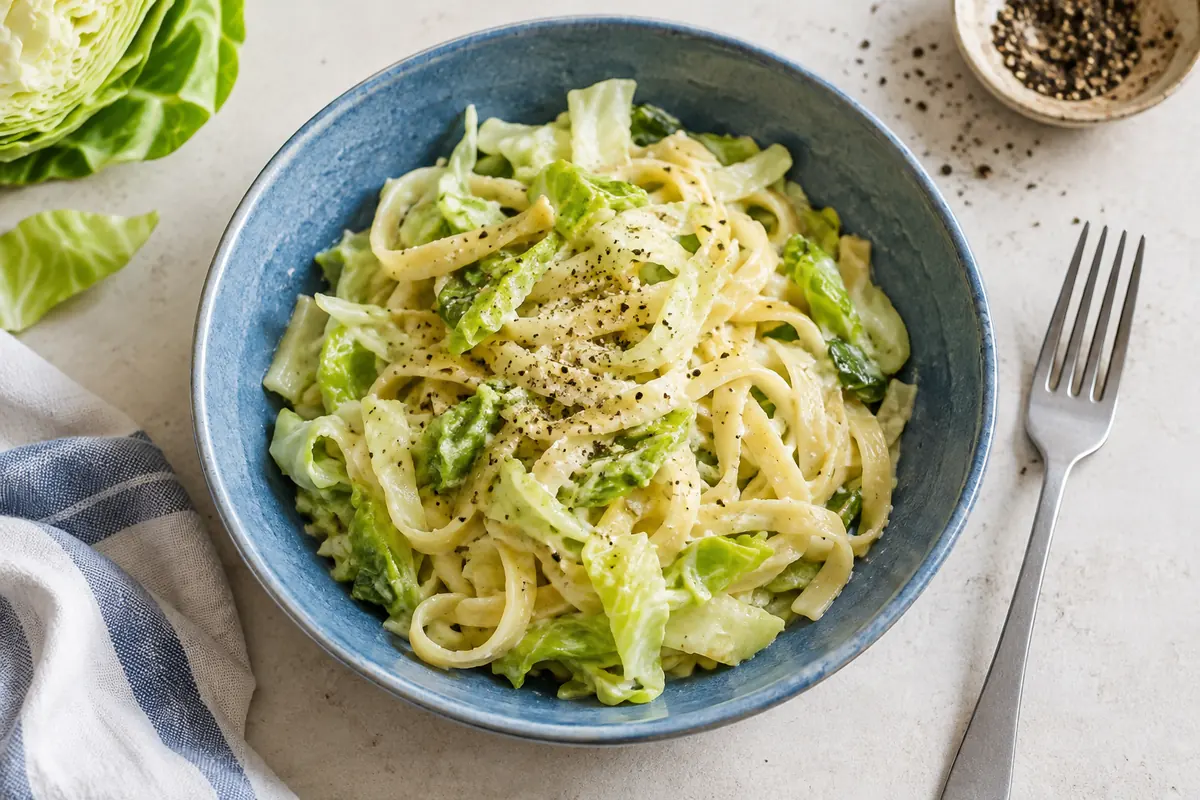
For a noodle-like bowl, remove damaged leaves, wash the cabbage, and cut it into ribbons that are wide enough to keep some identity. Very fine shreds quickly become a soft tangle. Broad pieces stay more distinct but need a little longer to lose their raw stiffness. Remove the densest core if it would leave hard chunks among the leaves. Keep your board steady and your fingertips clear of the knife; a round head deserves a stable cut face before slicing.
Green cabbage is a reliable starting point. Savoy has more crinkled leaves that catch sauce, while napa is more delicate and introduces a different balance of stem and leaf. Use what you have, but expect the timing and finished texture to change. A vegetable swap within the cabbage family is still a real recipe change. If using a pre-shredded bag, check the ingredient list and cut size, since a slaw mix with carrots or very thin strands will make a different dish.
Let the cabbage release water first
A wide skillet gives the ribbons a better chance to cook evenly than a small saucepan filled to the rim. Start with a little fat and a manageable quantity of cabbage, turning it as the leaves soften. Salt lightly, then watch the liquid that gathers underneath. The aim is tender cabbage without a pool of water waiting to dilute the sauce. Work in batches if the pan cannot hold the leaves loosely enough to move them.
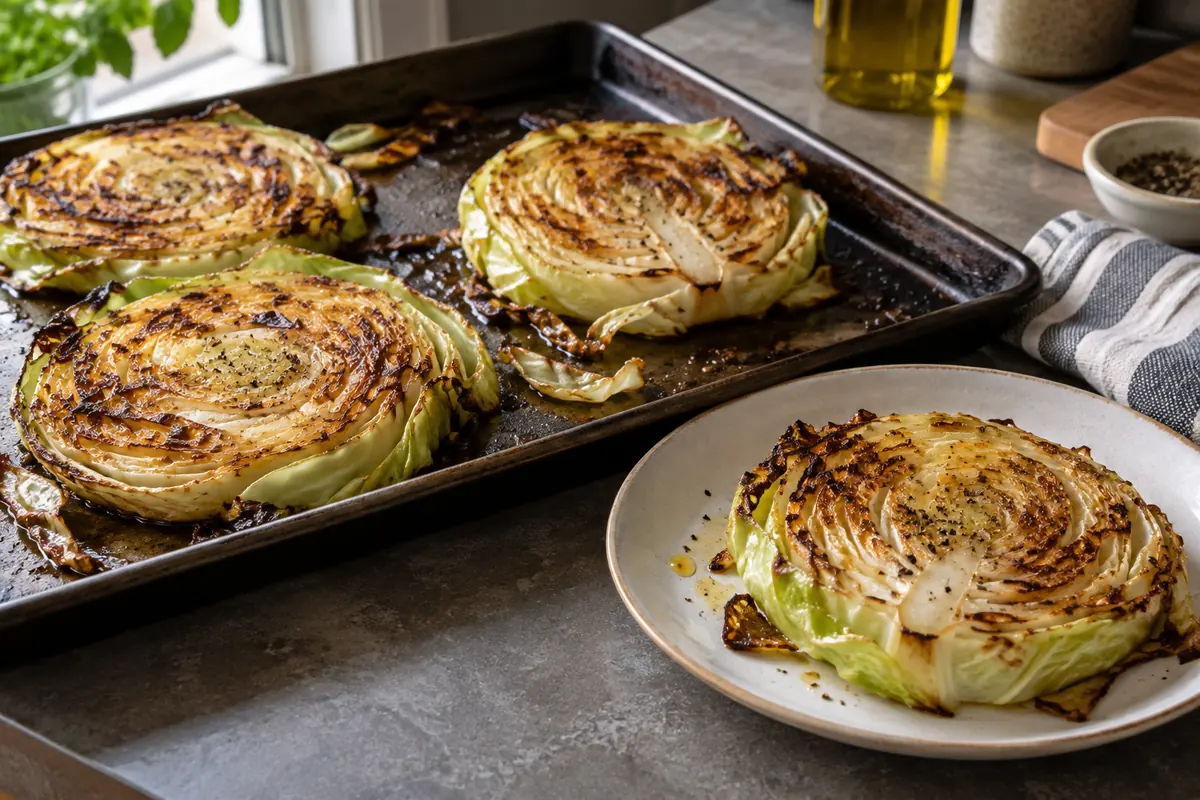
If some browning sounds good, allow patches to stay against the pan before stirring. If you want a pale, soft bowl, use gentler heat and stop before those patches form. Both approaches can work, but neither benefits from scorched garlic trapped on the bottom. Add finely chopped garlic toward the end of the vegetable stage, when you can keep it moving. Once the cabbage tastes cooked to your liking, let obvious excess moisture evaporate before adding the creamy components.
Treat a cheese sauce gently
The word alfredo covers different expectations in home kitchens, from butter and cheese emulsified with pasta water to richer sauces made with cream. Decide which style you mean before starting. A cabbage-only pan does not contain the same starchy cooking liquid as a pot of pasta, so a pasta-water method cannot be transferred without thought. A small amount of cream can make the vegetable version more forgiving, but it still needs modest heat and gradual additions of cheese.
Finely grate a hard cheese so it can disperse quickly. Lower the heat or remove the pan from the burner before stirring it in, adding small amounts while tossing. A furious boil can leave dairy sauces separated or grainy. If the mixture thickens too far, loosen it a spoonful at a time with suitable warm liquid. Taste before adding more salt. Cheese, salted butter, and any cured-meat topping may already supply plenty, and cabbage's sweet flavor does not need to disappear under them.
A mixed bowl solves a different problem
Combining cabbage with real pasta lets each ingredient do its own job. Cook the pasta separately according to its package guidance and save a little cooking water before draining. Meanwhile, soften the cabbage in the skillet. Bring them together when the vegetable is ready, rather than boiling cabbage ribbons for the full pasta cooking time. That gives you control over both textures and a more useful starch source for finishing the sauce.
Begin with a combination that still looks appetizing to you: perhaps a modest portion of pasta with a generous handful of cooked cabbage, rather than a formula designed to meet an imaginary ideal. Toss gently so broad ribbons do not tear into tiny pieces. Add the reserved water gradually because the cabbage may still release some moisture. Serve the dish while the sauce is loose and glossy. A thick mixture that looks perfect in the pan often becomes stiff after a few minutes on a cool plate.
Use contrast instead of a longer ingredient list
Creamy cabbage benefits from something sharper or crisper around it. Black pepper, a little lemon zest, or a restrained squeeze of lemon after the sauce is finished can make the bowl feel more lively. Add acid cautiously and taste as you go. A small herb salad on the side can offer freshness without asking the sauce to do everything. If using toasted breadcrumbs, scatter them at the table so they stay distinct from the moist leaves.
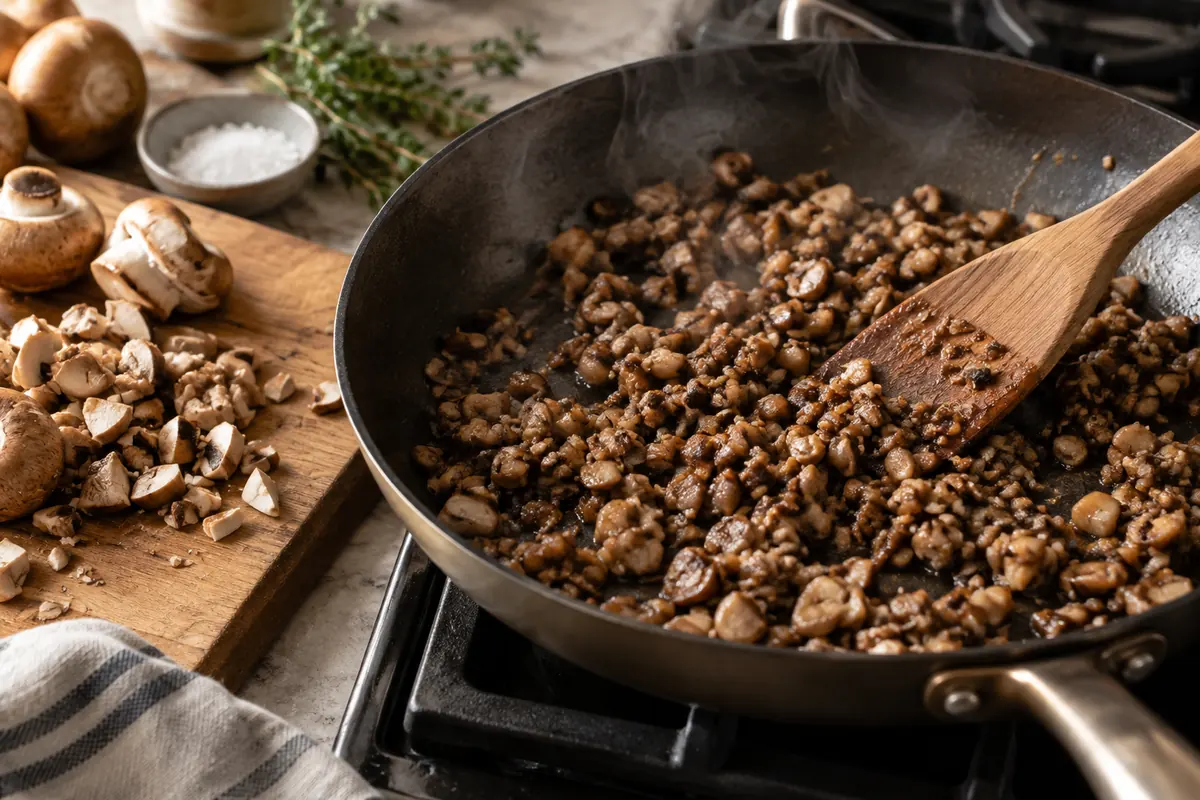
For a more substantial plate, add separately cooked mushrooms, chicken, beans, or another accompaniment that suits the meal. Keep the choice intentional. Mushrooms need their own chance to shed liquid and brown; adding a heap of raw slices directly to finished cream sauce can make it watery. Chicken requires safe cooking independently of whether the sauce looks done. An already cooked ingredient still needs a clear storage and reheating plan. The visual simplicity of a bowl does not erase those separate cooking jobs.
Diagnose the sauce before reaching for more cheese
A watery bowl usually begins earlier than the cheese stage. The cabbage may have been crowded, insufficiently drained, or added to the sauce before its released liquid could evaporate. More cheese can make the mixture salty without solving the underlying problem. Next time, finish the vegetable first. For the current pan, lift the cabbage out briefly if needed and reduce the liquid gently before recombining. Stop adding delicate dairy to a pan that still needs aggressive boiling.
A grainy sauce points toward a different issue: excessive heat, a large addition of cheese, or cheese that has not dispersed well. Lowering the burner and adding liquid in small amounts may improve the texture, but a broken sauce cannot always be restored completely. Stop adding cheese while the pan remains too hot. If the cabbage is already tender, lift it into warm bowls while you assess the sauce separately. Returning it only for the final toss protects the leaves from becoming softer during an extended repair.
Plan leftovers as a softer second dish
Creamy cabbage is best served soon after finishing because the leaves continue to soften and the sauce changes as it stands. If you expect leftovers, reserve some cooked cabbage without sauce and finish only what you intend to eat. The plain portion can become a different skillet meal later. Refrigerate perishable leftovers promptly in shallow containers, keep them at 40°F or below, and use within three to four days or freeze. Reheat leftovers to 165°F, checking the center.
For reheating, a little liquid and gentle attention help loosen the sauce, though the texture will be softer than the first bowl. Do not promise yourself that reheated vegetable ribbons will suddenly become springy pasta. If a firmer bite is what you want, cook a small fresh portion of pasta and combine it with properly reheated cabbage. The most successful version is the one that suits the food on the plate: cabbage with cream and cheese, pasta with cabbage, or a deliberate mixture of both.
Keep in mind
Cook cabbage to the texture you want before adding the cheese sauce.
A cabbage-only pan does not provide starchy pasta water; choose the sauce method accordingly.