A soup can borrow an idea without replacing a tradition
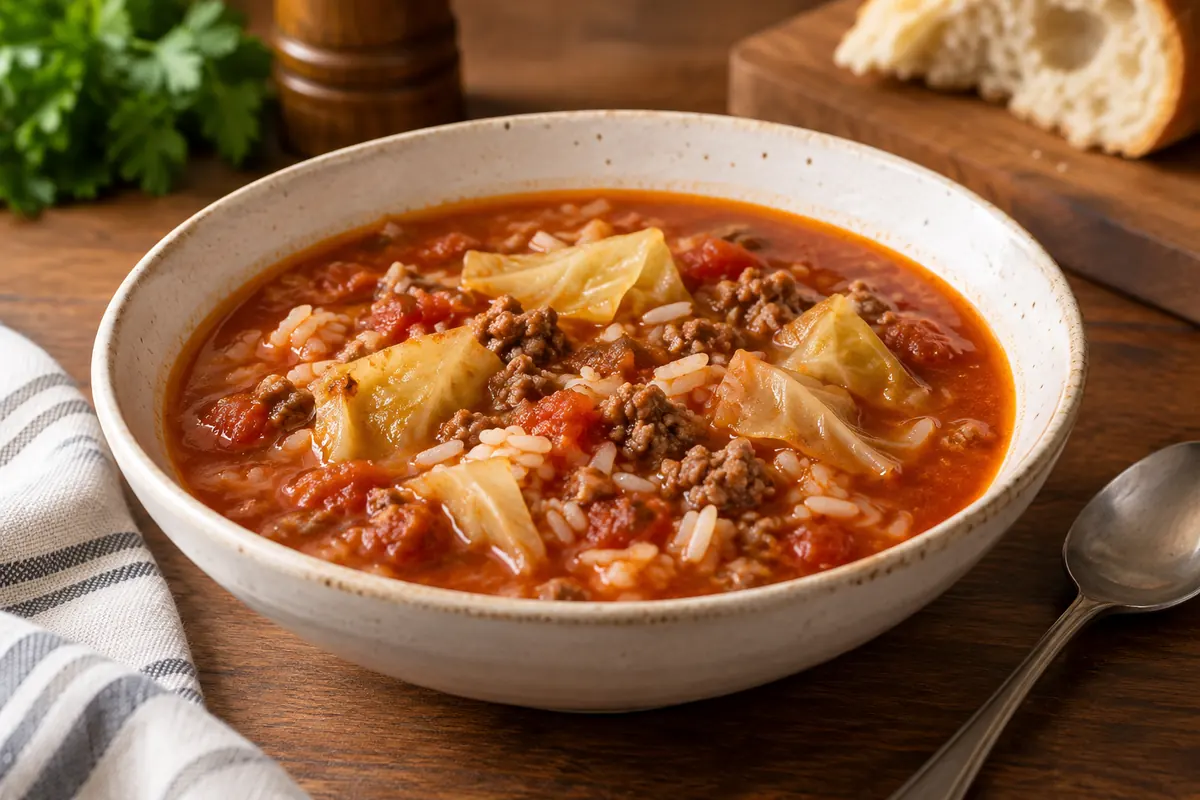
Pinterest's 2026 forecast lists golumpki soup among food-related phrases with earlier search growth. The phrase points toward an interest in comforting cabbage dishes, but it should not turn every tomato-and-cabbage soup into a definitive Polish family recipe. Cabbage rolls have many regional and household forms. Describe the soup in front of you, name the influences honestly, and keep the practical goal clear: a flavorful pot with tender leaves, well-cooked ingredients, and enough broth left to call it soup.
Put it to work
Useful tools, at a glance
Soups and braises in an enameled pot
Lodge Essential Enamel 6-quart Dutch Oven, Island Spice Red
Cut for a spoon, rather than for a parcel
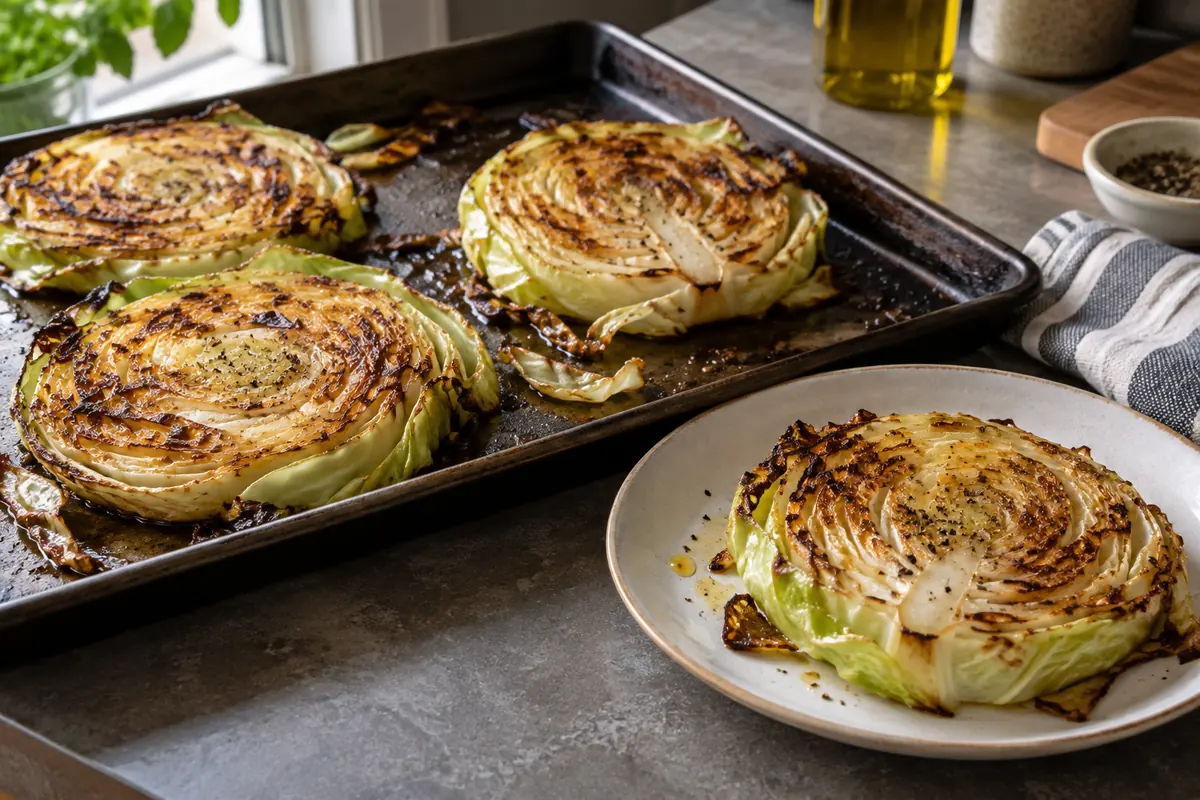
A spoonful should include cabbage and the rest of the soup without requiring a knife at the table. Cut the leaves into short pieces or ribbons rather than long slaw strands. Chop the dense core more finely or reserve it for another use if it would remain hard among the leaves. A very fine shred disappears quickly; larger pieces offer more cabbage texture. Choose the size deliberately and keep the pieces reasonably consistent so the pot does not contain both mush and raw crunch.
Cabbage looks bulky before it softens. A pot with enough height and stirring room makes the early stage easier, especially if the dinner includes onion, carrot, and a substantial savory base. Do not assume that a pot filled to its rim with raw leaves has room for broth as well. Add the cabbage in manageable handfuls and let it settle. If the pot is simply too small, reduce the batch rather than waiting for a boil-over to make the decision.
Build the base before adding all the liquid
For a meat version, brown the ground meat in a suitable pot before adding the full volume of liquid. Work in batches if necessary and break it into pieces that will sit comfortably on a spoon. Onion and carrot can soften in the same general stage, with the sequence adjusted to the pot and recipe. Tomato paste benefits from a short stir in the hot base so it loses its raw edge, but it should not burn while you are chopping the remaining vegetables.
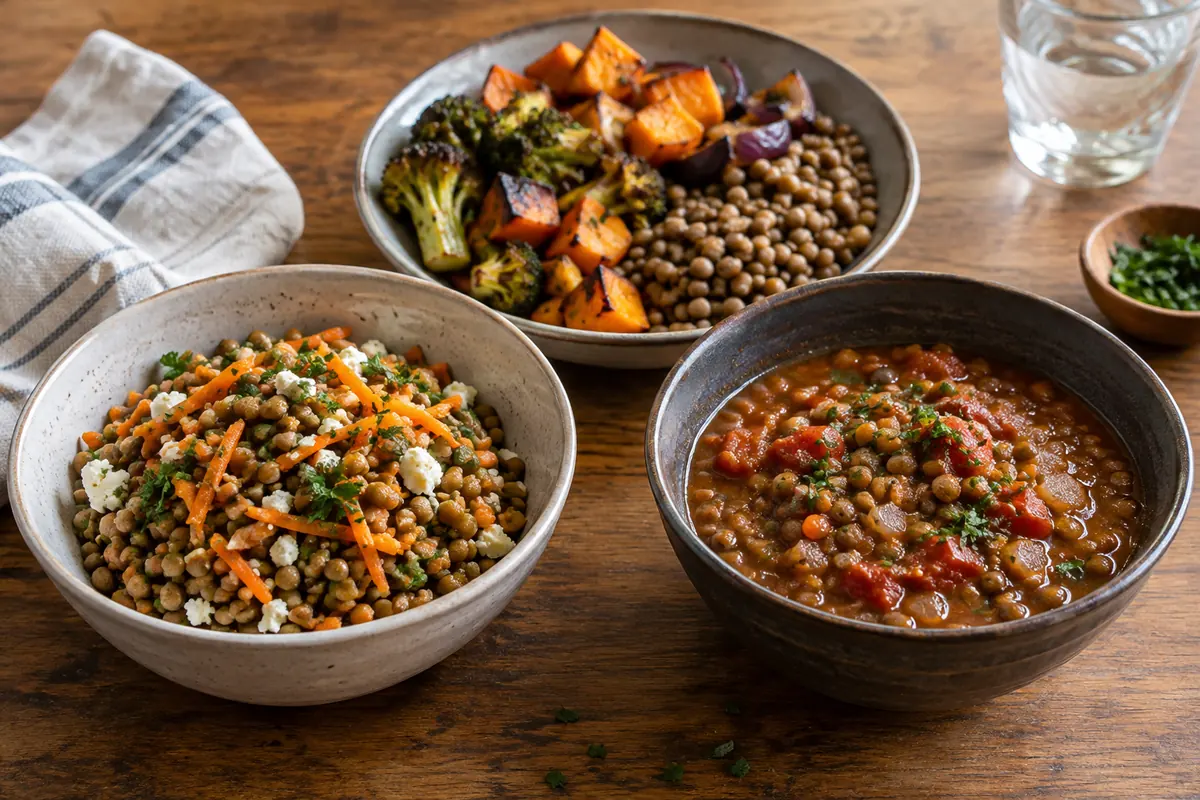
Ground beef requires a safe internal temperature of 160°F; ground poultry requires 165°F. Browning color does not establish that temperature. Use a food thermometer and follow a clear recipe for the complete cooking sequence. For a meatless version, cooked lentils or beans can give the soup substance, although they change its texture and flavor. Keep the base lively with aromatics and seasonings rather than expecting a tomato can and plain water to provide all the depth on their own.
Rice determines tomorrow's texture
Rice cooked in the soup releases starch and continues absorbing liquid as the pot stands. That can be welcome if you want a thick, porridge-like dinner, but less useful if you want a brothy bowl for tomorrow's lunch. Adding extra raw rice is therefore a substantial change, rather than a harmless way to stretch the batch. Use a measured amount, allow for its cooking time, and keep extra hot broth available if the soup thickens more than expected.
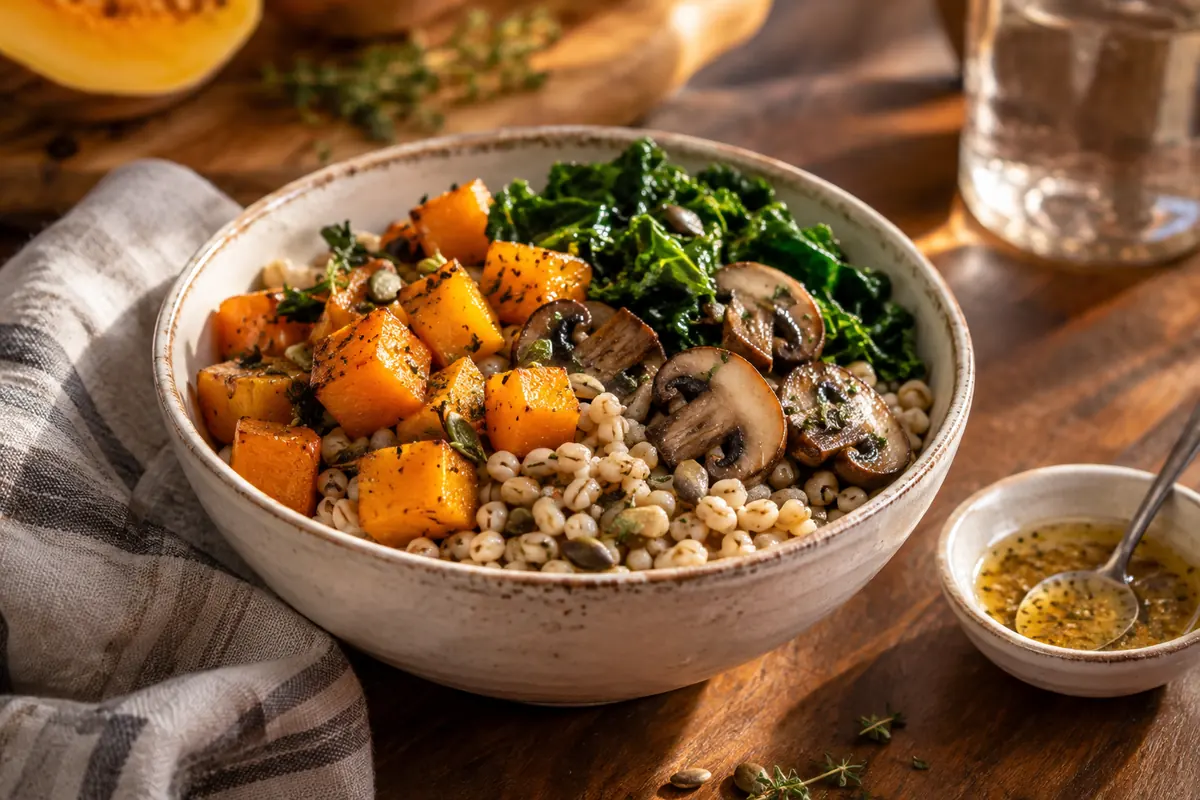
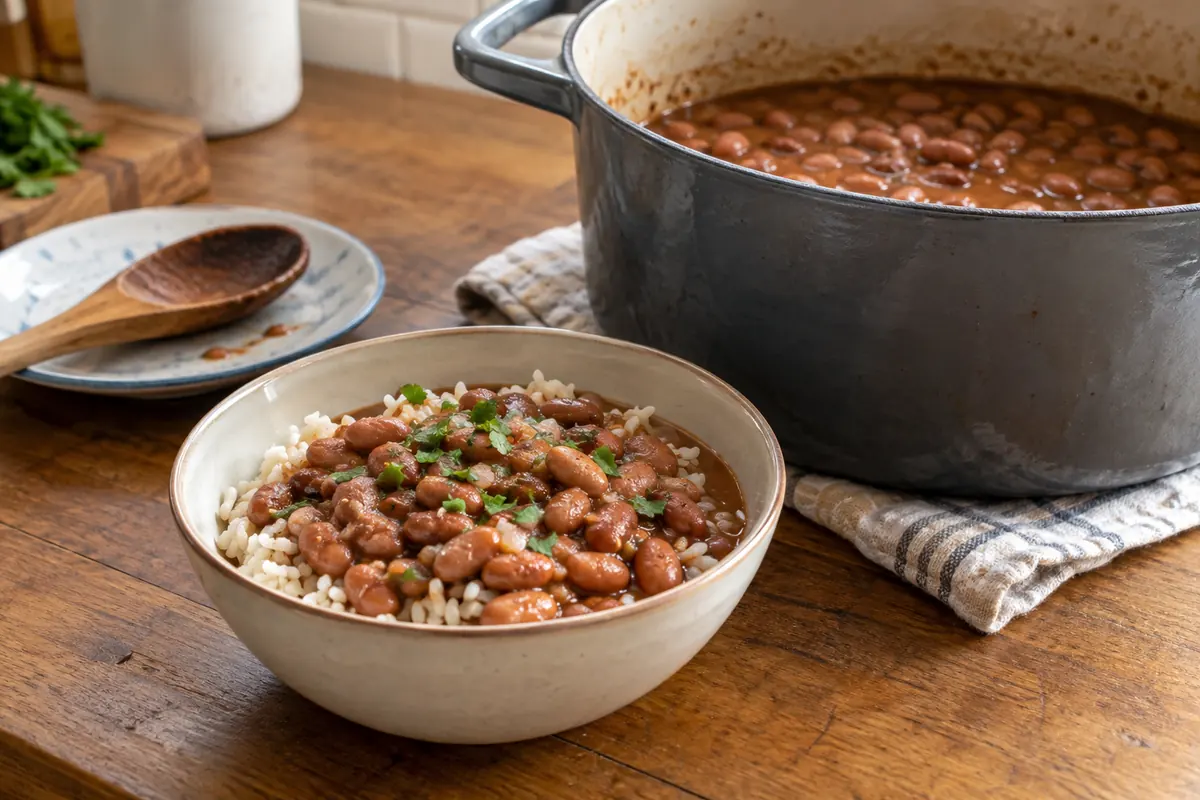
For the most control, cook rice separately and add it to individual bowls. This allows one person to choose more grain and another more cabbage. It also prevents all the stored broth from being absorbed overnight. Cooked rice still needs prompt refrigeration and safe handling; keeping it separate is a texture choice, not a way around storage requirements. Label both containers and reheat each component properly. The same principle works with barley, though its chew and cooking time create a different soup.
Use tomato and acidity with a light hand
Crushed tomatoes make a smoother broth; diced tomatoes keep more separate pieces in the bowl. Either can work, but the choice changes the finished texture. Start with the style you enjoy in soup rather than combining several tomato products automatically. The cabbage itself becomes sweeter as it softens. Taste after that stage before deciding the pot needs sugar, vinegar, more tomato paste, or a larger amount of salt. An early taste does not always describe the final balance.
If the soup feels heavy, a modest splash of vinegar near the end can sharpen it. Add a little, stir, and taste a cooled spoonful. If it is already tart, more acid will not create depth. A spoonful of sour cream or plain yogurt served separately can provide a creamy contrast without turning the entire pot opaque. Keep any dairy properly chilled until serving and check dietary needs. A garnish works best when it answers a flavor question instead of simply filling an empty place on the bowl.
Make a weeknight sequence you can finish
A sensible sequence starts with chopping the sturdy vegetables, measuring the seasonings, and deciding how the rice will be cooked. Brown or soften the base, add the cabbage and liquids as the recipe directs, then simmer gently until the cabbage has the texture you want. During that relatively quiet stage, prepare bread or a simple accompaniment. A soup that is actively boiling over while you make a complicated side has lost much of its weeknight advantage.
Check the largest cabbage pieces and the grain independently. If the grain is ready while the cabbage is still resistant, the original cut may have been too large. If the cabbage has collapsed before the grain finishes, separate cooking may suit the next batch better. Keep the pot at a gentle enough simmer that pieces remain identifiable. There is no prize for the fastest boil; the aim is a coherent bowl in which the ingredients finish at compatible textures.
Cool a large pot in smaller portions
A generous pot creates a useful second meal only if it is handled well. Divide leftovers into shallow containers and refrigerate within two hours, or within one hour when the surrounding temperature is above 90°F. Keep the refrigerator at 40°F or below. Do not leave the entire pot on the counter until it feels cold. Smaller portions cool more efficiently and make it easier to take only what you need later.
Use refrigerated leftovers within three to four days or freeze portions for later. Reheat leftovers to 165°F and bring reheated soups to a rolling boil. Add broth or water as needed to restore a soup-like consistency, particularly if grain was stored in the same container. Freeze in portions that suit an actual lunch or dinner, leaving appropriate expansion space in freezer-safe containers. A label with the contents and date is more valuable than trying to recognize three similar red soups through frosty plastic.
Give the next bowl a small change
Keep the main pot simply seasoned if you expect several meals from it. One bowl can take fresh dill and sour cream; another can take chopped parsley and a slice of toasted bread. These small finishes change the eating experience without requiring another full cooking session. If the first meal was very thick, a properly reheated portion loosened with broth can become a lighter lunch. Taste again after dilution because the seasoning concentration will have changed.
Choose the finish around the soup's consistency. A brothy bowl with separately cooked rice can take a spoonful of sour cream and chopped dill without becoming heavy. A thicker pot containing its grain may need extra hot broth and a sharp accompaniment rather than another creamy topping. Put bread beside the bowl when there is enough liquid for dipping; toast a thinner slice when the soup is already substantial. These arrangements keep cabbage, tomato, and grain easy to taste while giving each serving a distinct character.
Keep in mind
Cook rice separately when you want leftovers to remain brothy.
Portion a large pot into shallow containers for prompt refrigeration.