Two places for kimchi at the same table
Kimchi describes many preparations, rather than one universal red cabbage pickle. This guide concerns the napa cabbage style often sold in refrigerated jars, with its pieces and seasoned liquid. Even within that group, recipes and products differ. Some include fish sauce or salted seafood; some use other seasonings. Read the actual label when shopping for someone with dietary restrictions. A vegetable at the center does not establish that the finished product is vegetarian, and a spicy appearance says little about its full ingredient list.
Put it to work
Useful tools, at a glance
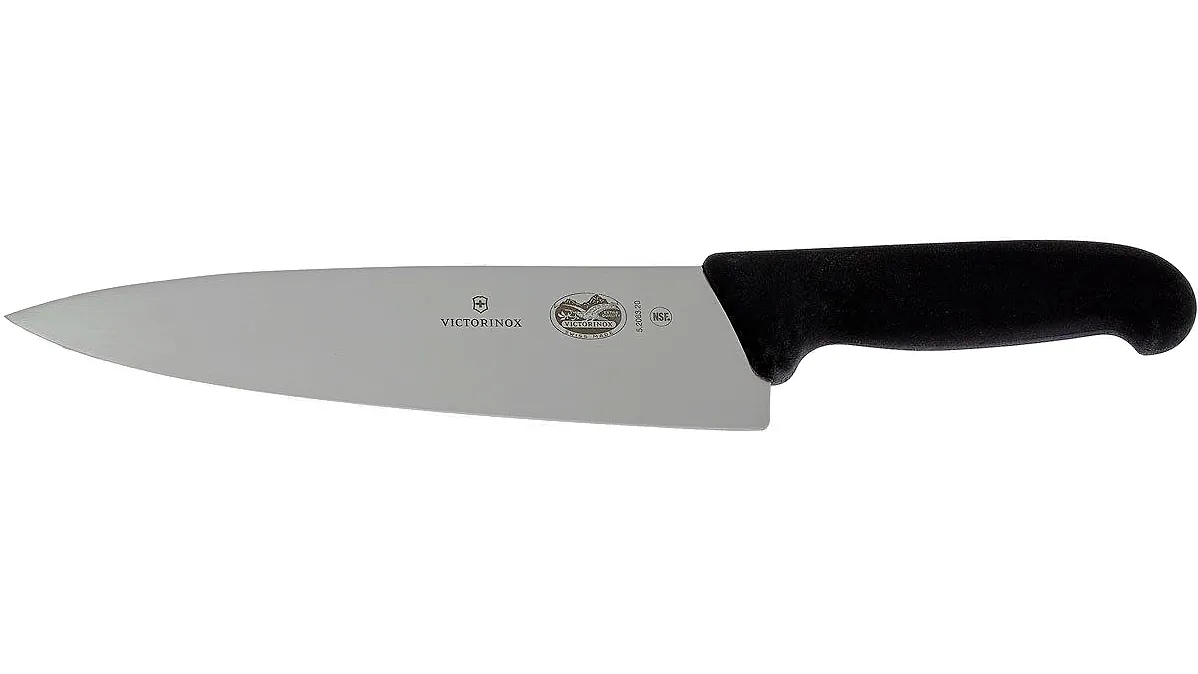
General chopping with a wide chef knife
Victorinox Fibrox Pro 8-inch Chef Knife
Browning and finishing sauces in a 12-inch stainless steel pan
Tramontina Signature 12-inch Tri-Ply Clad Fry Pan
Taste for ripeness, then choose the dish
A firmer, less sour batch can be particularly satisfying as a side, where the cabbage retains its own texture and the seasoning feels lively. As a batch becomes more assertively sour, cooking offers another direction. Korean cooking teacher Maangchi specifically calls for well-fermented kimchi in both kimchi fried rice and kimchi stew. That is a useful distinction to learn from those dishes, rather than a reason to treat every older jar as a problem requiring rescue. Sourness can be an intended ingredient.
Choose the meal before adjusting the kimchi. If a stew needs that sour backbone, follow a kimchi-jjigae recipe designed around it. If the goal is a crisp accompaniment, serve a portion directly and keep the main dish less forceful. Do not try to make an unsuitable or spoiled product usable by cooking it. Follow the producer's storage and opening instructions, and discard food that shows signs of spoilage. Fermentation knowledge and ordinary safe handling belong together; a strong flavor alone is not a complete assessment of a jar.
Manage the liquid in fried rice
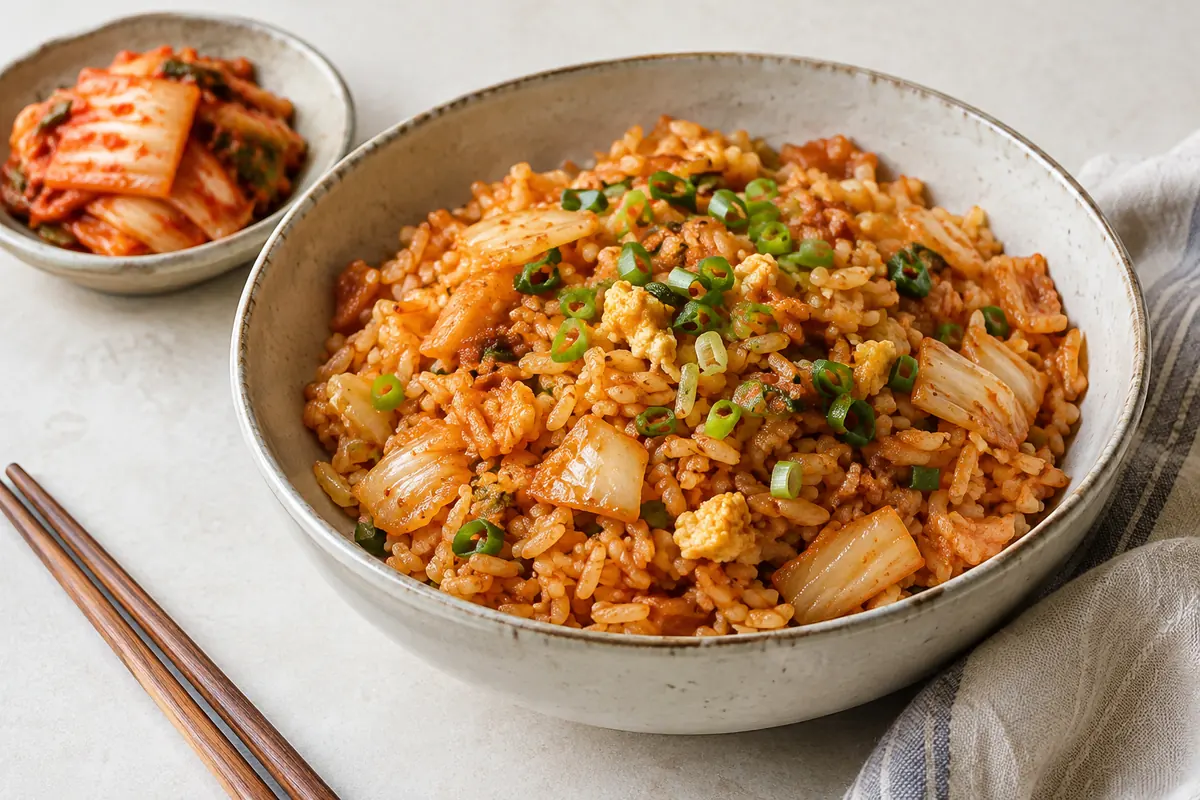
Kimchi fried rice needs cabbage flavor without turning every grain into a wet clump. Lift out the amount of kimchi you want, chop it into pieces that distribute through a spoonful, and reserve the liquid separately. This gives you control of two contributions. Cabbage can cook in the pan while its moisture reduces; the reserved juice can season the rice in measured additions. Dumping a very wet scoop into a crowded pan makes that control much harder, especially when other vegetables are releasing water at the same time.
Use a skillet with enough working room for the quantity, and divide a large batch rather than piling everything into a small cooking surface. A broad pan and a spatula are more useful here than an elaborate appliance. Break up safely stored cooked rice before adding it, so there is less pressure to mash it while stirring. Follow a reliable recipe for the cooking sequence and seasoning amounts. The aim is rice carrying kimchi through the bowl, with cabbage pieces still recognizable, rather than a red sauce poured around plain rice.
Keep the chopping and serving utensils separate from anything used for raw meat. A rice dinner often involves several quick tasks at once, so set out the clean plate and finishing bowl before the pan is busy.
Let a stew keep its own identity
The broth in kimchi-jjigae is a different setting for the same cabbage. Liquid is part of the design, so the sour kimchi and its juice can help establish the stew's character. Use a Korean recipe that states its broth and protein choices rather than adding random pantry leftovers until the dish becomes difficult to season. Anchovy stock, pork, tofu, and other variations have different roles. Changing one of them may be practical, but it also changes what the pot contributes to dinner.
Taste the broth after the ingredients have cooked as directed before adding more salty condiments. Kimchi, broth ingredients, and any prepared paste may all contribute salt. A bowl of rice alongside gives the stew somewhere to go and changes the balance of a bite. If the dish feels too sharp, first consider whether it needs the recipe's remaining ingredients or more time within the stated method. A large spoonful of sugar can flatten the very sourness you selected the kimchi to provide.
Keep a finishing portion separate
A meal can use cooked kimchi and a fresh finishing portion without making everything taste identical. Fried rice may take the softer, sour cabbage from one jar while a small dish of a firmer batch stays on the table. Alternatively, serve a plain egg, rice, and a modest side of kimchi, letting each person combine mouthfuls. Put the serving portion in its own dish with a clean utensil. Repeatedly reaching into the storage jar while cooking makes it harder to keep that jar clean.
For toast, sandwiches, or a bowl with dressed vegetables, pay particular attention to drainage. Wet cabbage between bread slices can overwhelm the bread before lunch. Lift and drain a portion, cut it to suit the bite, and assemble near eating. The reserved liquid can have a separate use in a recipe rather than being forced into the sandwich. A layer of rice or another substantial base can absorb some seasoning, but it is still worth tasting the whole combination before adding another salty sauce.
Buy an amount with a second meal in mind
A large jar becomes a more sensible purchase when two meals already have a place for it. Plan one straightforward side-dish meal and one cooking project that suits a more sour flavor. You might begin with rice, vegetables, and kimchi, then use another portion in a recipe for fried rice. This is a flexible shopping plan, not a promise that every jar will change at the same rate. Product formulation, temperature, and time affect its condition, so keep following its label rather than using a fixed household countdown.
Keep the supporting equipment proportionate. A sharp chef's knife makes long cabbage pieces easier to distribute, and a wide skillet supports a modest rice batch. A lidded food container is useful for a serving you are taking elsewhere, provided it stays under appropriate refrigeration. Buying a special fermentation vessel is unnecessary when the task is cooking with purchased kimchi. Learn what you like about the ingredient before buying equipment for a completely different project, such as making a large batch from scratch.
Choose where the cabbage and its juice belong
Use the cooked dish to choose the next serving arrangement. In fried rice, chopped cabbage should distribute through the grain, with juice added only as the recipe requires. In stew, that liquid can contribute to the broth's sour character. A firmer finishing portion can stay in a separate small dish beside either meal. Keep its serving utensil clean and out of the main storage jar. These placements let the same ingredient supply three different sensations: seasoned rice, a sour broth, and a cooler bite of cabbage between spoonfuls.
On the next dinner, change the placement before increasing the quantity. A small cool portion on the side can provide more contrast than a much larger amount stirred through everything. A deeply sour portion may make a more coherent stew than a barely fermented one, while a firmer batch may be worth leaving alone. Kimchi does not need to cover the whole meal to matter. Choosing when it cooks, when it stays separate, and how much liquid reaches the plate gives it a clear, satisfying purpose.