Make the salad answer the meal
Cabbage is a particularly useful starting point because it gives the bowl structure. Pinterest included cabbage in its 2026 trend forecast, drawing on its platform's global English-language search data. That is a reason to explore the ingredient, not a reason to turn every salad into a trend claim. In the kitchen, the important questions are familiar: how finely to cut it, how much dressing it needs, and what will make you want another forkful beside the food you are serving.
Put it to work
Useful tools, at a glance
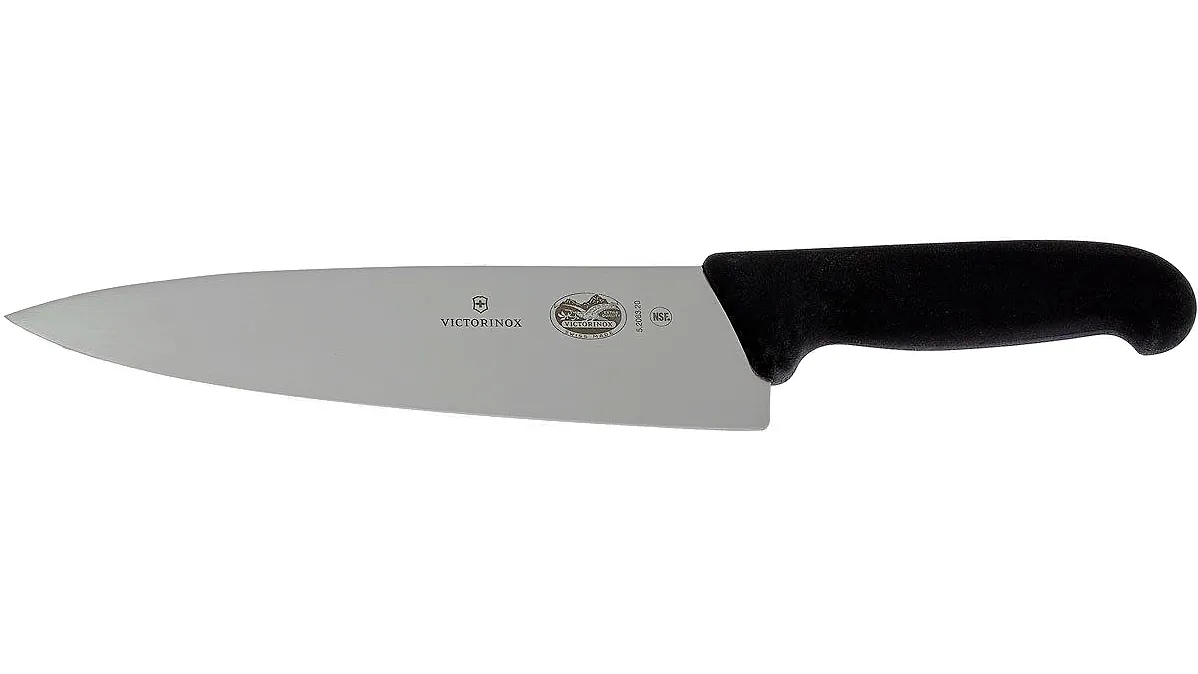
General chopping with a wide chef knife
Victorinox Fibrox Pro 8-inch Chef Knife
Cut the base for comfortable eating
Large tough pieces can make a salad tiring to chew, while very fine shreds may soften quickly. Choose a cut for the cabbage and the intended serving time. Remove parts the recipe identifies as unsuitable, wash produce appropriately, and use a stable cutting board. A sharp knife can give you control without requiring a separate shredding appliance. Keep fingers clear and work at a pace that lets you make consistent pieces. The aim is a salad that gathers easily on a fork.
Carrots, apples, and other additions should fit the same eating scale. Thick chunks among fine shreds can fall to the bottom of the bowl or dominate the bite. Matchsticks, thin slices, or grated pieces each give a different texture. Choose deliberately rather than using every cutting style at once. If you use a food processor, follow its assembly and feeding instructions and assess whether the small batch justifies the cleanup. For many salads, a good knife and a few extra minutes are enough.
Use sweetness as a contrast, not the whole story
Apple, pear, or a little dried fruit can soften the edge of bitter greens or sharp cabbage. The amount matters. A salad meant to refresh a rich dinner can become unexpectedly sweet if fruit and a sweet dressing both dominate. Taste the fruit first, then decide what the dressing should supply. A tart apple and a sweet apple do different work even when sliced the same way. Keep the pieces small enough that the fruit appears in the bowl as an accompaniment rather than an entirely separate course.
If you prepare fruit ahead, follow a suitable recipe's advice for maintaining quality and store it appropriately. Do not add so much citrus juice to prevent browning that it changes the entire dressing without notice. Sometimes cutting the fruit closer to serving is the simpler answer. Think about the meal's sequence and choose a preparation that fits it. The salad should be a manageable fresh component, not another item that requires continuous correction while the hot food is trying to finish.
Make the dressing clear and adjustable
Start with the flavor you need beside the main dish. A mustard vinaigrette can bring acidity and a little body; a creamy dressing can soften a sharper vegetable; citrus can give a different aromatic direction. Mix a modest amount and taste it on a piece of the actual vegetable. Dressing tasted alone can seem more forceful than it does across a large bowl. Add gradually and toss thoroughly before deciding the salad needs another pour. The bottom of the bowl should not become a hidden reservoir of dressing.
Season after considering salty additions such as cheese, olives, or a packaged condiment. Our dressing guide explains how a whisk or jar can combine ingredients for different textures. Use a clean jar with a secure lid if shaking, and keep handling appropriate for any perishable ingredients. A dressing that separates may simply need recombining before use; it does not necessarily need another thickener. The practical goal is an even coating that makes the vegetables appealing while leaving their individual textures recognizable.
Choose the moment to dress
Sturdy vegetables and tender leaves do not need identical treatment. A cabbage-based salad may be designed to rest with its dressing, while a delicate leafy addition may be better folded in close to serving. Follow the chosen recipe and consider the texture you want at the table. If you are making lunch for later, packing dressing separately can be useful, but it is not automatically the best answer for every slaw. A planned rest can be part of the dish rather than an unfortunate delay.
Keep crunchy toppings separate until they are wanted. Nuts, seeds, croutons, and crisp bread can lose their appeal when left against a wet dressing for hours. Add the amount needed for the current bowl and store the remainder correctly. Check allergens and the needs of the people eating before selecting those extras. A seed is not a universal substitute for every nut in every setting. Choose a topping for flavor and texture, then make its ingredients easy to identify.
Give lunch enough substance
For a main-meal salad, add something that changes the bowl from an accompaniment into a satisfying plate. Beans, an appropriate cooked grain, or another substantial ingredient can do that job without burying the vegetables. Consider temperature and moisture: a hot addition may wilt tender greens, while a very wet one can dilute the dressing. Let each component reach the condition the recipe intends before assembling. Keep safe cooling and storage in the plan for any cooked foods you prepare ahead.
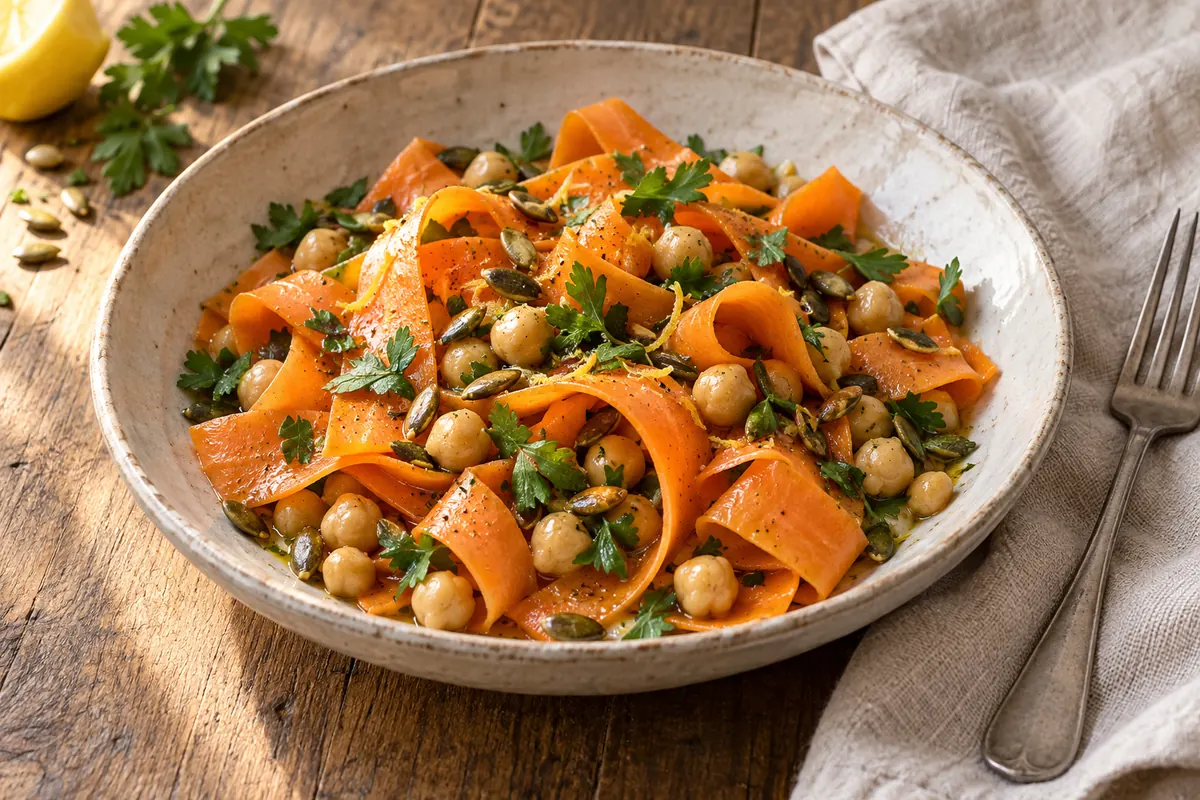
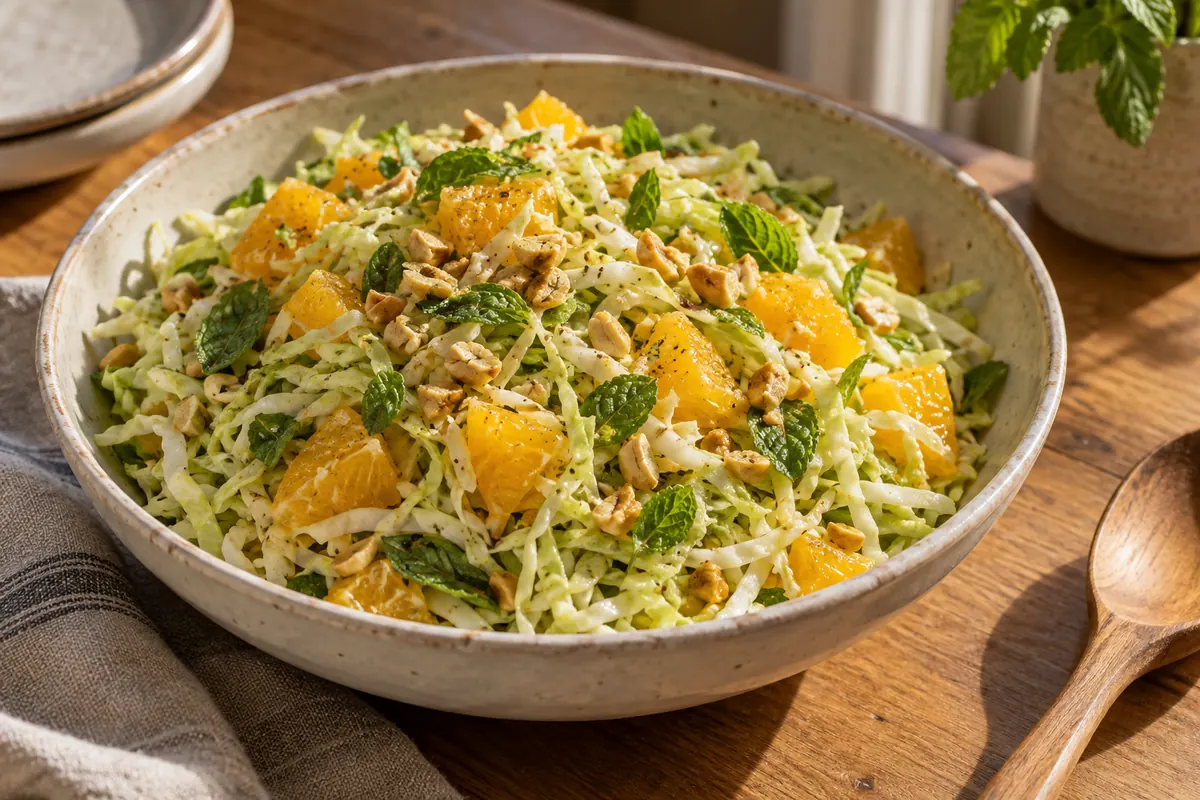
Use the bowl's textures to guide proportions. If the beans are soft, keep enough crisp vegetable to provide contrast. If a grain makes the salad dense, add a bright element rather than simply increasing the dressing. Our carrot-chickpea salad offers a specific recipe in this direction, while the citrus cabbage salad works as a distinct vegetable-focused option. Keep their methods intact when cooking them, and use this planning framework to decide which one belongs beside the rest of your meal.
Make the washing and storage work for you
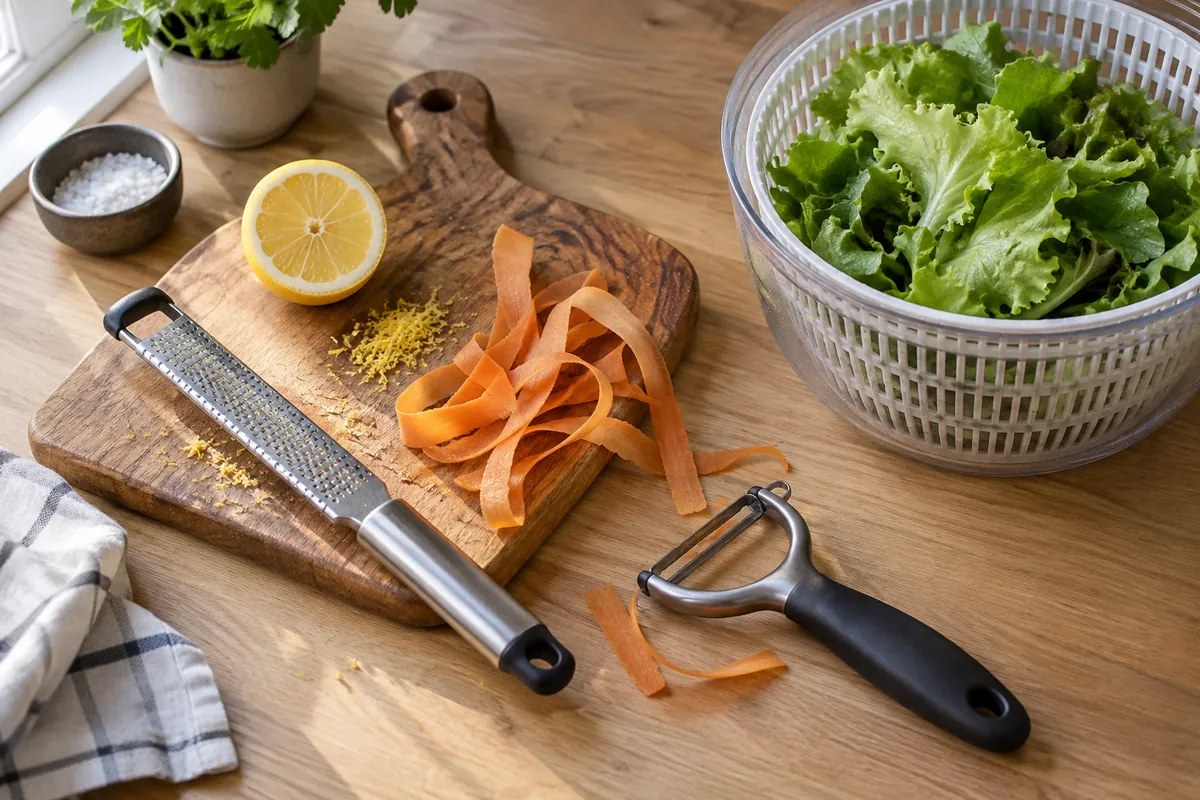
Drying washed leaves can help a dressing coat rather than slide away in diluted puddles. A salad spinner is useful for people who prepare greens often, but it needs to fit the amount you actually wash and the cupboard where it will live. Our verified spinner comparison discusses two different mechanisms and sizes. Do not buy the largest bowl simply because a salad is planned for the weekend. A manageable tool you can clean and store easily is more likely to become part of an ordinary routine.
Prepare only as far ahead as the ingredients and recipe allow. Keep perishable components refrigerated and store chopped produce in suitable containers. Set aside a portion before dressing if that gives tomorrow's lunch a better texture, while still following the recipe's handling guidance. Label cooked additions with their dates rather than allowing the salad to obscure how long they have been stored. A fresh-looking bowl is not evidence that every ingredient inside it has been handled correctly.
Keep a few seasonal combinations in rotation
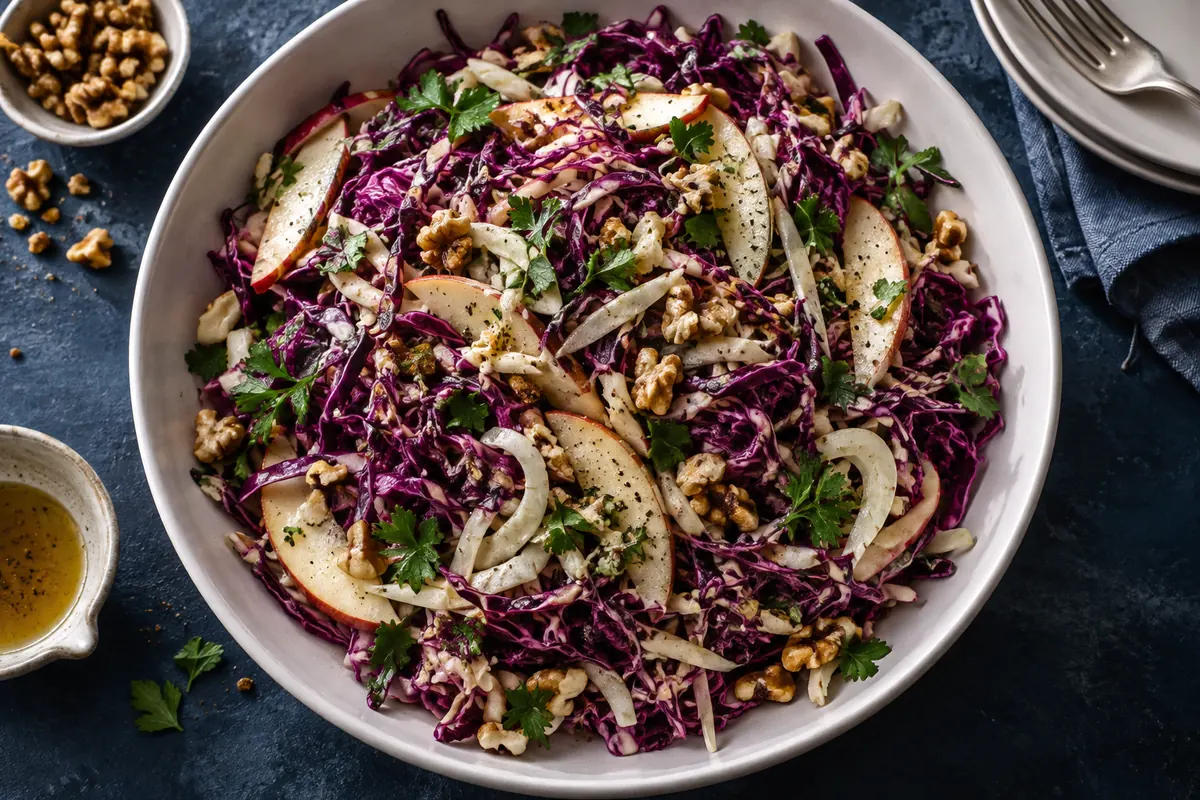
For northern-hemisphere autumn and winter meals, cabbage with apple, carrot with chickpeas, or greens with roasted vegetables can be useful directions. Availability and quality vary by place, so choose the produce that is good where you shop rather than assuming one calendar fits everyone. The seasonal appeal is practical: sturdy vegetables can provide contrast alongside the warm foods many households choose in cooler weather. It does not require a claim about measured search growth for each combination.
Serve the salad according to its role. A sharp cabbage-and-apple bowl can sit in a modest portion beside a rich roast, while a carrot-and-chickpea version can carry lunch with bread. Keep a dry crunchy finish outside the dressed bowl until serving, and leave extra dressing available rather than collecting it beneath the vegetables. If fruit dominates a bite, change the proportion before adding another sour ingredient. The aim is a crisp forkful that refreshes the meal, with pieces small enough to gather comfortably and enough substance when the salad is the main dish.
Keep in mind
Dress according to the vegetable and recipe; sturdy slaws and tender leaves have different needs.
Add crisp toppings near serving when the recipe calls for retaining their crunch.