A finished plate does not always make a good frozen package
Whole Foods Market's 2026 forecast highlights more ambitious prepared foods in the freezer aisle. That is a retail prediction, not evidence that any homemade dish will emerge unchanged after freezing. At home, the useful lesson is to plan the complete eating experience. A well-seasoned bean casserole or a pot of soup can be an excellent foundation. A little herb, fresh vegetable, or crisp topping added at serving can restore the contrast that made the original dinner appealing.
Put it to work
Useful tools, at a glance
Mixed quantities of leftovers stored in glass
Pyrex Simply Store Glass Storage Set, 18 Pieces
Choose a dish with a forgiving center
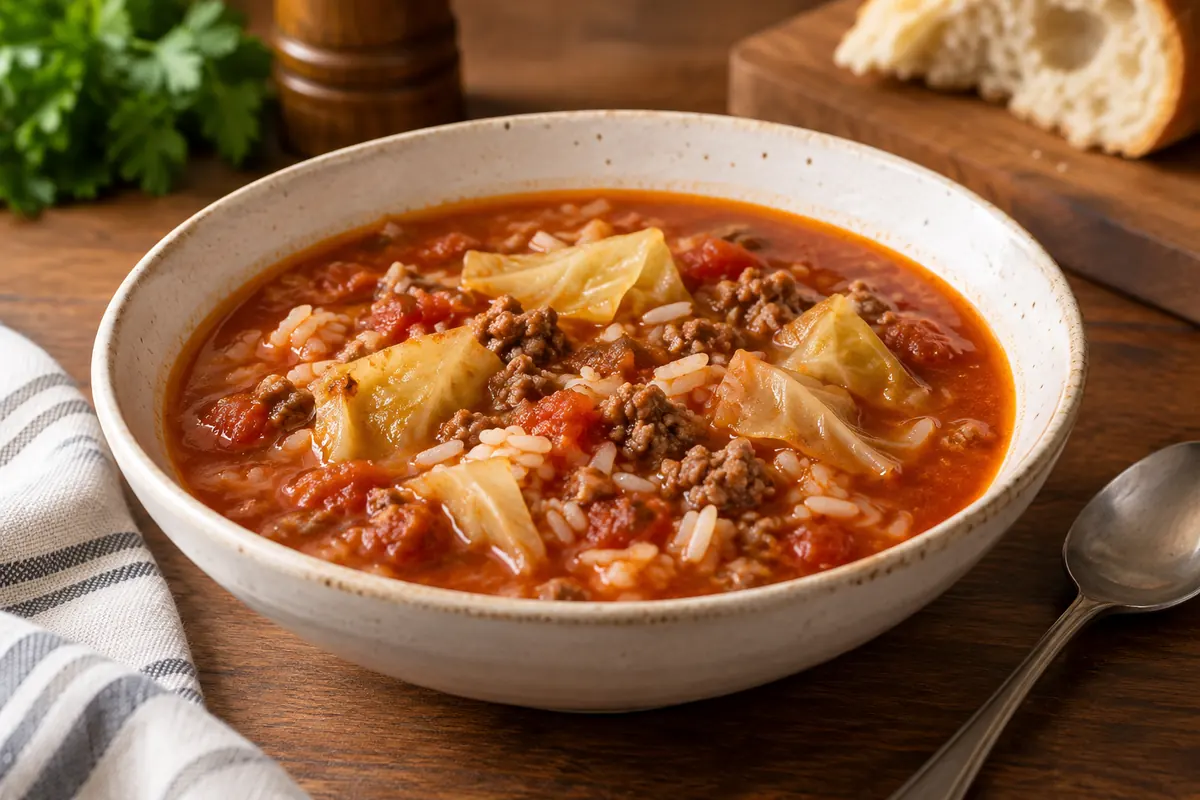
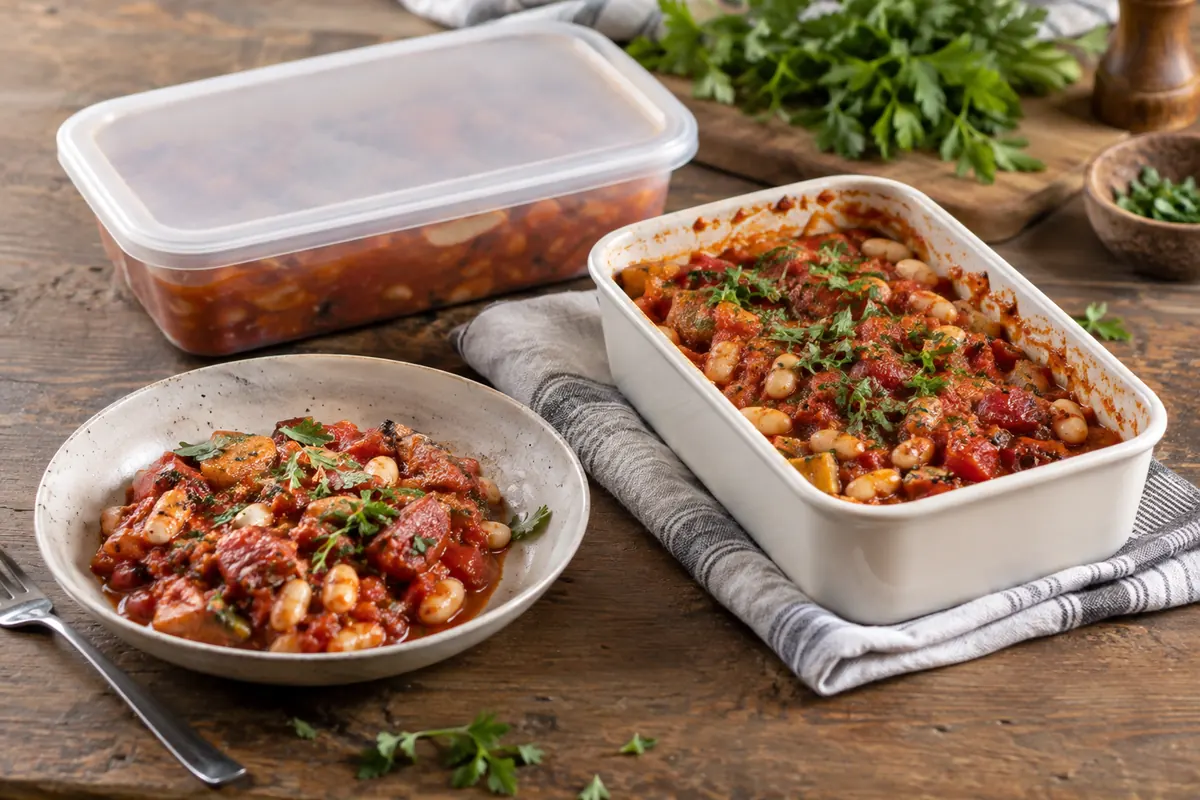
Soups, stews, and many saucy bean dishes are natural candidates because softness is already part of their appeal. They can tolerate a change in texture more gracefully than a dish built around delicate raw leaves or a crisp crust. A tomato-and-bean casserole may be more dependable than a fully assembled salad. This does not mean every soup freezes identically. Pasta, dairy, vegetables, and starches can each change the result, so use a recipe with clear freezing instructions when possible.
Consider freezing a concentrated base without the most fragile addition. A soup can receive fresh noodles later. A bean filling can take a newly toasted breadcrumb topping before baking or serving. A sauce can meet freshly cooked pasta instead of carrying pasta through freezing, thawing, and reheating. These small separations preserve more control. They also let a frozen portion become more than one dinner, which is useful when you do not know exactly what the household will want next week.
Portion for the way you reheat
A family-sized block and a single lunch require different containers and different reheating time. Freeze the amount you are likely to use in one session. A shallow portion can be easier to heat evenly than a deep, dense one, while a container with room to stir suits soups and stews. Follow the container manufacturer's instructions for freezing, expansion space, thawing, and heating. Glass that is suitable for food storage is not automatically suitable for a sudden move from freezer to a hot oven.
Leave a clear label with the contents, date, and any finishing step. A note such as add fresh parsley or cook pasta separately prevents the frozen portion from feeling incomplete later. Keep instructions concise enough to use when tired. If a dish requires a long sequence to become edible after thawing, it may not be the convenience food you intended. The best portion is recognizable, appropriately sized, and paired with a reheating method that fits the equipment actually available.
Cool safely before making a freezer project
Do not leave a large pot on the counter for hours while waiting for it to become cold enough to package. Divide cooked food into shallow containers and refrigerate promptly, within two hours or one hour when the surroundings are above 90°F. Keep the refrigerator at 40°F or below. Once the food is appropriately chilled, freeze the portions you intend to keep longer. The freezer is a storage tool, not a way to make food safe again after a long period at room temperature.
Keep the work manageable. A few portions from a normal dinner can be easier to cool and label than a huge batch that overwhelms the refrigerator. Avoid packing the appliance so tightly that cold air cannot circulate. Freeze later-use portions early rather than treating the last day of refrigerator storage as the default moment to decide. A clear plan protects both food quality and your future time. You should be able to identify what was cooked, when it was stored, and how it will be reheated.
Reheating needs an endpoint beyond bubbling edges
Thaw safely in the refrigerator when the recipe calls for thawing, or follow a suitable method for reheating from frozen. Do not thaw perishable meals on the counter. Reheat leftovers to 165°F and check more than the hottest edge, especially with dense casseroles and microwave portions. Soups, sauces, and gravies should reach a rolling boil when reheated. A food thermometer makes the endpoint clearer than guessing from steam rising from one corner of the dish.
Microwaves can heat unevenly, so stirring, rotating, covering appropriately, and allowing the directed standing time matter. Vent the container as instructed and protect yourself from hot steam when opening it. For an oven meal, follow the recipe's covering and finishing stages so the center heats before the surface becomes too dark. Adding a little suitable liquid may help a thick stew, while an uncovered final stage may restore some surface dryness. Choose the adjustment for the dish rather than applying the same reheating routine to every container.
Keep the final contrast outside the freezer
Fresh herbs, a squeeze of lemon, toasted seeds, or a small salad can make a reheated meal feel more complete. Choose a finish that is easy enough to prepare on the evening you need the frozen food. If the only way to enjoy a portion is to make a complicated sauce and three side dishes, the plan needs simplifying. A bean bake with bread and parsley may be enough. A soup with a newly cooked handful of noodles can provide a different texture without much extra work.
Store crisp toppings separately and add them only when serving. Breadcrumbs already mixed into a wet dish will not remain crisp simply because they were toasted before freezing. Leafy garnishes can darken and soften, while raw watery vegetables may lose their fresh bite. Sometimes the most useful choice is to change the presentation: turn a softened vegetable filling into a spoonable bowl rather than expecting it to behave like a fresh salad. Work with the texture that freezing can preserve, then supply the missing contrast later.
Build a small freezer menu you will finish
A small freezer menu can cover three different evenings without preserving a complete plated meal. Freeze a tomato-and-bean base for a dinner finished with fresh toast, a vegetable soup that will receive separately cooked noodles, and a suitable casserole filling whose crumbs stay outside the container. Portion each for the way it will return to the table. The soup needs stirring space, the filling needs a baking dish, and the bean base needs only a saucepan and a fresh accompaniment. Keep their separate reheating instructions with the portions.
Keep a simple inventory and use older portions while they still taste good. Continuously frozen food at 0°F remains safe, but quality declines, and an unknown container is unlikely to become anyone's first choice. Freezer cooking works best when it shortens the path to a dinner you want. Freeze the forgiving center, label the real serving size, and save a fresh finish for the table. That approach treats texture as part of the plan instead of a surprise discovered after reheating.
Keep in mind
Freeze the meal's sturdy base and add crisp or delicate components later.
Follow container instructions before moving glass between freezer and heat.