Prepare an ingredient, rather than the same dinner five times
Beans and other pantry staples fit the broader attention to fiber-containing foods in Whole Foods Market's 2026 forecast. That is an adjacent editorial signal, not proof of measured search growth for every lentil dinner. The cooking advantage is more concrete. Lentils do not generally require the soaking used for many dry beans, and different varieties offer a useful choice between intact pieces and a soft, thickened base. Pick the right kind before deciding what a batch can become.
Put it to work
Useful tools, at a glance
Mixed quantities of leftovers stored in glass
Pyrex Simply Store Glass Storage Set, 18 Pieces
Start with a variety that suits the plan
Brown, green, and small firm lentils can work when you want recognizable pieces in salads or bowls. Split red or yellow lentils tend toward a softer result, making them better candidates for soups and other dishes where that texture is welcome. They are not interchangeable simply because the bags stand together on the shelf. Read the package, inspect the lentils, rinse as directed, and note the suggested cooking time for the particular variety you bought.
If the plan includes both a salad and a thick soup, you can start with intact cooked lentils and later mash a portion into the soup. Going in the opposite direction is harder. Lentils cooked until they have collapsed cannot be restored to separate little pieces. That makes a firm variety a flexible choice for a first batch. The aim is fully tender lentils that keep enough structure for gentle handling, not a deliberately undercooked ingredient that will have to finish unpredictably in every later dish.
Keep the first pot simply seasoned
Use a pot with room for the lentils to move and enough liquid for the cooking method you choose. A bay leaf, a garlic clove, or a piece of onion can supply a quiet background without assigning every later dinner the same strong flavor. Check tenderness by tasting a few lentils as they approach the package's suggested time. Cooking time changes with variety and storage, so a printed minute count is a useful checkpoint rather than an absolute finish line.
Maintain a gentle simmer and drain excess liquid if the intended first meal needs separate lentils. Reserve a little suitable cooking liquid if you want to use it in a soup. Add stronger sauces and acidic dressings after the lentils have reached the texture you want, following the recipe for a particular dish. A plainly cooked batch may taste unfinished on its own. That is acceptable when its next job is joining a well-seasoned meal, rather than being served as the complete dish without another adjustment.
Make the first dinner warm and spoonable
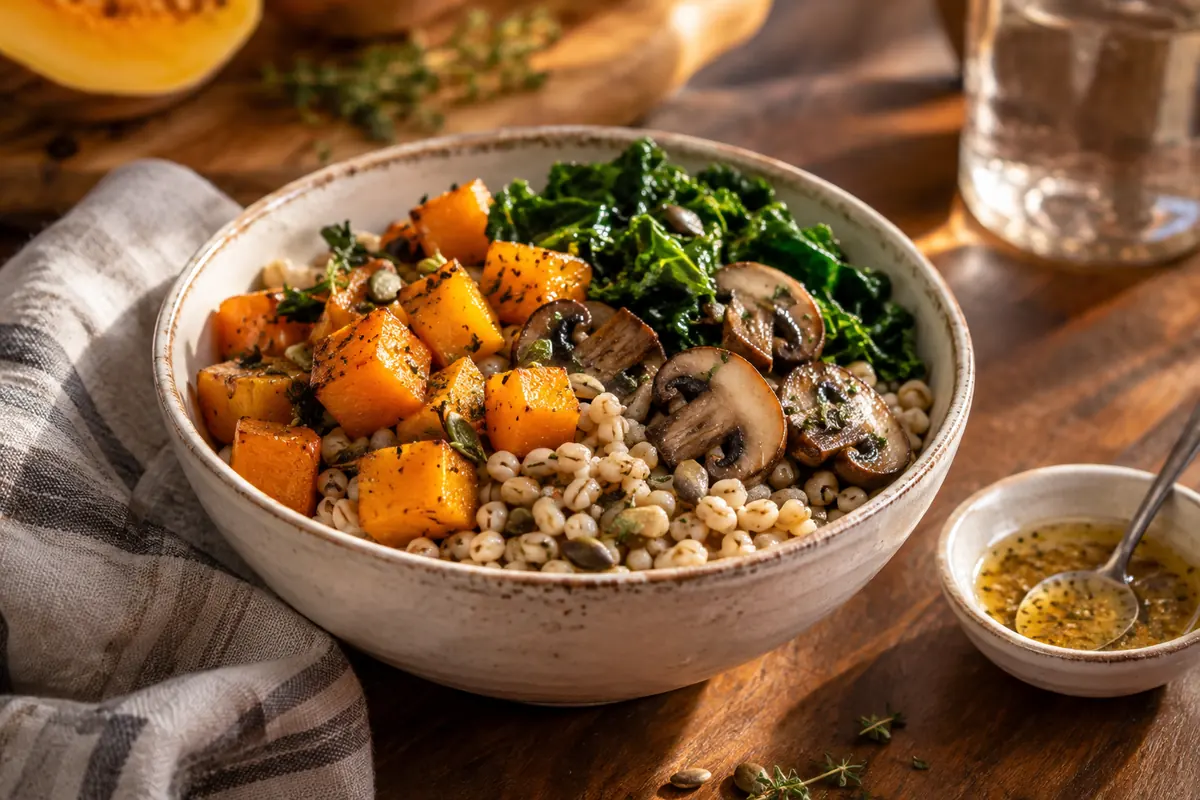
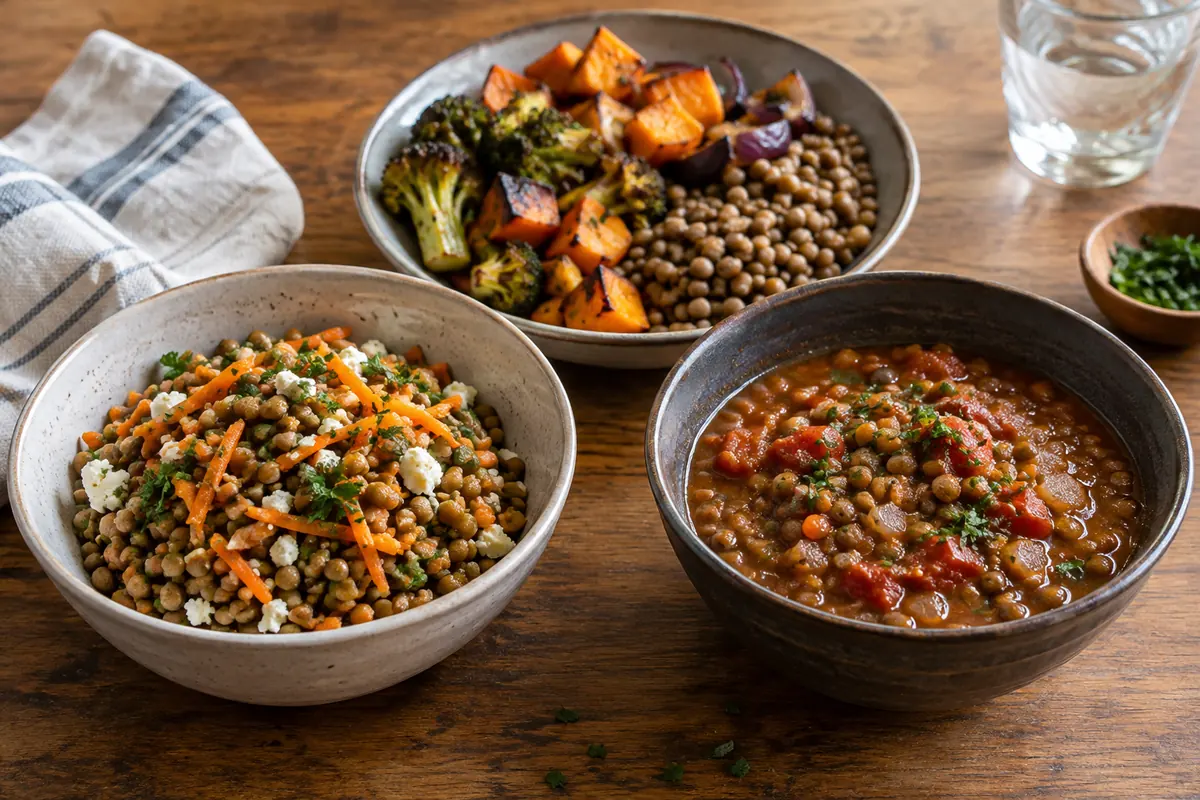
Freshly cooked lentils can become a warm bowl with roasted vegetables and a thin dressing. Carrots, cabbage wedges, or squash offer a contrast between sweet browned surfaces and the lentils' earthier flavor. Let the vegetables roast separately so their moisture does not turn the lentils into a stew unless that is the intention. Add a spoonful of yogurt or tahini sauce if it suits the meal, and keep a little fresh acidity available for the final taste.
For a brothy dinner, warm a portion in a suitable stock with cooked vegetables and an aromatic base. The lentils are already tender, so they do not need to survive an hour of further boiling. Add them late enough to keep the texture you want. Bread can make the bowl feel more complete, while a crisp herb or vegetable accompaniment prevents every component from being soft. This first meal uses the batch at its simplest, leaving the remaining portions available for another direction.
A salad changes both temperature and contrast
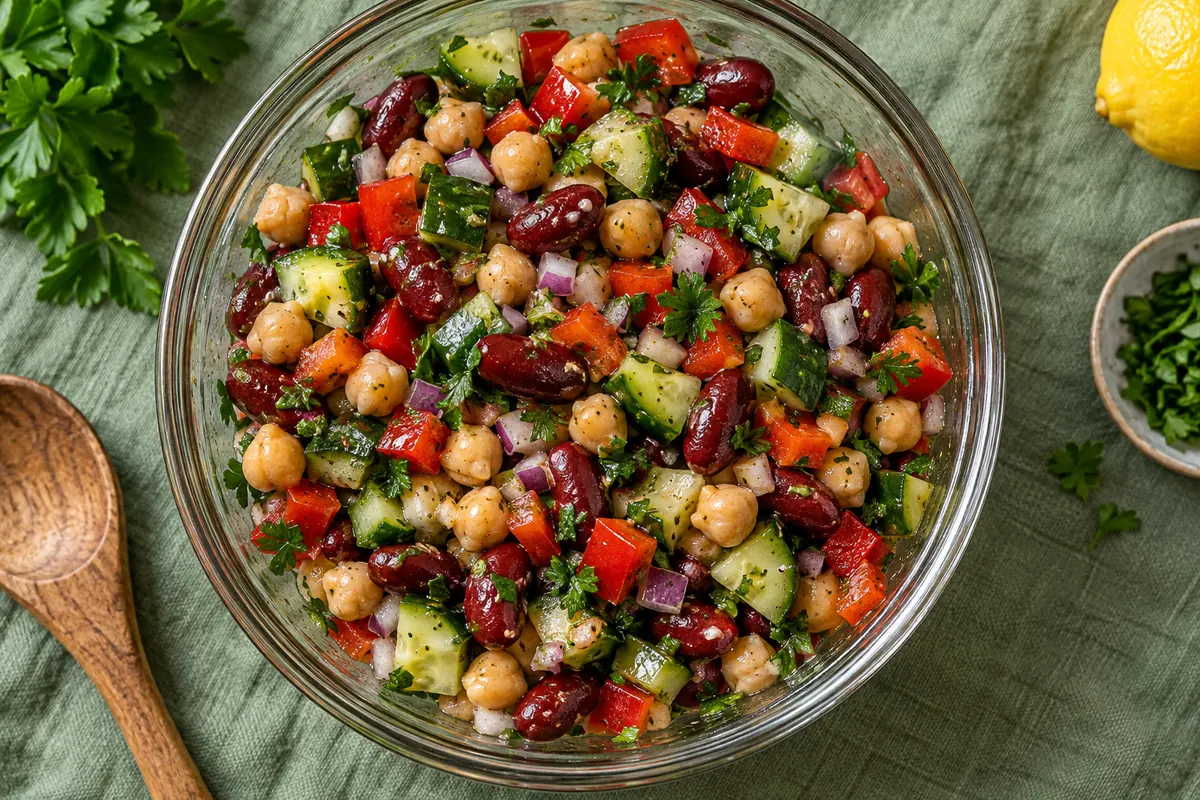
For a cold or gently warm salad, drain lentils well and combine them with a dressing that has enough acidity and salt to be noticeable beside their mild flavor. Chopped celery, radish, or another crisp vegetable can supply a different texture. Keep very watery ingredients separate if the salad must wait. A few herbs added near serving give a fresher impression than a large amount mixed into the entire batch several days earlier.
Taste a complete spoonful rather than each component in isolation. Lentils, onion, and dressing can each seem pleasant but become too sharp when combined. If the salad feels heavy, a little more crisp vegetable may be more useful than a larger quantity of oil. A cooked grain can extend the salad, although it also changes its balance and storage needs. Choose it because you want the combination, rather than using a large scoop merely to make the container look full.
Turn another portion into sauce or filling
Cooked lentils can join a tomato sauce with onion, garlic, and herbs, giving the sauce a substantial texture for pasta or a baked potato. Simmer long enough for the flavors to come together, then judge the thickness. Mash a small portion if you want the sauce to bind, while leaving some lentils intact. This is a lentil sauce with its own character, rather than a promise that every eater will mistake it for a meat sauce.
For a baked filling, combine lentils with properly cooked vegetables and enough sauce to keep the mixture pleasant under a potato or breadcrumb topping. Avoid a pool of thin liquid that will make the topping slide or turn soggy. A shallow baking dish suits a smaller portion and gives more surface area for browning. Follow a complete recipe for the bake and reheat any leftover components safely. The value of batch cooking is a shorter preparation stage, not permission to skip the final dish's cooking requirements.
Freeze the later part of the week
A plan for a week of meals should not mean leaving one container of cooked lentils in the refrigerator for seven days. Refrigerate cooked food promptly in shallow portions at 40°F or below and use refrigerated leftovers within three to four days. Freeze the portions intended for later meals early in the plan. A label with the date and portion size prevents a small tub from becoming an anonymous frozen object that stays behind everything else.
Freeze plain lentils with a little suitable moisture if that helps the intended dish, or freeze a completed soup according to its recipe. Thaw safely and reheat leftovers to 165°F, checking the center. Keep a simple list of the frozen portions where you plan meals. A portion assigned to next week's tomato sauce is more likely to be used than a vague surplus. Prepared lentils should create options, not a second inventory system that requires more effort than cooking them again.
Change the texture and the serving format
Changing the dish's structure gives the lentils a more substantial second use than changing a garnish. Drain a portion well for a chopped salad with celery, parsley, and mustard dressing. Keep another portion moist for a tomato sauce, where a few mashed lentils can help bind the mixture around pasta. A third portion can warm in broth with separately cooked greens. The first plate is cool and crisp, the second thick and coating, and the third loose enough for a spoon. Freeze the later portion within the storage plan.
The most useful batch is modest enough to finish and neutral enough to adapt. Start with one variety, one simple cooking method, and three destinations you genuinely want. Keep later portions frozen, finish delicate ingredients close to eating, and taste each new dish as a whole. Lentils then become a dependable piece of kitchen preparation. You have not committed to the same dinner for a week; you have removed one repetitive task from several different dinners.
Keep in mind
Use an intact lentil variety for a batch that must work in both salads and soups.
Freeze later-week portions early; cooked lentils are not a seven-day refrigerator plan.