Start with plain frozen florets
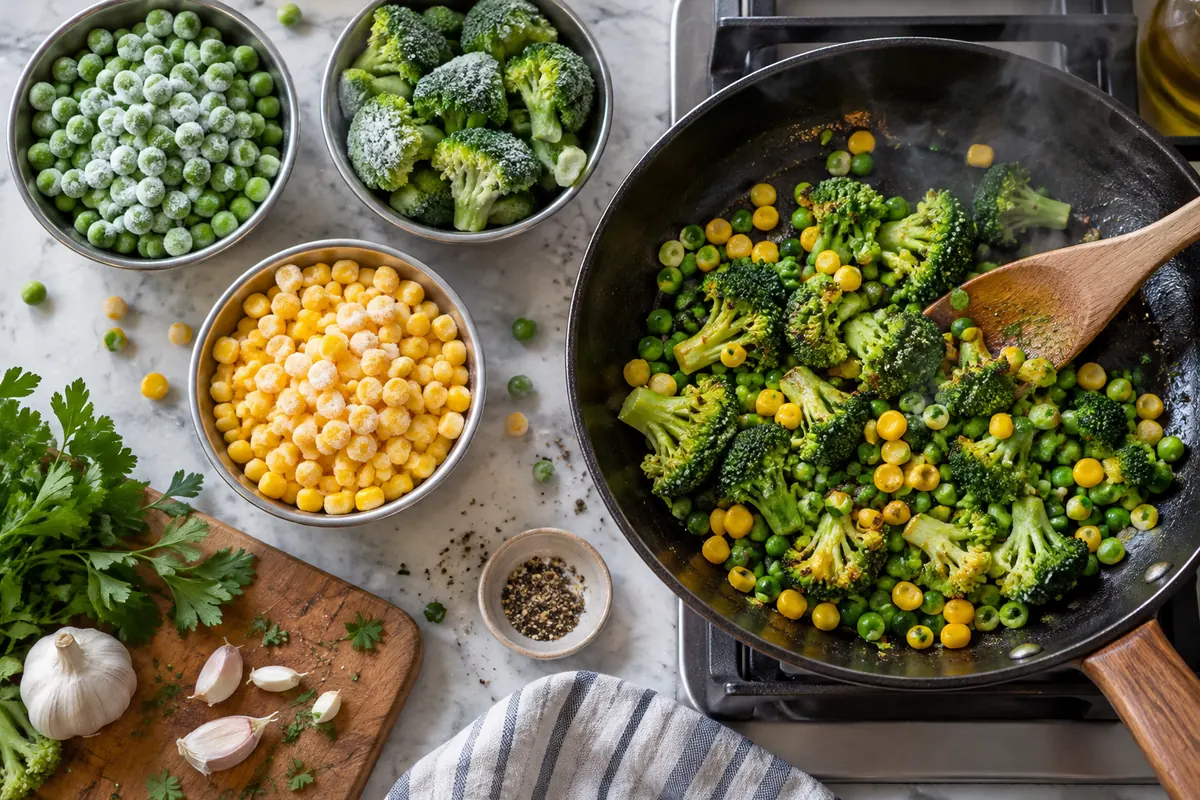
The cut matters. Small crowns with a short piece of stem are easier to roast evenly than a bag of tiny crumbs mixed with large stalks. Shake out loose frost and separate pieces that pull apart easily. Leave a stubborn frozen clump intact rather than hacking at it with a knife; separate it with a spatula after it softens in the oven.
Give water somewhere to go
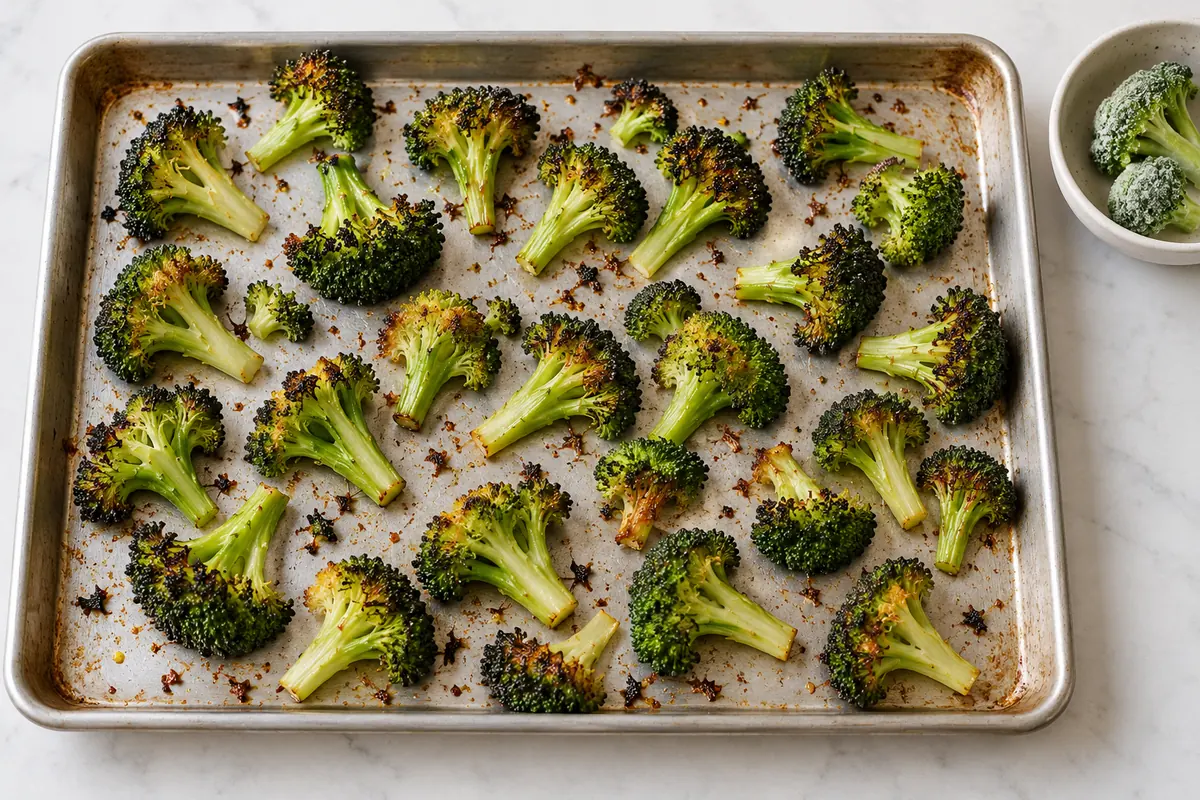
Heat the oven fully before putting in the tray. For plain florets, 425°F is a useful starting point; Birds Eye also uses that setting for its basic frozen-vegetable roasting method. Use a rimmed metal baking sheet and arrange the broccoli in one layer. A deep casserole dish holds the pieces close together and makes it harder for moisture to escape.
If the tray looks crowded before cooking, divide the broccoli between two trays or cook a smaller amount. Frozen vegetables release water as they warm. An oven does not make that water disappear immediately, and a heap of broccoli can steam long before any face browns. The empty spaces between florets are part of the cooking method, not wasted oven space.
Coat lightly, then leave the first face alone
Toss the frozen florets with enough oil to leave a light coating and a modest amount of salt. Do this on the tray or in a wide bowl so the oil reaches more than the top of the pile. Pour off any loose ice collected in the bag rather than scattering it over the vegetables. Avoid a heavy puddle of oil around the stems.
Set larger pieces on a cut side when their shape allows it. Let that first face cook before stirring. At about 18 minutes, look underneath one of the larger florets with a spatula. A browned face is a better reason to turn than a timer alone. If everything is still pale and wet, return the tray to the oven and check again shortly.
Finish by texture as well as color
Turn browned pieces and continue roasting until the thick stems are tender enough for the dinner you are making. A manufacturer method may finish in roughly 25 minutes, while a larger cut, a full tray or an oven that runs cool can take longer. Follow the package minimum cooking instructions and check the center of a substantial stem rather than judging only the feathery tips.
The tips can darken before a thick stalk softens. If that happens, turn the darkest pieces away from the hottest edge of the tray and lower the heat a little. Do not keep roasting every small fragment while waiting for one oversized stem. Remove cooked pieces and give the remaining ones more time. A little unevenness in a freezer bag needs a flexible finish.
Add wet flavorings after the browning
Lemon juice, yogurt, tahini sauce and a splash of soy sauce can all give roasted broccoli a direction. Add them after roasting, or serve them underneath, so the vegetables have a chance to brown first. Keep a sweet glaze for a short final stage and watch it closely. Sugar on the tender tips can burn well before the stems are ready.
For pasta, grain bowls or eggs, move the broccoli onto the plate as soon as it is ready. Leaving it piled on a hot tray lets steam soften the surfaces you just browned. If another part of dinner needs five minutes, spread the cooked florets loosely rather than covering them tightly. The result will still be tender frozen broccoli, with useful browned edges rather than a promise of deep-fried crunch.
Choose a tray for the amount you cook
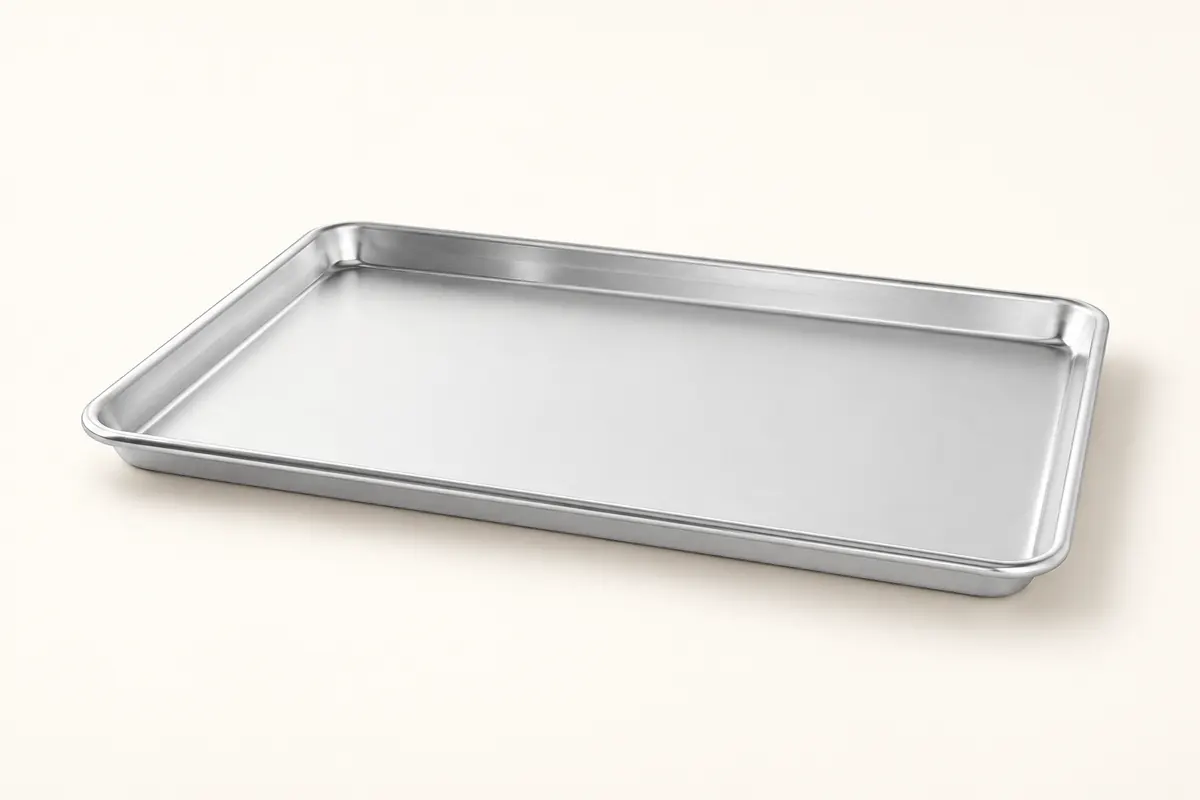
A plain half sheet is useful because its broad, shallow surface makes spacing easy. The Nordic Ware Naturals half sheet linked here is an uncoated option; measure your oven before choosing a tray. A smaller quarter sheet can suit one or two portions. The right size is the one that fits the oven and leaves the broccoli in a single layer.
Store leftovers promptly in the refrigerator. Reheat a small portion on a tray or in a skillet when browned edges matter; a microwave is convenient but will give a softer result. Use the remainder in soup or a rice bowl if crispness has already gone. There is little value in chasing the texture of the first serving after the broccoli has spent a night covered.
Keep in mind
Use the cooking directions for the actual frozen product, especially seasoned or sauced varieties.
Roasting time changes with floret size, tray loading and oven performance.