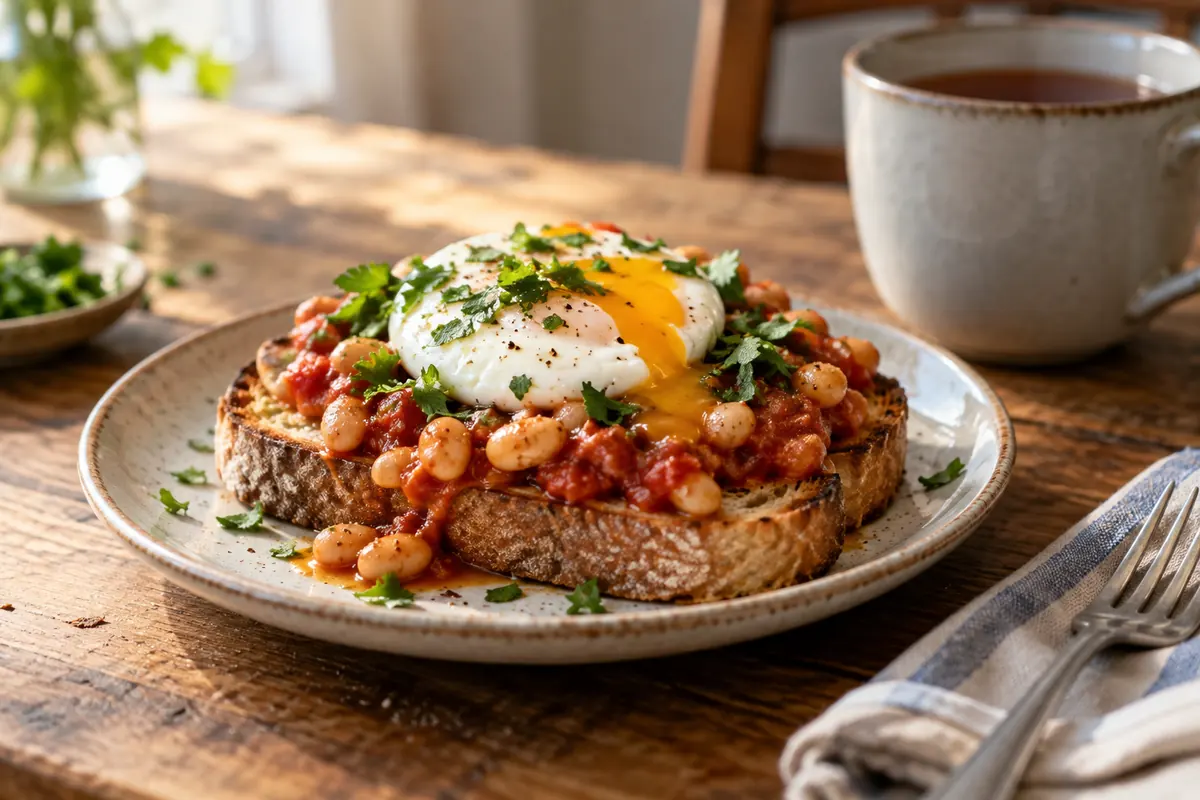
Breakfast can start with something already cooked
Whole Foods Market's 2026 forecast gives renewed attention to fiber-containing pantry foods, including beans. That retail forecast does not establish a search-volume claim for beans at breakfast, and a satisfying plate does not need one. The more immediate reason to try it is practical: a useful leftover can become a different meal. Choose flavors that suit the morning you actually have, whether that means tomatoes and toast, a small rice bowl, or plain beans with olive oil and herbs.
Put it to work
Useful tools, at a glance
Skillet sauces and ordinary browning in uncoated stainless steel
Tramontina Signature 10-inch Tri-Ply Clad Fry Pan
Choose beans by the texture of the plate
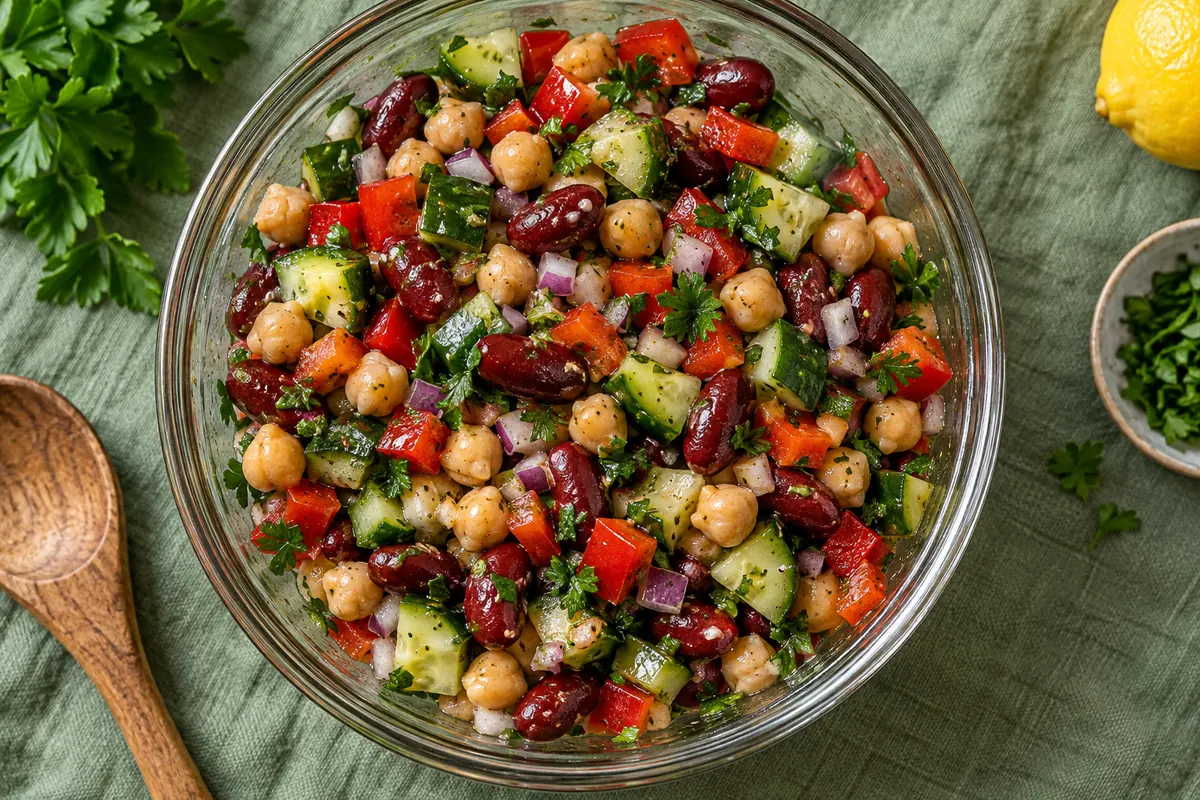
Soft white beans are easy to spoon over toast and can be lightly mashed into their cooking liquid. Black beans fit a rice bowl or a folded tortilla, especially when a little of their broth is retained. Chickpeas keep a firmer bite and may suit a chopped vegetable plate or a quick pan with greens. These are useful starting points rather than fixed cultural rules. The type of bean should match the texture you want and the food already available in your kitchen.
Canned beans make the idea accessible without a weekend cooking session. Drain and rinse when appropriate for the dish, then add fresh liquid and seasoning as needed. Check the label if you are using beans already packed in a sauce, since they may be sweeter, saltier, or more strongly seasoned than expected. Plain beans offer more freedom, while a prepared product can still be convenient when its flavor is one you enjoy. Taste before adding another concentrated condiment.
A little liquid makes reheating easier
Cold beans often appear much thicker than they did in the pot. Add a small splash of water, broth, or suitable reserved cooking liquid as you reheat them, stirring gently so the bottom does not catch. Use a saucepan that suits the modest portion. A huge skillet can evaporate the liquid before the center warms; a crowded small pan can heat unevenly. Reheat leftovers to 165°F, checking beyond the hot edge or surface.
Once the beans are hot, decide whether the plate needs a spoonable broth or a thicker topping. For toast, lightly mash a few beans and reduce excess liquid so the bread does not immediately collapse. For rice, a little more broth can be welcome. Finish with a small amount of fat, an acidic ingredient, or herbs if the original seasoning needs a lift. The goal is a well-seasoned serving, not a new sauce that takes longer than the entire breakfast.
Toast gives soft beans a useful edge
A substantial slice of bread can support a generous bean topping, while thin sandwich bread may suit a smaller spoonful. Toast it enough to create some resistance to the sauce, then assemble close to eating. A smear of butter, olive oil, or another spread adds flavor and changes the mouthfeel. It does not make the toast waterproof, so avoid pouring a large pool of bean liquid onto it and leaving the plate to wait while you finish everything else.
Tomato is a natural companion, whether that means a little leftover tomato sauce warmed through with the beans or fresh tomatoes served alongside. Add black pepper and a small herb finish, then taste. For an egg, cook it separately to the doneness required by your circumstances and use safe handling. The beans can remain the main savory element rather than becoming a tiny garnish beneath several richer toppings. A simple plate is easier to repeat on an ordinary weekday.
A breakfast bowl needs a different balance
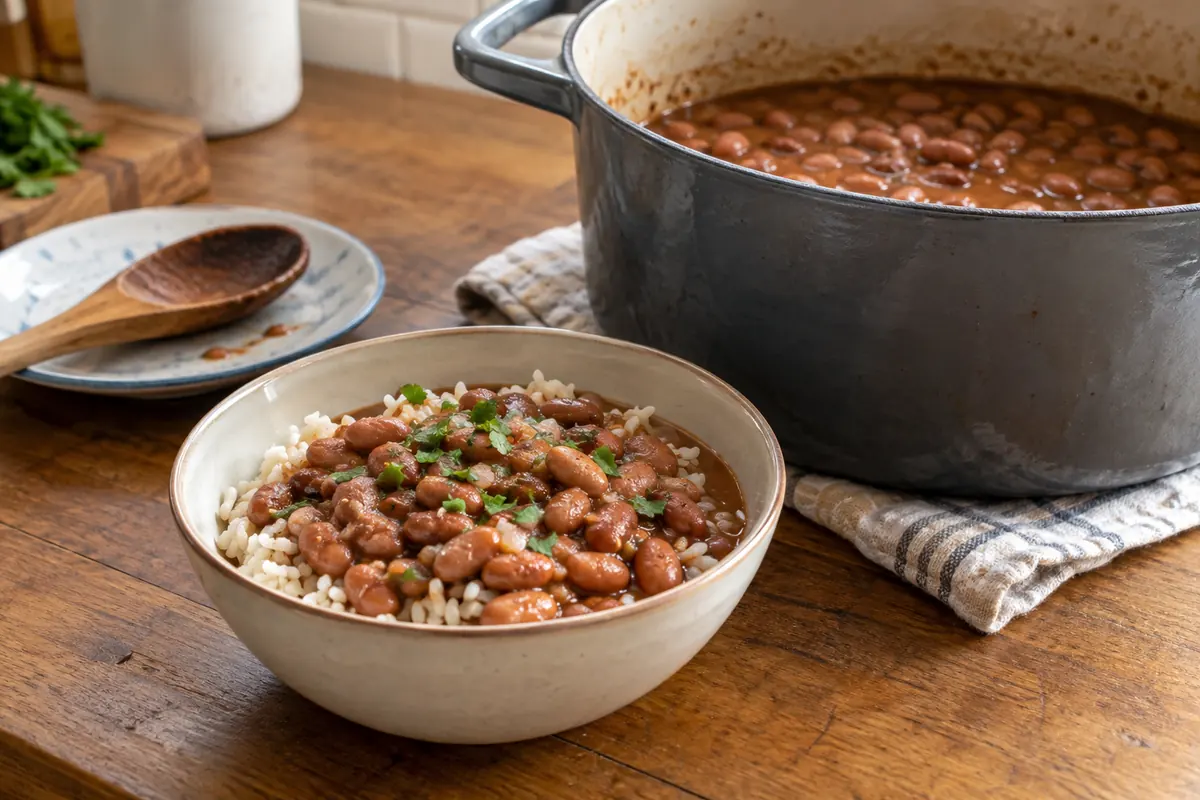
Rice and beans can become breakfast without changing into a sweet porridge. Warm both components properly, add a small serving of cooked greens or another vegetable, and choose one clear finish. A little lime and chopped scallion make one direction; tomato and herbs make another. Keep the grain portion in proportion to your appetite rather than treating a large dinner bowl as the only possible format. A smaller bowl can be easier to eat before leaving the house.
If drawing inspiration from a named dish, learn its particular ingredients and method from a reliable source rather than relabeling any bowl of beans and rice. Gallo pinto, for example, is a useful reason to read about Costa Rican cooking, not a generic name for every mixed grain bowl. You can describe an improvised breakfast accurately without claiming it reproduces a tradition. Specific names and honest adaptations help preserve the distinction between learning from a dish and using a broad cooking idea.
Make the evening pot friendly to the morning
When cooking beans for dinner, reserve a small plain or lightly seasoned portion before adding a very hot sauce or a strongly sweet finish. This gives breakfast more options without requiring two batches. Keep some cooking liquid with the portion so it reheats easily. A shallow container that holds one or two breakfasts is more useful than a giant tub you must repeatedly warm and cool. Label it with the date so it remains part of a clear plan.
If the next few days are already full, freeze a suitable portion promptly rather than waiting until the refrigerator limit approaches. Thaw safely in the refrigerator or follow a safe reheating method from frozen. Keep crunchy toppings, bread, and fresh herbs separate until serving. A practical breakfast system is usually made of a few prepared components, not an entire plated meal stored for a week. That distinction protects texture and makes it easier to change direction when the morning's appetite is different.
Give storage the same attention as seasoning
Cooked beans and rice are perishable foods. Divide leftovers into shallow containers and refrigerate within two hours, or one hour in surroundings above 90°F. Keep the refrigerator at 40°F or below, use refrigerated leftovers within three to four days, and reheat leftovers to 165°F. Do not leave a pot on the stove overnight because it contains no meat. A vegetarian breakfast still needs the same practical attention to cooling, chilling, and reheating.
For packed breakfasts, consider the gap between leaving home and eating. Use suitable cold storage or another safe holding method rather than assuming a sealed jar makes warm food safe all morning. Follow the container's instructions before using it in a microwave, and vent it as directed. A wide opening can be more useful than a narrow jar if you plan to stir and check the food during reheating. Choose a container for the job, not only for how neatly it photographs.
Keep the morning version small enough to repeat
A useful first attempt is one serving of beans, one base, and one finish. Toast, warmed white beans, and tomato is enough to discover whether you like the idea. Rice, black beans, and a squeeze of lime offers a different texture. If you enjoy it, prepare a second variation later rather than adding five toppings immediately. This makes it easier to identify what you actually want from breakfast: warmth, a savory flavor, a crisp edge, or a familiar pantry ingredient.
For a breakfast that can be assembled at the table, serve hot beans in a small bowl beside toast instead of covering the bread in advance. People can choose a brothy spoonful for dipping or mash a few beans onto a dry corner. A rice version can stay equally simple: safely reheated black beans and rice, sliced avocado added just before eating, and lime offered separately. Keep an egg as an optional, separately cooked addition. This arrangement accommodates different appetites without producing several heavily topped plates before anyone sits down.
Keep in mind
Reserve a lightly seasoned portion of dinner beans when you want more breakfast options.
Store cooked beans and rice promptly and reheat leftovers to 165°F.