Start with the kind of bread you have
Dry bread and spoiled bread are different things. Firmness can be useful in a soup or salad, but mold is a reason to discard the loaf rather than trim a spot and cook the remainder. USDA identifies bread as a porous food that should be discarded when mold appears. Check a loaf before committing the other ingredients. Freezing sound slices earlier is often the easiest way to avoid the choice between an unwanted toast breakfast and a bread rescue project later.
Put it to work
Useful tools, at a glance
Skillet sauces and ordinary browning in uncoated stainless steel
Tramontina Signature 10-inch Tri-Ply Clad Fry Pan
Cut for the way dinner will be eaten
Large irregular pieces give a salad something to bite into, while small cubes disappear more quickly into soup. Thick slices make a sturdy base for beans or mushrooms. Fine crumbs work as a topping but usually cannot carry dinner on their own. Decide which role you want before chopping the whole loaf. Keeping a few slices intact leaves more options than reducing every remaining piece to a uniform container of tiny cubes.
A stable cutting board and a suitable bread knife help with a firm crust. Work slowly and keep the loaf supported. Do not balance a rounded heel on its narrow end to force symmetrical pieces. A broad crusty heel can be torn into chunks or used in broth instead. If a very hard piece is difficult to cut safely, choose another use or leave it out. Getting every last crumb into a dish is not a good reason to make the preparation awkward.
Let tomatoes dress a bread salad
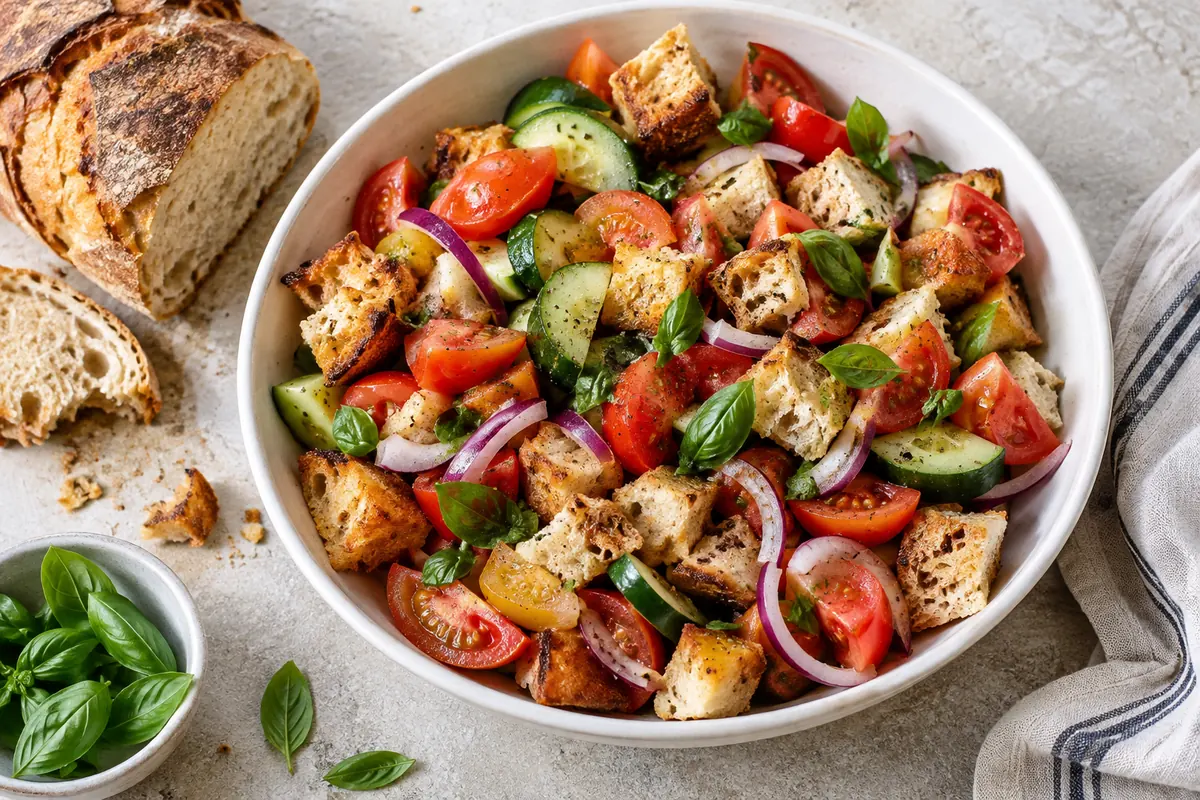
For a substantial tomato and bread salad, begin with tomatoes that taste good on their own. Cut them over a bowl so their juices stay available, season, and let the liquid collect while you prepare the bread. Lightly toast the pieces if they need more structure, then cool them enough that they will not wilt every herb on contact. The finished bread should take up dressing while retaining some contrast between a moist center and a firmer edge.
Cucumber, red onion, and basil make useful companions, but do not let additions outnumber the bread and tomatoes. Start with some of the tomato juice, oil, and a little vinegar, toss, and pause before adding more. Absorption varies with the loaf. A soft sandwich bread can become paste where a dense sourdough would remain chewy. If that is the bread you have, toast it thoroughly and keep it separate until close to serving, or choose an open sandwich instead.
Turn a warm topping into the main event
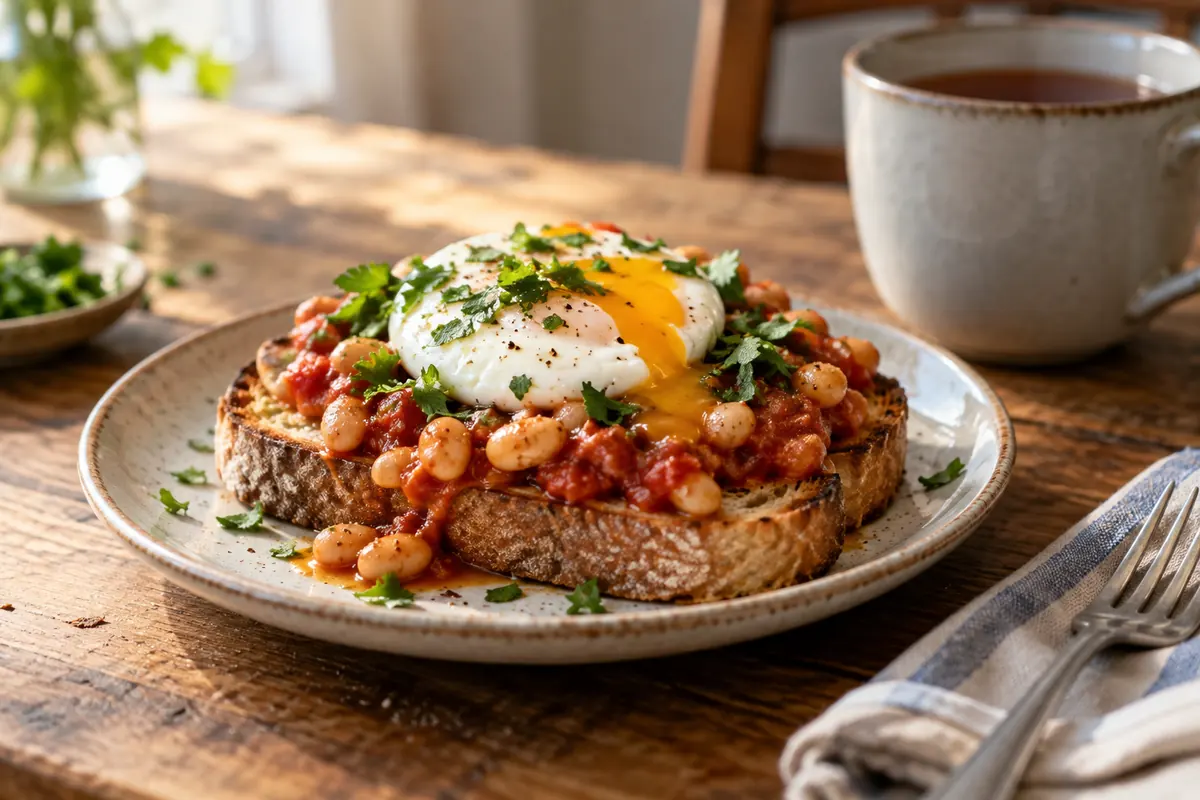
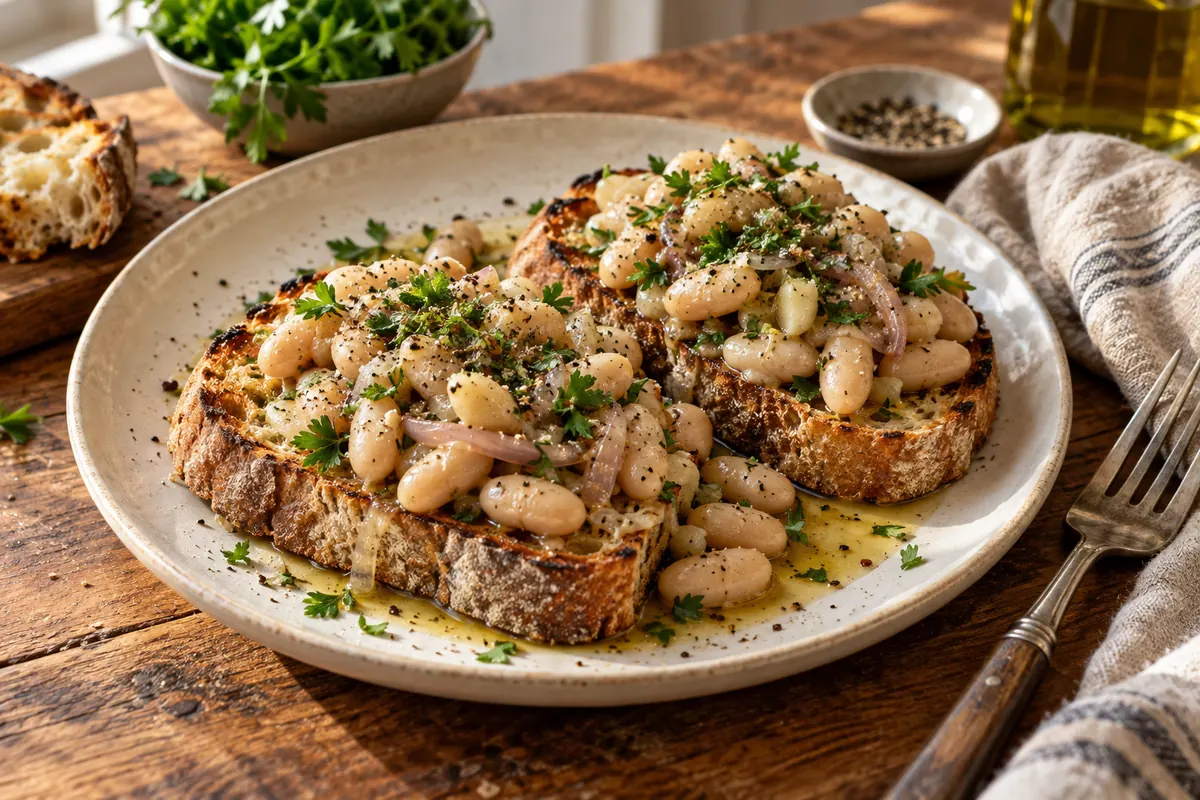
Warm white beans make a good partner for thick toast because their liquid can soften the surface without requiring a separate sauce. Toast the bread until it has enough strength to lift, spoon on the beans, and finish with herbs and acidity. Leave some bean broth in the bowl for dipping rather than pouring every drop onto the toast. A plate with crisp edges and a softened middle is more interesting than bread saturated evenly from the start.
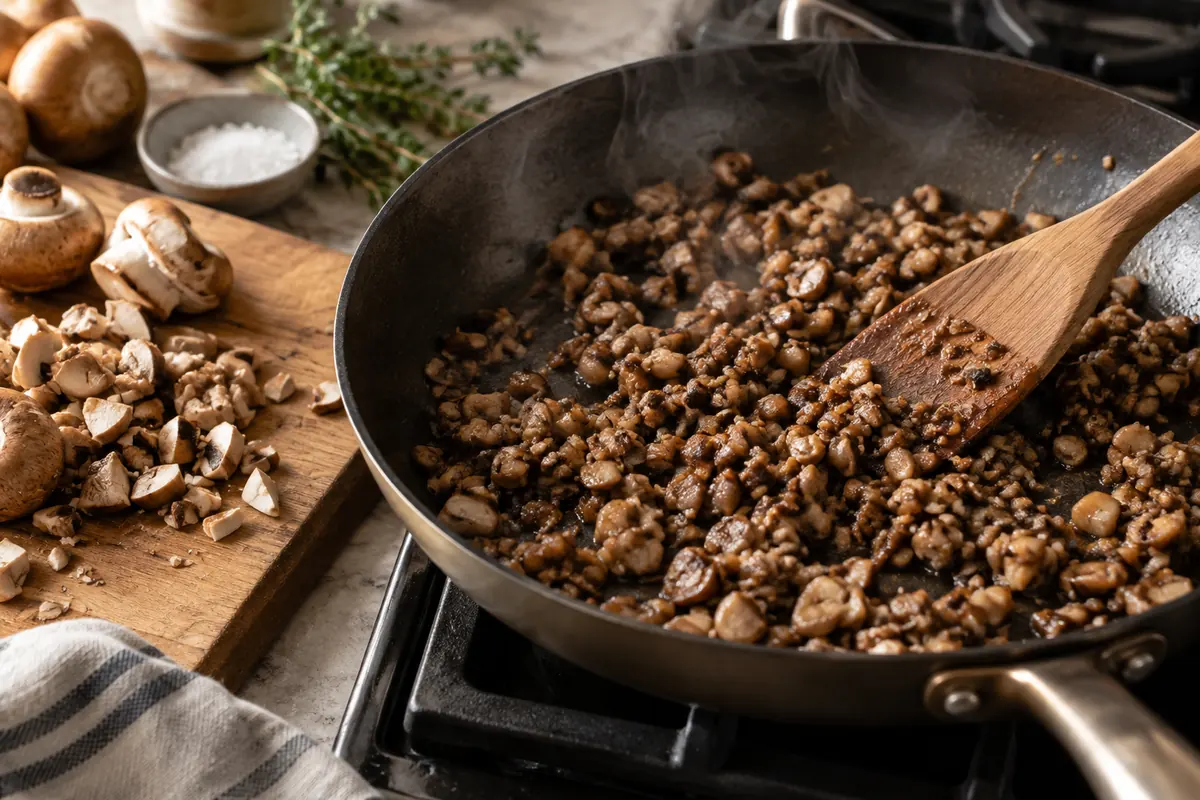
Mushrooms offer another route. Cook them in a wide pan until excess liquid has evaporated and some pieces have browned, then put them over toast with a modest creamy or tangy accompaniment. Keep the pan work separate from the bread until the final moment. A skillet such as the Tramontina stainless model can give the mushrooms room, though the pan already in your kitchen may be adequate for a smaller batch. Surface area matters more than making a particular purchase.
Use soup to soften a loaf deliberately
Bread can thicken a vegetable or bean soup, but add it in stages. A handful of torn pieces may give body while leaving the broth recognizable; a large pile can absorb nearly all the liquid. Simmer gently and check the texture before adding more. Start with a soup you already enjoy rather than expecting bread to correct a weakly seasoned pot. Good broth, tender vegetables, and enough salt still do most of the work.
For a different texture, place toasted bread in individual bowls and ladle hot soup over it just before serving. This preserves a gradual change from crisp to soft as you eat. Keep bread out of the main pot if some of the soup is intended for freezing, since it can become thicker and less distinct after reheating. Add a fresh slice when that portion returns to the table. Reserving a component can make a leftover meal feel newly assembled.
A savory bake needs moisture in proportion
A bread bake with vegetables, eggs, and milk can use several remaining slices, but it deserves a recipe with suitable quantities and cooking directions. Different breads absorb different amounts of custard. Dry, sturdy bread can need more soaking than a soft loaf; a dense mass of tightly packed pieces can leave wet pockets. Cook watery vegetables first when the recipe calls for it, and distribute them rather than piling them into one corner of the dish.
Do not judge an egg-based bake only by its browned top. Follow the recipe and USDA temperature guidance for egg dishes, which should reach 160°F. A thermometer can check the center without relying on a crust that may have browned much earlier. Use a baking dish with the right capacity and allow room for any rise. A casserole that fits comfortably is easier to cook evenly than one packed to the rim because there happened to be more bread left.
Keep a small freezer supply with a clear purpose
Freeze sound bread in portions you can remove without thawing an entire loaf. Slices can be separated as needed; chunks can be assigned to soup or a future salad. Use packaging suited to the freezer and label the contents. A bag described as thick toast slices gives you a more immediate dinner idea than one called leftovers. Rotate it into meals rather than letting every new loaf create another forgotten bag at the back.
Once bread becomes part of a prepared dish, handle the result as that dish requires. Refrigerate perishable leftovers promptly in shallow containers, use within three to four days, or freeze, and reheat leftovers to 165°F. A bread salad with perishable ingredients is not a shelf-stable way to preserve a loaf. Separate crunchy toppings from moist components where possible, and pack a smaller serving if you expect to carry it away from home without immediate refrigeration.
Let a heel tell you what to cook next
A few dry slices can be a useful shopping prompt. Pair them with tomatoes when tomatoes are appealing, with beans when the pantry needs using, or with soup when the refrigerator holds several vegetables. That is a more flexible habit than buying a list of special ingredients solely to avoid wasting a small piece of bread. The loaf should reduce the work of dinner, rather than become an excuse for a more complicated trip to the shop.
Match the remaining shape to a useful dinner. A broad heel can become a bowl-side piece for dipping into soup; thick slices can support mushrooms or beans; uneven chunks can absorb tomato juices in a salad. Fine crumbs are best kept for a topping when there is too little bread to carry a meal. Freeze sound bread before it becomes a rescue project, and take out only the form needed. A few intact slices leave more options than a freezer bag in which every loaf has already been reduced to crumbs.
Keep in mind
Discard moldy bread rather than trimming the visible spot.
Use a complete recipe for egg-based bread bakes and check the center, not only the browned surface.