Open the tin with a meal in mind
The freezer and pantry conversation around Whole Foods Market's 2026 forecast gives convenience foods an editorial opening, but it does not establish a new search-growth figure for canned fish. This is a practical pantry angle. A shelf-stable ingredient can shorten preparation while still offering a distinct flavor. Choose the actual species, preparation, and label carefully. A plain tin of tuna in water and smoked fish in a strongly flavored oil are different starting points, even when they occupy the same cupboard shelf.
Put it to work
Useful tools, at a glance
A medium plastic prep board
OXO Good Grips Plastic Utility Cutting Board
Read beyond the picture on the lid
Check the fish species, packing medium, seasonings, and whether the product requires refrigeration. Some fish products that look similar to pantry tins belong in the refrigerator and must stay there. Follow the label. Oil-packed fish may bring useful fat and flavor, while water- or brine-packed fish may need another source of richness. Tomato sauce, smoke, chile, or other strong seasonings can make a tin convenient but also limit which ingredients will taste coherent beside it.
Look for bones or skin information if that affects the dish or the eater's preferences. Do not assume that every tin is prepared identically. Inspect the container and discard damaged, leaking, swollen, or otherwise suspect cans rather than tasting to find out. Once opened, handle the fish as perishable food. If choosing fish for children, pregnancy, or another circumstance with particular dietary guidance, consult the relevant FDA advice for species and portions instead of treating all canned fish as interchangeable.
Warm beans before folding in the fish
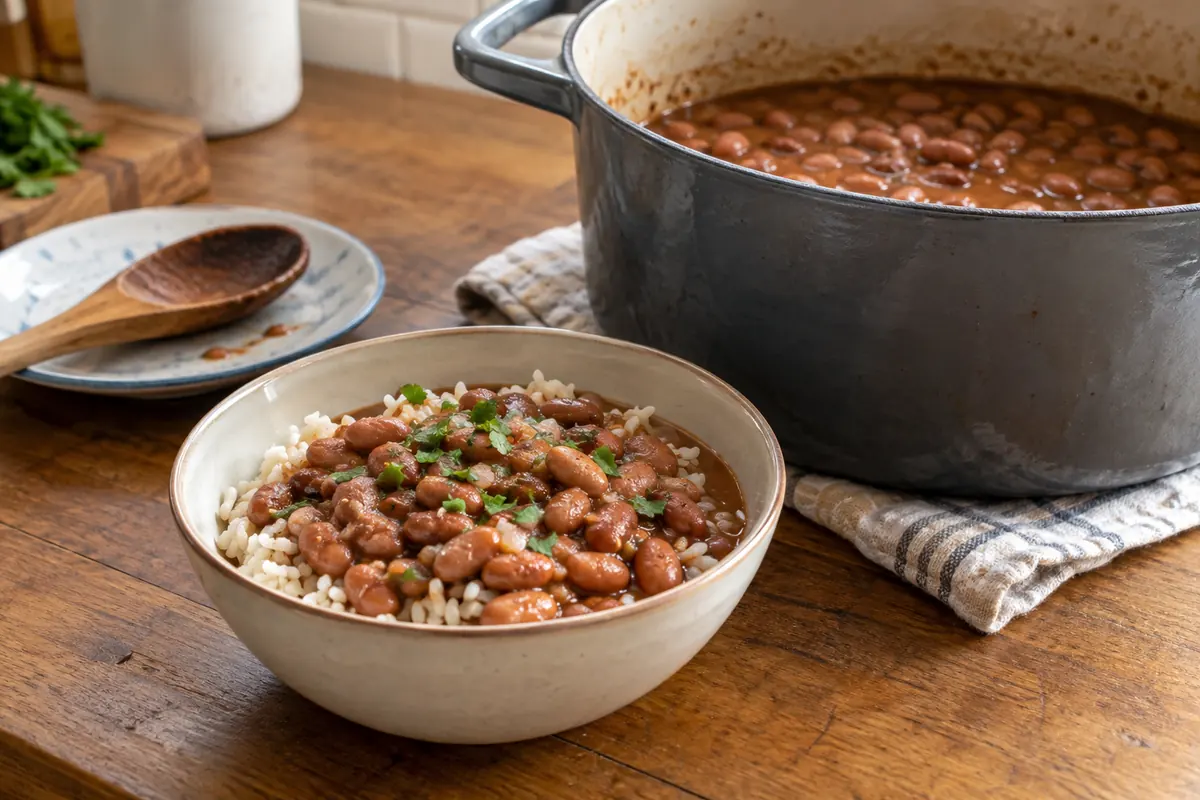
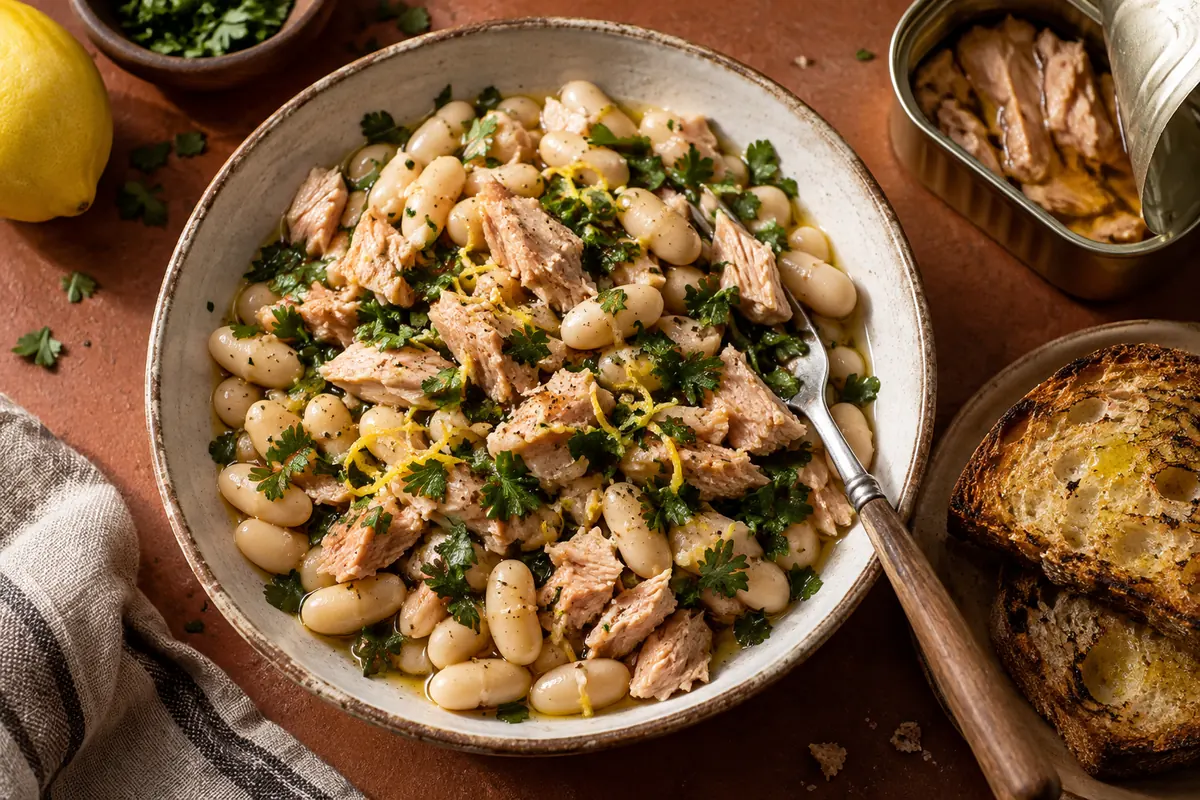
Warm white beans provide a mild base for flaked tuna or another fish you enjoy. Reheat cooked beans safely with enough liquid to keep them spoonable, then add the fish according to the dish's method. Large pieces can remain visible rather than being stirred into a uniform paste. A little lemon, parsley, and black pepper can bring the plate together. Taste before adding salt because both the beans and the fish may already carry it.
For a warm bean dinner, soften an aromatic such as onion or garlic before adding the beans and enough liquid to make them spoonable. Reheat any leftovers safely, then follow the dish's method for adding the canned fish. Fold rather than beat so some flakes remain distinct. Lemon and chopped parsley can finish the portion after the heat is adjusted. Keep the liquid modest when serving over toast, or retain more broth when the bowl will be eaten with a spoon. The fish contributes seasoning without needing a long second cook.
Pasta needs a sauce, not just scattered fish
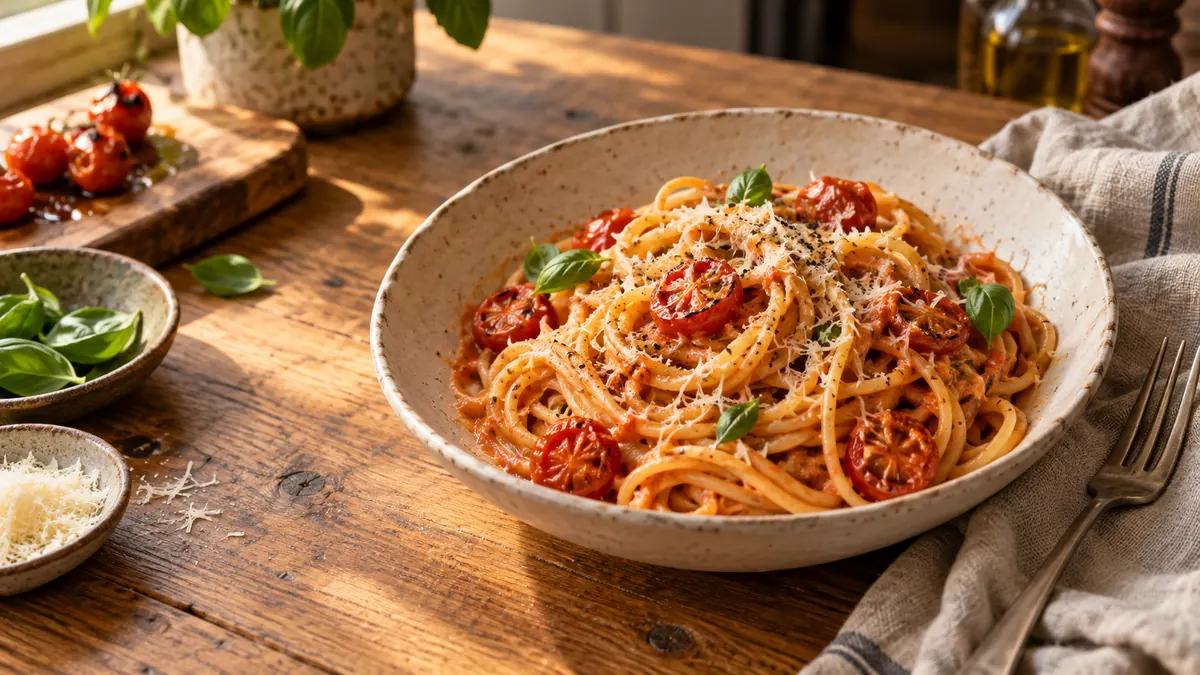
For pasta, build a small sauce while the grain cooks. Garlic softened carefully in oil, a little tomato, or a modest amount of suitable packing oil can provide a starting point. Reserve some pasta cooking water before draining, then add it gradually while tossing so the sauce reaches the noodles. Fold the fish in gently when the method calls for it. Overstirring can turn delicate flakes into tiny particles that vanish while leaving the whole dish surprisingly dry.
The fish's existing seasoning should guide the rest. A strongly smoked tin may need only a simple base and something fresh; a plain tuna can take a clearer lemon or tomato direction. Choose one, then taste a complete forkful. Capers, olives, cheese, and prepared sauces can all add salt, so avoid including them automatically. A few ingredients handled in a sensible sequence usually produce a more coherent dinner than emptying several pantry jars into the same pan and hoping they agree.
Toast and potatoes offer different kinds of comfort
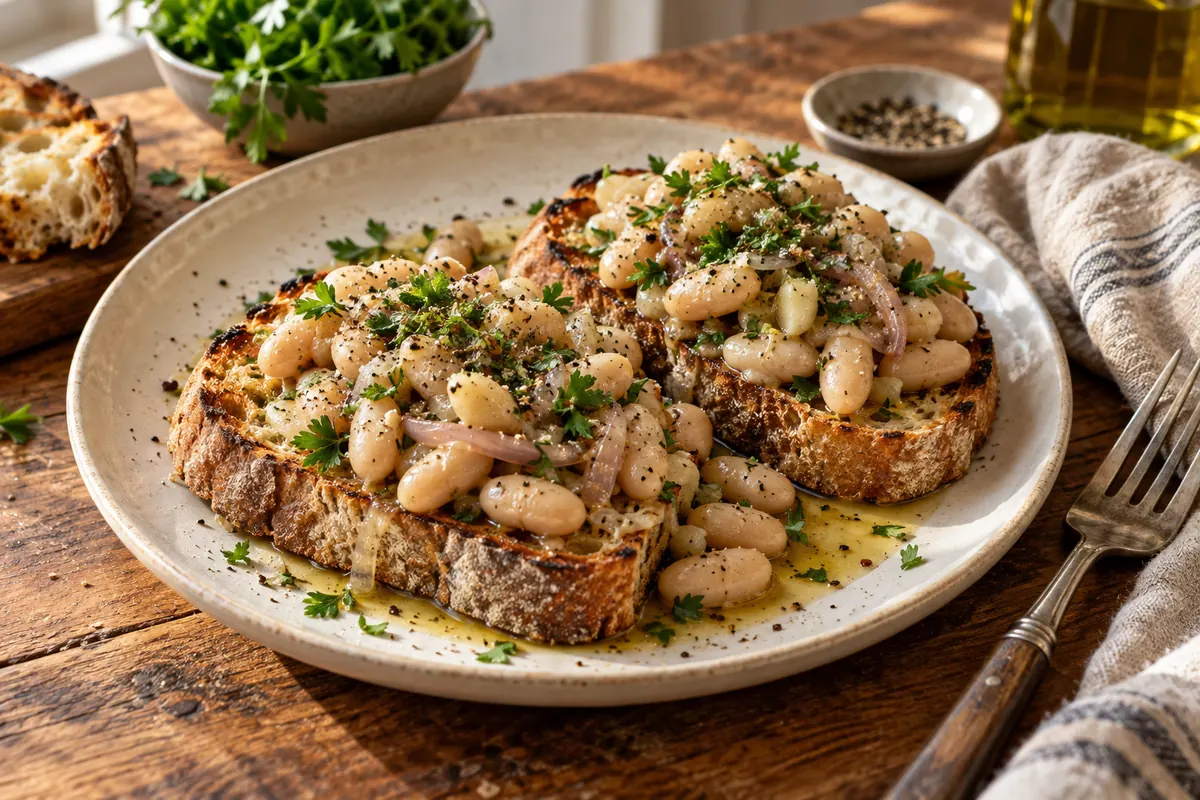
Thick toast can support fish mixed with a little dressing or spooned over a layer of beans. Assemble close to eating so the bread keeps some resistance. A substantial topping may need a knife and fork rather than pretending to be a portable sandwich. For a baked potato, the soft center can take a moist fish mixture, herbs, and a little acidity. The potato's mildness means the topping must be seasoned as a whole, not merely salted on its exposed surface.
A crisp vegetable alongside either option can change the plate more effectively than another rich topping. Cucumber, celery, or a small salad offers contrast, while cooked greens can make a warmer meal. Choose the accompaniment for the fish you opened. Sardines or mackerel have a different presence from mild tuna, and a heavily dressed side can overwhelm a subtle tin. There is no obligation to disguise the fish. The goal is a meal that welcomes its flavor and gives it a comfortable supporting structure.
Buy for repeat dinners rather than an impressive cupboard
Start with a few tins you know how to use. A plain variety for beans and pasta may earn its space more reliably than several highly seasoned tins waiting for a special occasion. Compare labels and portions rather than assuming the largest or most decorative tin is the best choice. Prices and availability change, so make the decision using the current shelf and your actual meal plan. A premium tin can be enjoyable, but it does not automatically make a better everyday pasta sauce.
Keep a rotation so older products are used within their quality guidance, and store unopened shelf-stable tins as directed in a cool, dry place. After opening, refrigerate leftovers promptly in a clean covered container and follow the label and safe leftover limits. Make only the amount of dressed salad that will be used soon. A small spare portion of plain fish is easier to redirect than a large bowl already mixed with wet vegetables, herbs, and bread.
Let the tin shorten one stage of dinner
A useful hot-dinner sequence starts with the component that still needs cooking. Put a potato in to bake before opening the tin; start pasta water before chopping parsley; warm the bean base before folding in delicate fish. Meanwhile, read the fish's packing medium and choose the sauce around it. Tomato-packed sardines already supply one direction, while plain tuna may need oil, lemon, or another moist finish. Bringing these stages together at the end keeps the prepared fish from spending the whole evening simmering while an unfinished base catches up.
The strongest pantry dinner has a clear relationship between its parts. A mild base catches the sauce, the fish supplies its own character, and a fresh or crisp element keeps the plate from becoming monotonous. Taste those parts together before adding a final condiment. Once that habit is established, a tin becomes more than emergency food or a display item. It is one prepared ingredient that can help you make a complete, appealing dinner with a manageable amount of work.
Keep in mind
Check the label: some fish products require refrigeration before opening.
Use the packing medium and existing seasoning to choose the rest of the dish.