Cook a component with more than one future
Think in textures as well as flavors. Some pieces can remain intact for a plate of roast vegetables, while a portion can become part of a soup or another soft preparation. The same ingredient will feel less repetitive when its role changes. That does not mean every leftover must become a completely new project. A warm grain bowl, a soup made from a reliable recipe, and a separate roasted side are three possible directions with different amounts of work. Choose the ones that fit the week ahead.
Put it to work
Useful tools, at a glance
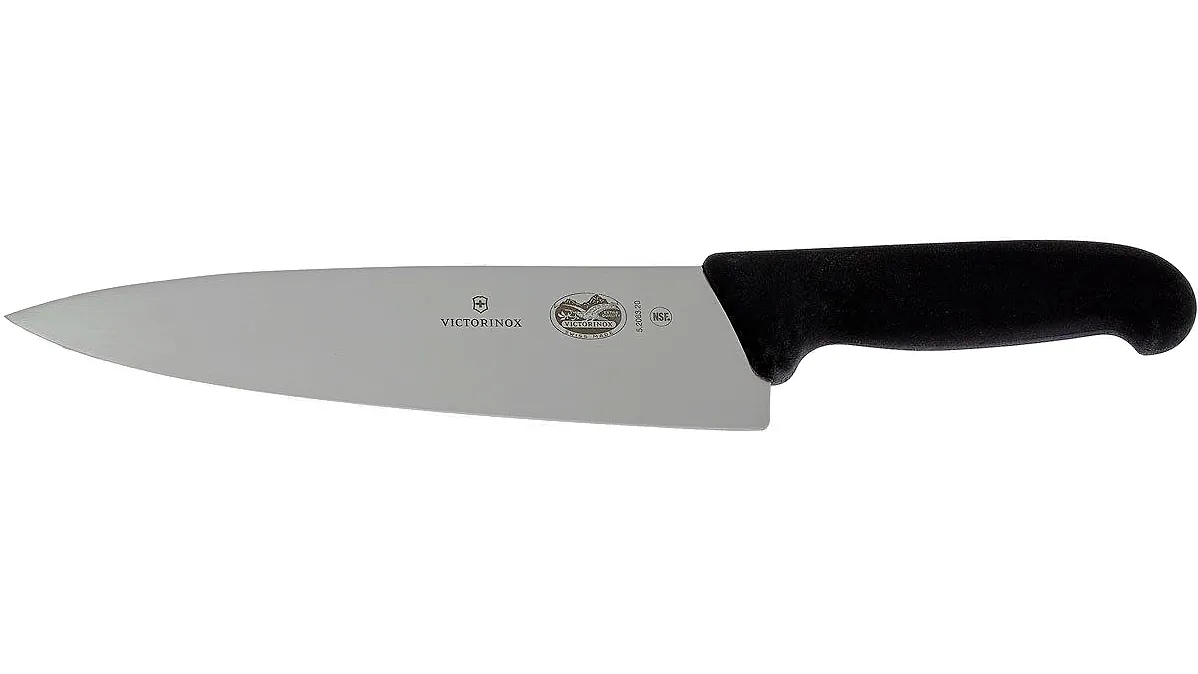
General chopping with a wide chef knife
Victorinox Fibrox Pro 8-inch Chef Knife
Roasting and baking with an uncoated pan
Nordic Ware Naturals Half Sheet, 2-Pack
Choose a squash you can handle comfortably
Butternut, acorn, delicata, kabocha, and spaghetti squash are useful names to distinguish before buying. They are all winter squash, but their shapes lead to different preparation jobs. Butternut can suit a recipe using peeled pieces or a soft soup base; an acorn half offers a natural serving shape. Spaghetti squash produces strands when cooked and scraped, so it will not supply the same cubes or smooth base as another type. University of Minnesota's guide identifies these different forms. Choose the form that fits the meals planned, and buy a sound squash you can cut safely.
Set a stable cutting board on a secure surface and use an appropriate sharp knife . Work with the shape deliberately rather than forcing a blade through an unstable rounded piece. Follow a reliable preparation method, and stop if the arrangement feels unsafe. A peeler may be useful for certain recipes and varieties, but it is not a universal answer to every hard rind. Match the tool to the actual task. Our knife and peeler comparisons discuss verified options without making the ingredient easier by claim alone.
Decide between pieces, wedges, and a softer roast
Cut size determines how the squash can be used later. Small pieces offer more browned surface and fit into bowls or salads, while larger wedges can become a substantial side. A recipe that roasts a larger section may produce a softer interior suited to a different purpose. Choose the form before seasoning. If you want intact pieces tomorrow, do not begin with a method that intentionally takes the squash to a very soft, scoopable texture. The future meal starts with this first cut.
Keep pieces reasonably consistent and arrange them according to the recipe. Crowding can change the result from browned to soft and steamy, especially when a large batch releases moisture. Use enough suitable tray space or reduce the amount. A second tray can be useful when the oven and recipe support it, but it brings another level and possible rotation to manage. A smaller amount roasted well may create better meals than a large amount that never develops the texture you were hoping to carry through the week.
Make the first dinner good on its own
The first serving should be a meal you want to eat, not merely a storage exercise. Pair the squash with something that balances its sweetness and soft interior. Beans, a suitable grain, a sharp dairy sauce, or a savory main dish can give it context. A fresh herb or a little acidity can bring definition without changing the entire batch. Keep strong finishing flavors on the portion you are serving when the remainder needs to stay flexible for another dish.
Taste a complete bite before adjusting the whole pan. If the meal already includes a salty cheese or condiment, the squash may need less additional seasoning than it seems to need alone. If everything on the plate is soft, add a crisp accompaniment rather than more richness. These choices help the vegetable feel like part of dinner instead of a sweet side that happens to occupy a large space. A good first meal also gives you useful information about how the remaining squash will behave.
Cool and divide with actual dates in mind
A title promising a week of dinners does not mean cooked squash should sit in the refrigerator for a full week. Follow current leftovers guidance and freeze suitable portions promptly when they will not be used within the recommended refrigerated period. USDA advises using refrigerated leftovers within three to four days and reheating them to 165 F. Divide larger amounts into appropriate shallow containers for rapid cooling, label the date, and keep the portion intended for a later meal distinct from tonight's serving.
Choose packaging that protects the form you want to retain. Deeply stacked soft pieces can be harder to separate neatly than portions arranged with care. Keep sauces and crisp toppings separate when that will preserve quality. Follow the exact container's temperature and heating instructions, especially with glass. A freezer plan should include the intended meal and reheating method, not just a date on a box. That small amount of information can keep the next dinner from becoming a search for what the frozen pieces were supposed to do.
Change the job on the second night
Keep intact pieces for a bowl with beans, greens, and a sharp dressing. For a deliberately soft second meal, a butternut soup recipe gives the cooked flesh a different role with its own broth and seasoning. Spaghetti squash needs another route: its scraped strands can accompany a suitable sauce, rather than being forced into a smooth puree plan. Reheat stored components safely before finishing the dish. Choosing between pieces, mash, and strands makes the second dinner meaningfully different without requiring every type of squash to perform the same job.
A pasta direction requires similar judgment. Soft squash can add body, but it may also make a sauce thick or sweet. Use a developed recipe or add a modest amount to a meal you understand rather than turning the entire supply into an improvised sauce. Keep a little cooking liquid available when the method calls for it, and balance the complete bite. The goal is a change of role that improves dinner, not a complicated reinvention designed only to prove that the same vegetable can appear again.
Use finishing ingredients to create contrast
Herbs, citrus, yogurt, nuts, seeds, or a suitable sharp condiment can change how roast squash feels at the table. Choose one or two according to the meal. A crisp topping can help a soft preparation, while acidity can make a sweet one feel more defined. Check allergens and keep the amount proportionate. More toppings do not automatically create more interest; several strong flavors may simply obscure the squash and each other. A clean contrast is often easier to enjoy than a crowded surface.
Keep a small selection of flexible finishing ingredients in mind when shopping. They should have other uses during the week so the batch-cooking plan does not create several new leftovers of its own. Plain yogurt can accompany another meal, herbs can finish beans, and a lemon can serve several dishes. Store each appropriately. A useful plan makes ingredients overlap without forcing every dinner to taste alike. That is the difference between a practical component and a single large dish reheated until it becomes tiresome.
Keep the amount honest
After the week, look at what was used and what was avoided. If the frozen portion remained untouched, consider whether the proposed meal was too complicated or whether the original quantity was simply too large. Reduce the next batch if that makes it easier to enjoy. Batch cooking is not a competition to fill containers. It is a way to move a useful piece of work to a time when you have the attention and oven space to do it well.
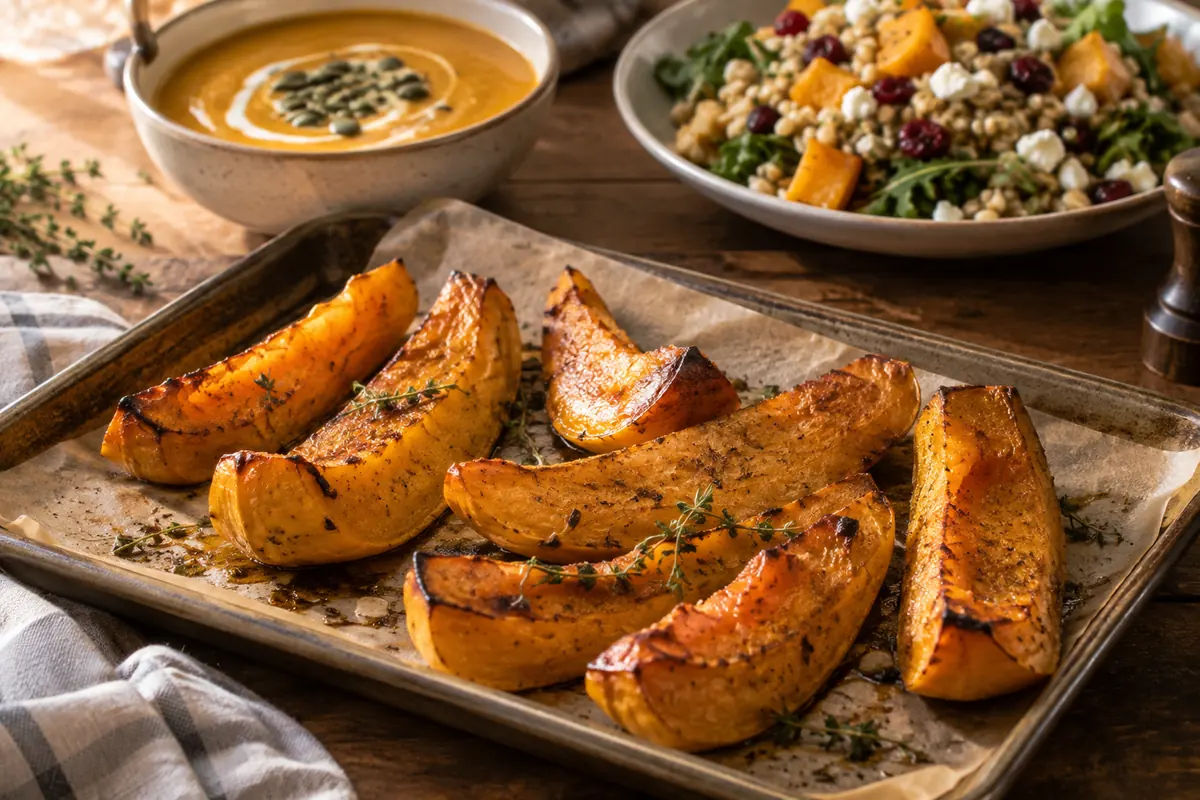
Divide the tray by the textures it actually produced. Firm pieces with browned faces can stay intact for a bean bowl, while softer edges can join a suitable soup or sauce. Keep later portions frozen within the storage plan instead of repeatedly warming the entire supply. At serving, put a cool yogurt or tahini sauce beneath the squash, then add a modest crisp element above it. Bread or a grain can complete the plate without another roasted vegetable competing for oven space. That arrangement uses the roast's sweetness and softness as deliberate parts of dinner.
Keep in mind
Use refrigerated leftovers within USDA's three-to-four-day guidance, or freeze suitable portions promptly for later meals.
Reheat leftovers to 165 F measured with a food thermometer.